

Fort-de-France
Capital of Martinique, a French overseas territory, Fort-de-France is a veritable island paradise replete with striking colonial architecture, exotic flora and fauna, verdant nature parks, and sparkling beaches. Highlights of this vibrant island capital include the colorful Jardin de Balata, the cascading Fontaine Didier waterfall, and the expansive Schoelcher Library.

Windhoek
Windhoek, the capital city of Namibia, is a vibrant and cosmopolitan hub nestled in the heart of the country. With its mix of German colonial architecture and modern African charm, Windhoek offers visitors a unique blend of history and contemporary culture. The city’s skyline is dominated by the striking Christuskirche, a Lutheran church built in 1907, which stands as a symbol of Namibia's German colonial past.
Abidjan
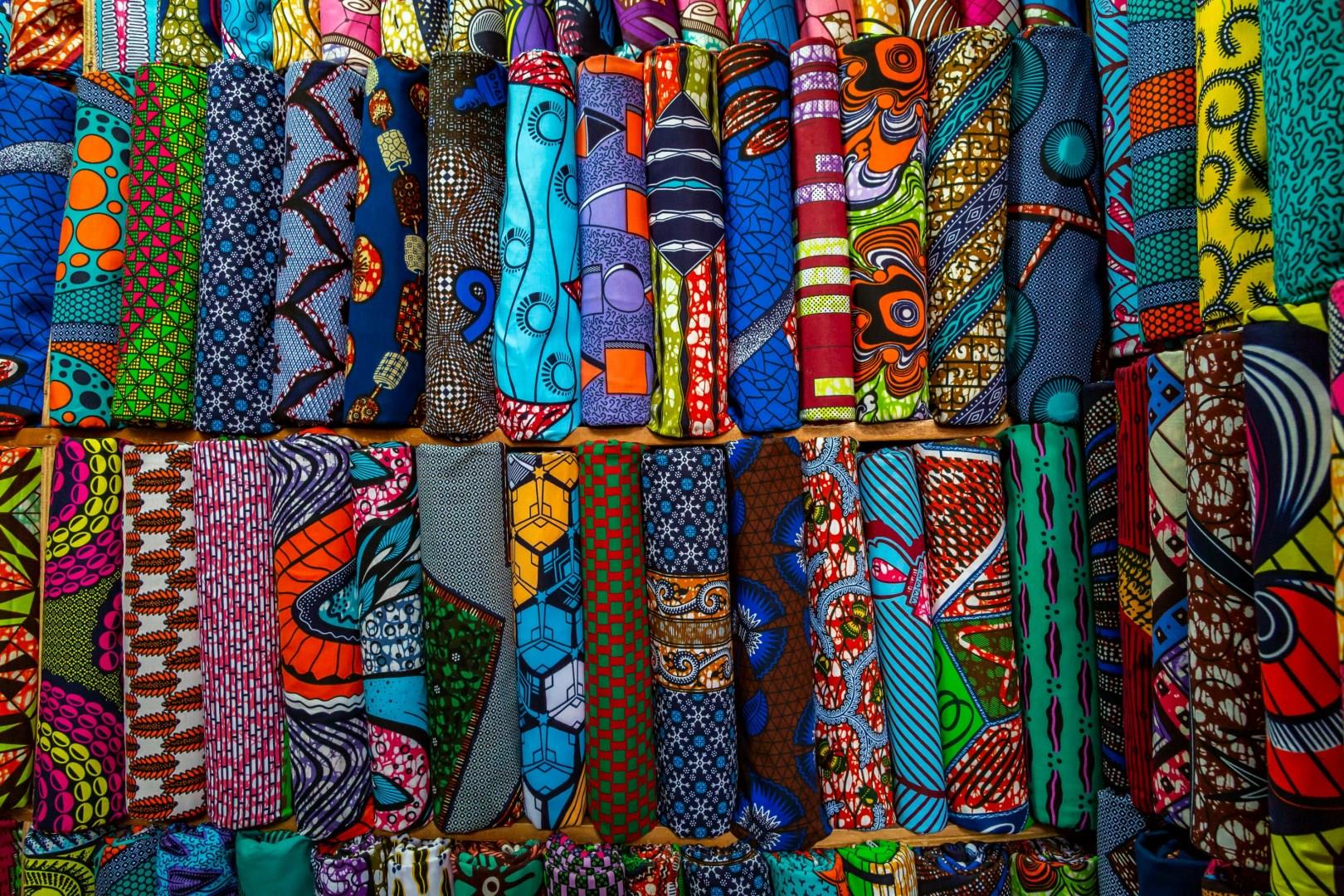
Abidjan, the largest city in Ivory Coast, is a vibrant coastal hub known for its striking skyline, lively markets, and cultural energy. Situated along the Ébrié Lagoon, it serves as the country’s economic and commercial center, blending modern urban life with West African traditions. Nicknamed the “Paris of West Africa,” Abidjan offers a dynamic mix of business districts, beachside neighborhoods, and green spaces that reflect its diverse character.
Badlands National Park
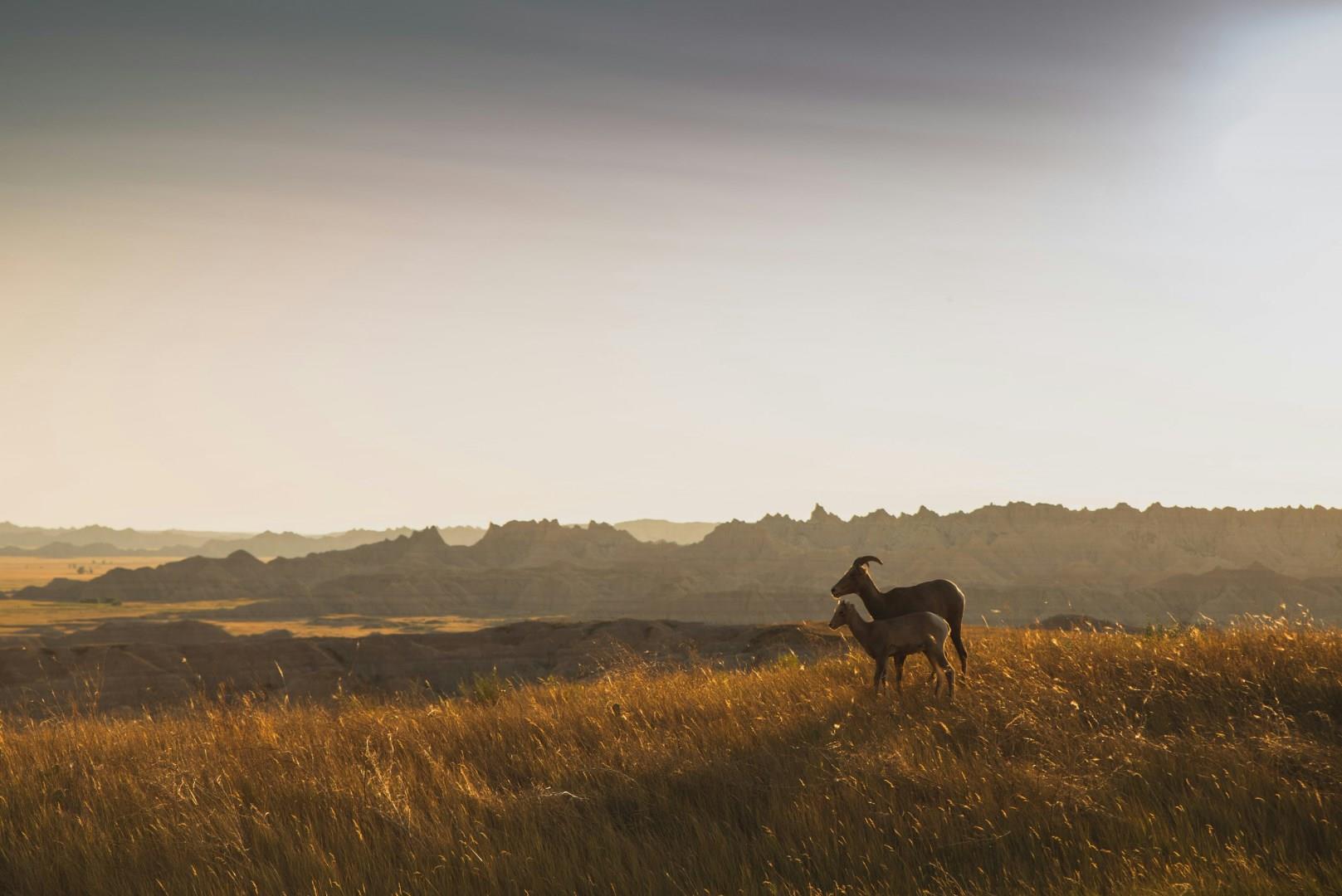
Badlands National Park stretches across southwestern South Dakota, where layered rock formations and sharply eroded spires reveal nearly 75 million years of geological history.

Šiaulia
Šiauliai, often referred to as the "City of the Sun" due to its high number of sunny days, is a vibrant gem in northern Lithuania. The city's most iconic landmark is the Hill of Crosses, a profound site of pilgrimage adorned with thousands of crosses placed by visitors over the decades. This unique and moving monument, which has been recognized by UNESCO for its cultural significance, symbolizes the resilience and spirit of the Lithuanian people.
