
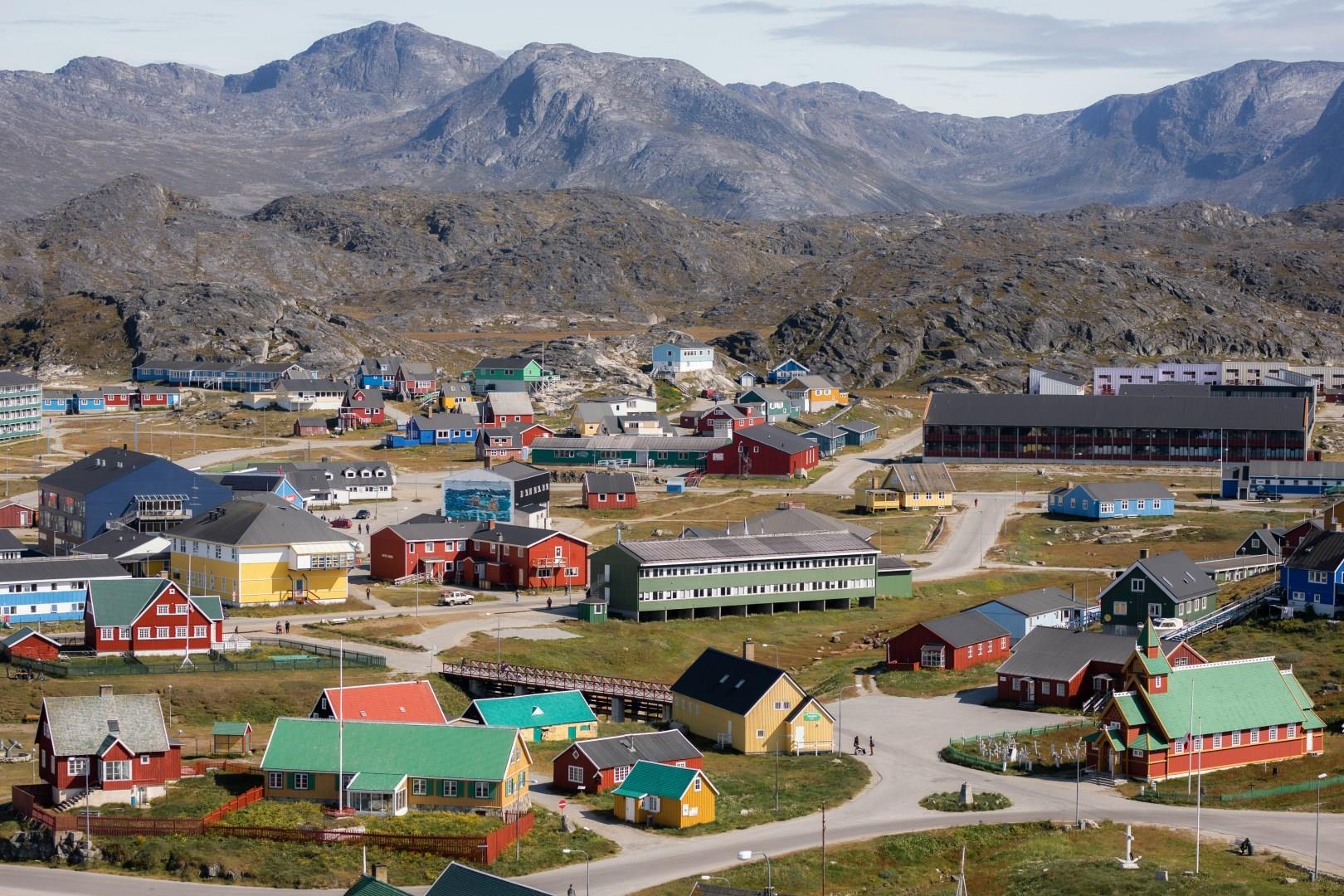
Paamiut
Paamiut lies on Greenland’s southwest coast, where the Labrador Sea meets a rocky, fjord-cut shoreline. Established in the 18th century as a Danish trading post and mission, the town developed around fishing and sealing, activities that continue to shape daily life.
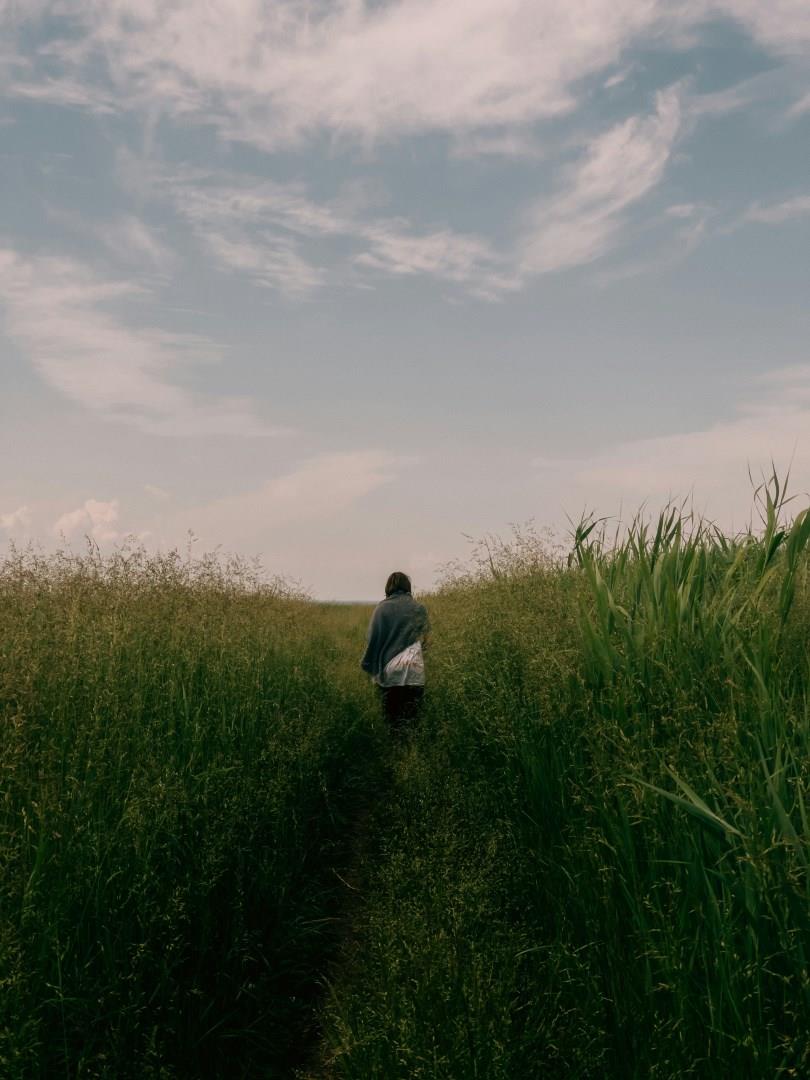
Parnu
Pärnu, often called Estonia’s “summer capital,” is a charming seaside city known for its long sandy beaches, historic architecture, and vibrant spa culture. Located along the coast of the Gulf of Riga, Pärnu has been welcoming visitors since the 19th century, when it became one of Northern Europe’s premier spa destinations.
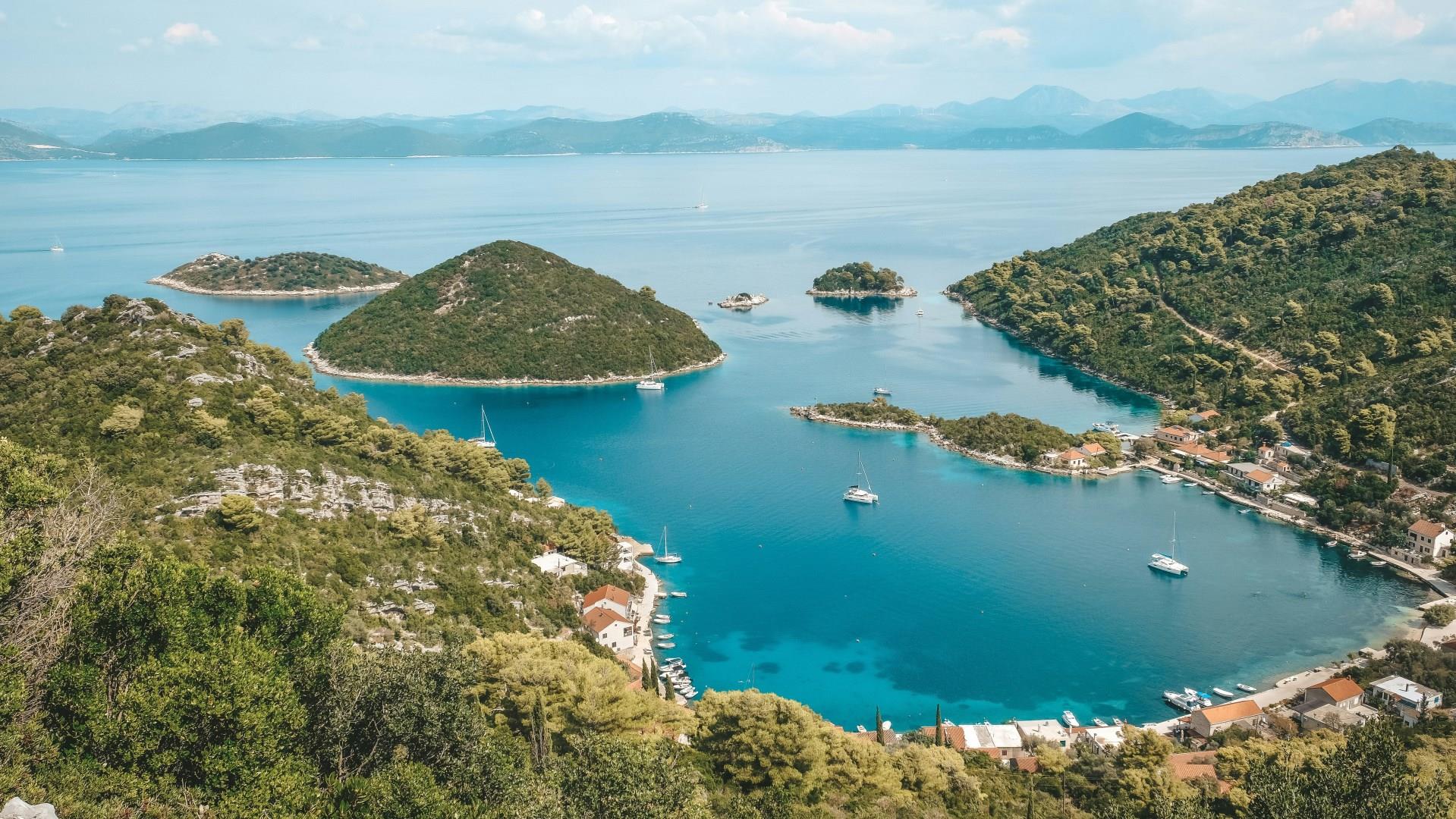
Mljet National Park
Mljet National Park sits on the western side of Mljet Island in Croatia’s Adriatic Sea, a place where saltwater lakes meet ancient forest pathways. The park stretches across nearly one-third of the island, with Veliko Jezero (Great Lake) and Malo Jezero (Small Lake) as their most striking features. These two saltwater lakes are connected by a narrow channel to the open sea, creating calm blue waters that draw visitors for swims, casual kayak outings, or peaceful cycles around the shaded paths.
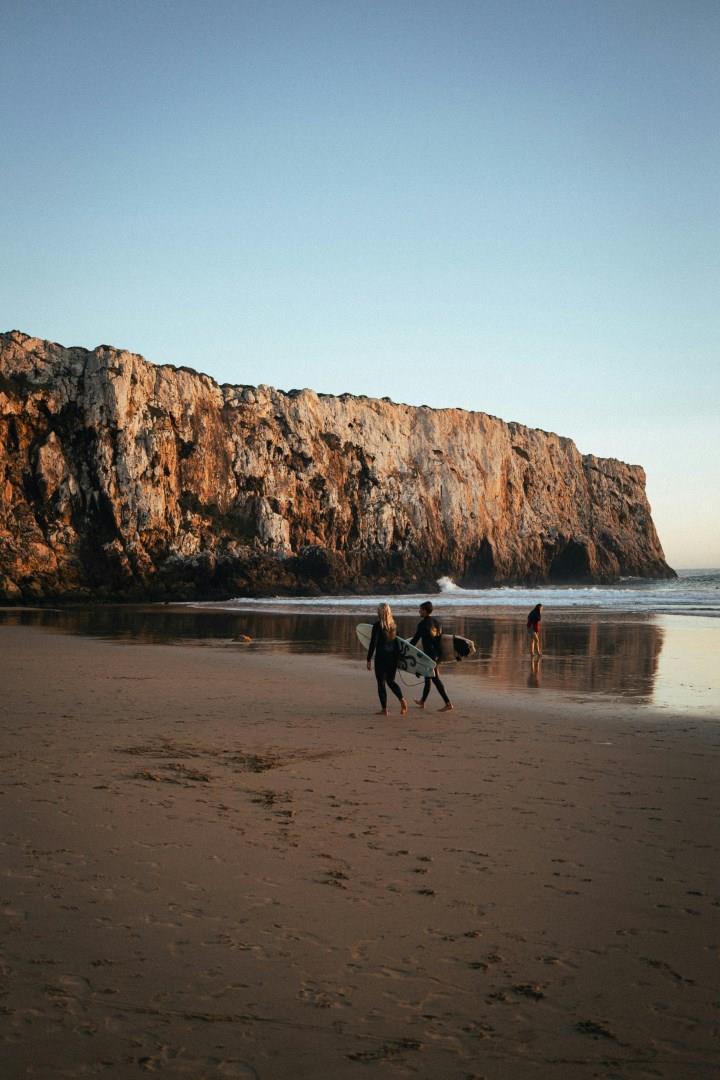
Sagres
Sagres sits at the southwestern edge of continental Europe in Portugal’s Algarve region, where the Atlantic’s wide horizon meets rugged cliffs and open skies. For centuries this point was linked to maritime adventure and visitors can still feel that sense of discovery in the air. Here, people like Prince Henry the Navigator gathered cartographers, shipbuilders and astronomers in the 1400s to push beyond maps of the known world and shape the early Age of Discovery from Sagres’ dramatic headlands.
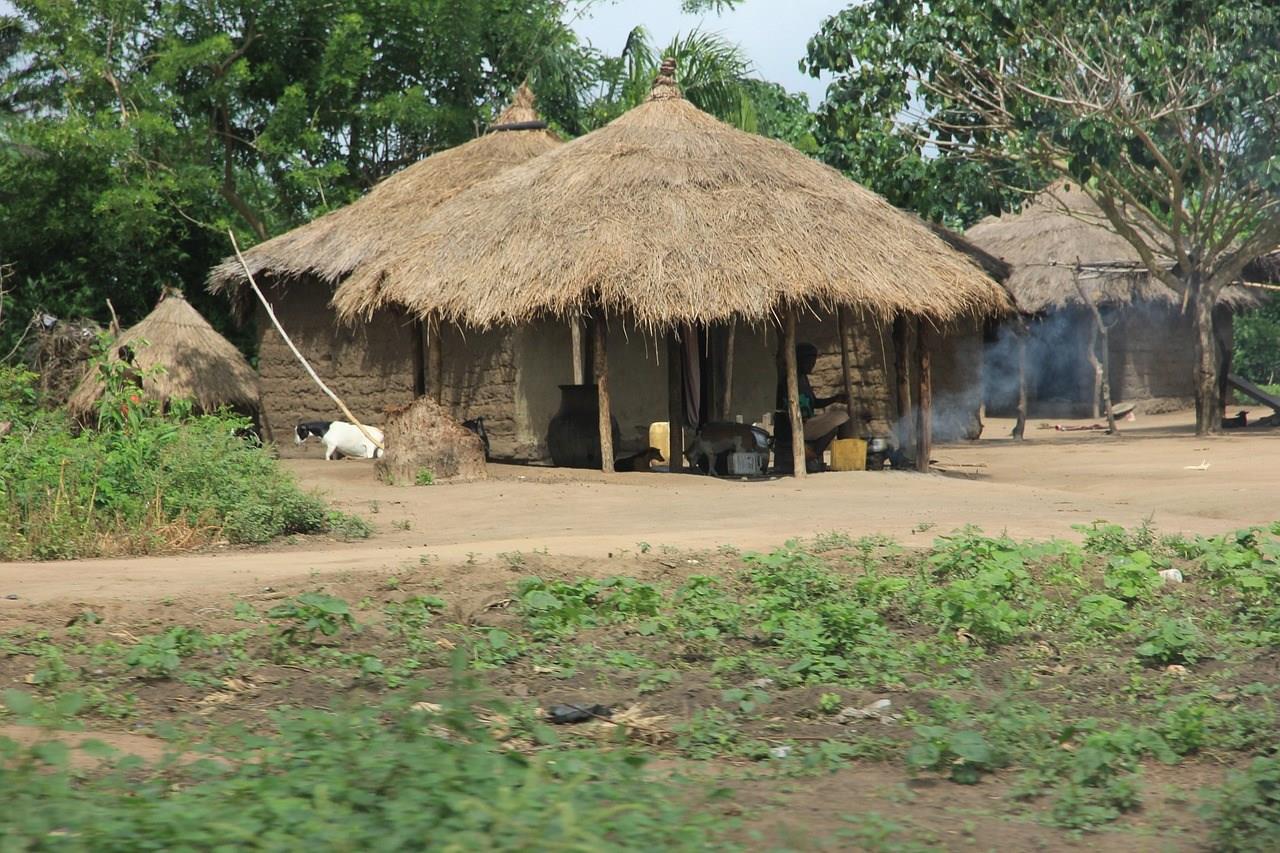
Togo
Togo, a narrow country in West Africa, stretches from the Gulf of Guinea in the south to savanna landscapes in the north. Its diverse cultures and languages, combined with vibrant music and dance traditions, create a lively and colorful atmosphere throughout the country.
