
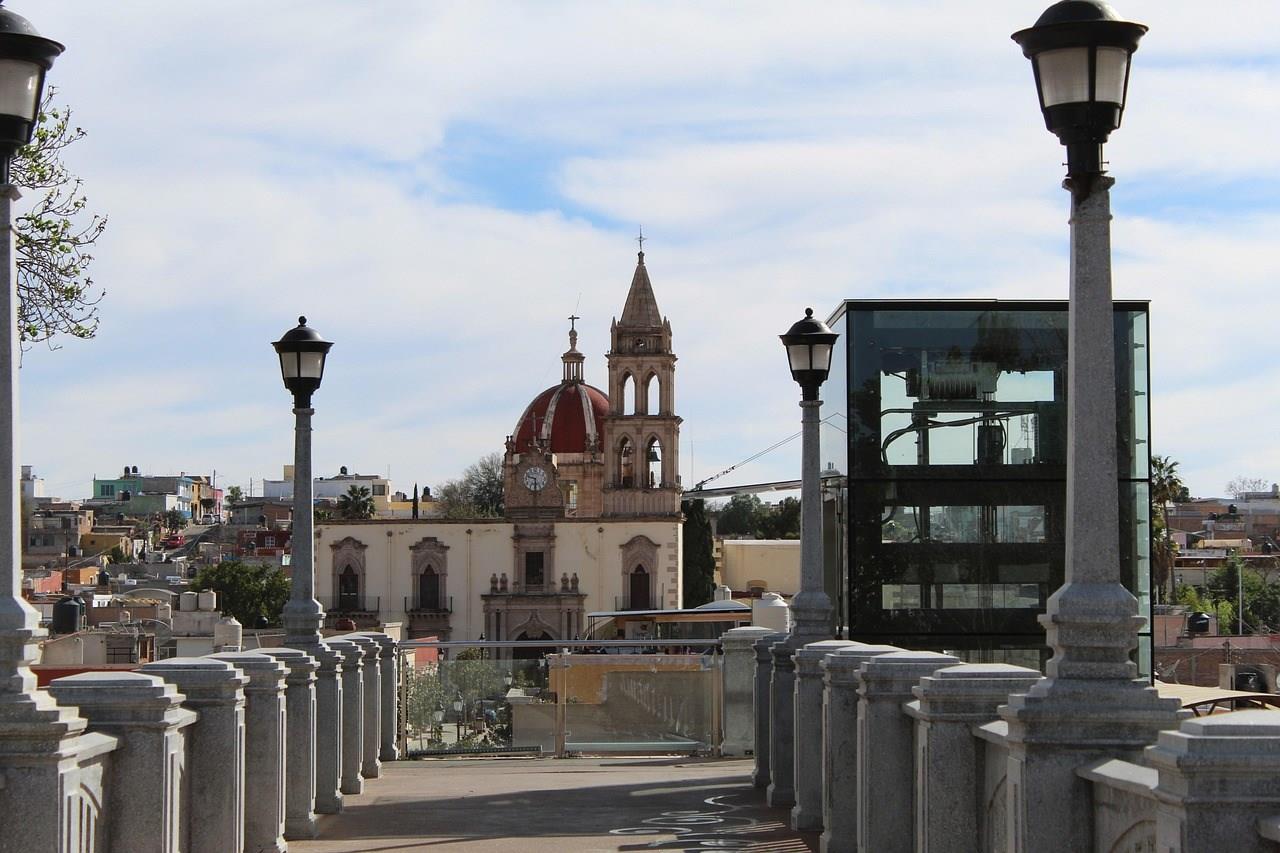
Durango
Victoria de Durango rises on a high plateau Mexico’s Sierra Madre Occidental, founded in 1563 by Francisco de Ibarra. Its streets trace layers of history: the historic center holds the most listed buildings in northern Mexico and remains a notable stop on the Camino Real de Tierra Adentro, now a UNESCO World Heritage route.
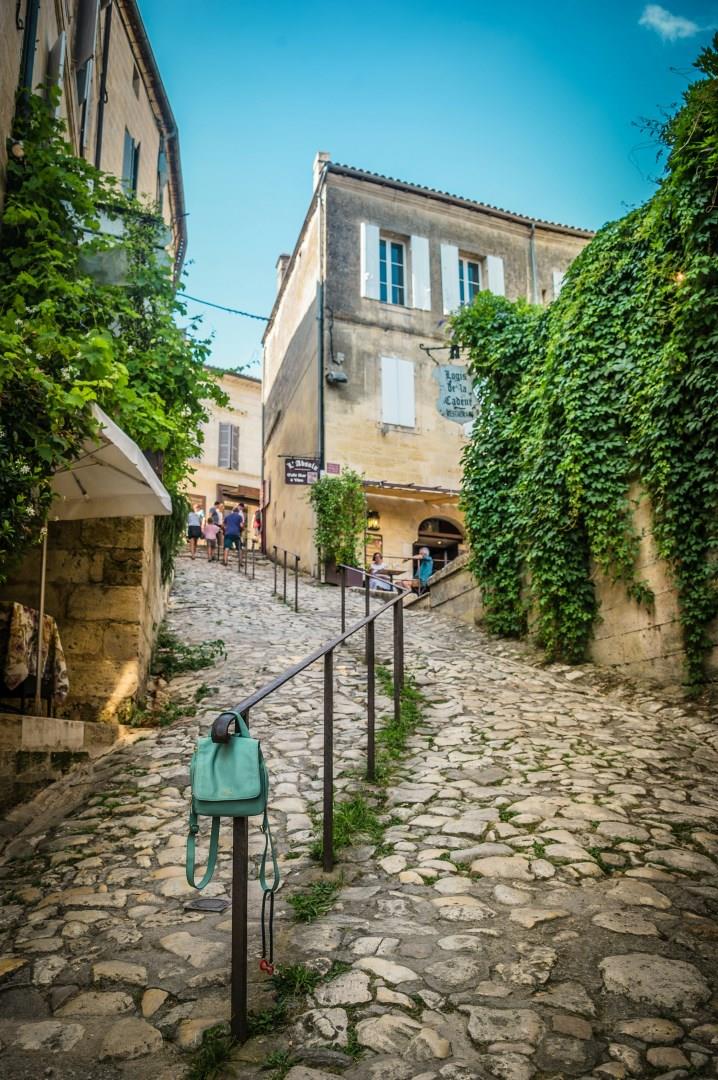
Saint-Émilion
Saint-Émilion, nestled in the heart of southwest France, is a living monument to centuries of craftsmanship, faith, and wine-making. Recognized as a UNESCO World Heritage Site since 1999, this medieval town sits on a limestone plateau surrounded by vineyards that date back to Roman times. Visitors can explore cobbled streets that wind past centuries-old stone houses, descend into underground catacombs carved by monks, and visit the astonishing Monolithic Church.

Grenada
You'll know why picturesque Grenada is known as the "spice island" when you notice the scent of nutmeg, vanilla and cocoa in the air. Grenada's waterfalls, lush rain forests, volcanic crater lake, tiny villages, cocoa, nutmeg and banana plantations, rum distilleries, scenic hiking trips, pristine coral reefs, and hidden-away unspoiled beaches all make Grenada one of the most popular ecotourism destinations for those who like to discover off-the-beaten-track natural beauty and charm.
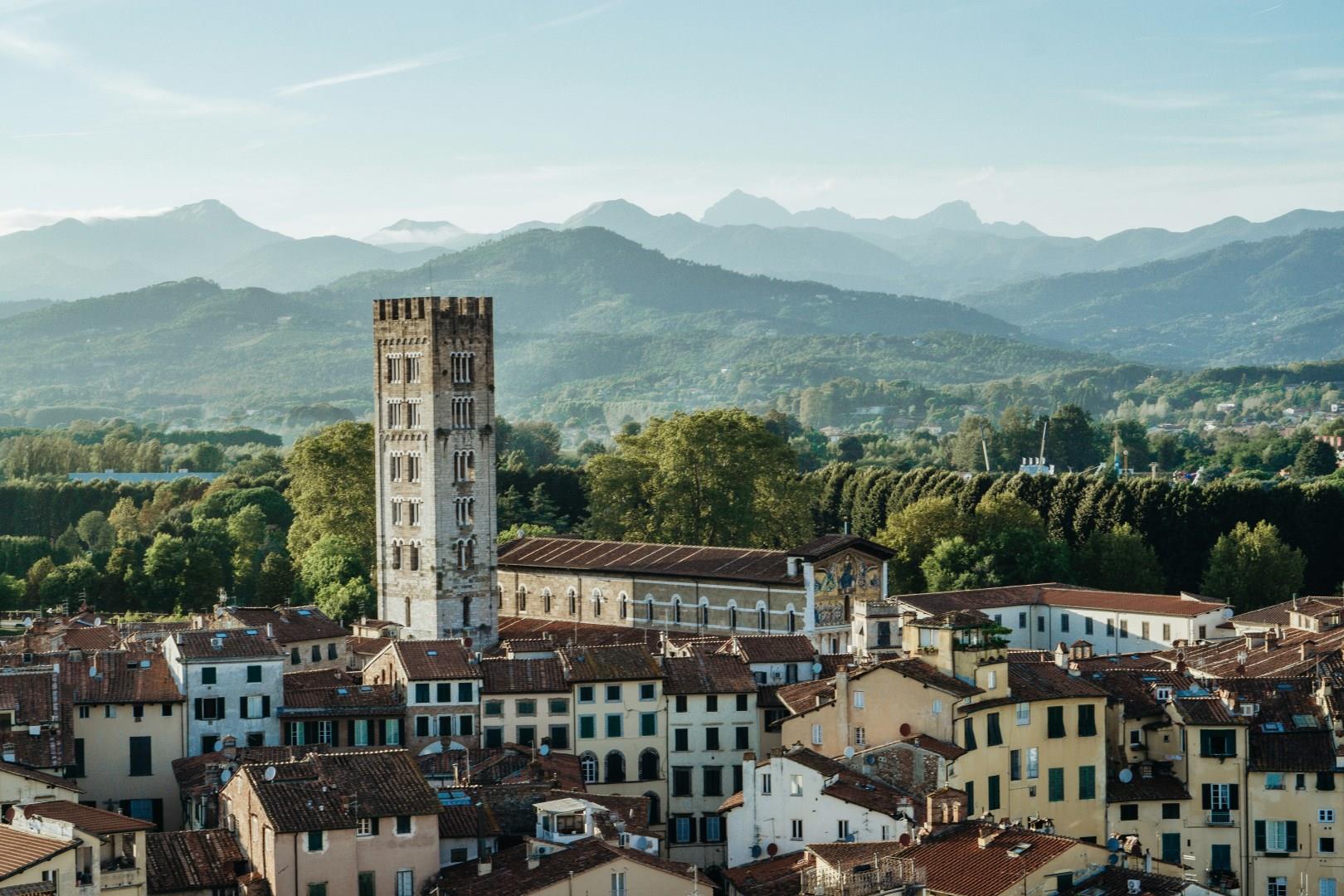
Lucca
Lucca, a Tuscan city surrounded by remarkably intact Renaissance walls, offers more than just postcard views. Known for its quiet streets and grand piazzas, Lucca stands apart with its circular street layout, still following the lines of a Roman amphitheater from centuries ago. The walls, now repurposed as a 4-kilometer tree-lined park, are a favorite route for locals and visitors who explore them on foot or by bike, passing old bastions and panoramic viewpoints along the way.

Zimbabwe
Zimbabwe, located in the heart of Southern Africa, is a country defined by dramatic landscapes and a rich cultural heritage. The country’s diverse geography includes sweeping savannas, lush national parks, and striking mountain ranges.
