
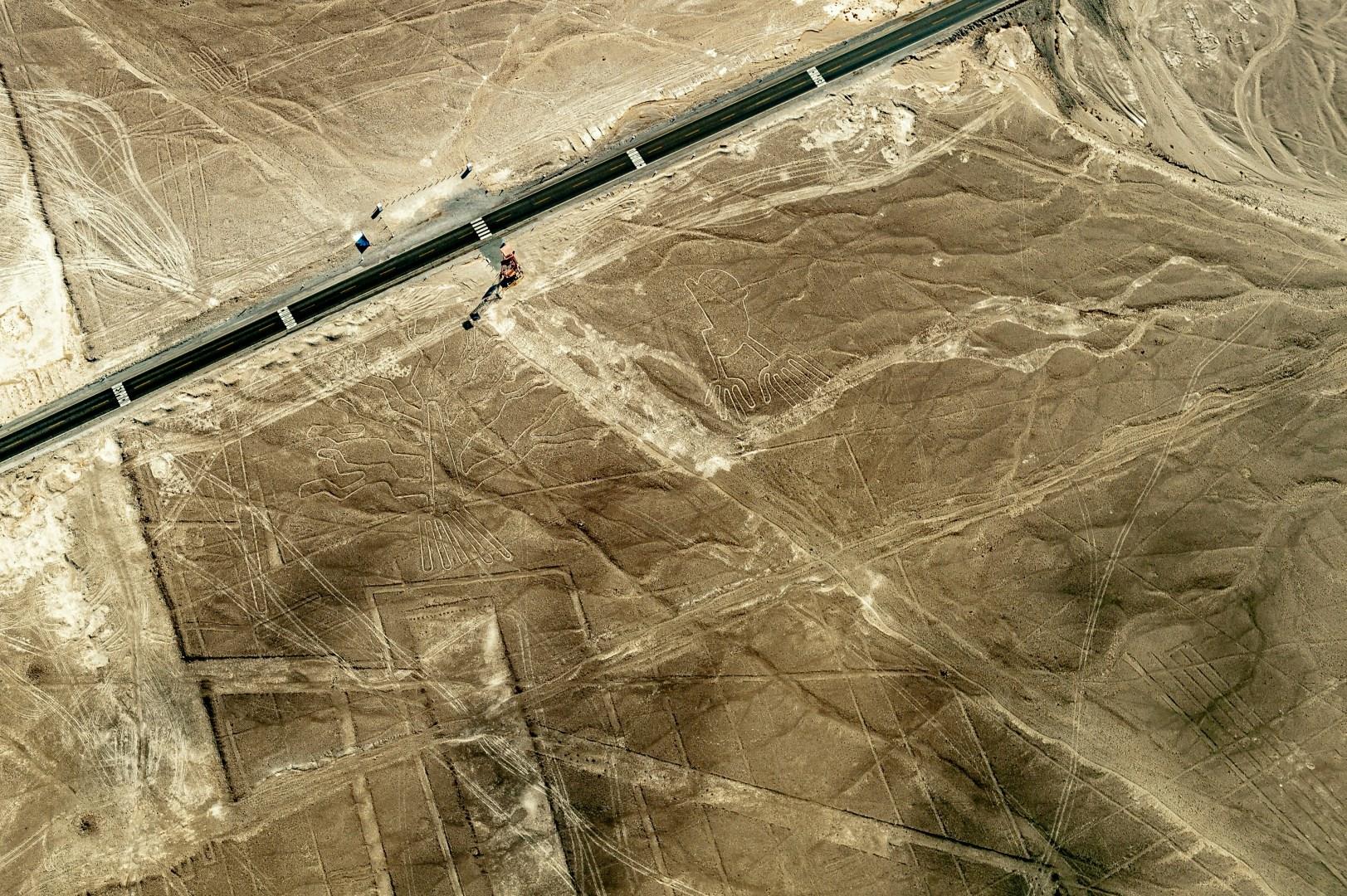
Nazca
In the southern deserts of Peru, Nazca invites visitors to look beyond the horizon. This small city is world-famous for the mysterious Nazca Lines, enormous geoglyphs etched into the desert floor more than 1,500 years ago. From the air, shapes like hummingbirds, monkeys, and even a stylized astronaut come into view, some stretching over 300 meters. Their exact purpose remains a mystery, fueling decades of theories.

Quebec
Quebec is a province where the old meets the new in the most exciting way, with each of its diverse cities offering a distinct experience for travelers. It is a melting pot of French and English heritage, and this duality can be seen in its art, music, and festivals.

Mannheim
This city, which started as a modest fishing village, now offers plenty of modern German charm. The extensive public transportation makes it a perfect home base for seeing nearby attractions such as Heidelberg. Mannheim is known for its many pretzel stands, so make sure you indulge in one of these delicious treats before you leave!

Manaus
Manaus, capital of Brazil’s Amazonas state, is a city that rises unexpectedly from the rainforest. Once the center of the global rubber boom in the late 1800s, Manaus still holds onto that legacy with surprising elegance. The Teatro Amazonas, an opulent opera house imported piece by piece from Europe, sits at the heart of the city, its pink façade and domed roof tiled in the colors of the Brazilian flag. Today, it hosts concerts, festivals, and curious visitors eager to step back in time.

Etosha National Park
Etosha National Park, located in northern Namibia, is one of Africa’s most renowned wildlife destinations. Covering nearly 8,500 square miles, it is centered around the Etosha Pan, a massive salt flat that can be seen from space. During the dry season, animals gather around waterholes, creating spectacular wildlife viewing opportunities that attract visitors from around the world.
