
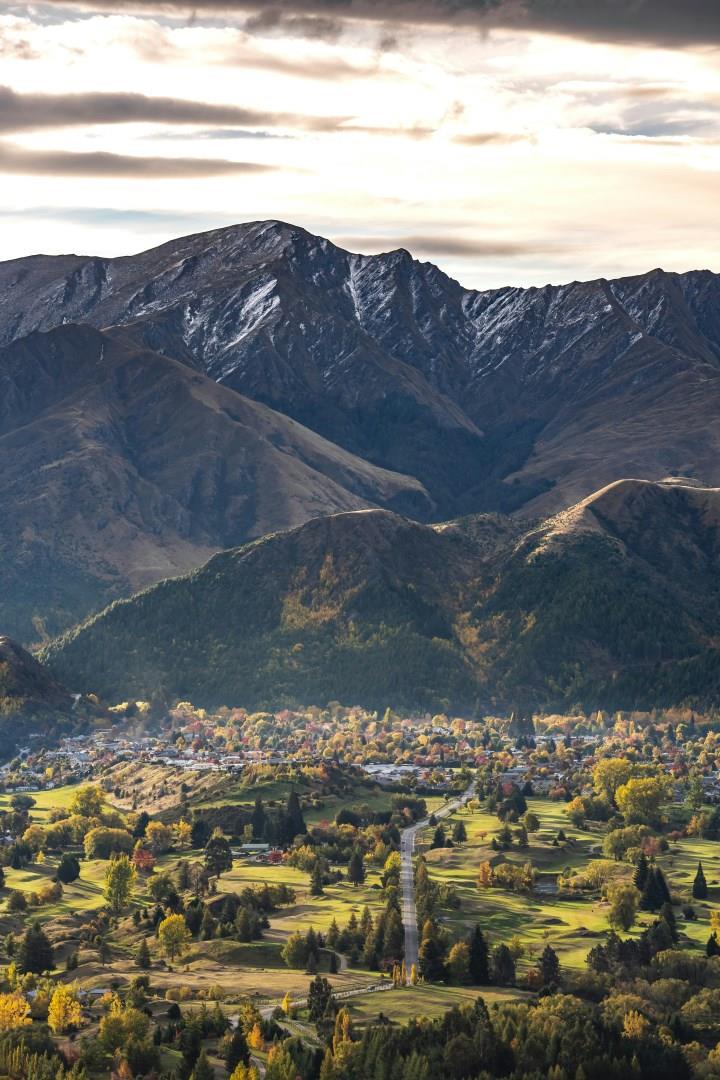
Arrowtown
Arrowtown, New Zealand, is a quaint town steeped in gold rush history, nestled along the Arrow River in the Otago region. The town’s heritage buildings, many carefully preserved from the 19th century, offer a glimpse into its past as a thriving mining settlement.

Pula
Pula, a historic city located on the Istrian Peninsula in Croatia, is renowned for its impressive Roman heritage and vibrant cultural scene. The city's centerpiece is the Pula Arena, one of the best-preserved Roman amphitheaters in the world. This monumental structure, built in the 1st century AD, offers visitors a glimpse into ancient spectacles and gladiatorial contests. Today, it hosts various events, including concerts and film festivals.
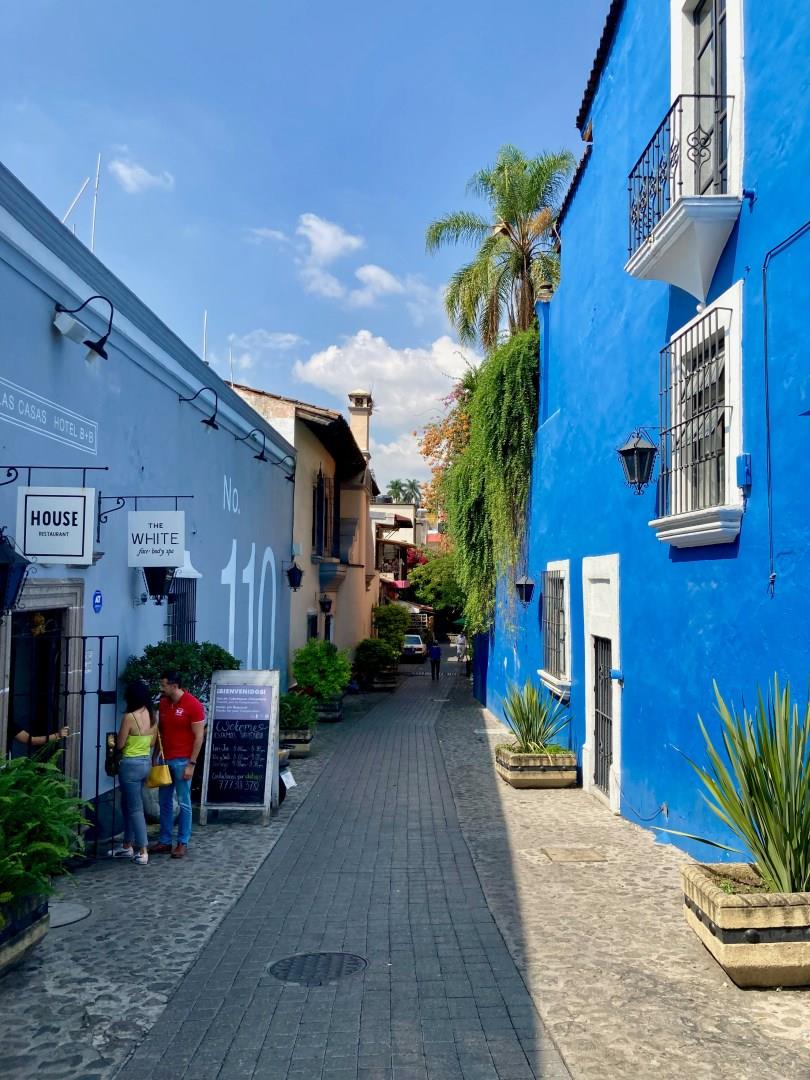
Cuernavaca
Cuernavaca, often called the “City of Eternal Spring,” has long been a retreat for those seeking warm weather and relaxing surroundings just 90 minutes from Mexico City. With a history that stretches back to the Aztec empire, the city is layered with centuries of cultural change. The historic center of Cuernavaca combines architecture from multiple eras, with narrow streets leading to quiet plazas and colonial churches.
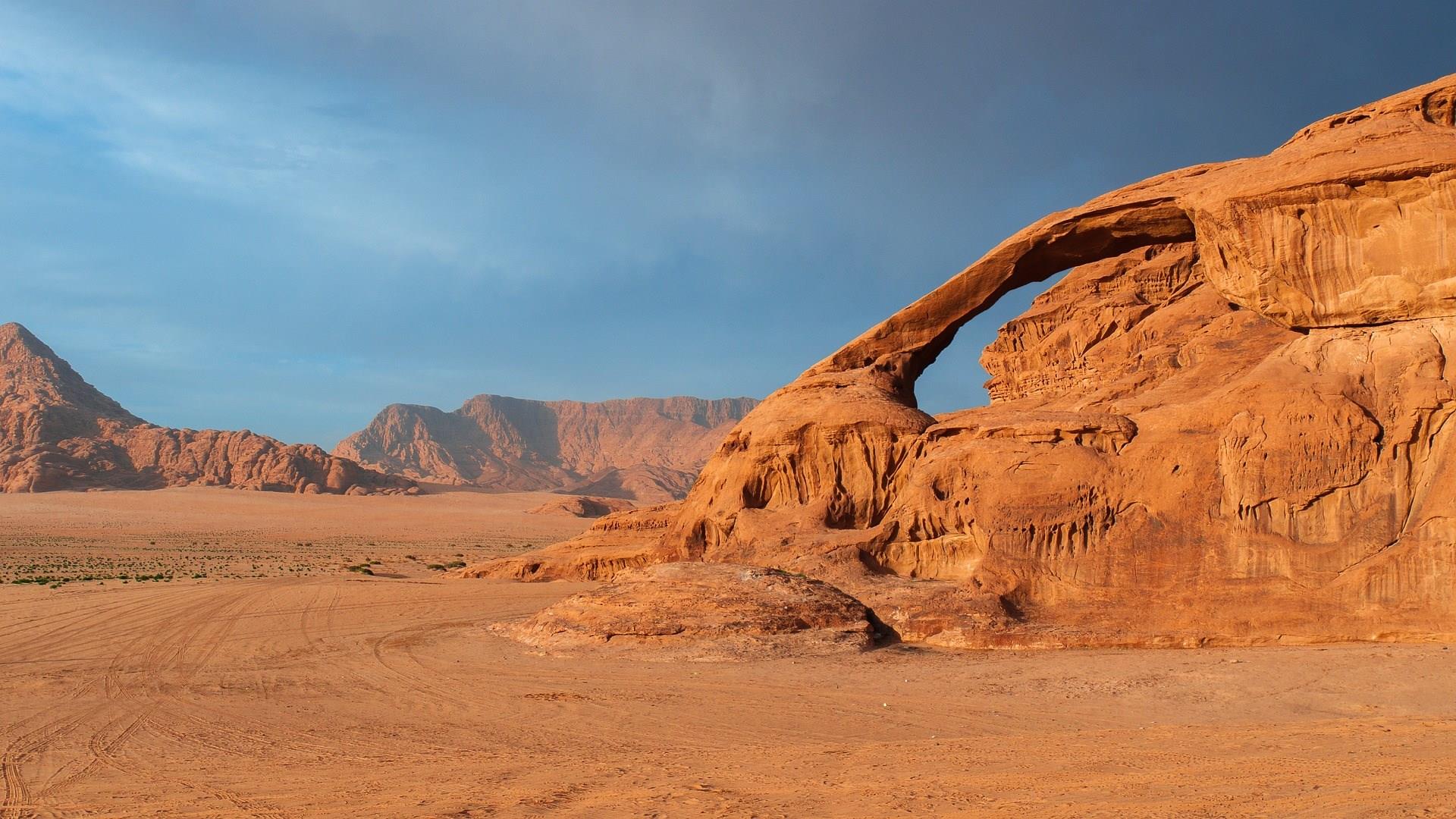
Wadi Rum
Wadi Rum, often called the “Valley of the Moon,” is a desert landscape in southern Jordan renowned for its dramatic sandstone mountains, sweeping red sand dunes, and ancient history carved into the rock. Its vast, otherworldly scenery has made it both a UNESCO World Heritage Site and a backdrop for films set on distant planets.

Jurassic Coast
The Jurassic Coast, a UNESCO World Heritage Site, is a breathtaking stretch of England’s southern coastline that spans 95 miles from Exmouth in Devon to Studland Bay in Dorset. It is renowned for its dramatic cliffs, stunning beaches, and incredible geological history, offering visitors the chance to explore 185 million years of Earth’s evolution.
