
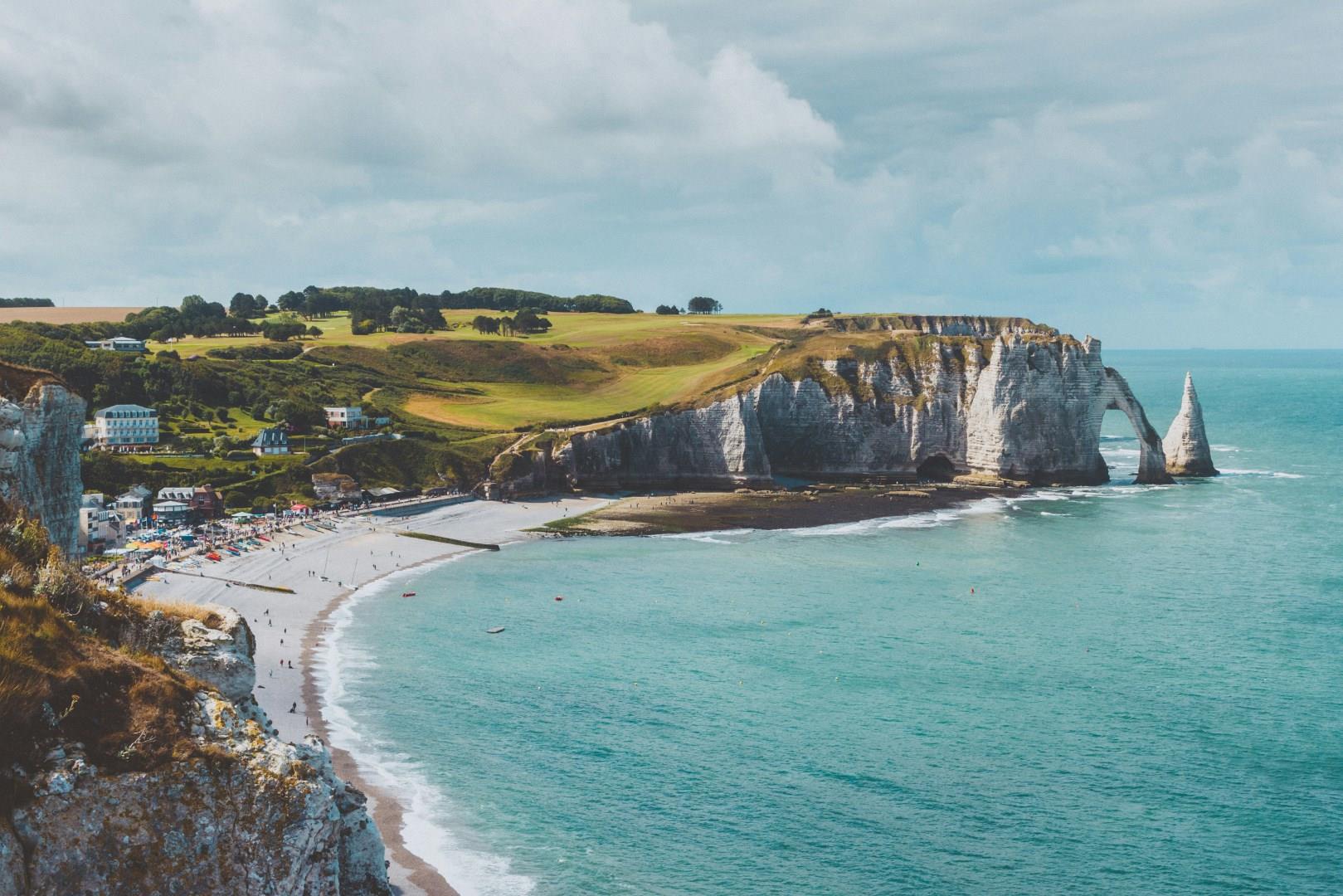
Étretat
Étretat, a small coastal town in Normandy, France, is celebrated for its dramatic white chalk cliffs and natural rock arches that rise strikingly above the English Channel.

Chile
Stretching over 4,200 kilometers along the southwestern coast of South America, Chile is a country of dramatic contrasts and hidden surprises. From the world’s driest desert in the north to the icy fjords of Patagonia in the south, Chile offers a landscape that constantly reinvents itself. Visitors can walk through the Atacama Desert, where NASA tests Mars rovers, or gaze at the clearest night skies on Earth from the high-altitude observatories near San Pedro de Atacama.
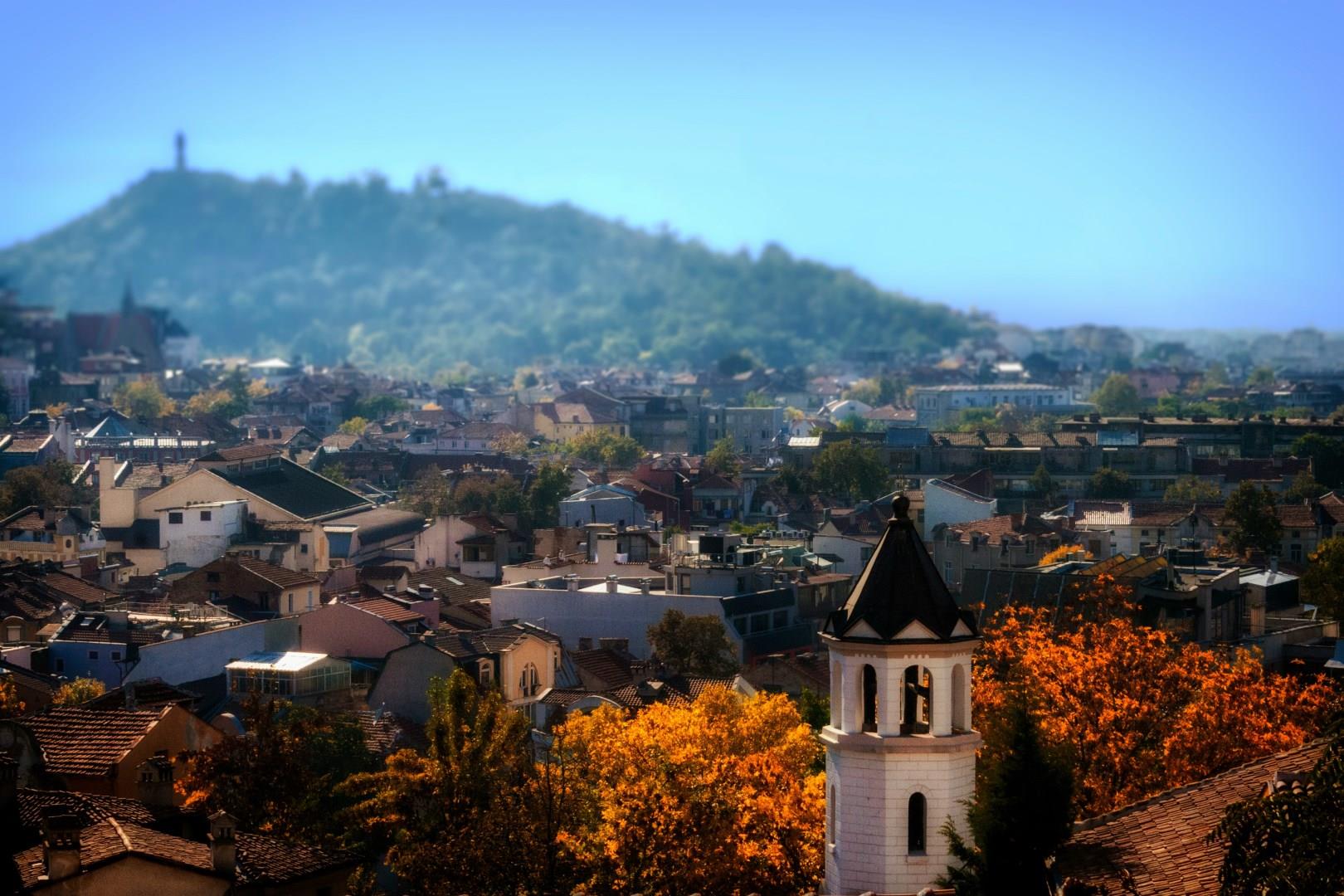
Plovdiv
Plovdiv, one of the oldest continuously inhabited cities in Europe, carries over 8,000 years of history layered into its streets. The Roman Theater, still in use today, was discovered by accident in the 1970s and now hosts operas and concerts overlooking the Rhodope Mountains. Nearby, visitors can walk the remains of a Roman stadium buried beneath the main pedestrian street, where modern shops and cafés stand above ancient foundations.

Hydra
An island of international renown, Hydra is one of the first islands to have been discovered by tourism and, due to the short distance from Athens, has for years hosted a large number of tourists.

Alice Springs
Alice Springs, located in the heart of Australia’s Red Centre, is a town deeply connected to the desert landscapes and Aboriginal culture that define the region. Long an important meeting place for the Arrernte people, it remains a center of Indigenous art and traditions, with galleries and cultural institutions showcasing some of the world’s most renowned Aboriginal artworks and stories.
