
Lusaka
Lusaka, the capital of Zambia, is a city that blends modern energy with authentic African culture. As the country’s largest urban center, it serves as the gateway for travelers exploring Zambia’s natural wonders while also offering its own dynamic experiences.

Grand Canyon
Stretching 277 miles in length and more than a mile deep, this vast canyon reveals layers of geologic time stacked like pages in a book. Standing on the South Rim, visitors can look out over colorful cliffs and winding trails that have drawn explorers, artists, and travelers for generations. The views change with the light starting with crimson at sunrise, golden at sunset, and every hue in between.

Glastonbury
Glastonbury, a town in Somerset, England, is steeped in mysticism and historical allure. Known for its rich Arthurian legends and spiritual significance, Glastonbury is a must-visit for those fascinated by mythology and history. The town’s centerpiece is the majestic Glastonbury Abbey, a grand ruin once one of the most powerful monasteries in England. Founded in the 7th century, the Abbey is famously linked to the legend of King Arthur and his supposed final resting place.
Pamplona
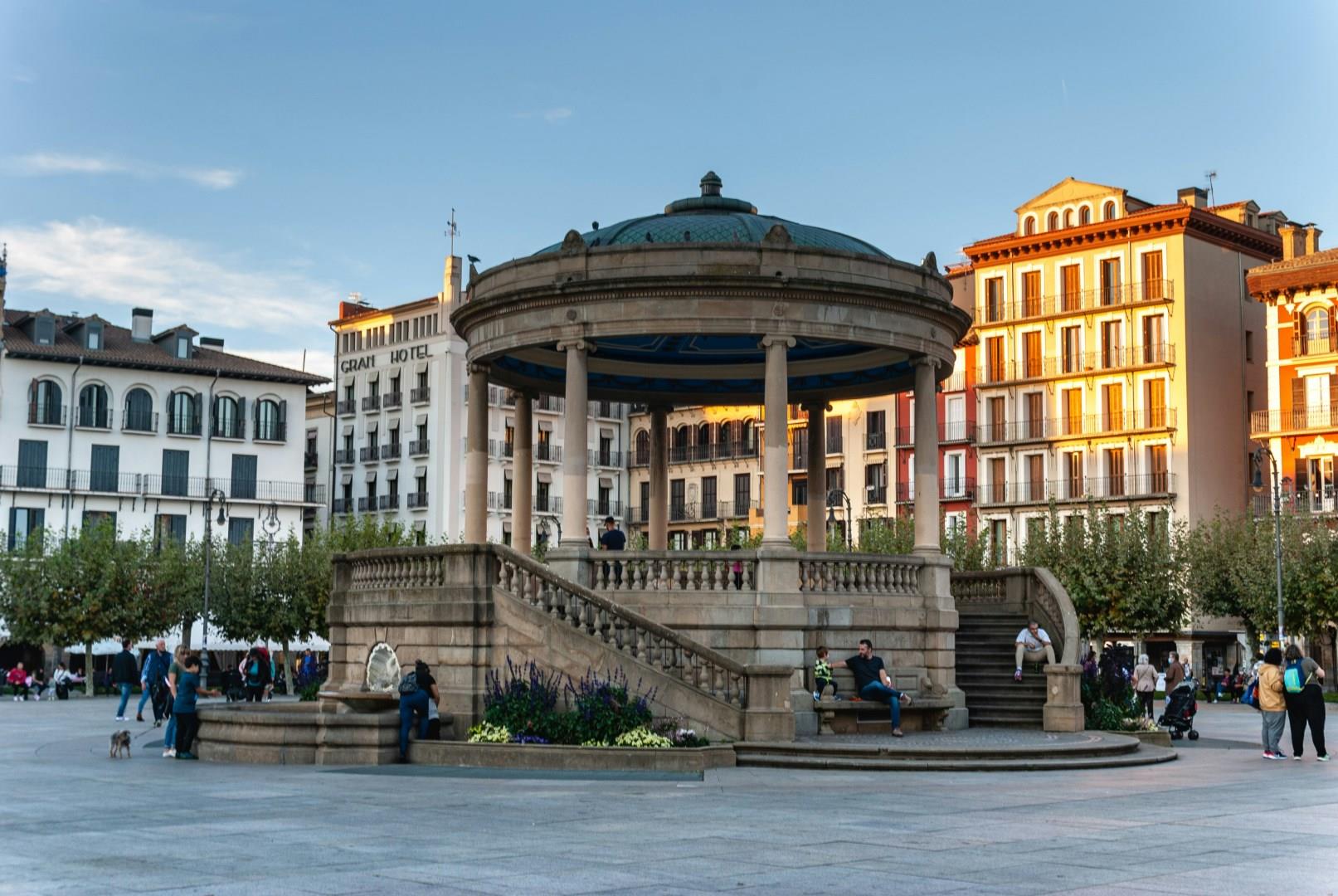
Pamplona, the capital of Spain’s Navarre region, is best known worldwide for the Running of the Bulls during the San Fermín festival each July. But beyond the brief rush of that event lies a city steeped in medieval history, Basque influence, and a slower pace that surprises many visitors. One of the most significant aspects of Pamplona is its place on the Camino de Santiago, the ancient pilgrimage route to Santiago de Compostela.
Albion
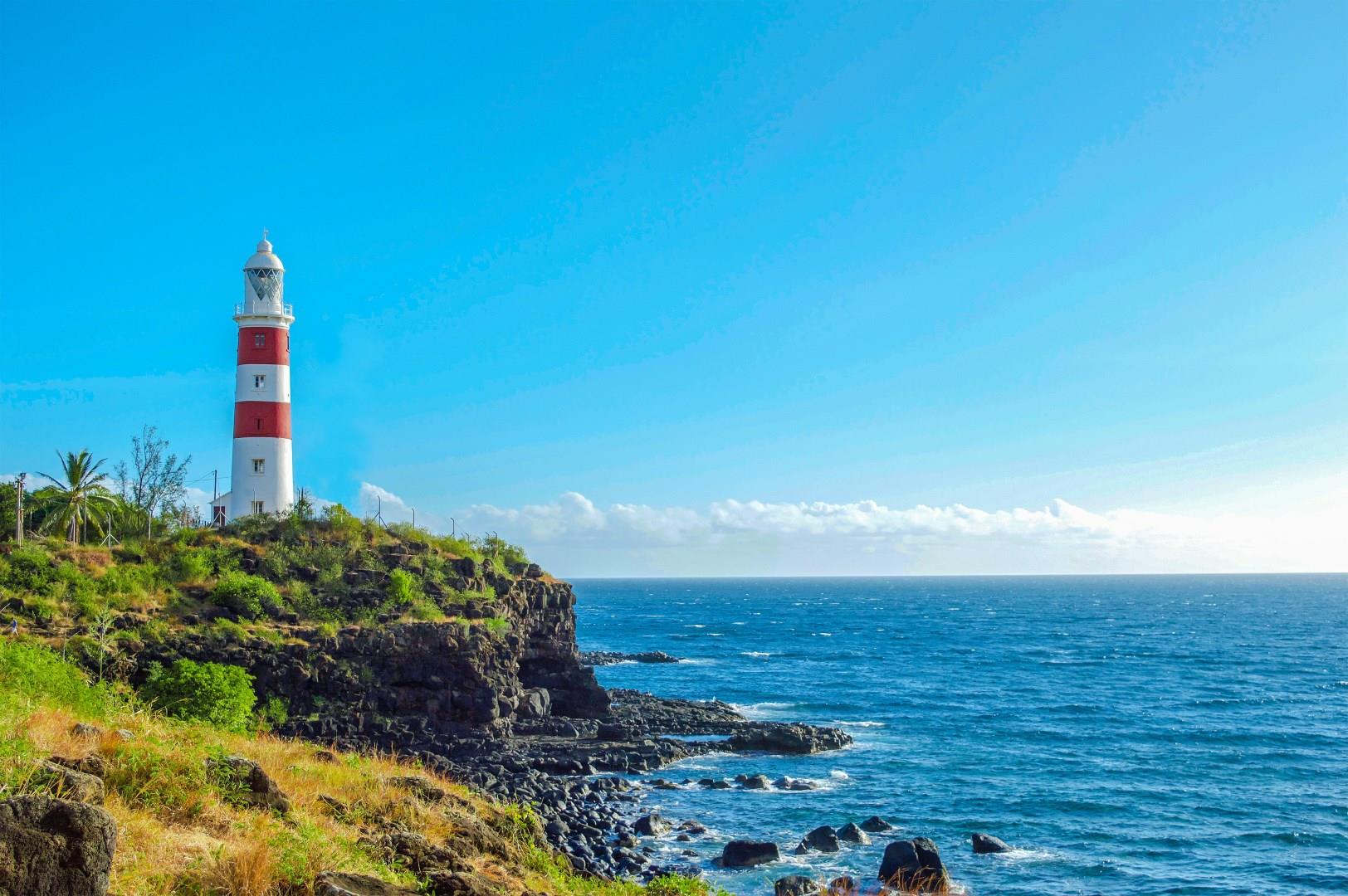
Albion, a small coastal town on the west coast of Mauritius, is known for its peaceful atmosphere and scenic setting by the Indian Ocean. Unlike some of the island’s more crowded resort areas, Albion offers a quieter escape while still showcasing the natural beauty that makes Mauritius a favorite destination.
