

Dominica
Dominica, known as the “Nature Island of the Caribbean,” is a haven for eco-tourists and adventure seekers. Nestled between the French islands of Guadeloupe and Martinique, this lush island boasts a remarkable landscape of volcanic mountains, dense rainforests, and stunning waterfalls. Dominica’s most iconic natural wonder is the Boiling Lake, the second-largest hot spring in the world.
Chikmagalur
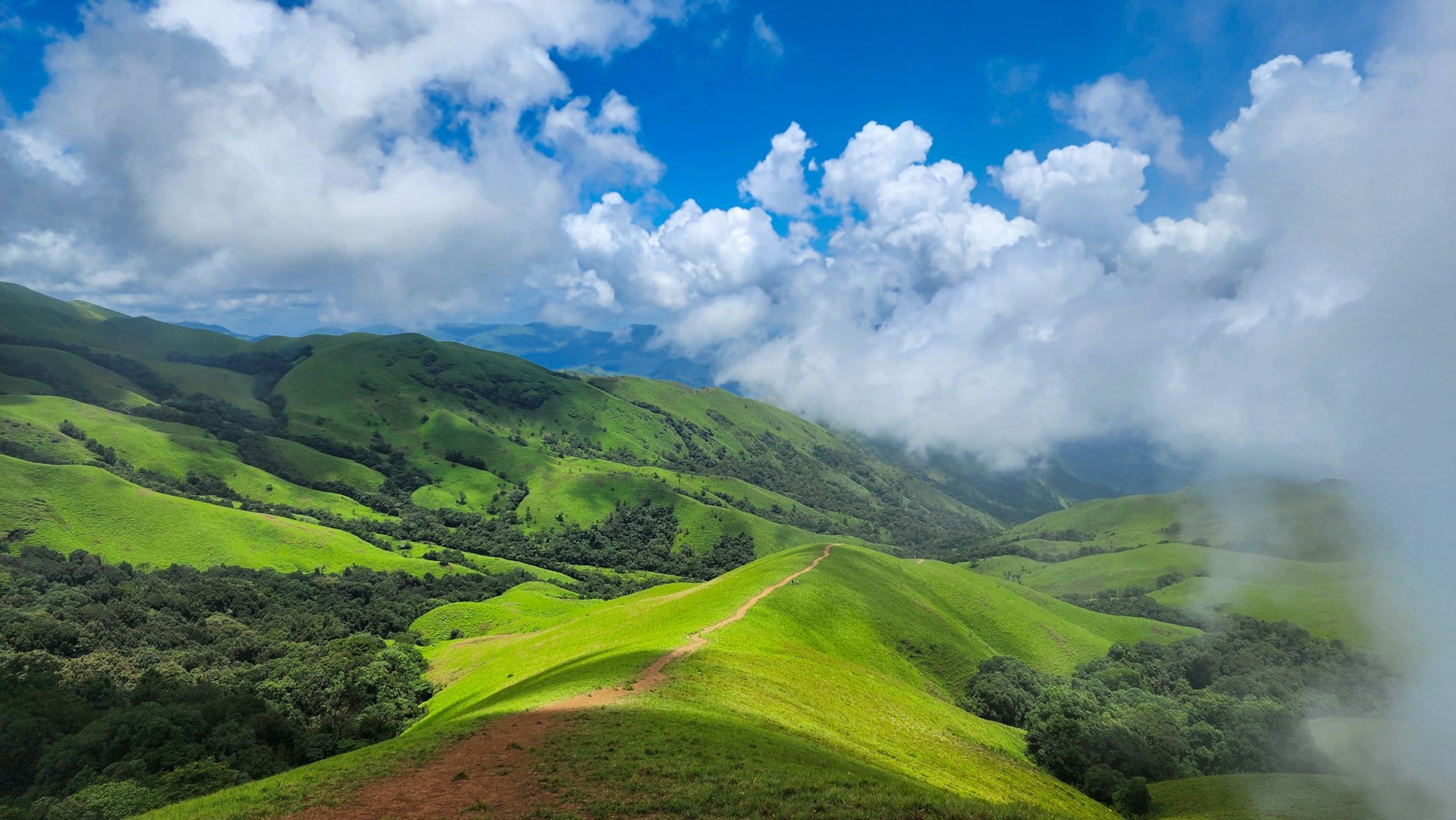
Chikmagalur is a hill town in Karnataka’s Malnad region, surrounded by the Western Ghats and known for coffee plantations, forested slopes, and mountain landscapes. The town sits at the center of a coffee-growing district where estates cover the hills around the Bhadra River basin. Chikmagalur’s setting combines plantation country with nearby peaks, streams, and dense forests, making it a base for exploring the western Karnataka highlands.
Mossel Bay
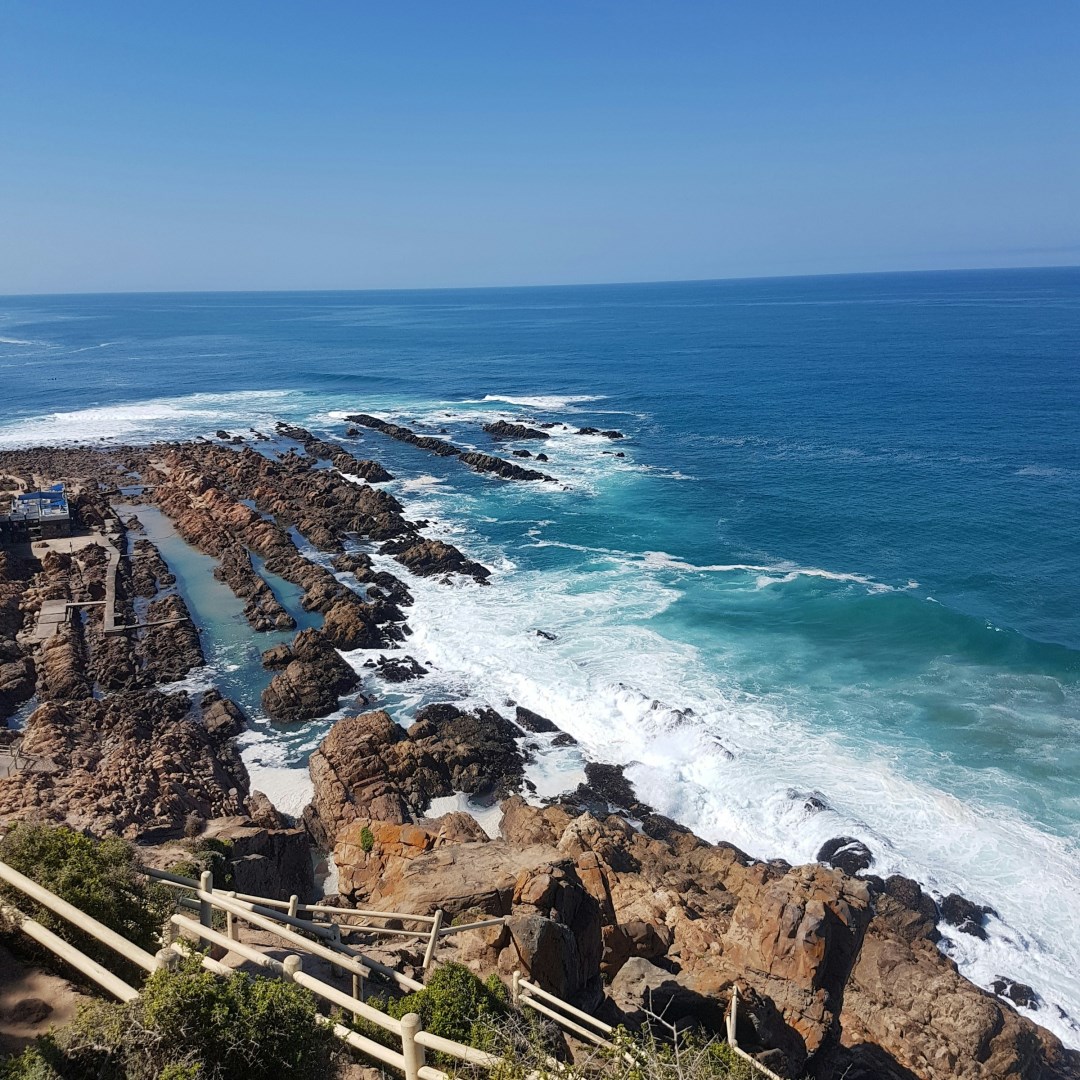
Halfway between Cape Town and Port Elizabeth in the heart of the famous Garden Route, nestles the seaside town of Mossel Bay. A bustling holiday resort in summer and the ideal retreat in winter, it is situated on a spectacular sunwashed peninsula embraced by the warm Indian Ocean. Also called the "Karoo-by-the-Sea town", Mossel Bay features in the Guiness Book of Records as having the mildest all-year climate in the world, second only to Hawaii.
Dry Tortugas National Park
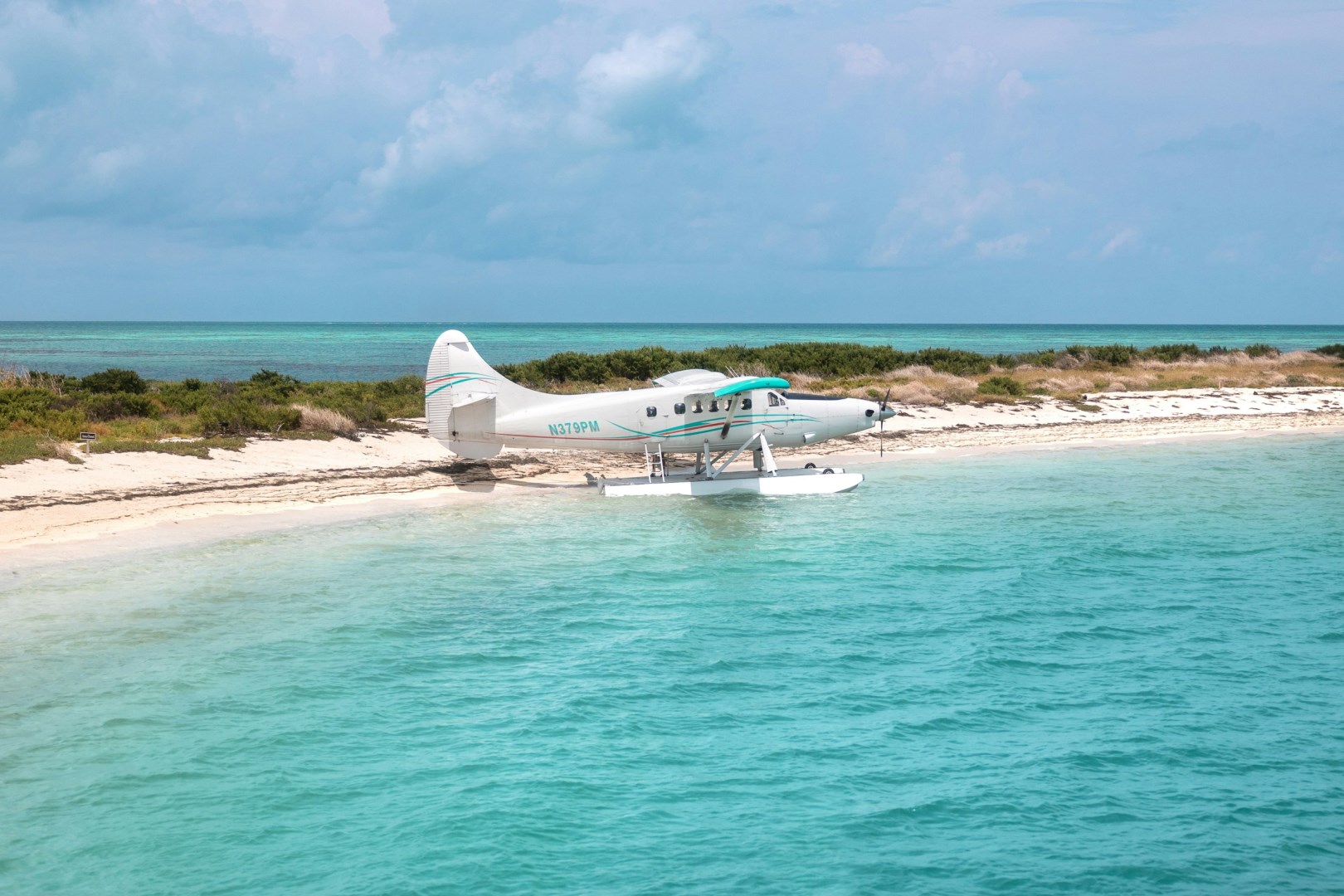
Dry Tortugas National Park is a remote island and marine park in the Florida Keys, located nearly 70 miles west of Key West. The park consists of seven small islands surrounded by shallow waters, coral reefs, seagrass beds, and open ocean. More than 99 percent of the park is water, making its marine environment as important as its land area. Garden Key is the main visitor destination and contains historic Fort Jefferson, while Loggerhead Key, the largest island, is known for its lighthouse and p
Oia
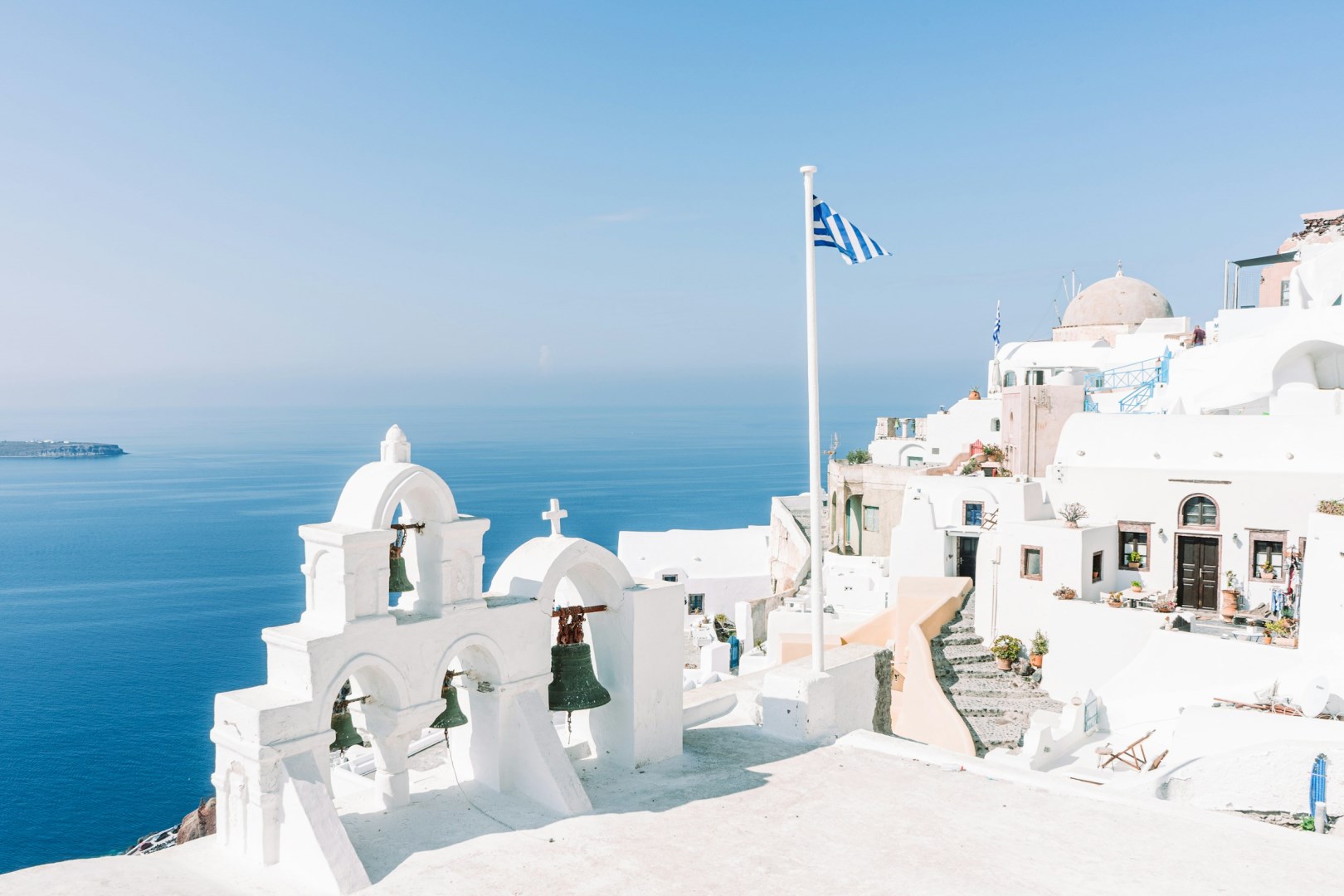
Oia is a historic village on the northern tip of Santorini, built along the steep rim of the island’s volcanic caldera. Its whitewashed houses, cave dwellings, blue-domed churches, and narrow pedestrian lanes follow the contours of the cliffs above the Aegean Sea. The village developed a strong maritime identity through its captains’ houses and seafaring families, many of which are preserved among its traditional buildings.
