
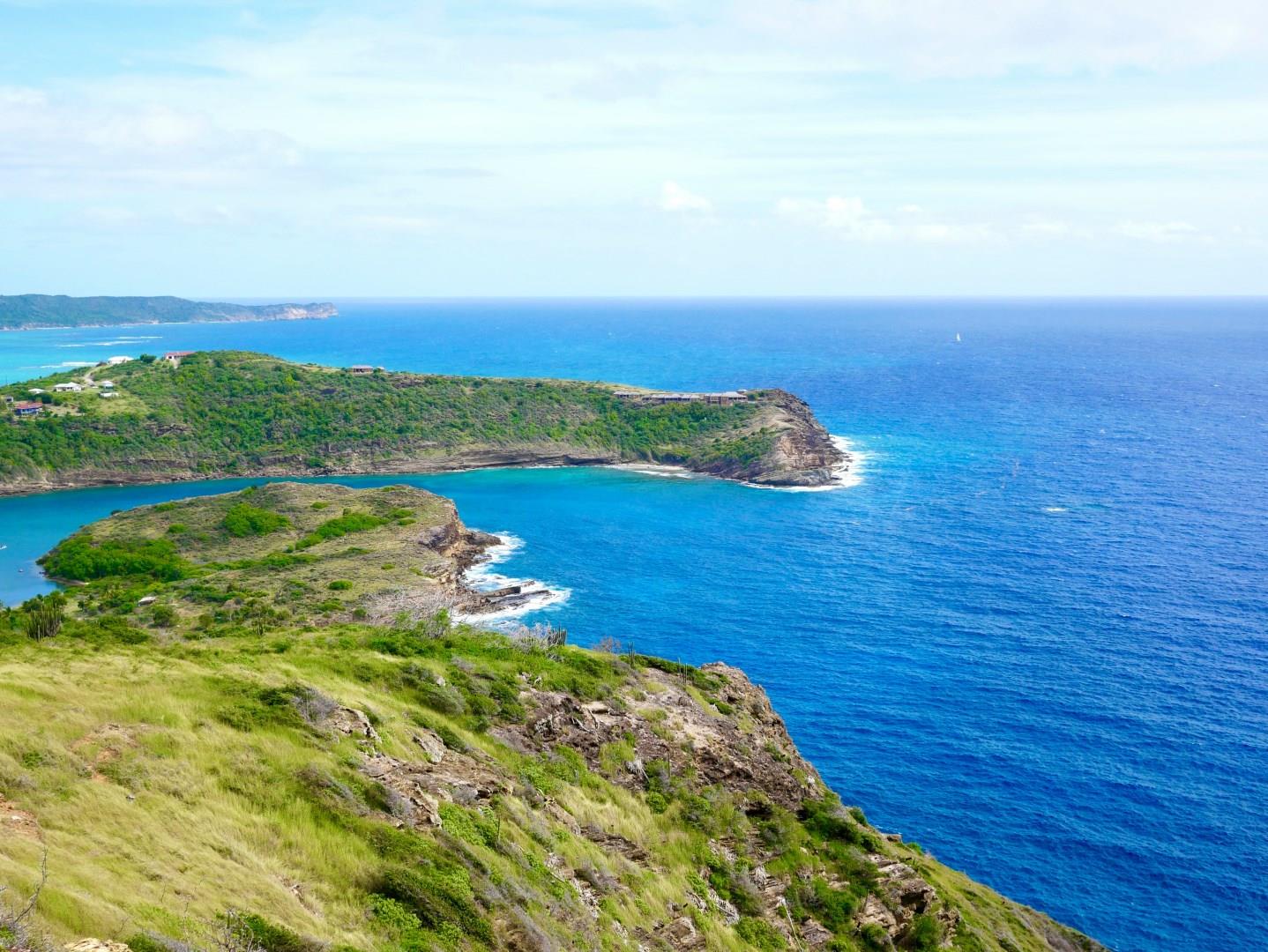
Shirley Heights
Shirley Heights, perched high above English Harbour on Antigua’s southern coast, is one of the island’s most iconic viewpoints. Once a military lookout and signal station during the 18th century, it played a key role in guarding the British naval base at Nelson’s Dockyard.
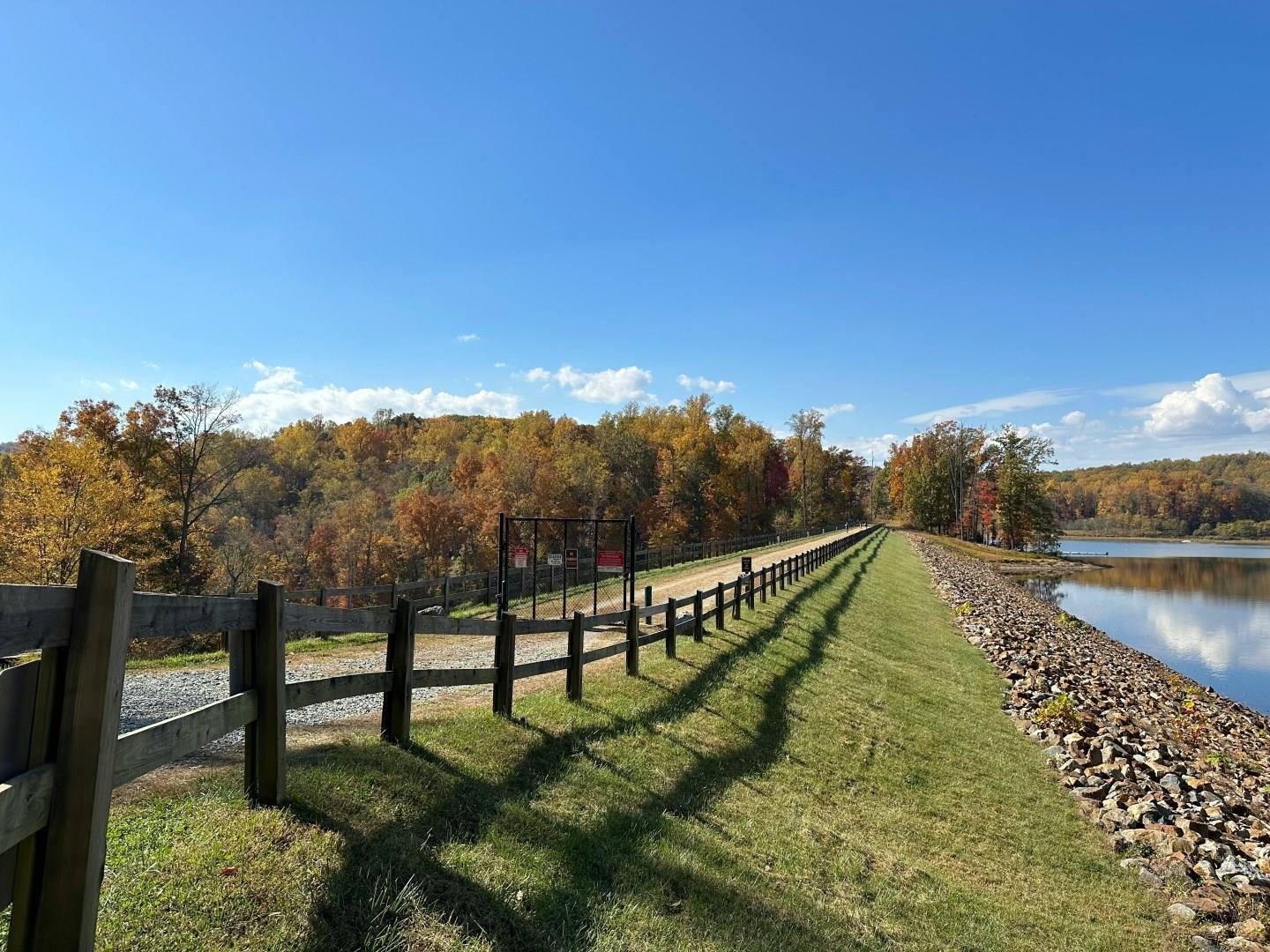
Charlottesville
Charlottesville, Virginia is a small city with deep roots and a lively sense of place. It's home to the University of Virginia, founded by Thomas Jefferson in 1819 and now recognized as a UNESCO World Heritage Site alongside Jefferson’s Monticello estate. Both sites are working institutions where architecture, education, and ongoing dialogue shape how visitors experience the past.

Lyttelton
Lyttelton is the largest settlement on Lyttelton Harbour, an inlet on the northwestern side of Banks Peninsula, and provides a frequent landing spot to those who are Christchurch bound.
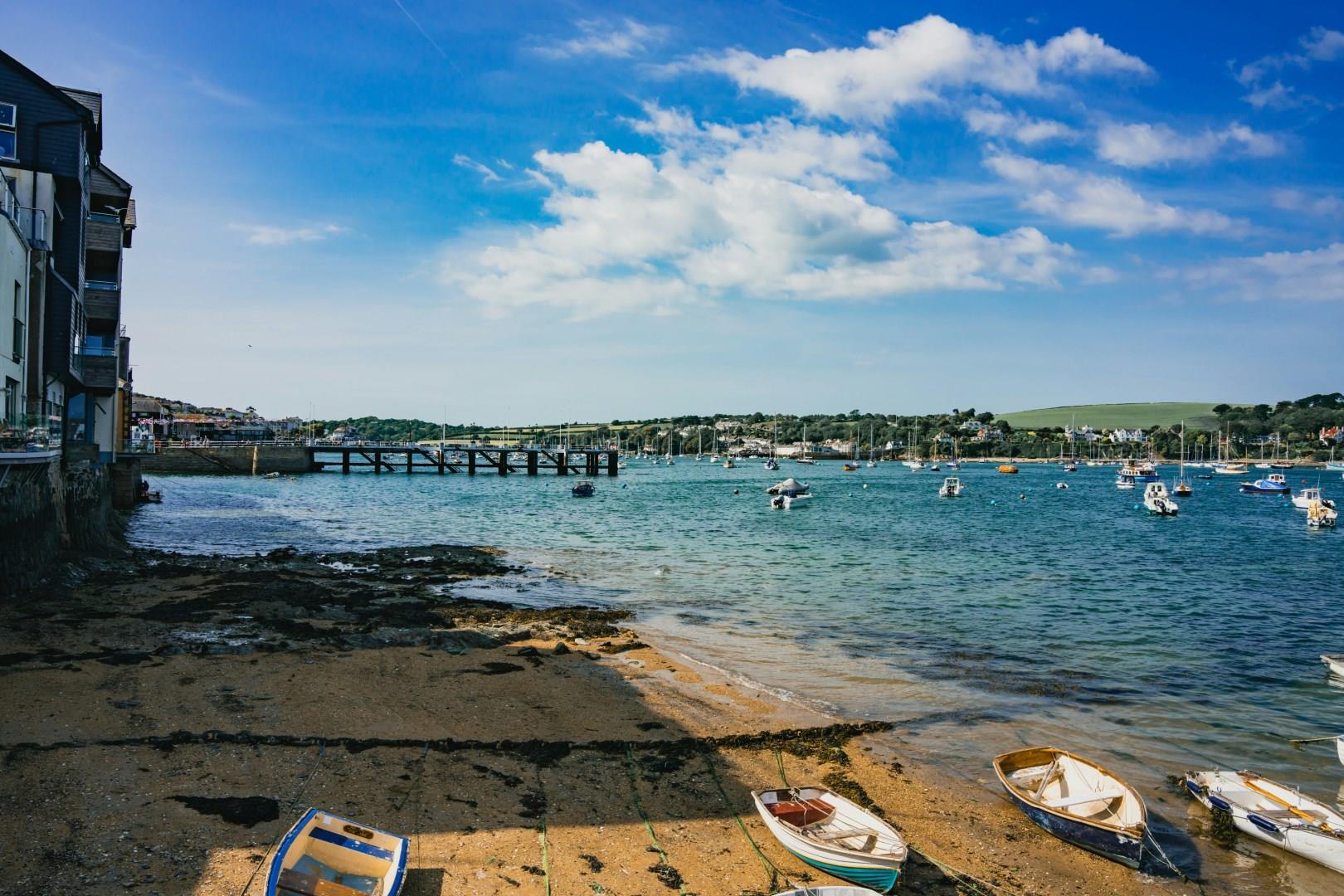
Falmouth
Falmouth, on Cornwall’s south coast, grew around one of the world’s largest natural harbors, a feature that has shaped its maritime identity for centuries. The town expanded during the age of sail, serving as a key port for packet ships, and landmarks like Pendennis Castle still anchor Falmouth firmly in its naval past.

Greenock
Greenock, located on Scotland’s scenic west coast, is a town steeped in maritime and industrial history, with its historic waterfront and Victorian architecture offering a glimpse into its prosperous past. Once a shipbuilding powerhouse, the town’s legacy is visible in landmarks like James Watt Dock and the Old West Kirk, while the nearby Greenock Cut offers a peaceful escape for walking and cycling, framed by stunning views of rolling hills and the River Clyde.
