

Xi'an
Xi’an, located in central China’s Shaanxi Province, served as the starting point of the ancient Silk Road and was the capital of 13 imperial dynasties. Its long history is most famously represented by the Terracotta Army, an underground army of life-sized warriors discovered in 1974. Each figure has distinct facial features, hairstyles, and armor, designed to protect Emperor Qin Shi Huang in the afterlife.

Kinderdijk
Replete with windmills and old-world charm, the village of Kinderdijk lies east of Rotterdam on the Lek River and is a popular stop for European river cruises. Home to the largest concentration of old windmills in the Netherlands, Kinderdijk was designated a UNESCO World Heritage Site in 1997.

Kings Wharf
King's Wharf is the largest and most active port in Bermuda, with a high volume of cruise ship and ferry traffic. Shopping, restaurants and museums are close by.
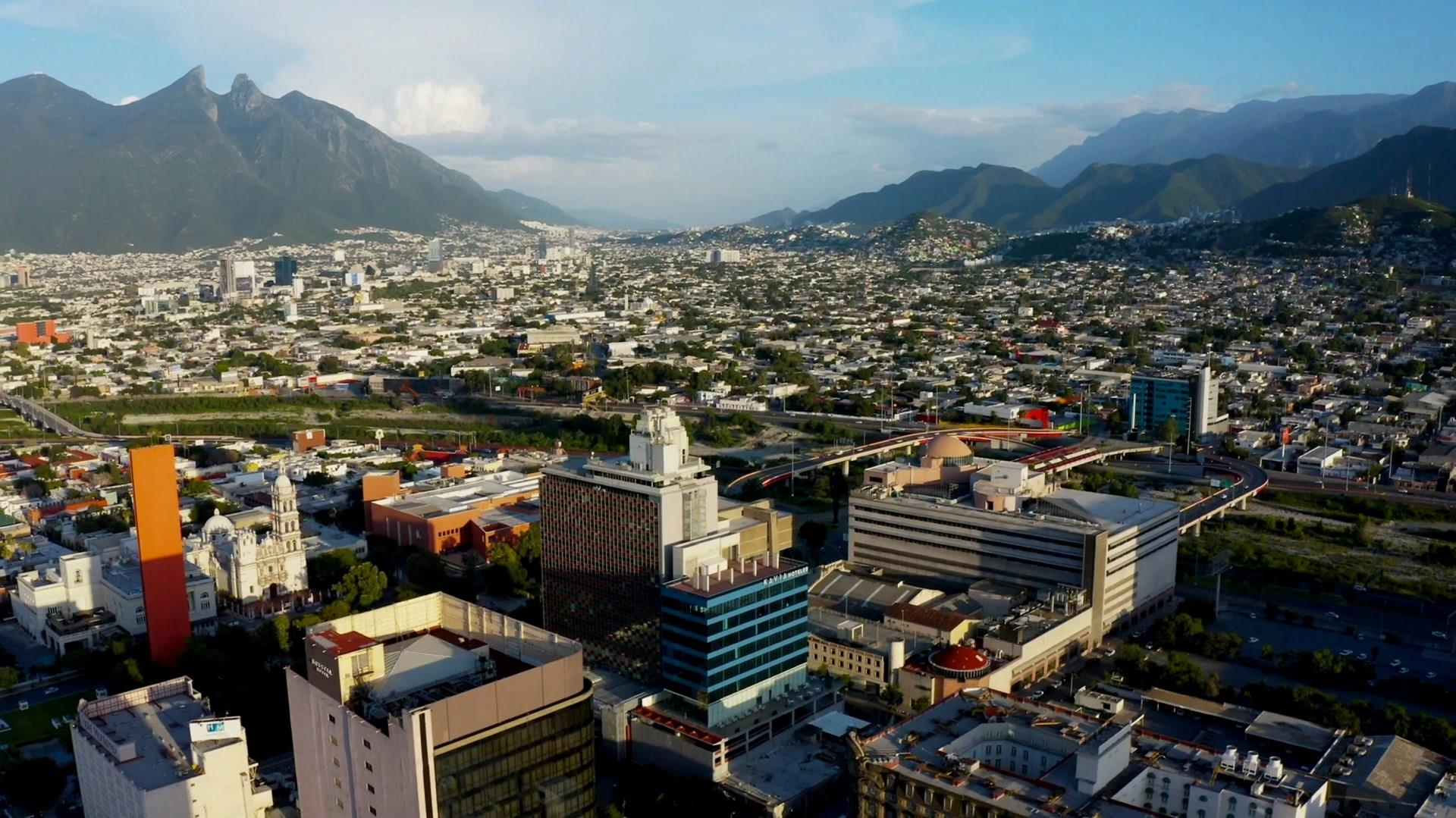
Monterrey
Monterrey, the capital of Nuevo León, stands at the foot of the Sierra Madre Oriental and has long been recognized as one of Mexico’s most industrial and innovative cities. The Macroplaza is one of the largest public squares in Latin America and links historic buildings like the 18th-century Metropolitan Cathedral with newer sites like the Museo de Historia Mexicana and the Faro del Comercio, a towering orange structure that beams a green laser across the sky each night.
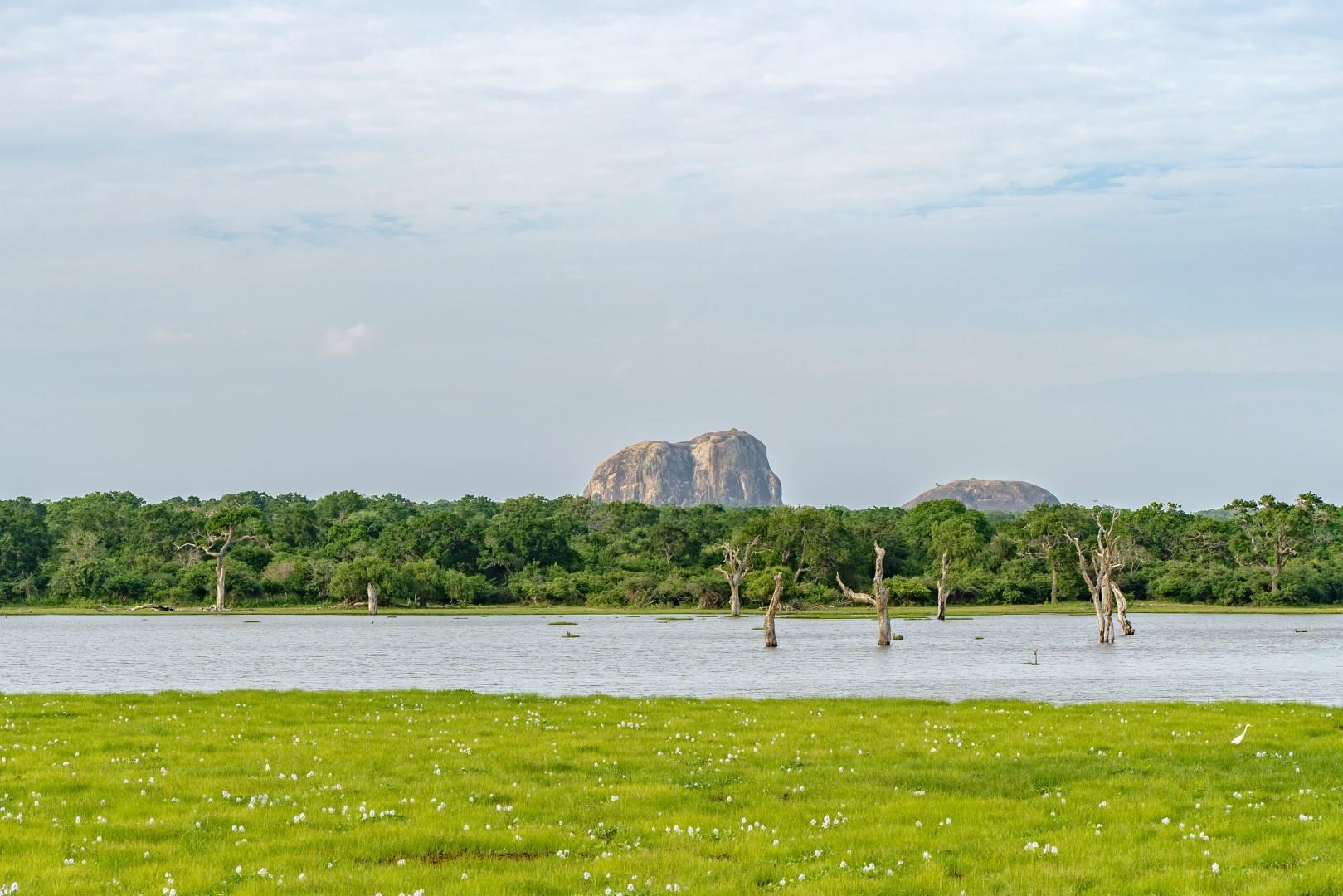
Yala National Park
Yala National Park sprawls across Sri Lanka’s southeast, where dry plains meet lagoons and the Indian Ocean’s shoreline. It is one of the country’s oldest protected areas, first set aside as a wildlife reserve in 1900 and later declared a national park in 1938, and today invites travelers to see life thrive in a wide range of landscapes, from scrubland to sandy beaches.
