
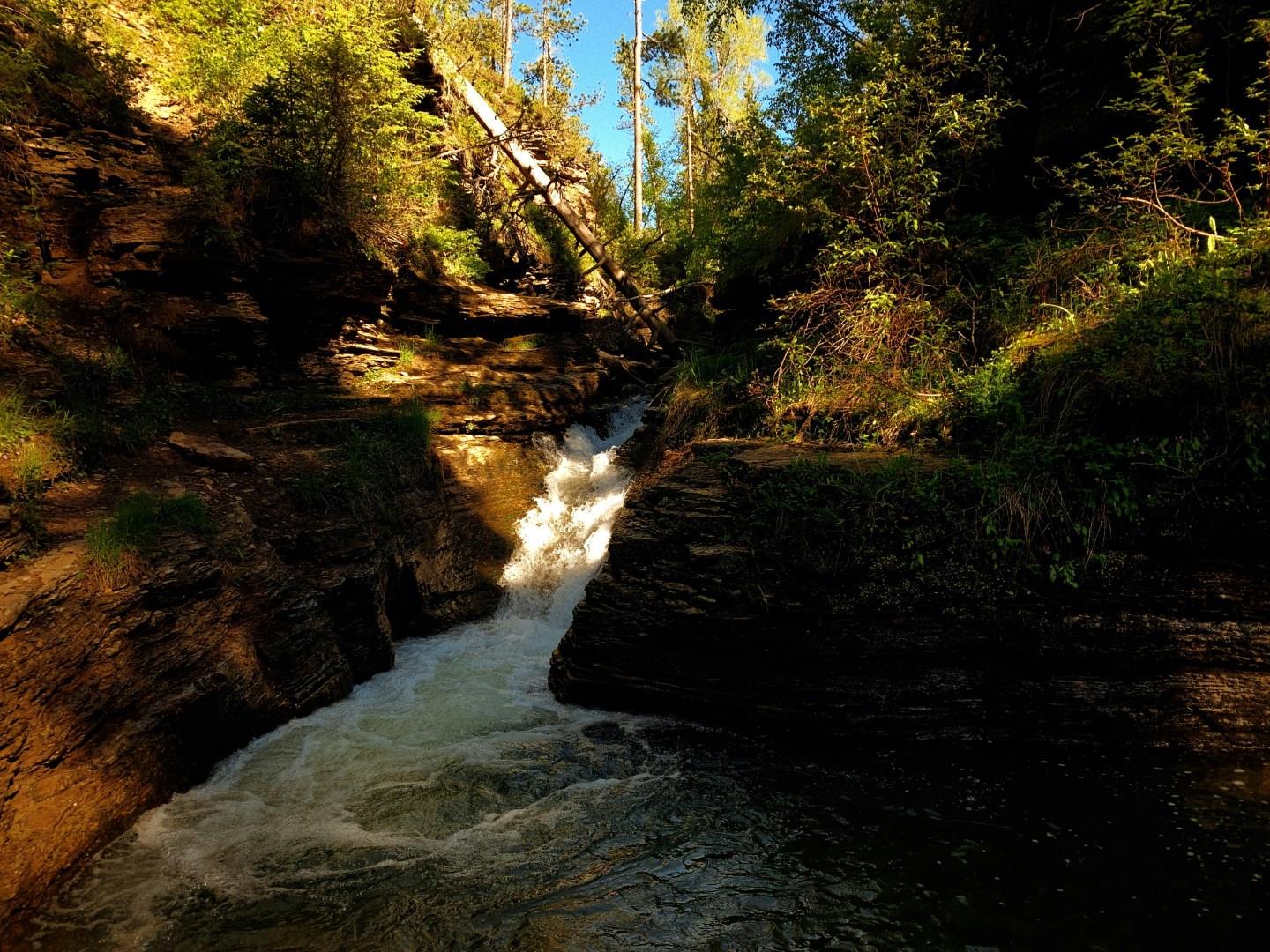
Lead
Lead’s Main Street reflects its long history with places that invite people to explore local life beyond mining. The Black Hills Mining Museum offers displays of mining tools, machinery and a simulated underground mine experience that brings to life how miners worked the Black Hills over generations. Along the same street, galleries, cafés and historic buildings make for pleasant stops between deeper dives into the past.
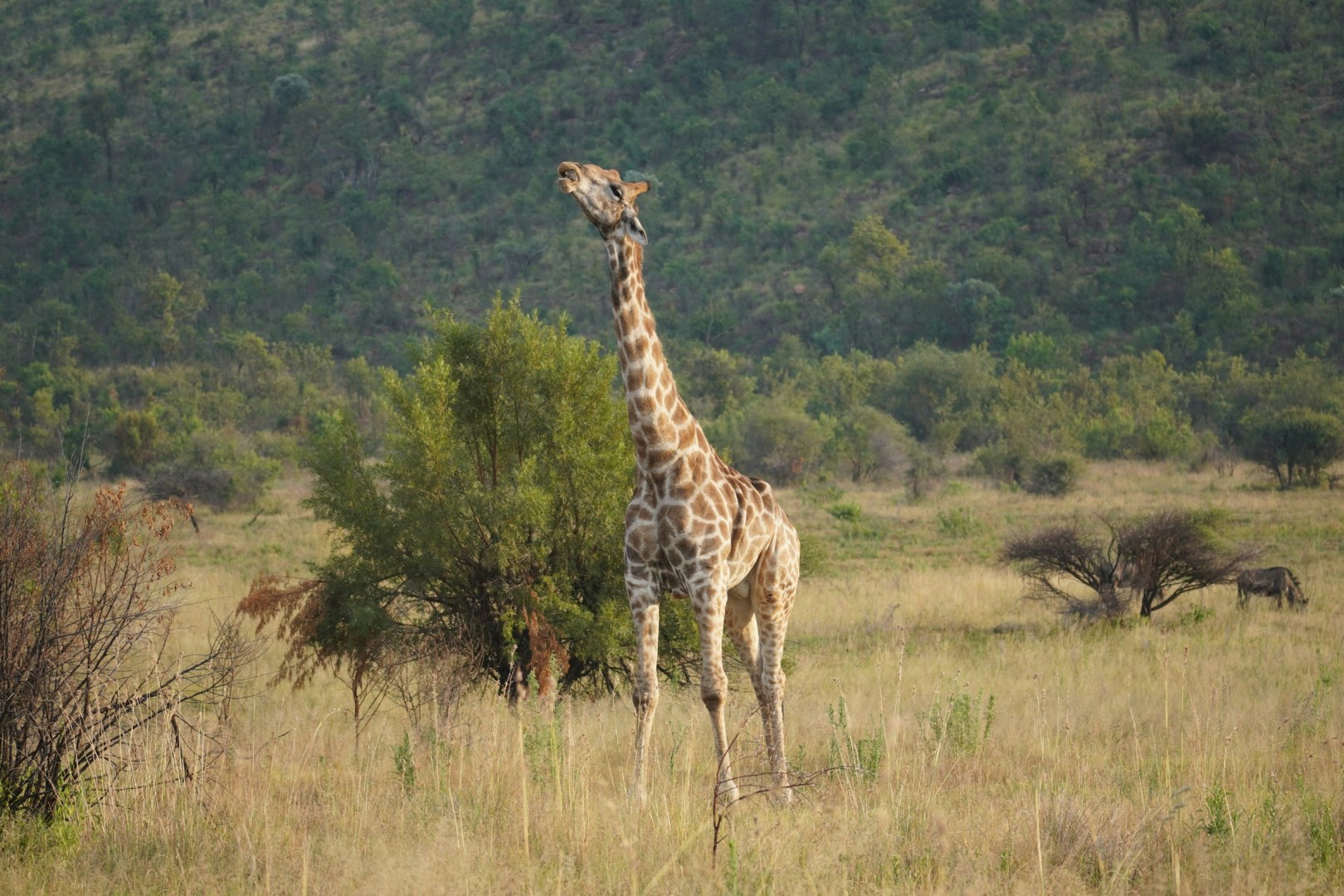
Pilanesberg National Park
Pilanesberg National Park is a protected wildlife area in South Africa’s North West province, located within an ancient volcanic crater near Sun City. The park covers about 55,000 hectares and contains a varied landscape of hills, valleys, open grassland, woodland, and seasonal watercourses
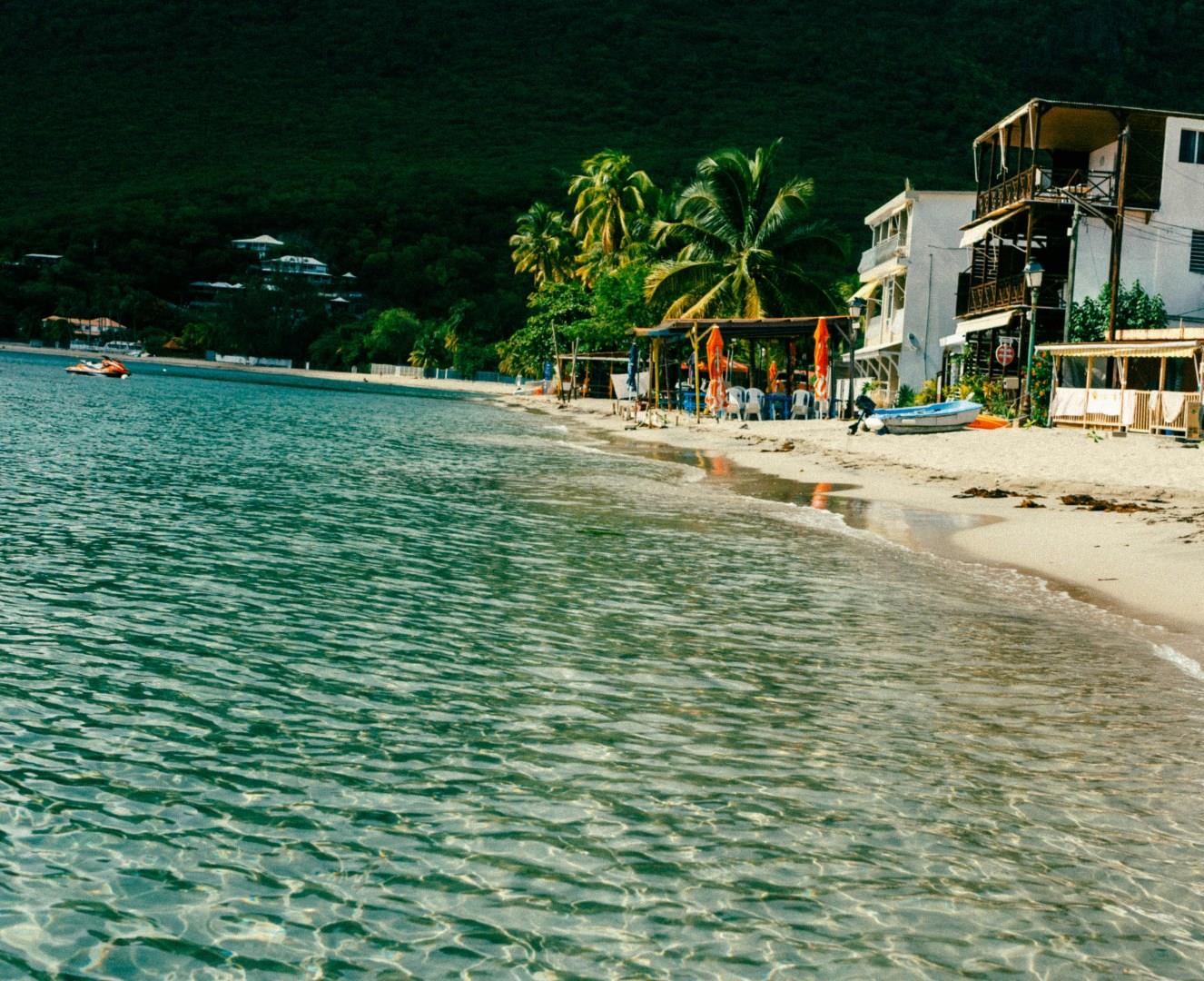
Les Anses-d'Arlet
Les Anses-d’Arlet, a charming fishing village on Martinique’s southern coast, is known for its picture-perfect blend of Caribbean warmth and local tradition. Its centerpiece is a white-sand beach backed by brightly painted houses and the landmark Church of St. Henry, whose steeple aligns beautifully with the sea when viewed from the pier.
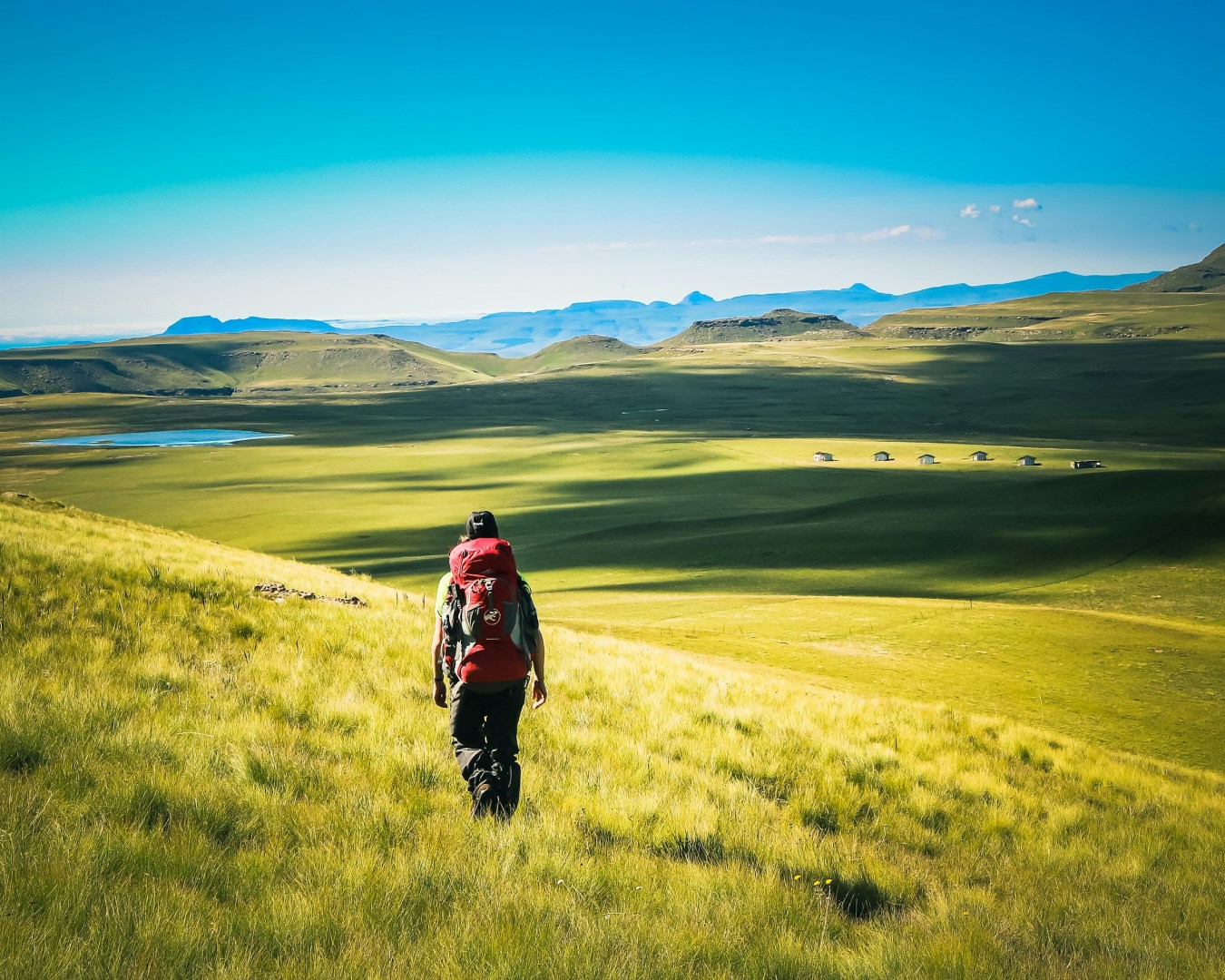
Maloti-Drakensberg Park
Maloti-Drakensberg Park spans the mountainous borderlands of Lesotho and South Africa, forming a large protected landscape of high plateaus, steep cliffs, sandstone formations, grasslands, and river valleys. The Lesotho section is centered on Sehlabathebe National Park, while the South African portion includes uKhahlamba-Drakensberg Park. The area is recognized as a UNESCO World Heritage property for both its natural and cultural importance.
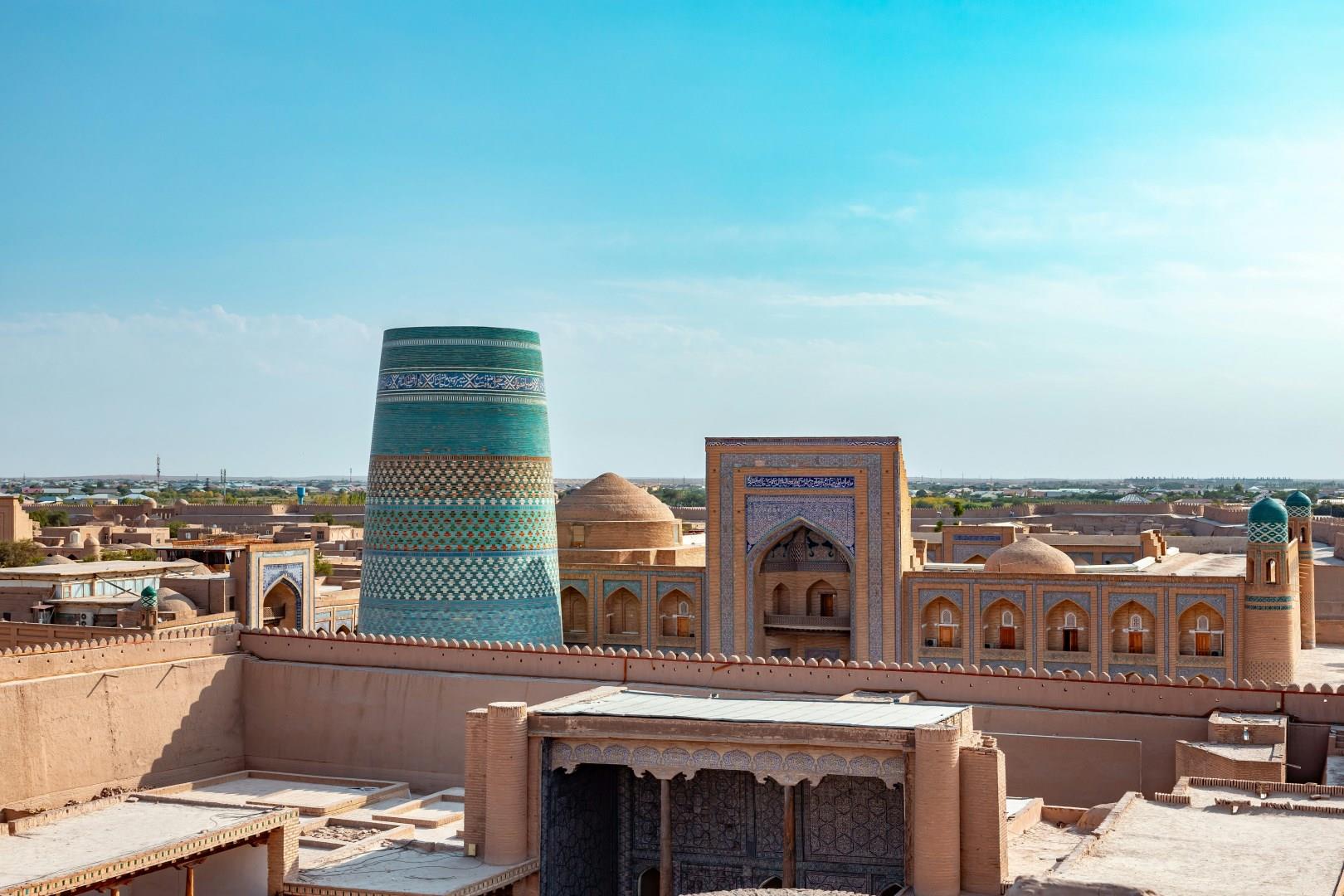
Khiva
Khiva, located in western Uzbekistan’s Khorezm region, is one of Central Asia’s most evocative Silk Road cities. Its walled inner city, known as the Itchan Kala, has preserved a remarkable collection of mud-brick architecture, minarets, mosques, and madrasahs that reflect centuries of Islamic culture and trade. Khiva served as a thriving trading hub and political center, linking merchants and scholars across the desert routes of the region.
