
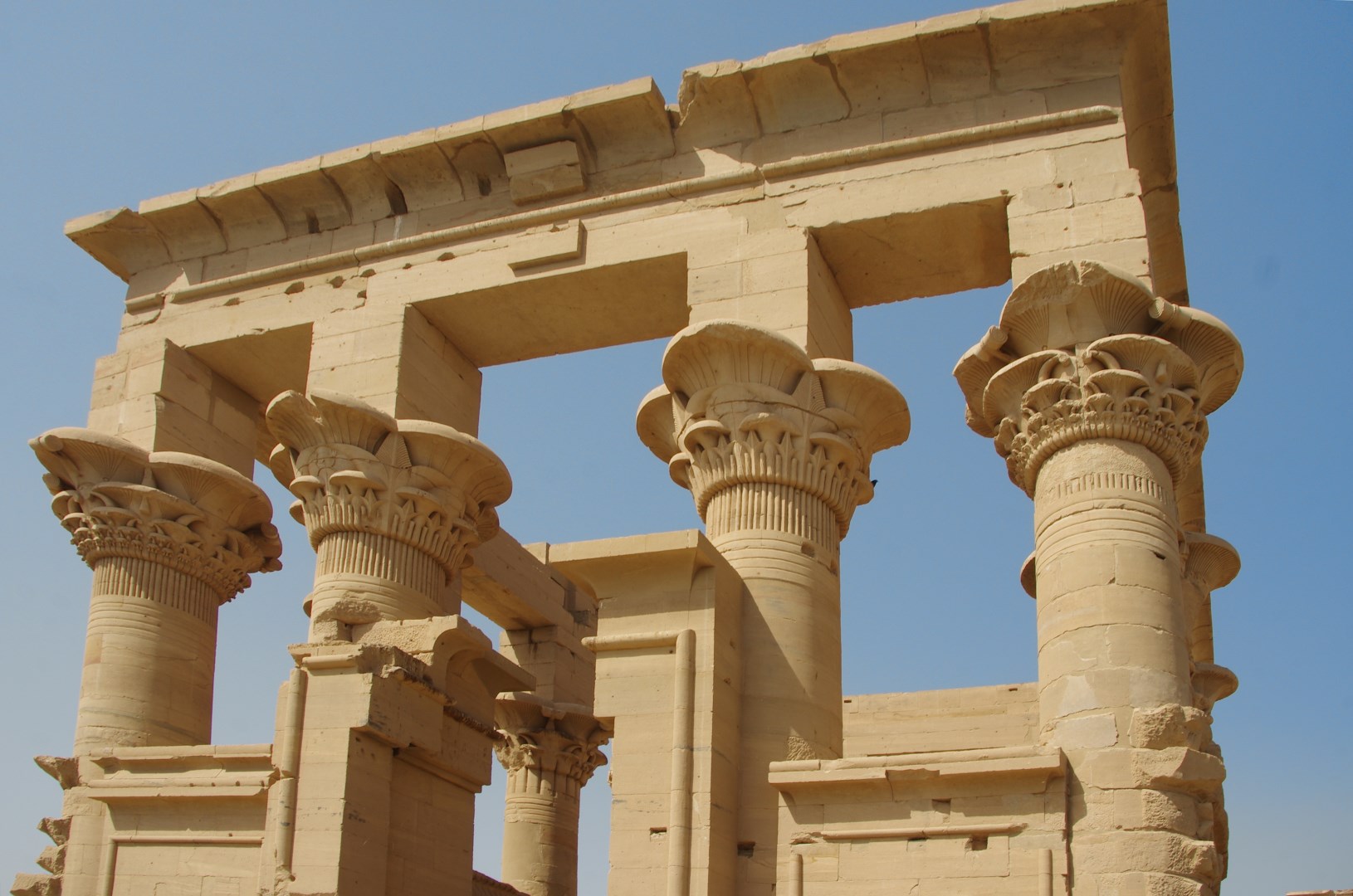
Philae
Philae Temple Complex sits on an island in the Nile near Aswan, where calm water and granite hills create a setting that feels carefully placed in the river. The temple buildings rise from the island like carved stone reflections of the cliffs around them, and reaching the site requires a short boat ride across still waters. This approach is part of the experience, as visitors leave the shore behind and glide toward an island that seems built for slow discovery.
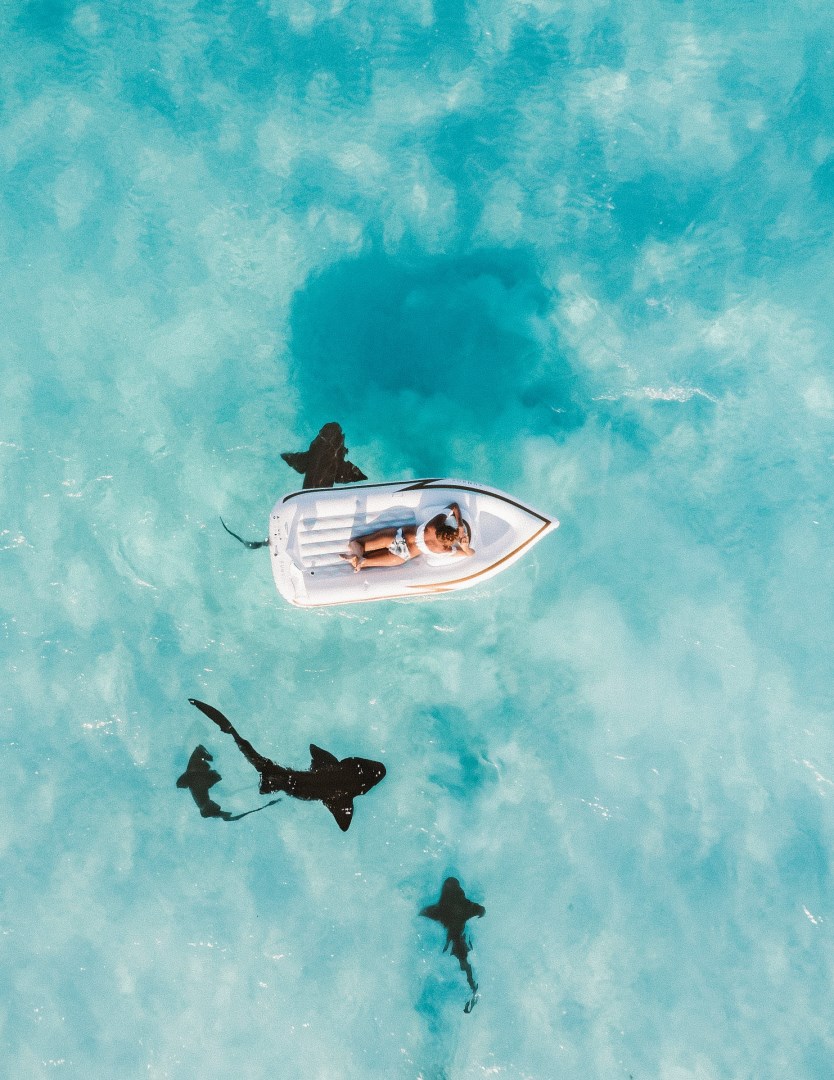
Great Exuma
The Exumas are located in the middle of The Bahamas, yet remain mostly undisturbed. A collection of some 365 cays and islands stretching over 120 miles, The Exumas are supported at the far southern tip of the chain by two main islands, Great Exuma and Little Exuma.
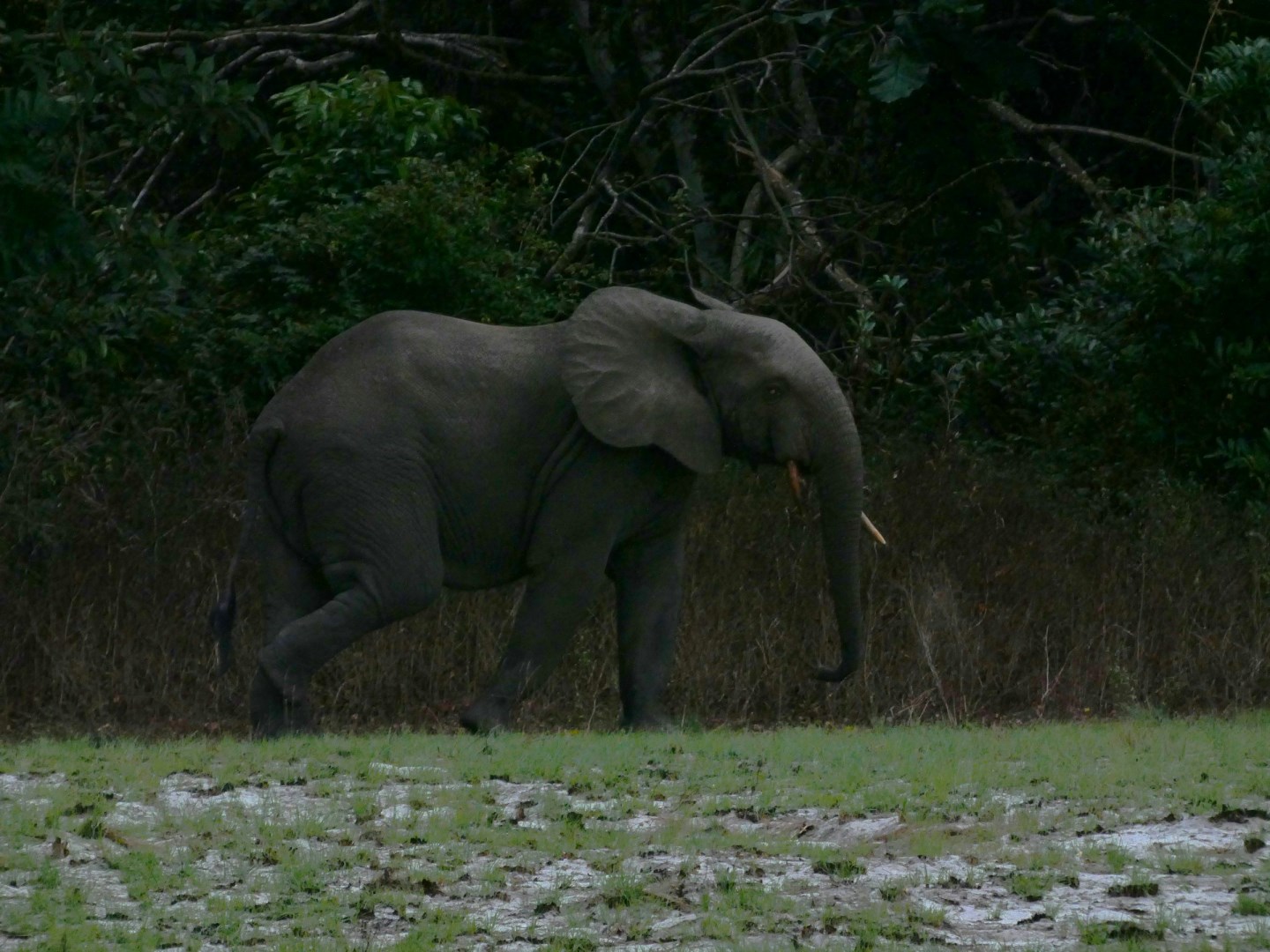
Pongara National Park
Pongara National Park protects a broad coastal landscape on the southern side of Gabon’s Komo Estuary, across the water from Libreville. Covering more than 96,000 hectares, the park includes Atlantic beaches, mangrove forests, tidal mudflats, lagoons, freshwater swamps, riverine forest and grassy savanna.
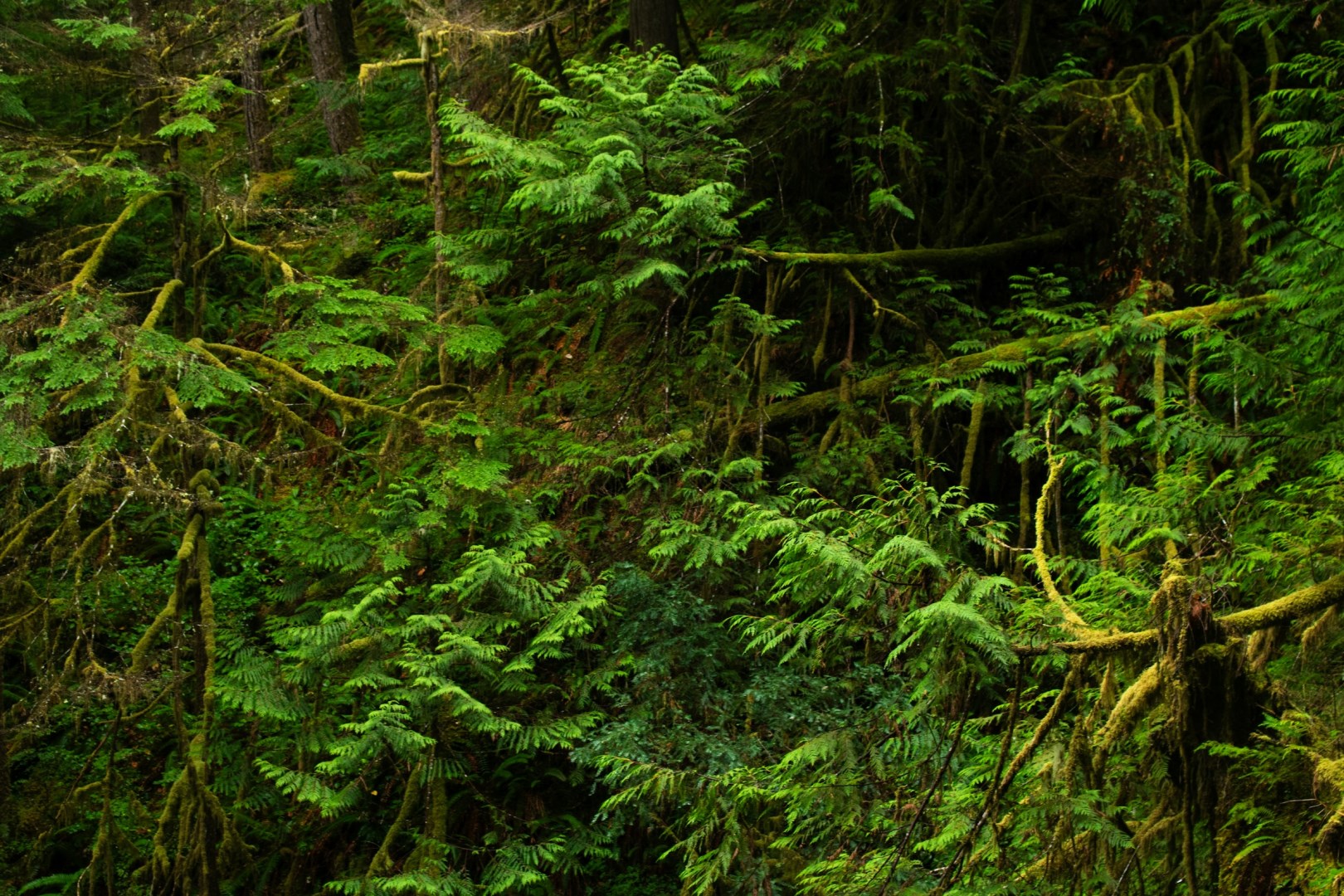
Port Angeles
Port Angeles is a coastal city on Washington’s Olympic Peninsula, positioned along the Strait of Juan de Fuca with views toward Vancouver Island and the mountains of Olympic National Park. The city serves as an important gateway to the Olympic Peninsula, combining a working waterfront with a compact downtown, marinas, parks, and nearby forested landscapes.
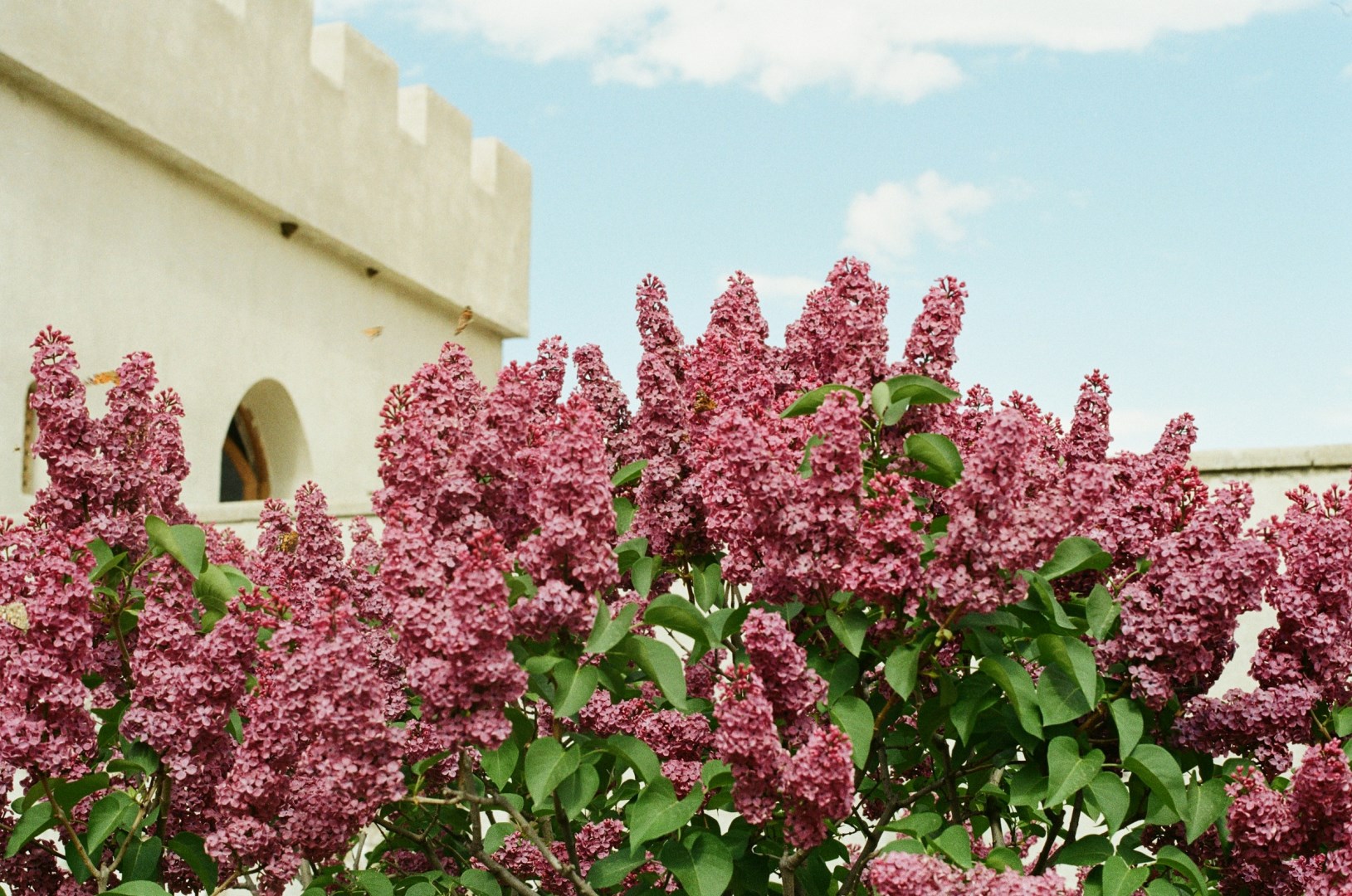
Akhaltsikhe
Akhaltsikhe is a regional center in southern Georgia's Samtskhe-Javakheti region, situated in a broad valley along the Potskhovi River. The city is best known for Rabati, its hilltop fortress complex, but its identity extends into an older quarter of stone houses, religious buildings, and traditional streets. The name Akhaltsikhe means “new fortress,” reflecting the city's long association with its fortified center.
