

Melk
Nestled along the south bank of the Danube, this historical Austrian city bursts with charm. A favorite stop on European river cruises, the city's most famous attraction is Melk Abbey, which dates back to the 11th century. The original Benedictine structure was lost to fires and foreign invasion, then rebuilt during the 18th century in lavish Baroque style, including a library and inner church covered in magnificent frescoes and gilded fixtures.
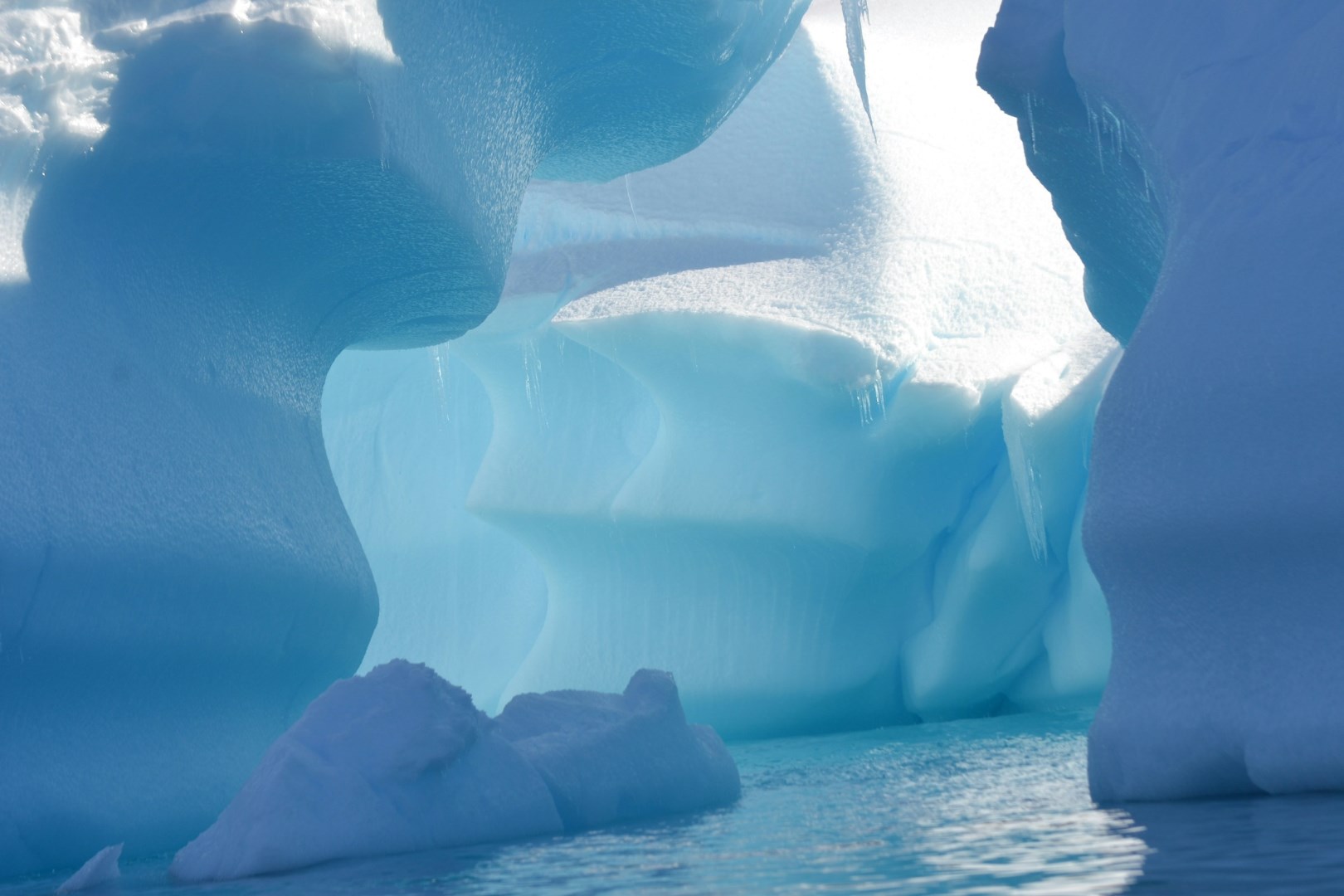
Scotia Sea
The Scotia Sea, nestled between the southern tip of South America and Antarctica, is a remote and captivating destination for those seeking adventure in the world’s southernmost waters.
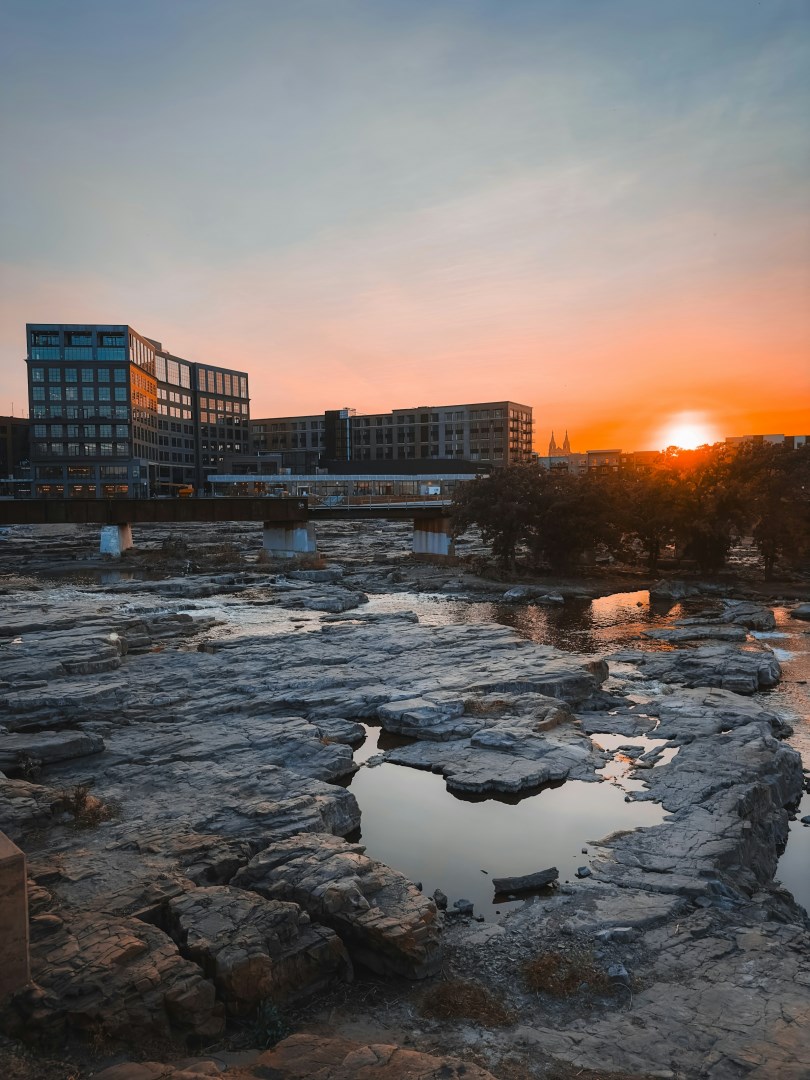
Sioux Falls
Sioux Falls is South Dakota’s largest city, located in the southeastern part of the state along the Big Sioux River. The river is central to the city’s landscape, most notably where it passes over a series of pink quartzite ledges at Falls Park. Around the urban area, the terrain opens into the broad prairie of the Great Plains, with farmland and gently rolling countryside extending beyond the city.
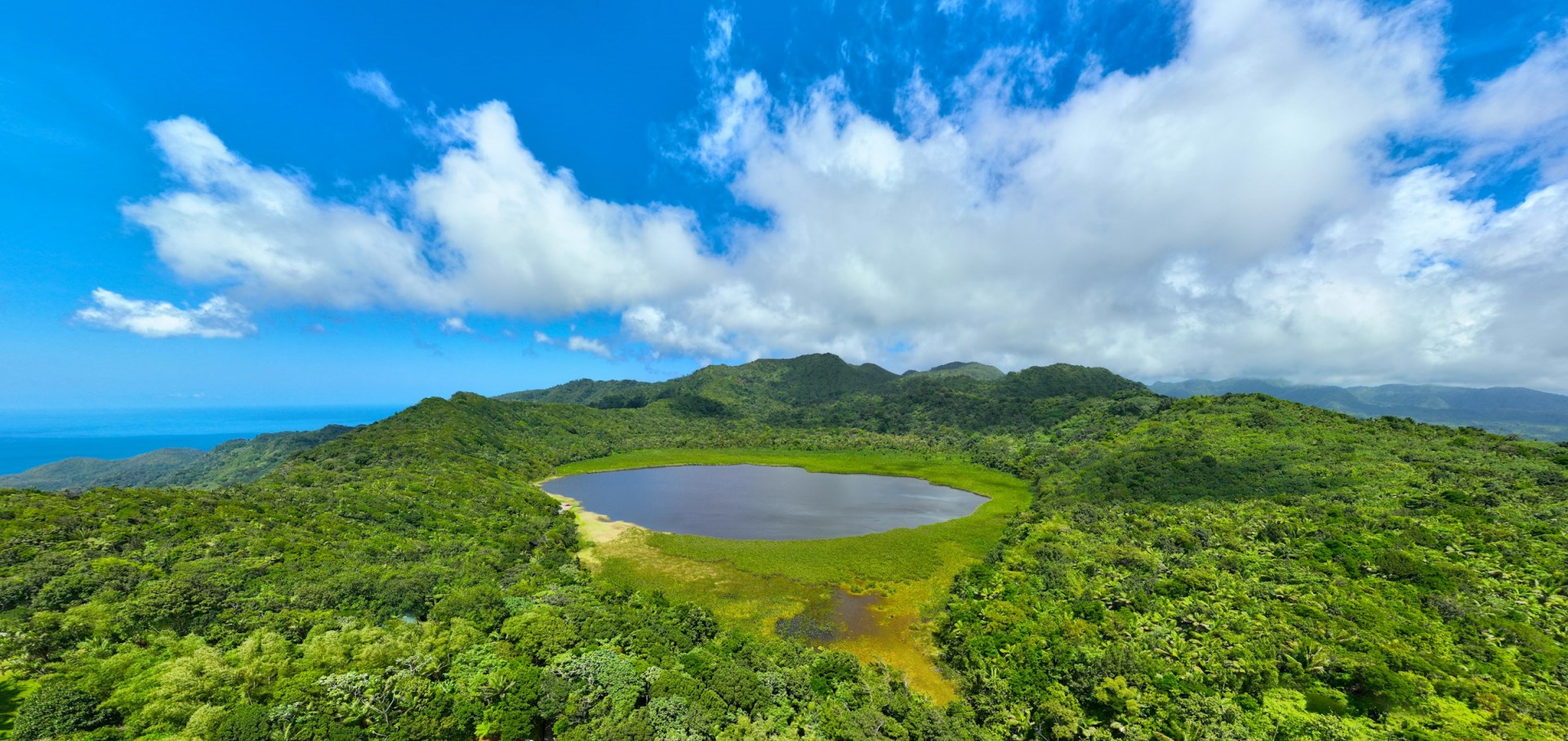
Grand Étang National Park
Grand Étang National Park is a protected highland area in central Grenada, surrounding Grand Étang Lake and extending across the island’s forested interior. The park lies within the volcanic mountain landscape of Grenada, where steep slopes, dense rainforest, streams, and misty uplands create conditions that differ from the drier coastal areas
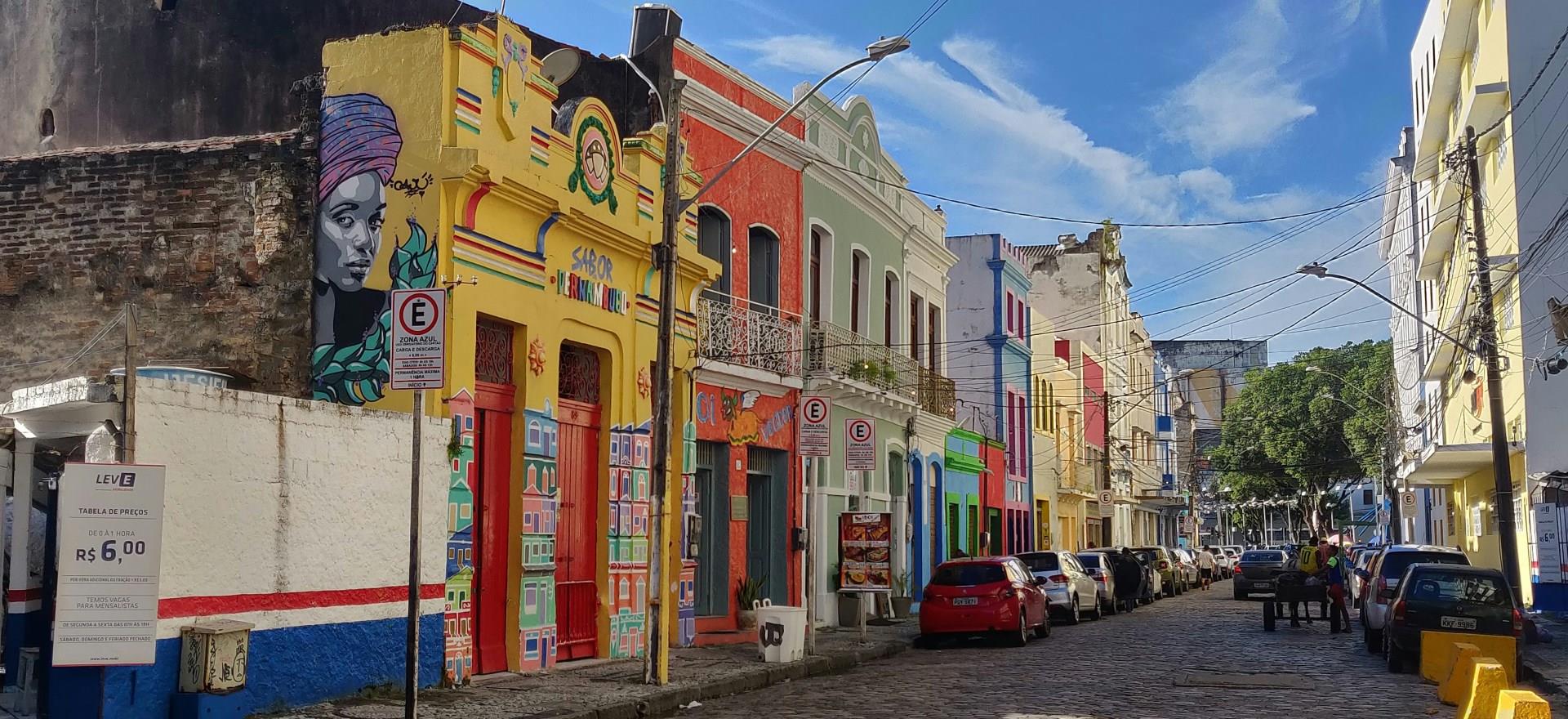
Recife
Recife, the vibrant capital of Pernambuco in northeastern Brazil, is a city where history, culture, and natural beauty intertwine to create an unforgettable destination. Known as the "Venice of Brazil" due to its many waterways, bridges, and islands, Recife offers visitors a unique blend of colonial architecture, modern urban life, and stunning coastal landscapes.
