

Bali
Bali, an island province of Indonesia, has been shaped by centuries of Hindu influence, volcanic activity, and a deep connection between daily life and ritual. The island’s temples are a major part of its landscape as more than 20,000 exist across Bali. One of the most visited is Uluwatu Temple, perched dramatically on a cliff 70 meters above the Indian Ocean.

Durban
Durban is a big subtropical city in the north-eastern province of KwaZulu/Natal. It has been a major port since the 1850s and is home to the largest concentration of Indian-descended people in the country - Mohandas Gandhi arrived here as an indentured labourer in 1893. Today the city is better known as a holiday-makers' fun parlour with a happening nightlife.

Serbia
Serbia is a country where centuries-old monasteries sit just a short drive from lively cities, and where the past is never far from daily life. In Belgrade, the capital, Kalemegdan Fortress offers panoramic views where the Danube meets the Sava River. This fortress has witnessed more than 100 battles and been rebuilt many times over two millennia. Within its walls are Roman ruins, an open-air military museum, and quiet park paths perfect for wandering between centuries of layered history.
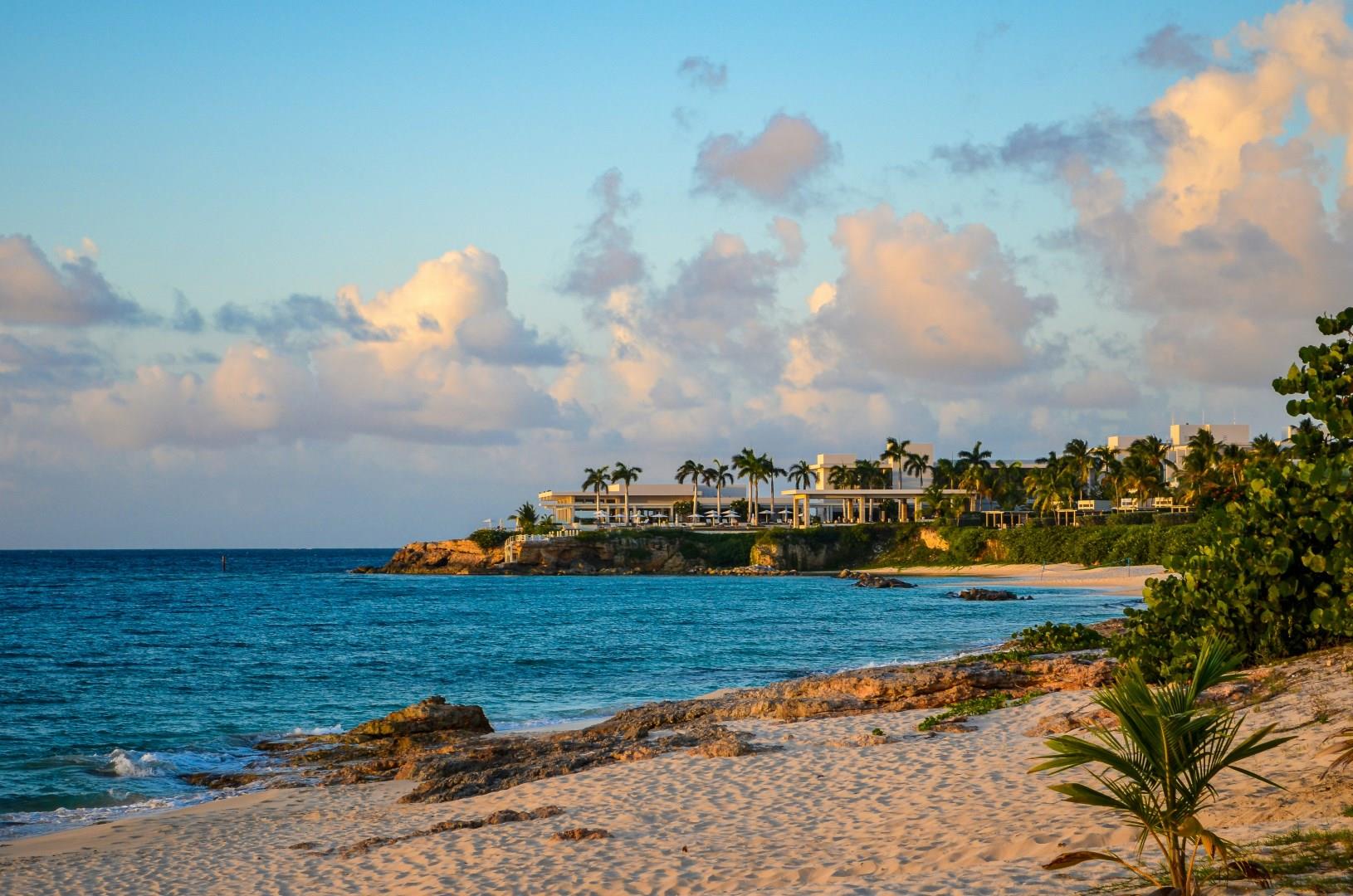
Barnes Bay
Barnes Bay, on Anguilla’s western coast, is one of the island’s most striking beaches, known for its golden sand and dramatic backdrop of rugged cliffs. The bay is less frequented than some of Anguilla’s more famous shores, giving it a serene, secluded atmosphere that makes it a favorite for those seeking a quieter escape.

Uluru National Park
Uluru-Kata Tjuta National Park, national park in the Northern Territory, Australia, in the arid center of the continent, southwest of Alice Springs. The area was established as Ayers Rock/Mount Olga National Park in 1958 and renamed Uluru National Park in 1977.
