

Des Moines
Des Moines, Iowa’s capital city, offers a refreshing take on Midwest travel with a blend of creativity, history, and community pride. Its downtown skyline is anchored by the gold-domed Iowa State Capitol, which offers free guided tours and a striking view from its hilltop perch. Just across the river, the East Village mixes old brick storefronts with indie shops, coffee houses, and vibrant murals. It's where old meets new, a theme that runs throughout the city’s evolving identity.
O'ahu Island
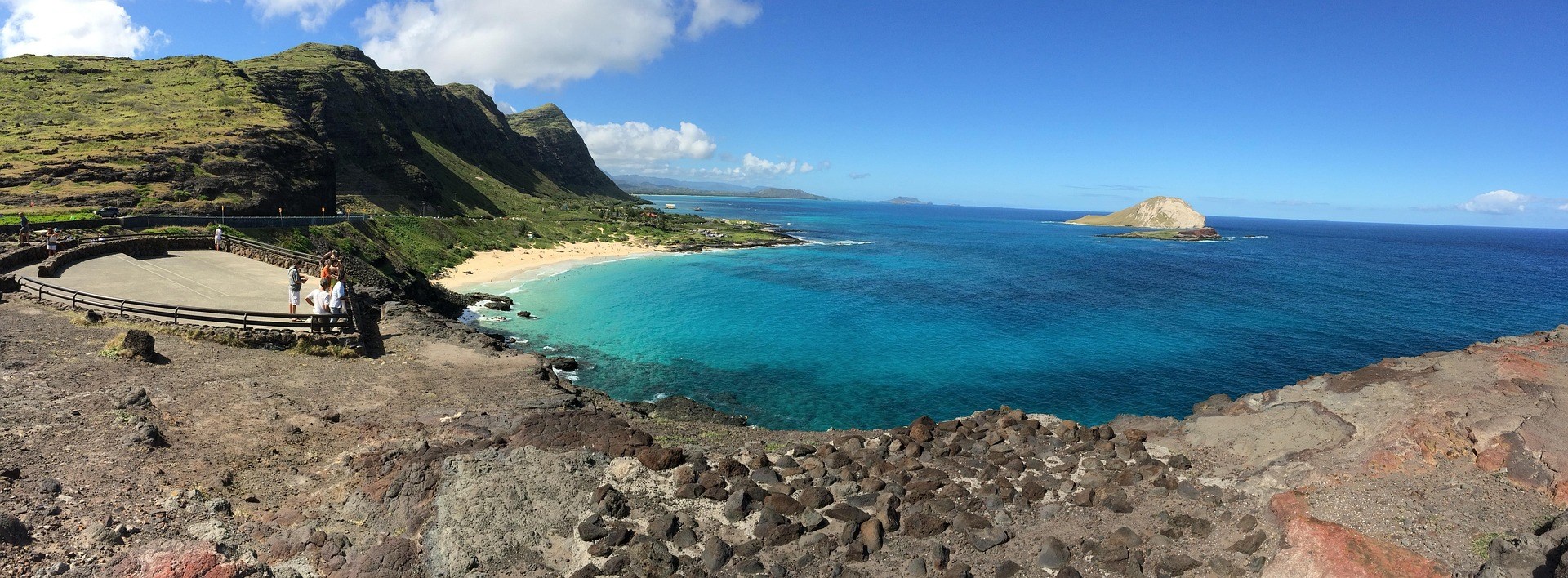
The most heavily populated of the Hawaiian islands, Oahu is known as the Gathering Place. Two parallel mountain ranges, the Koolau Range and the Waianae Range, cross Oahu from northwest to southeast. . Among the many popular beaches is the renowned Waikiki, backed by the famous Diamond Head, an extinct volcano.
Indonesia
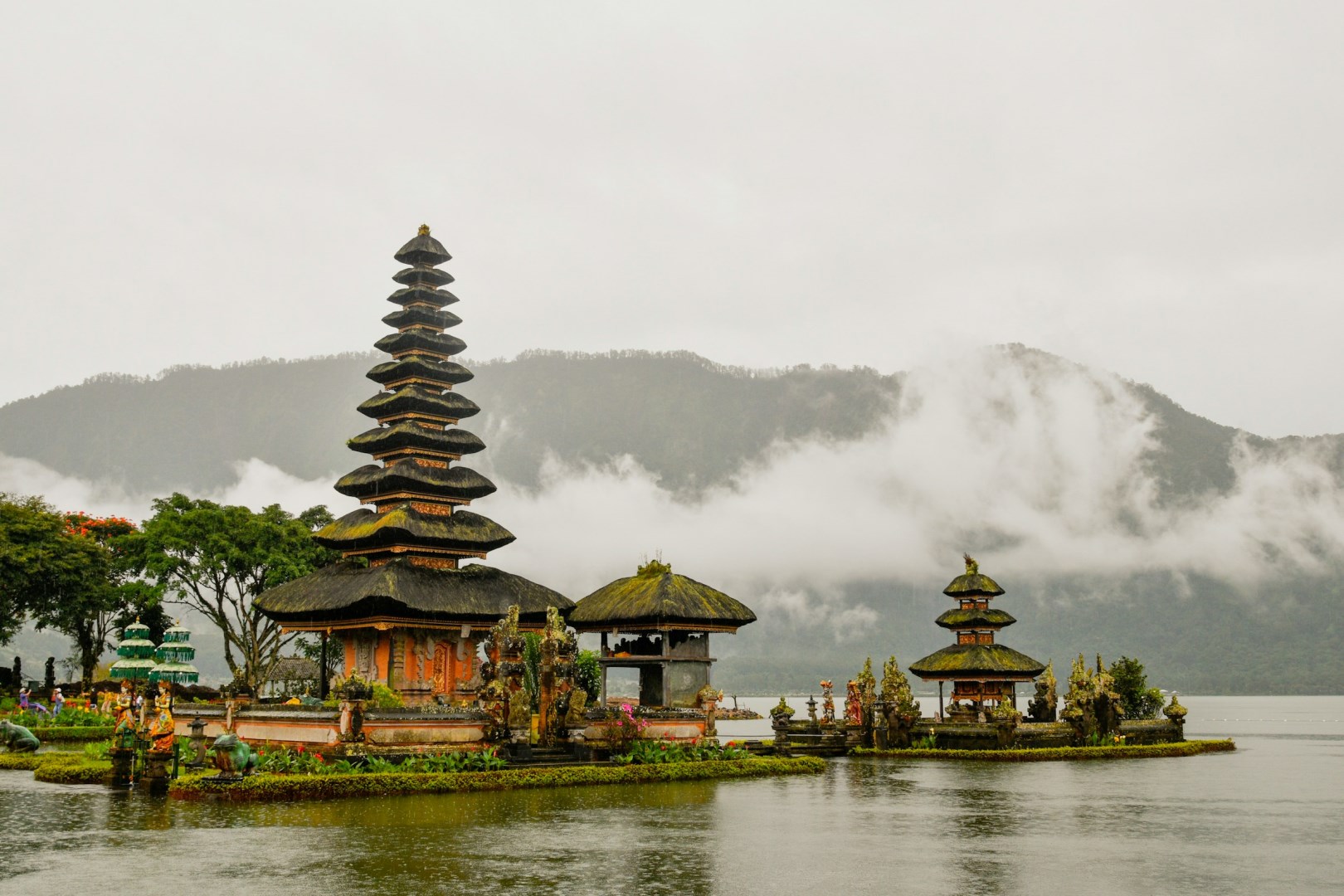
Indonesia, the world’s largest archipelago, stretches across more than 17,000 islands, each offering its own cultural traditions, landscapes, and experiences. From volcanic peaks to tropical beaches and ancient temples, the country is as diverse as it is expansive.
Oak Bluffs
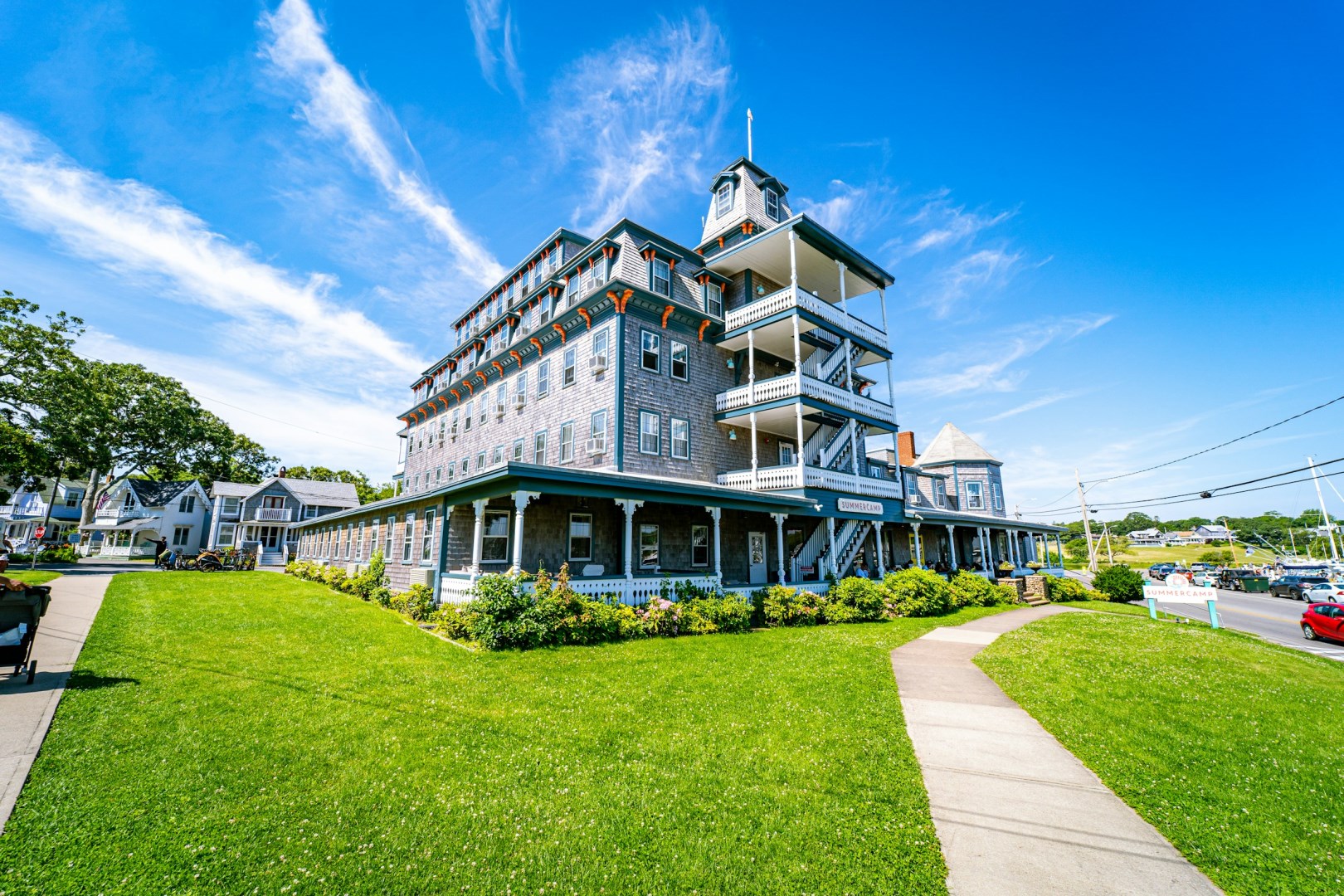
Oak Bluffs is a coastal town on Martha’s Vineyard, Massachusetts, facing Vineyard Sound on the island’s northeastern shore. It is known for its colorful Carpenter Gothic cottages, harbor, beaches, and long association with summer tourism. The town center developed around Circuit Avenue, while the waterfront includes Oak Bluffs Harbor and a public beach along the sound.
Wuhan
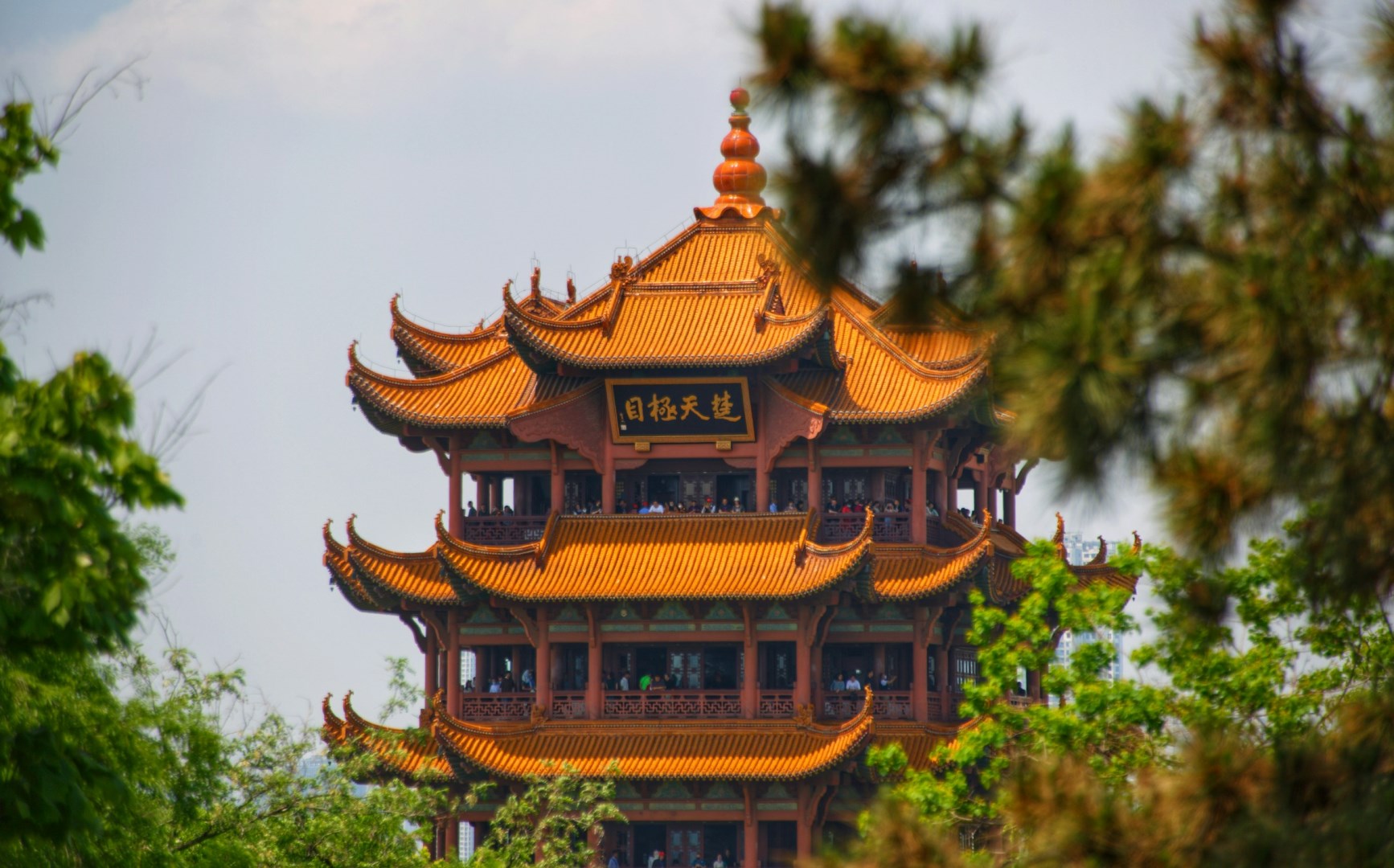
Situated on the Yangzte River, this is the provincial capital of the port of embarcation and debarcation for Yangzte River cruises. East Lake Park, Yellow Crane Tower, Guiyuan Temple, Hongshan Pagoda are some of the attractions.
