
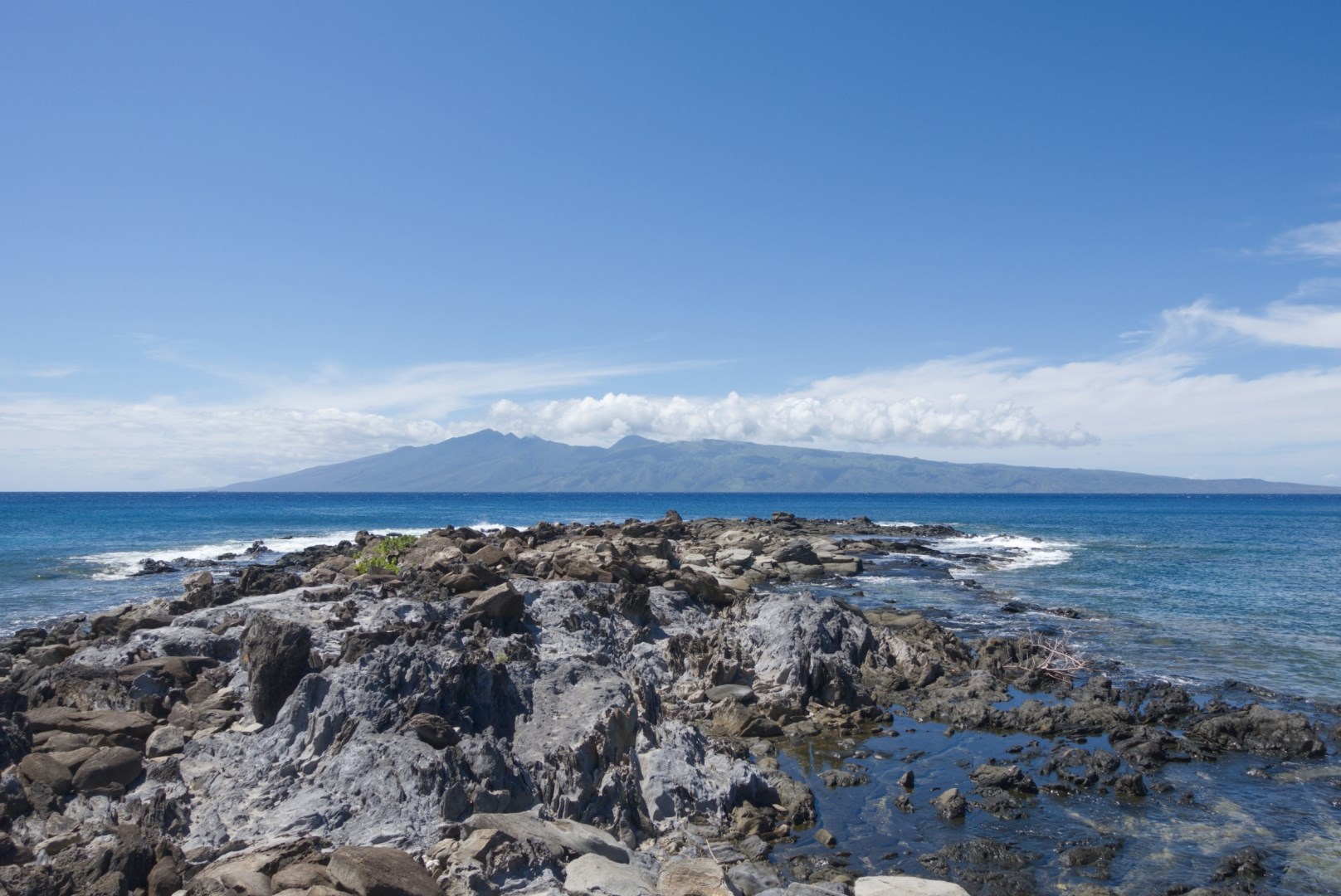
Molokai Island
Molokai, island, in Kalawao County, administered by Maui County, central Hawaii, between Oahu and Maui islands, known as the Friendly Island. On the southern coast of Molokai is the port of Kaunakakai. The island rises to 1512 m (4961 ft) in the east at Kamakou Peak. Pineapples, coffee, and cattle are raised. In 1873Father Damien, the Belgian Roman Catholic missionary, began his work in the leper colony of Kalawao on the Kalaupapa Peninsula of northern Molokai.

Olden
Nestled along the stunning Sognefjord in Norway, the charming town of Olden offers a gateway to some of Scandinavia’s most breathtaking landscapes. This picturesque settlement is renowned for its proximity to the Jostedalsbreen Glacier, the largest glacier in mainland Europe.
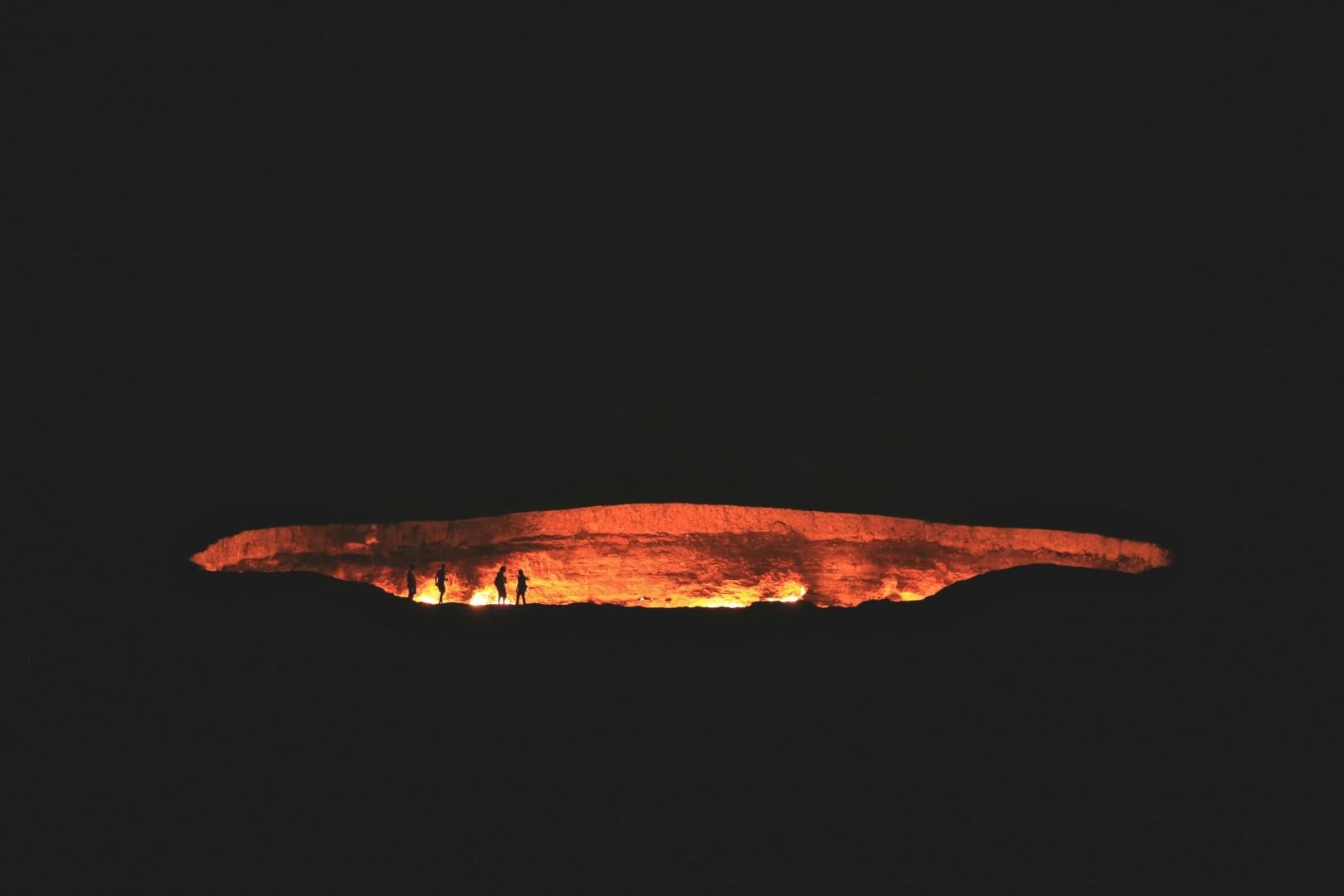
Darvaza
The Darvaza Gas Crater, famously nicknamed the “Door to Hell,” is one of Turkmenistan’s most extraordinary landmarks. Located deep in the Karakum Desert, this fiery pit has been burning continuously since the early 1970s, when Soviet engineers reportedly set fire to a collapsed natural gas field to prevent the spread of methane.
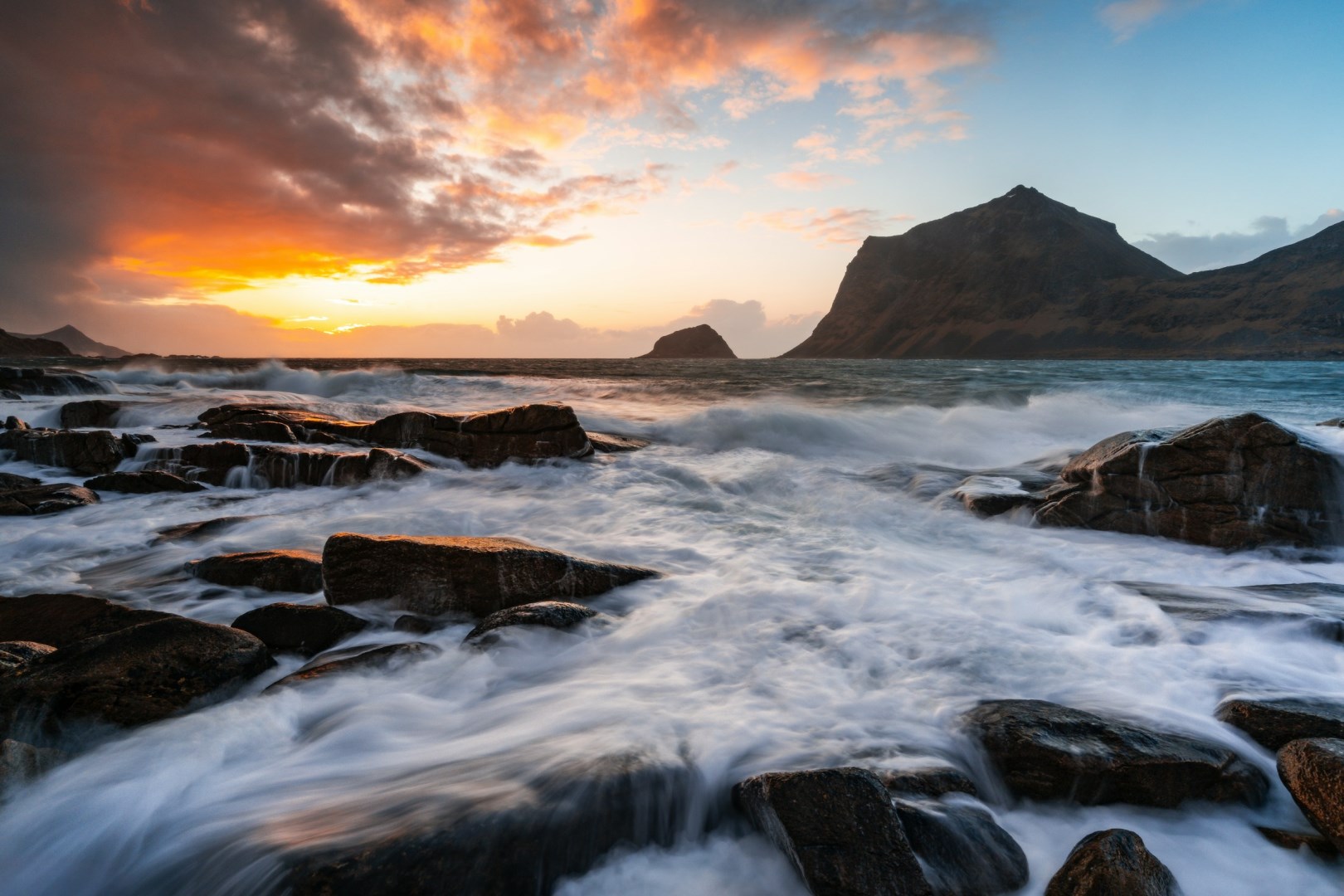
Leknes
Leknes sits in the heart of Norway’s Lofoten Islands, a small town shaped more by geography than by long urban history. It developed as a regional hub for farming, fishing, and transport, serving surrounding villages spread across Vestvågøy. Rather than presenting a preserved past, Leknes reflects contemporary life in the north, practical and closely tied to seasonal rhythms.
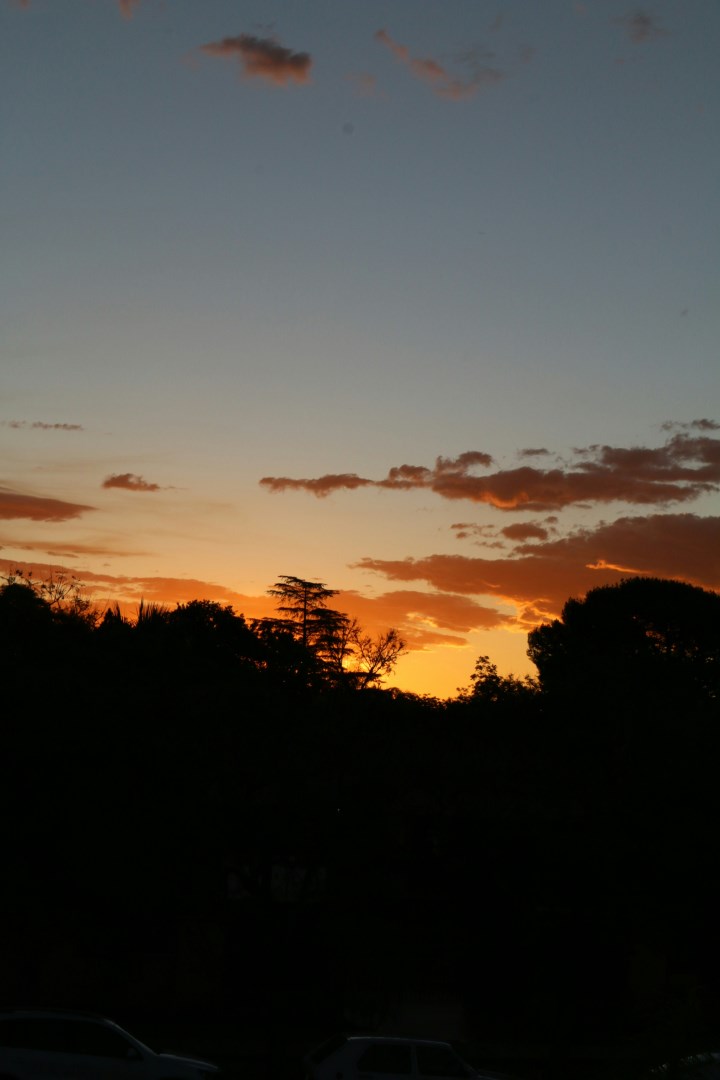
Kimberley
Kimberley is a city in South Africa’s Northern Cape province, known for its strong connection to diamond mining. It stands on a semi-arid plateau, where wide skies and dry landscapes shape daily life.
