
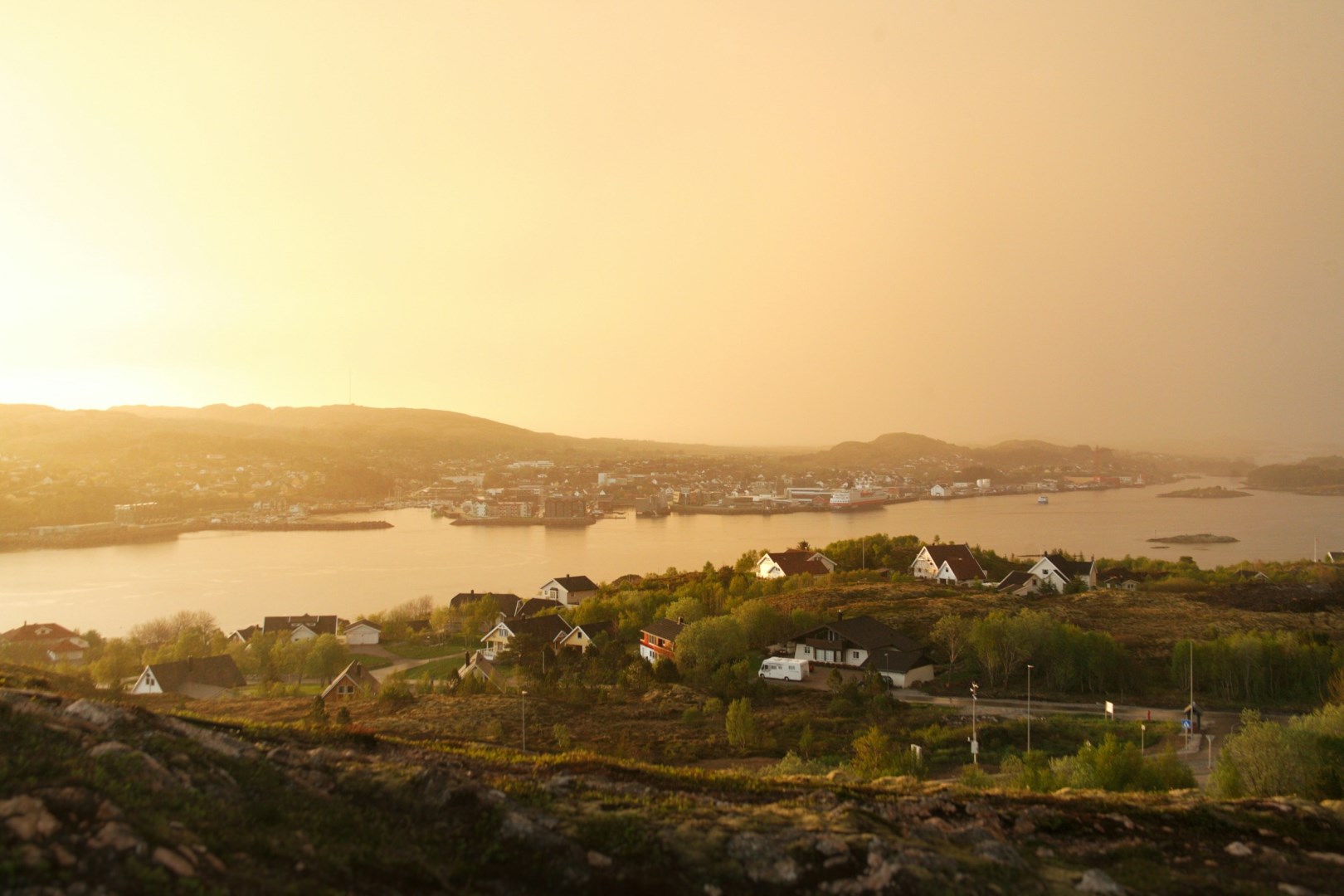
Rørvik
Rorvik is a busy fishing community on the eastern side of the Vikna archipelago. Outdoor activities abound in this maritime region, including kayaking, canoeing, fishing and diving. Several museums offer a look at Rorvik's culture and history, and wildlife enthusiasts will find a myriad of bird and fish species to observe.

Giurgiu
Giurgiu, a charming city in southern Romania, offers a unique blend of history, culture, and natural beauty, making it a captivating destination for travelers seeking an off-the-beaten-path experience.
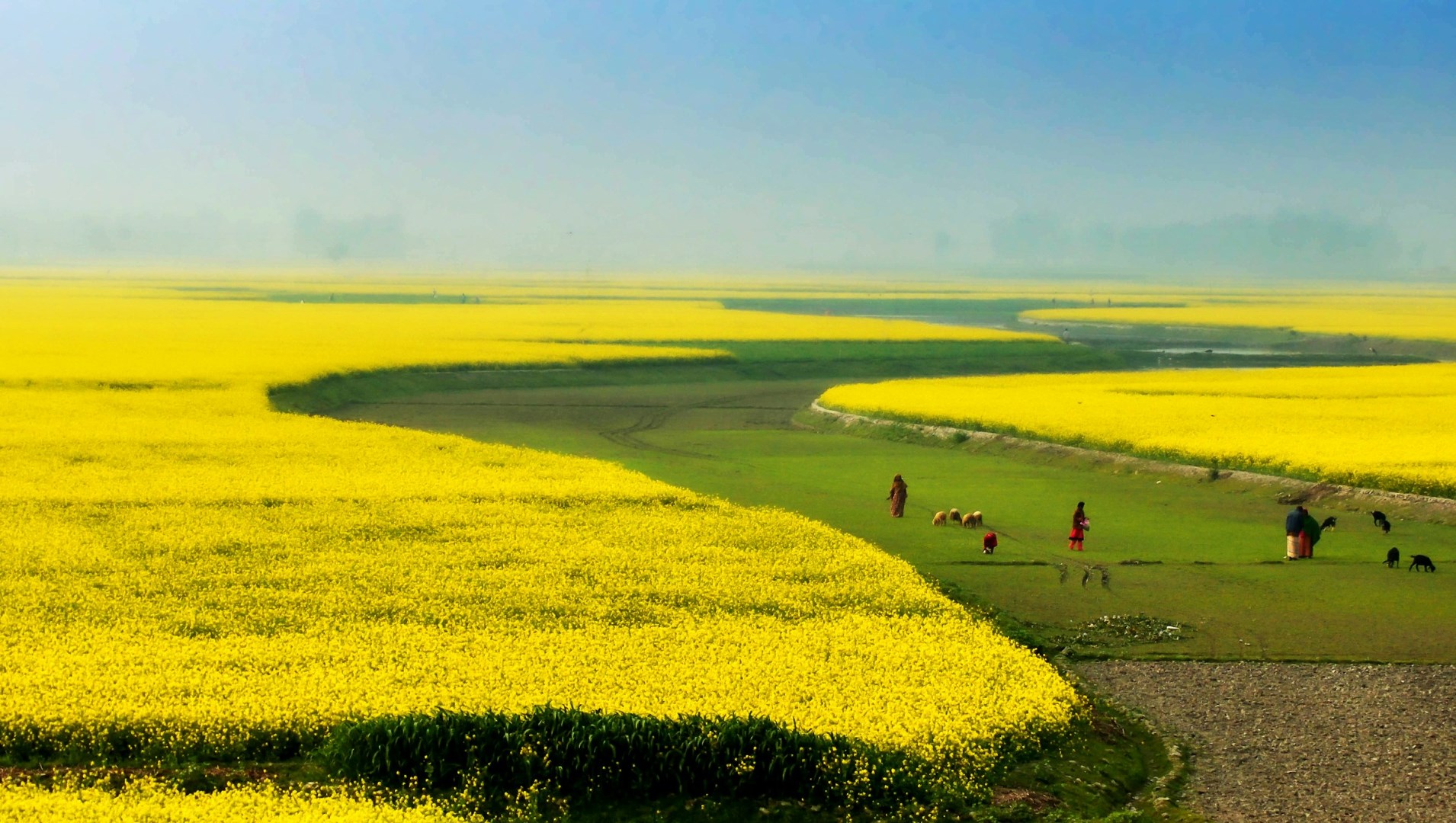
Sirajganj
Sirajganj is a riverside district in northwestern Bangladesh, located along the Jamuna River and shaped by the shifting channels, sandbars, and fertile floodplains of the river system. The district is known for agriculture, weaving, livestock, and river-based commerce, with Sirajganj town serving as an important regional center. Its landscape changes noticeably with the seasons as river levels rise and fall, exposing temporary chars and renewing farmland with silt. The surrounding countryside co
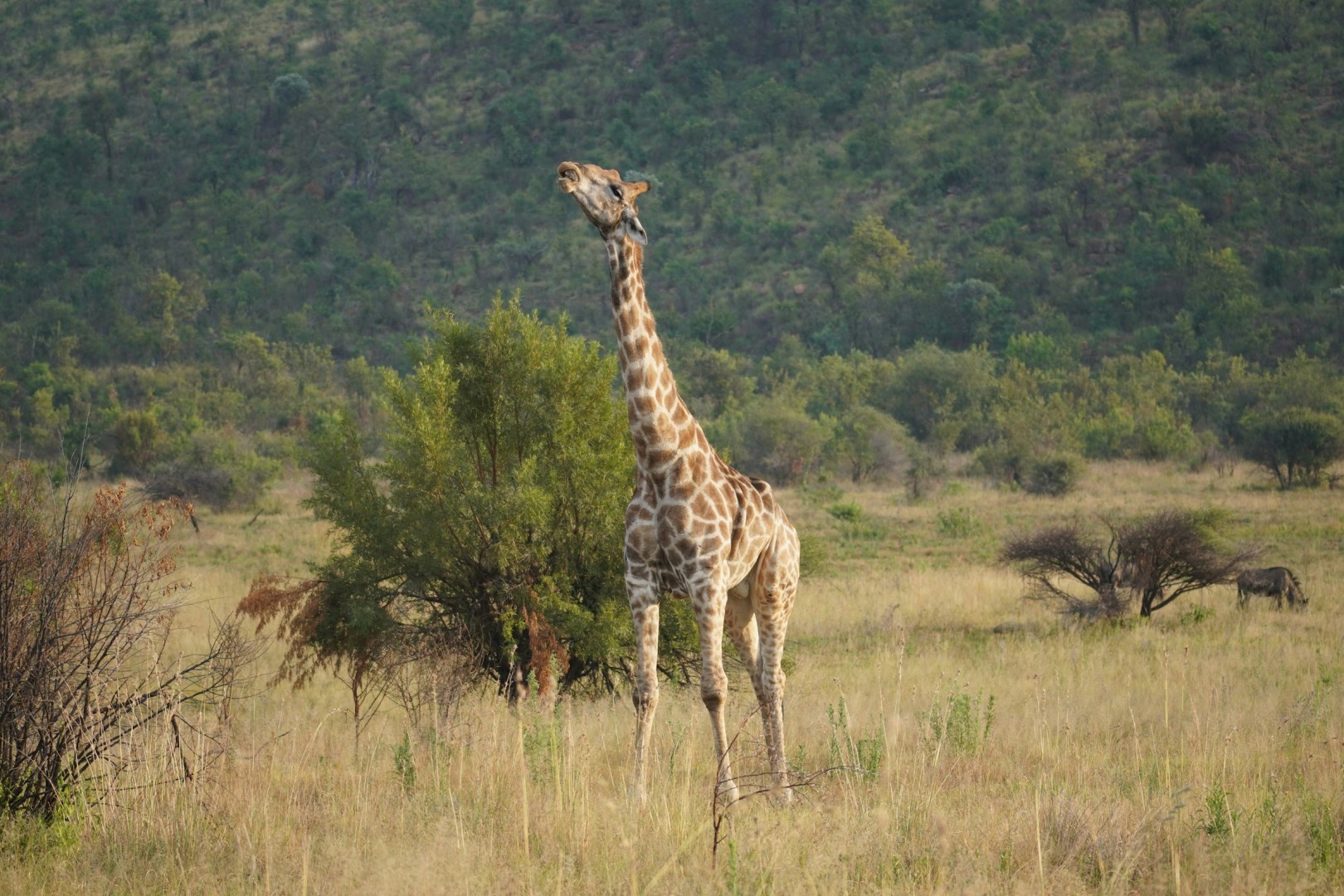
Pilanesberg National Park
Pilanesberg National Park is a protected wildlife area in South Africa’s North West province, located within an ancient volcanic crater near Sun City. The park covers about 55,000 hectares and contains a varied landscape of hills, valleys, open grassland, woodland, and seasonal watercourses
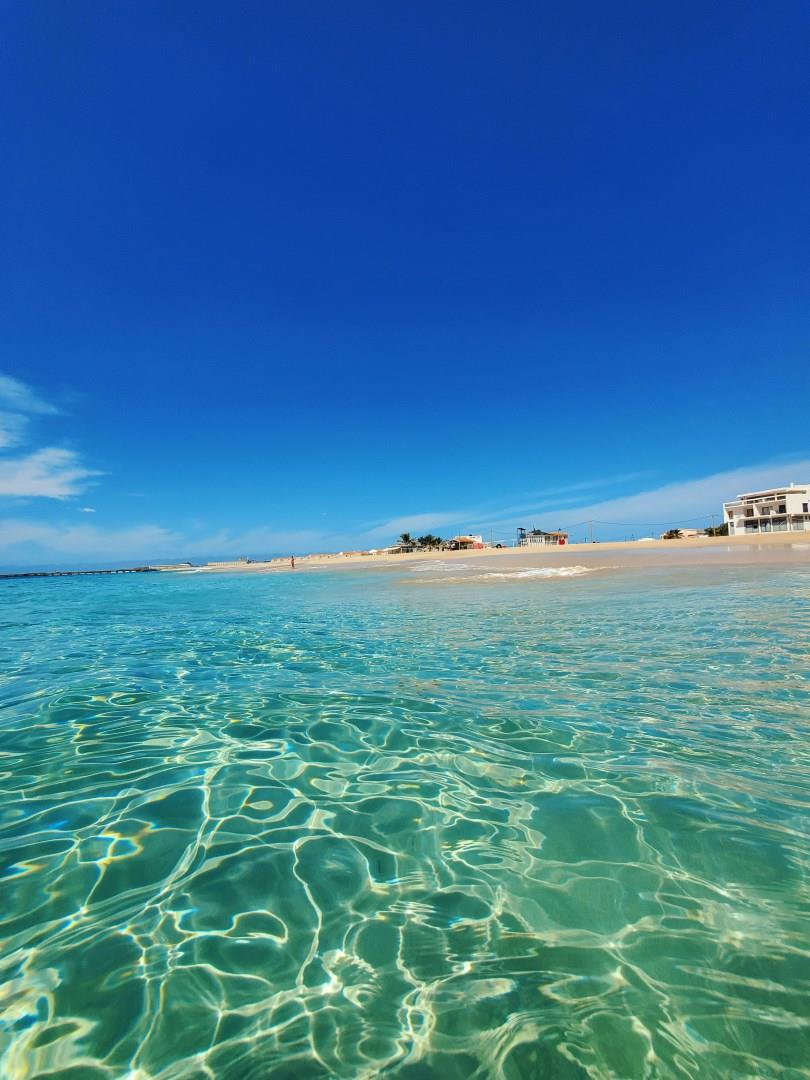
Maio
Maio, one of Cape Verde's hidden gems, offers a serene escape with its unspoiled landscapes and charming island atmosphere. This tranquil island, part of the Cape Verde archipelago, is renowned for its stunning beaches and laid-back vibe. The white sandy shores of Praia do Morro, with its crystal-clear waters and gentle waves, provide the perfect setting for relaxation and sunbathing, while the surrounding salt pans showcase Maio's historical role in the salt industry.
