
Monterrey
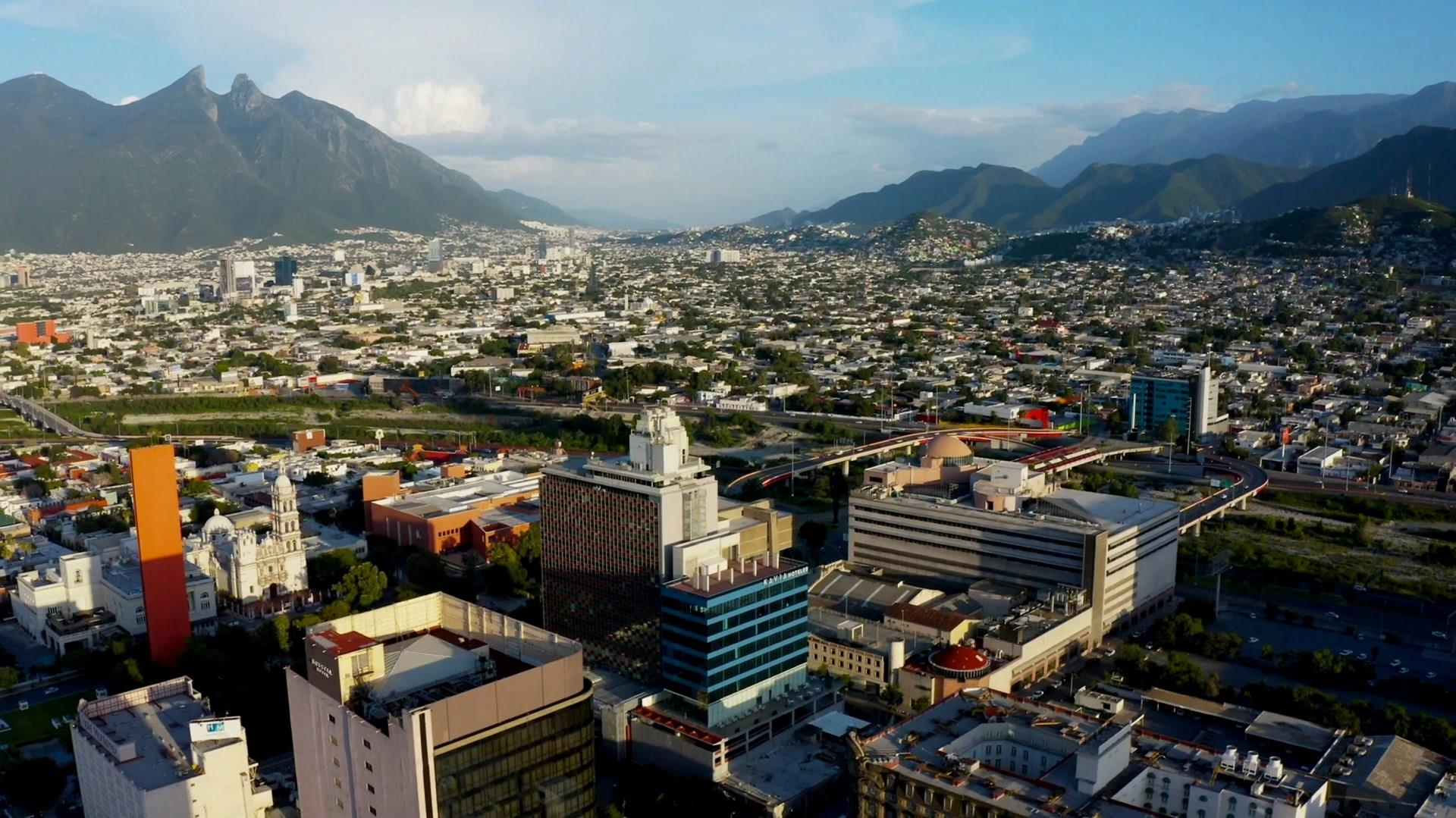
Monterrey, the capital of Nuevo León, stands at the foot of the Sierra Madre Oriental and has long been recognized as one of Mexico’s most industrial and innovative cities. The Macroplaza is one of the largest public squares in Latin America and links historic buildings like the 18th-century Metropolitan Cathedral with newer sites like the Museo de Historia Mexicana and the Faro del Comercio, a towering orange structure that beams a green laser across the sky each night.
Ronda
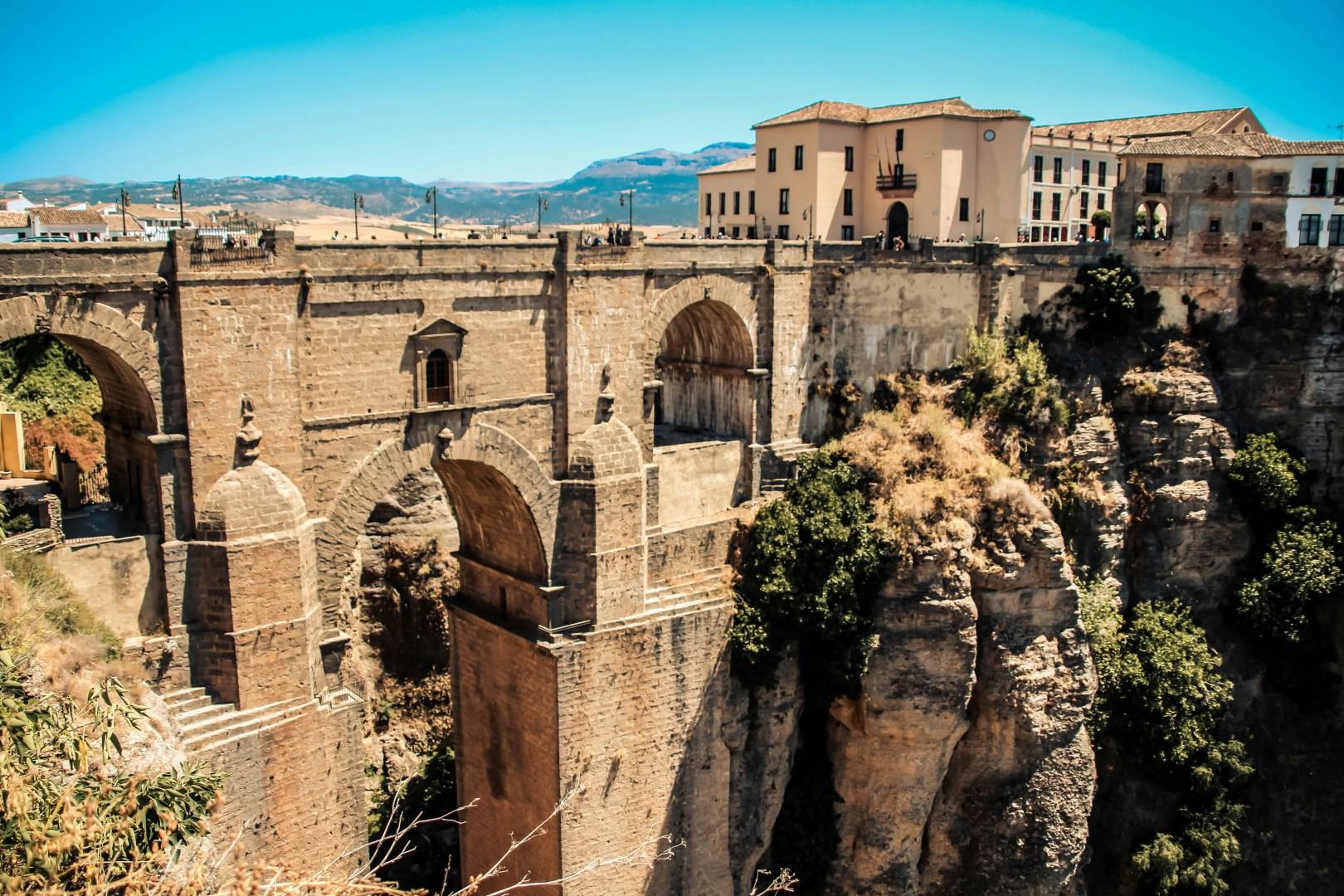
Ronda, perched high above the El Tajo gorge in southern Spain’s Málaga province, offers one of the most dramatic landscapes in Andalusia. The city is split in two by a 120-meter-deep canyon carved by the Guadalevín River, and connected by the iconic Puente Nuevo, an 18th-century stone bridge that took over 40 years to complete. Visitors crossing the bridge can stop at the viewpoint built into the stone itself, once used as a prison.
Oviedo
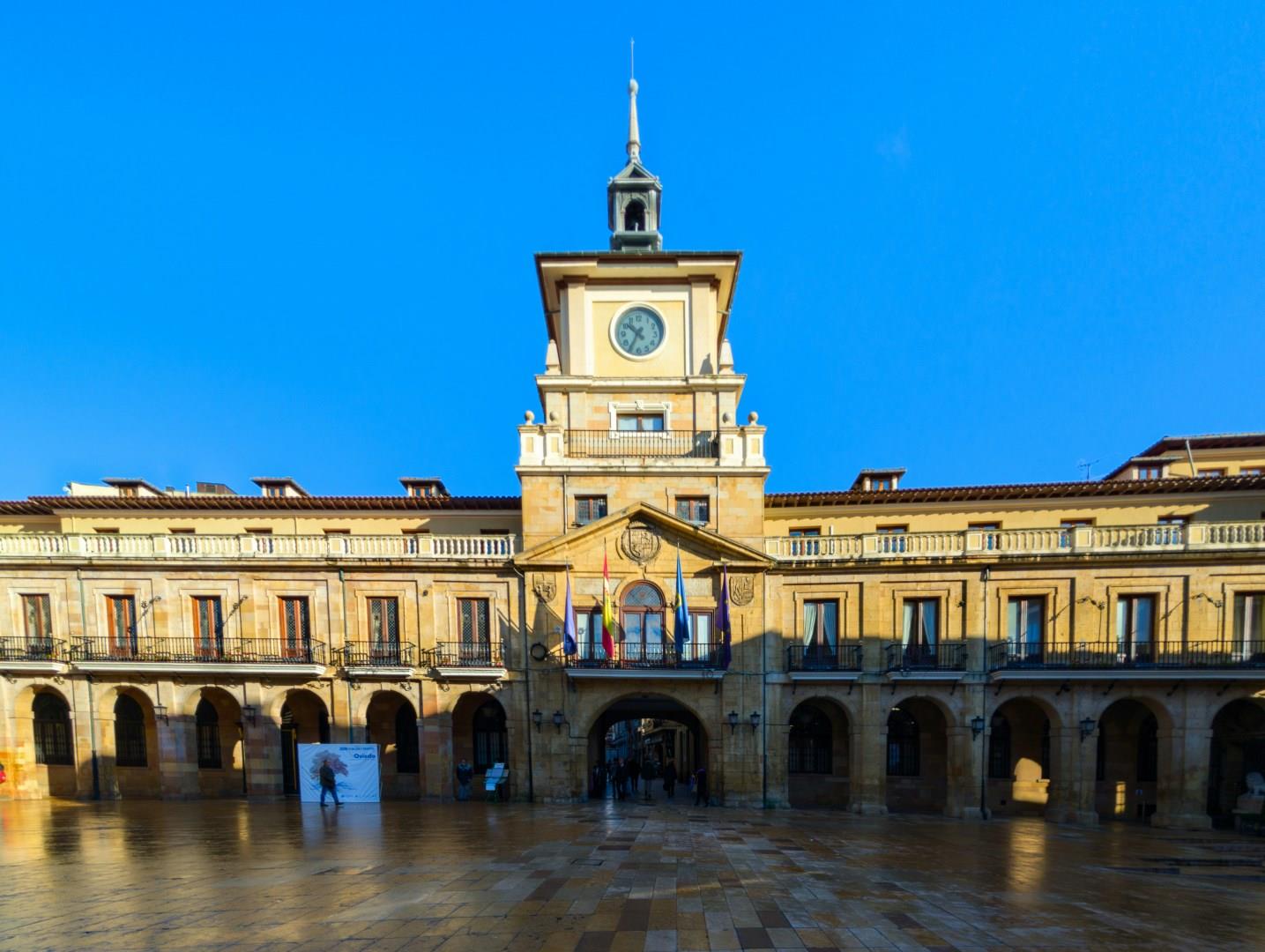
Oviedo, the capital of Asturias in northern Spain, offers a rare mix of medieval heritage and everyday life that feels rooted rather than staged. The city’s historic center is home to some of the oldest pre-Romanesque buildings in Europe, including the UNESCO-listed Santa María del Naranco and San Miguel de Lillo. Cider, not wine, defines the local table. Oviedo is surrounded by apple orchards, and the traditional drink, sidra natural, is poured from a height by skilled escanciadores.

Crotone
Located along the coast of Southern Italy, Crotone emanates a classic Italian lifestyle that appeals to tourists both foreign and domestic.

Lesotho
Lesotho, known as the “Kingdom in the Sky,” is a landlocked nation entirely surrounded by South Africa, famed for its dramatic mountain landscapes and rich cultural traditions.
