
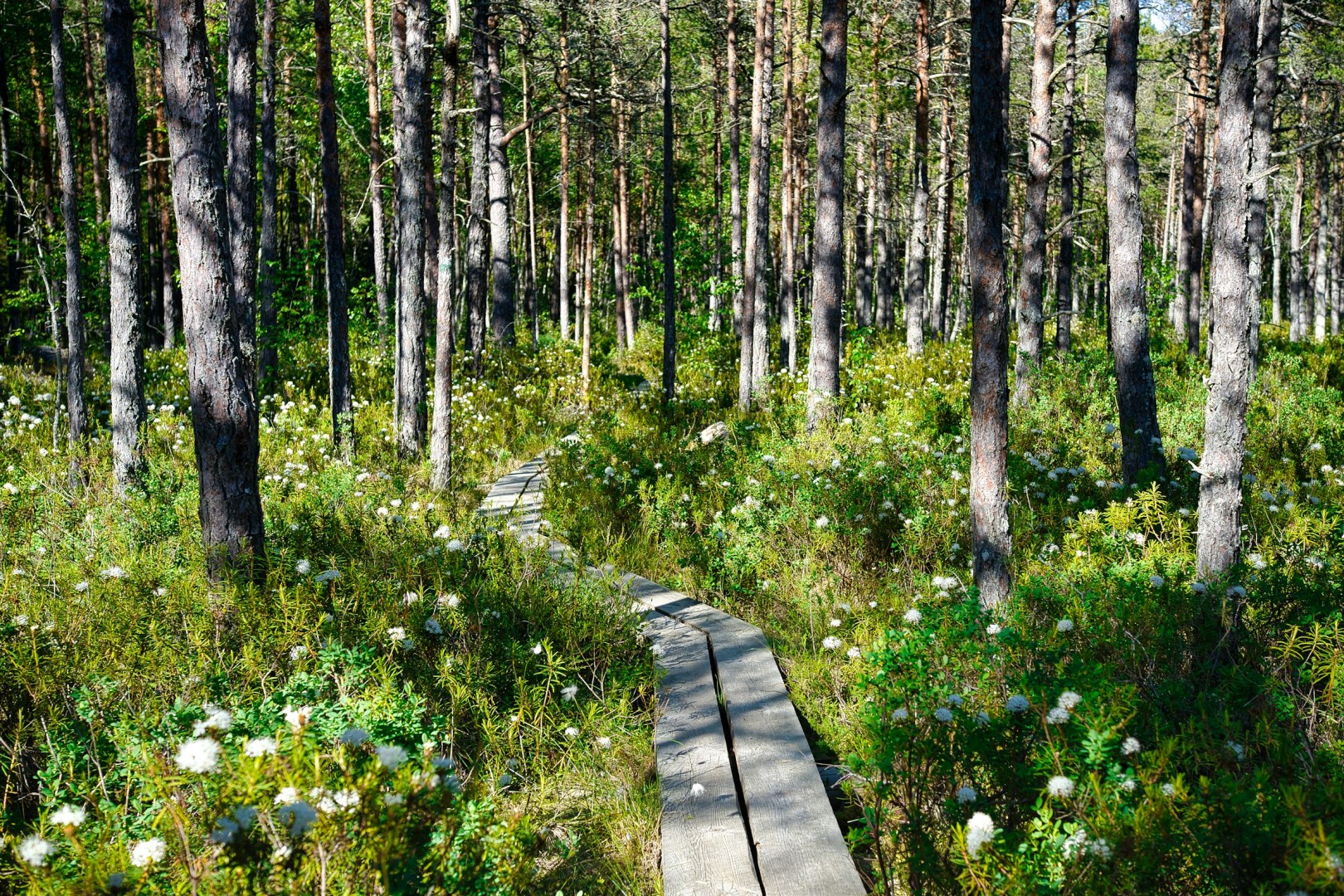
Lahemaa National Park
Lahemaa National Park is a large protected area on Estonia’s northern coast, facing the Gulf of Finland and combining forests, wetlands, rocky shores, sandy beaches, and small islands. It is Estonia’s oldest and largest national park, with landscapes that change noticeably between the coast and the inland forests. The park also protects cultural heritage, including traditional fishing villages, historic manor estates, and old farm landscapes.
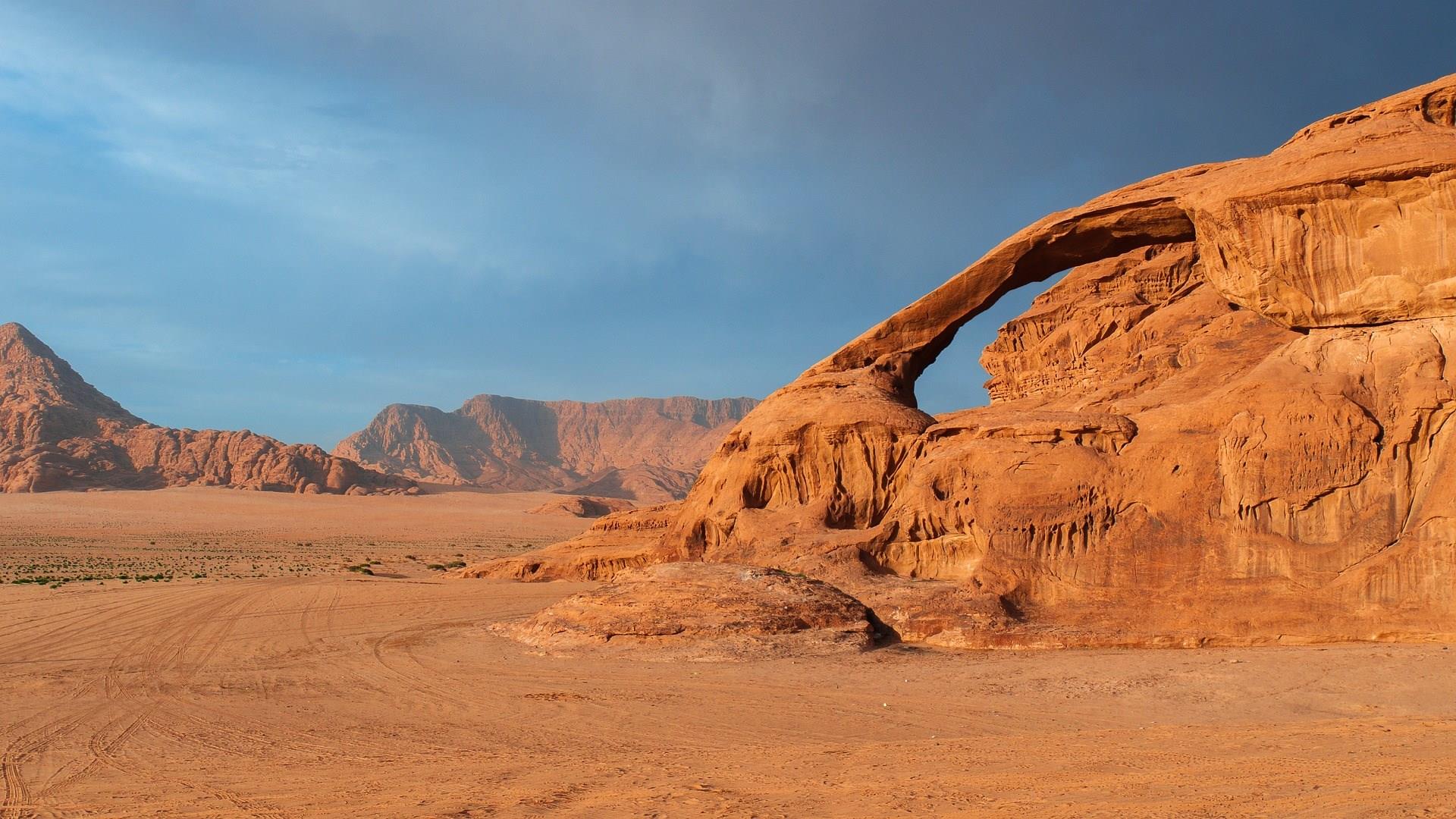
Wadi Rum
Wadi Rum, often called the “Valley of the Moon,” is a desert landscape in southern Jordan renowned for its dramatic sandstone mountains, sweeping red sand dunes, and ancient history carved into the rock. Its vast, otherworldly scenery has made it both a UNESCO World Heritage Site and a backdrop for films set on distant planets.
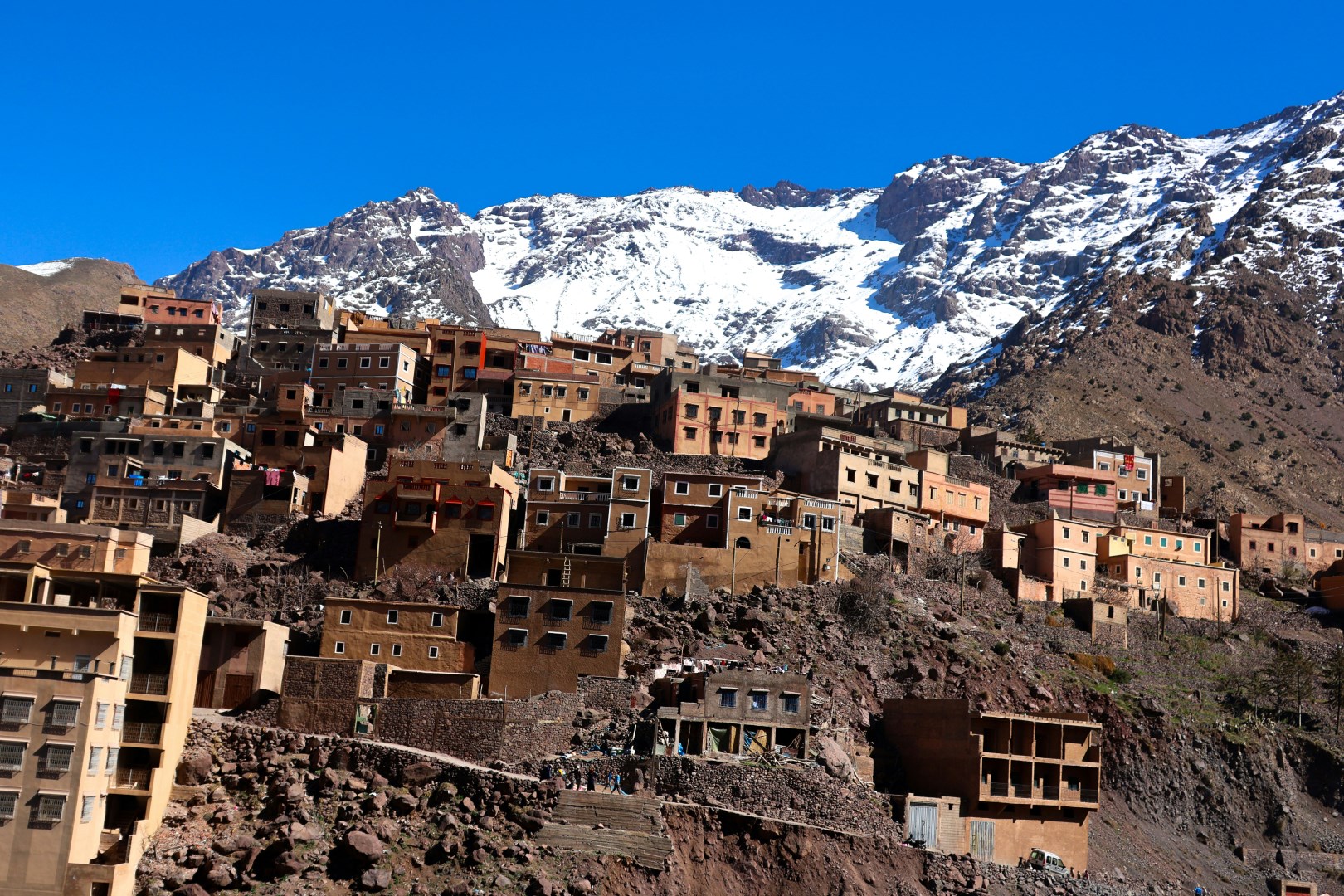
Aroumd
High in the Atlas Mountains, the village of Aroumd sits on a rocky slope above the Ait Mizane Valley. Reached by a walk or mule path from nearby Imlil, the journey itself sets the tone as one that's quiet, scenic, and far removed from city life. At nearly 1,900 meters above sea level, the air feels crisp, and the views stretch across terraced hills and distant peaks. The absence of large roads keeps the village peaceful, allowing visitors to experience daily life at a slower pace.
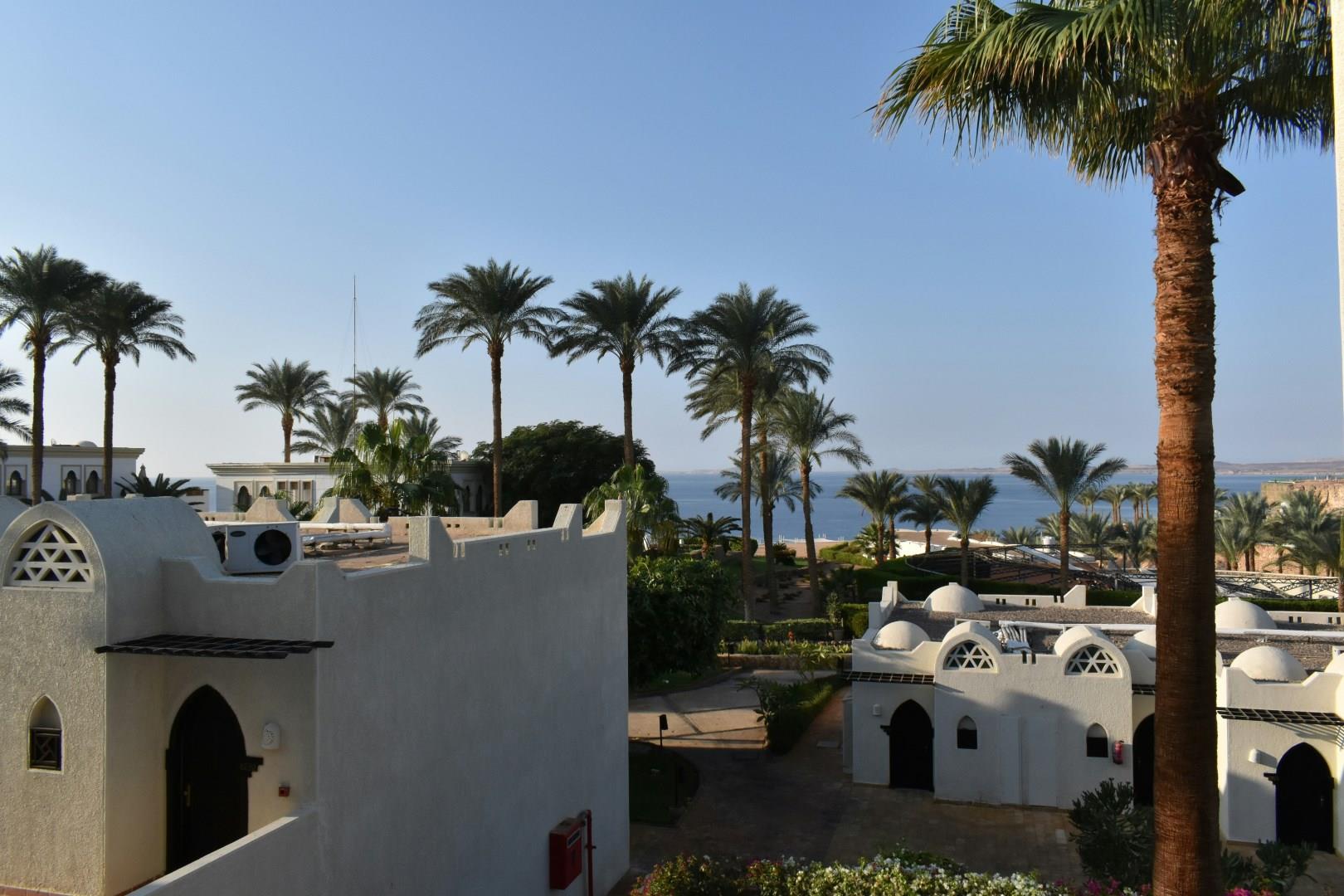
Sharm El Sheikh
Sharm El Sheikh sits on the southern tip of Egypt’s Sinai Peninsula, where the sparkling Red Sea meets desert ridges and wide skies. From its beginnings as a small fishing village it has grown into one of the world’s most recognized seaside destinations, drawing travelers to explore coral reefs, seaside promenades, and desert landscapes all within easy reach.
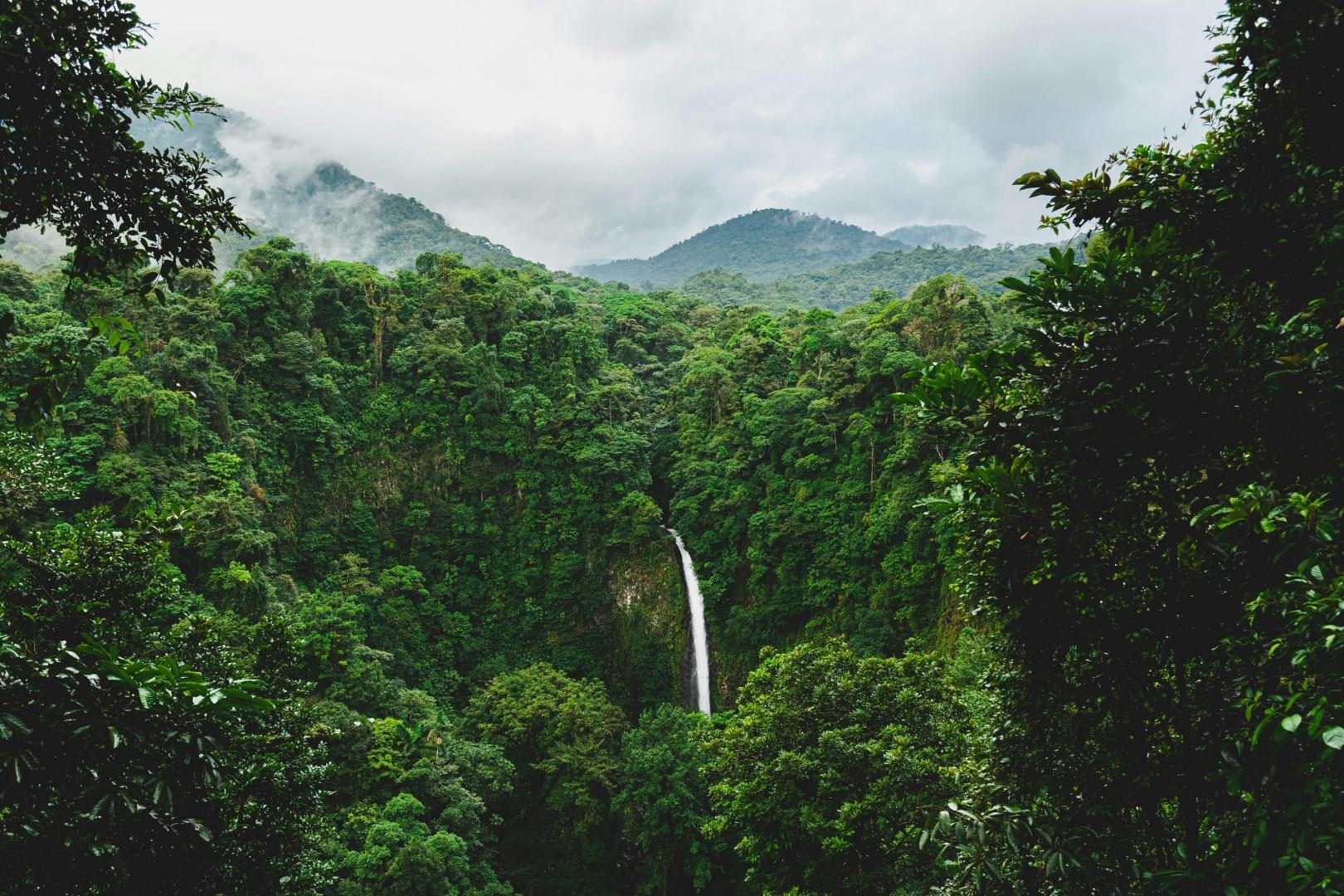
Arenal
Nestled in the lush region of northern Costa Rica, Arenal is a destination that promises adventure, relaxation, and breathtaking natural beauty. Dominated by the imposing Arenal Volcano, one of the most active volcanoes in the world until recently, this area is a paradise for nature lovers and thrill-seekers alike.
