
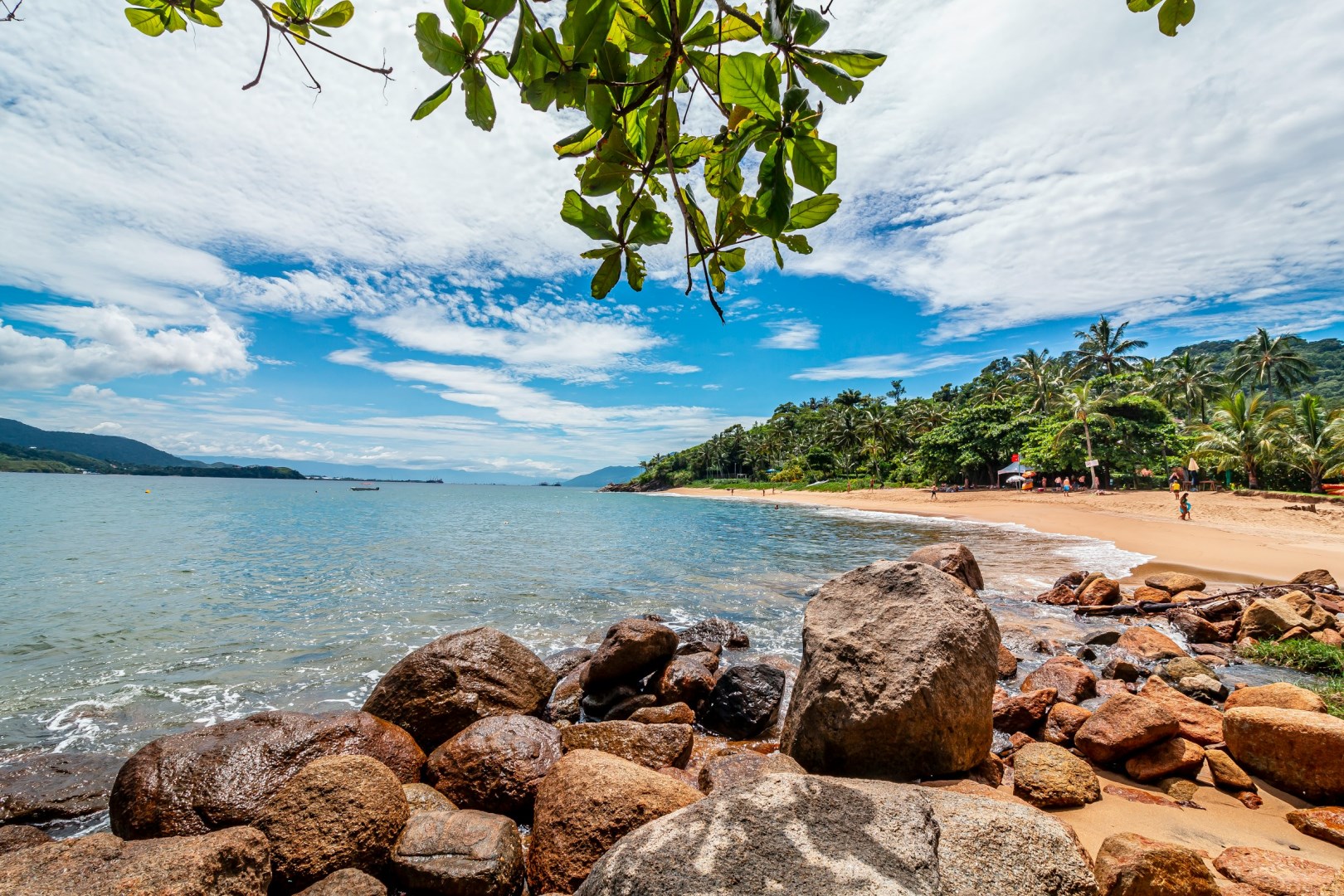
Ilhabela
Ilhabela is an archipelago municipality on the northern coast of São Paulo, separated from the mainland by the São Sebastião Channel. Its main island combines a developed coastal area with extensive Atlantic Forest, while smaller islands and islets form part of the same municipality. The town is known for sailing, beaches, waterfalls, and maritime activities, and it holds the official title of National Capital of Sailing.
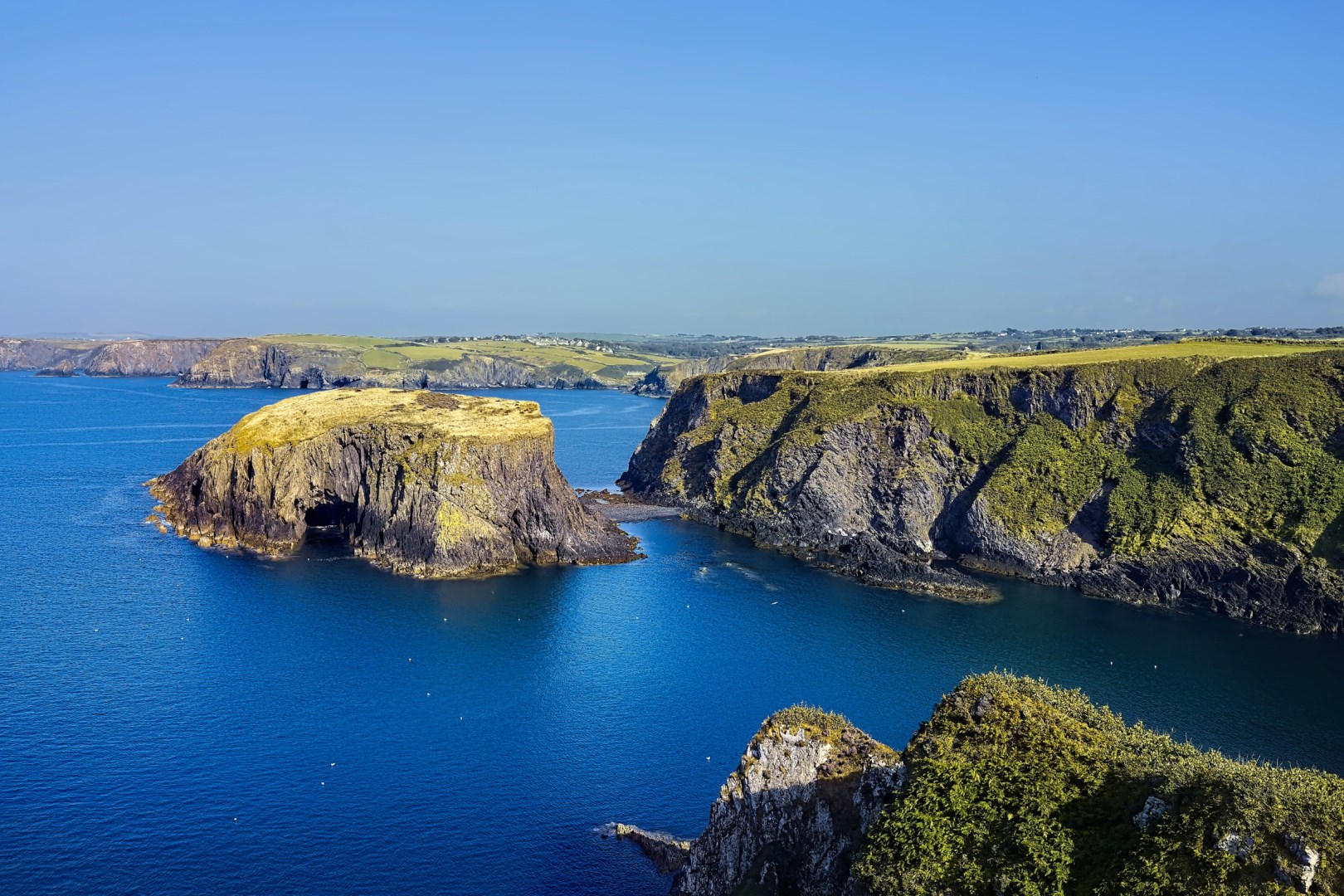
St. David's
At the heart of this tiny village is the 12th-century St. Davids Cathedral. And, beside it lie the ruins of the bishop's Palace. Walk the coastal path and visit the popular Oceanarium.
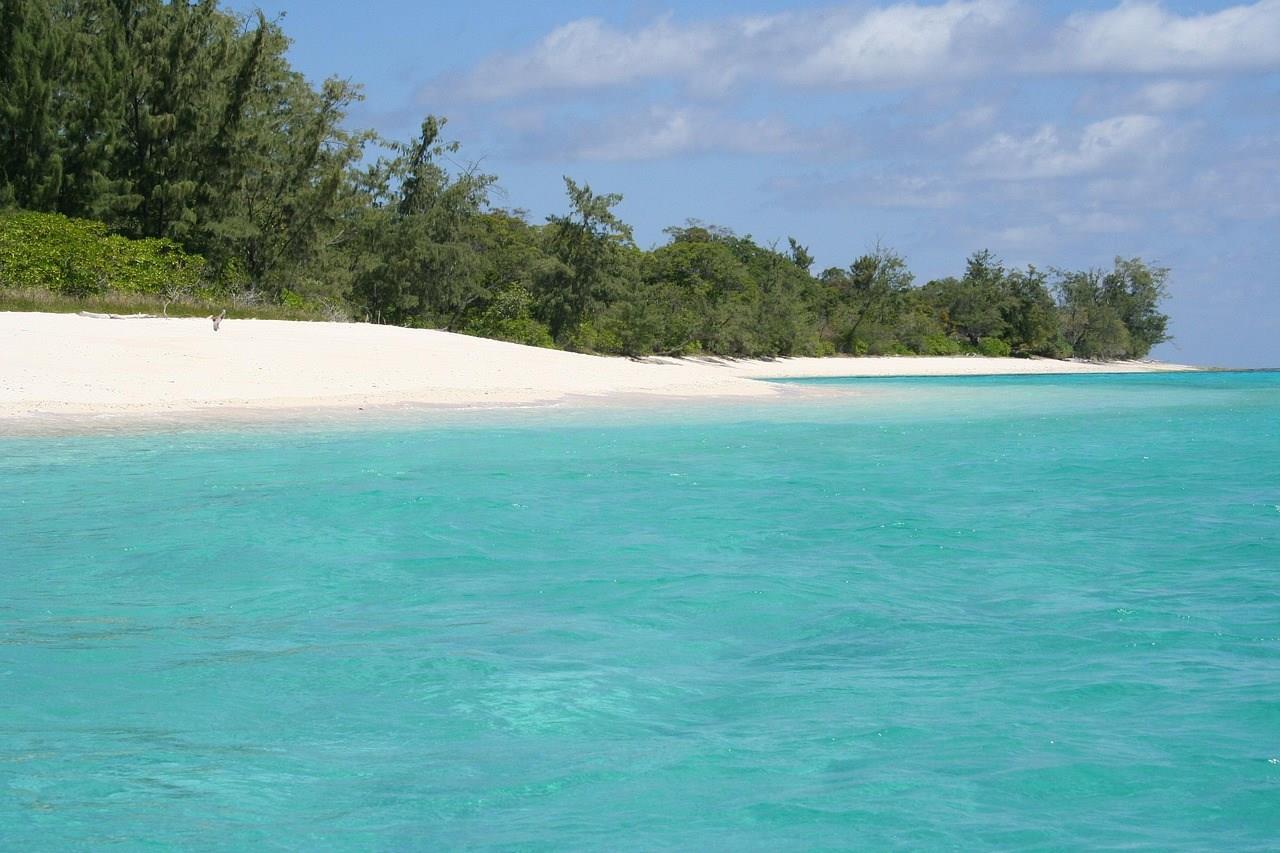
Timor-Leste
Timor-Leste, one of the world’s youngest nations, is a place where resilience and cultural richness shape everyday life. Its history is deeply marked by centuries of Portuguese colonial rule, followed by Indonesian occupation and a long struggle for independence, achieved in 2002.
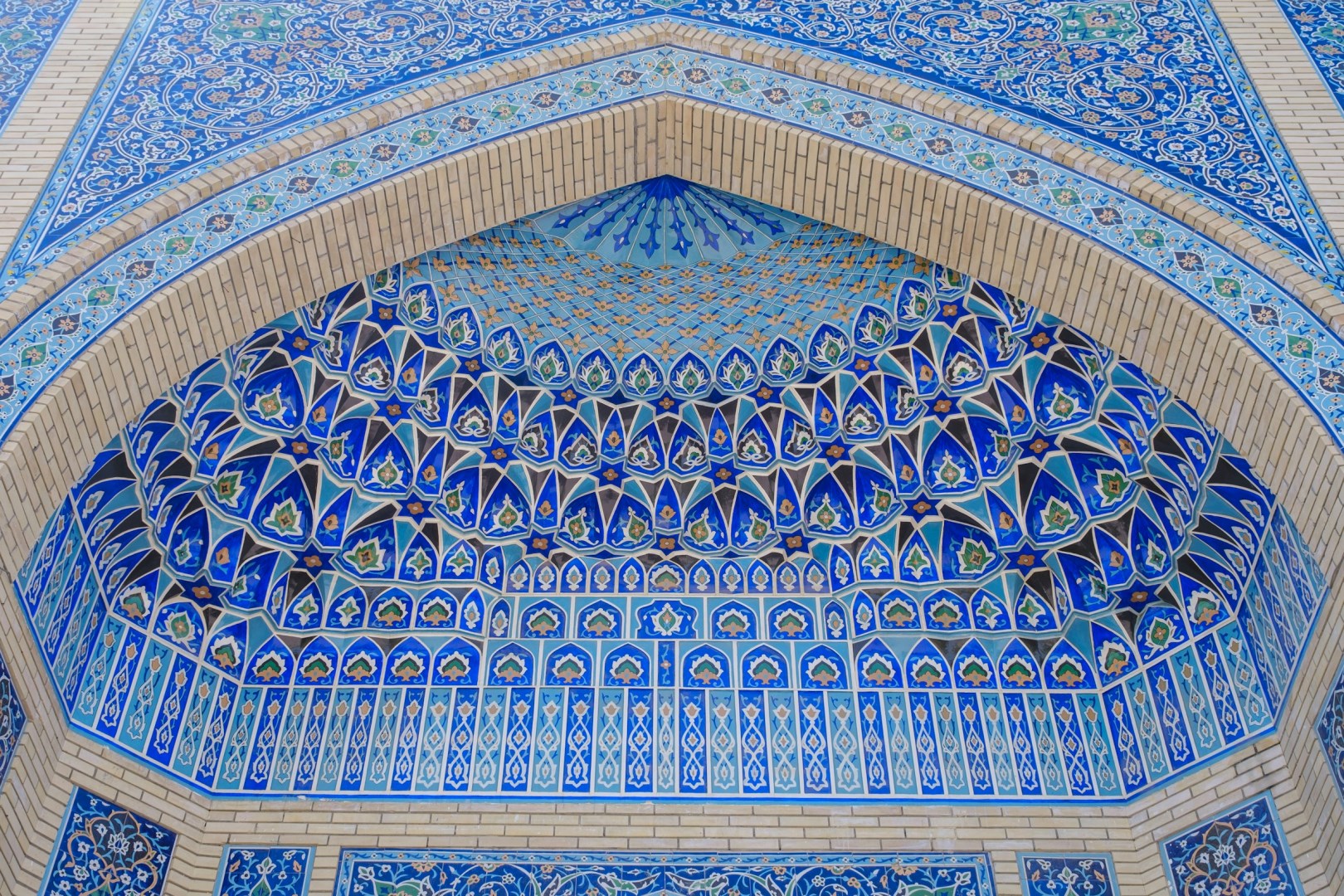
Zaamin
Zaamin is a mountain district in eastern Uzbekistan’s Jizzakh Region, known for its forests, highland landscapes, and traditional villages. The area lies around the Turkestan Range and is closely associated with Zaamin National Park, one of the country’s protected mountain areas. Zaamin has long been regarded as a destination for fresh mountain air and outdoor recreation, while its villages retain agricultural traditions and a quieter rural character.
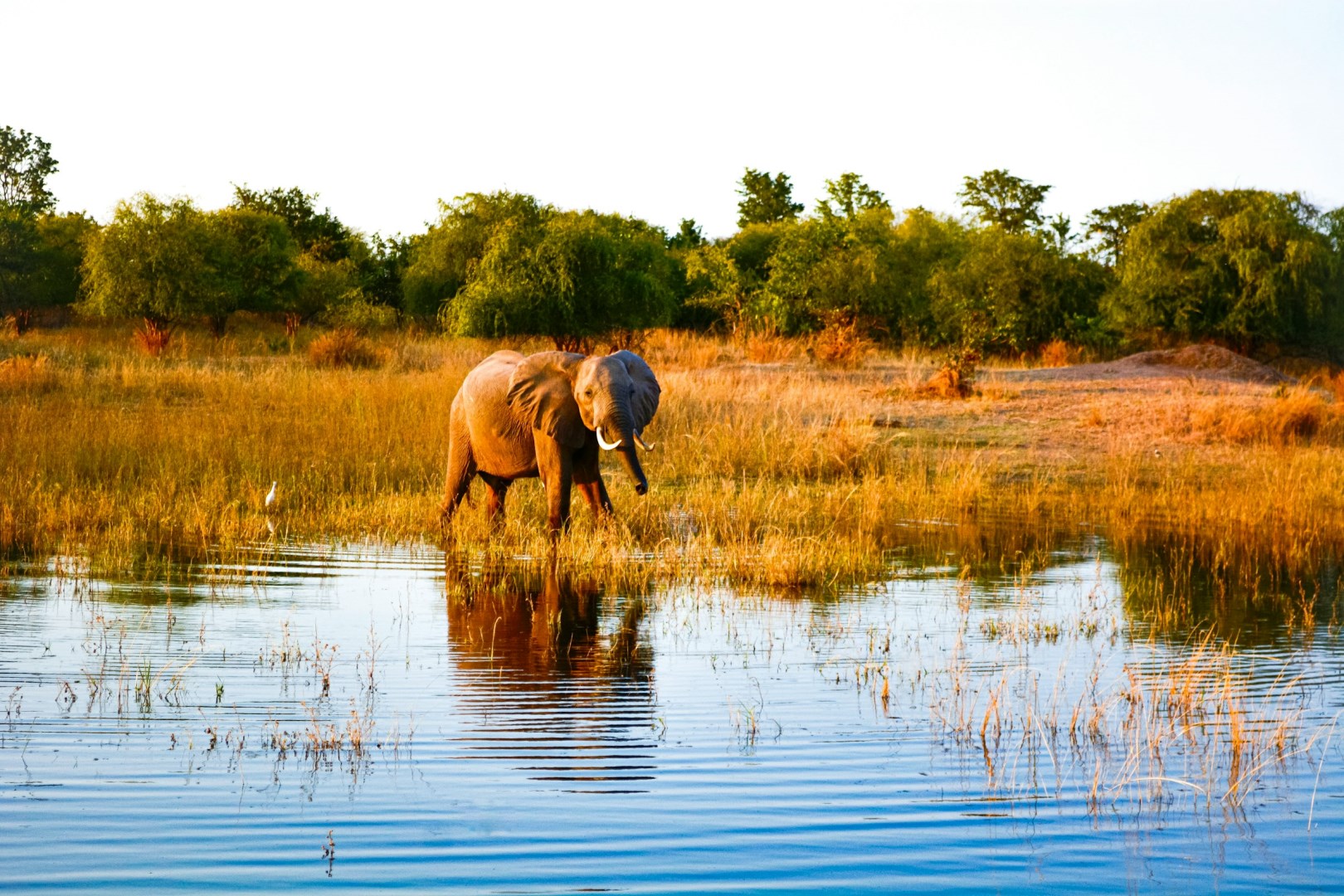
Lake Kariba
Lake Kariba is a large reservoir on the Zambezi River along the border between Zimbabwe and Zambia. On the Zimbabwean side, the lake stretches through a landscape of wooded hills, rocky shorelines, islands, and broad expanses of open water. The reservoir is closely connected with the town of Kariba, which developed around the hydroelectric project at the lake’s eastern end.
