
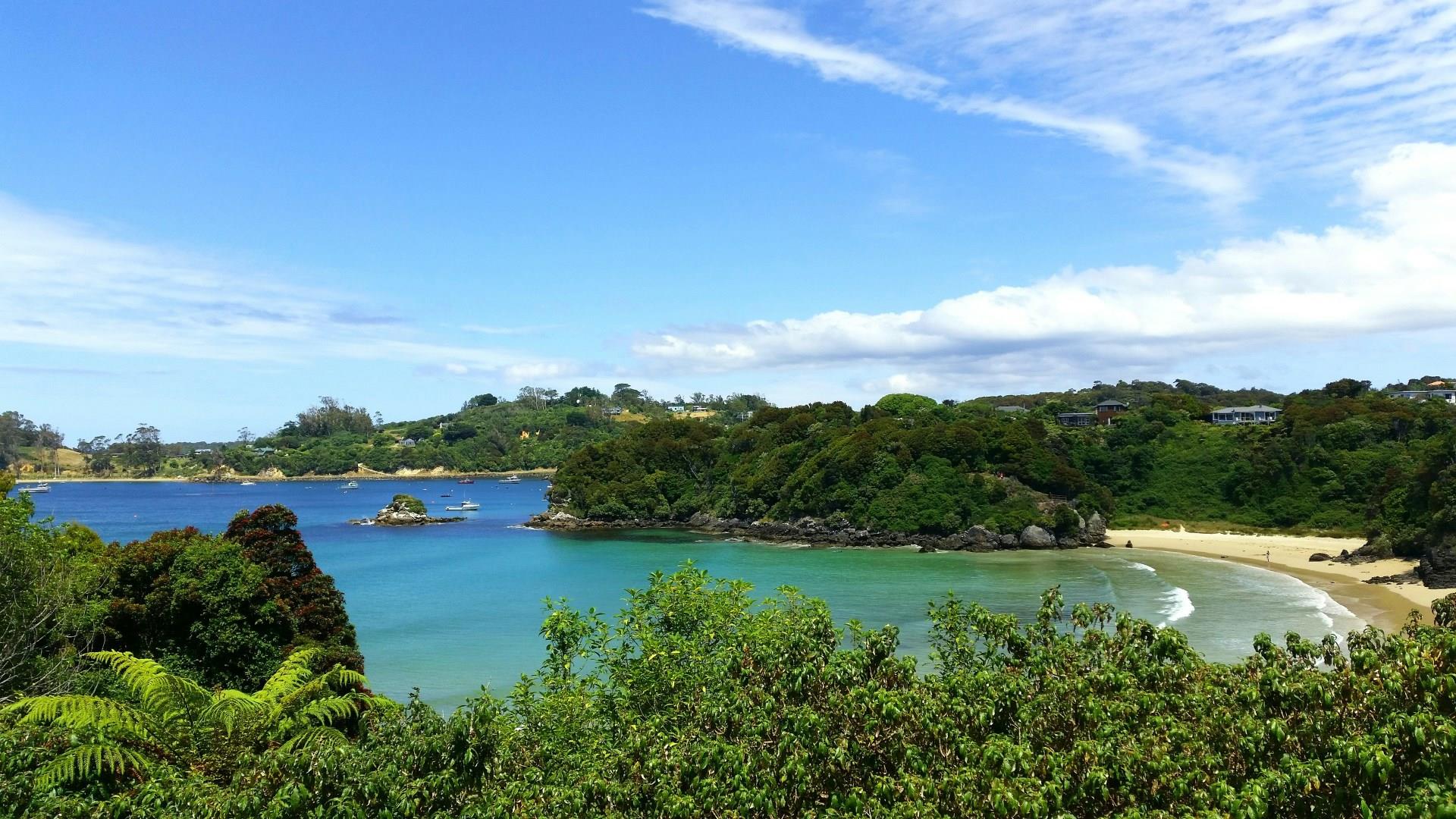
Stewart Island / Rakiura
Stewart Island, known in Māori as Rakiura, lies off the southern coast of New Zealand and is the country’s third-largest island.
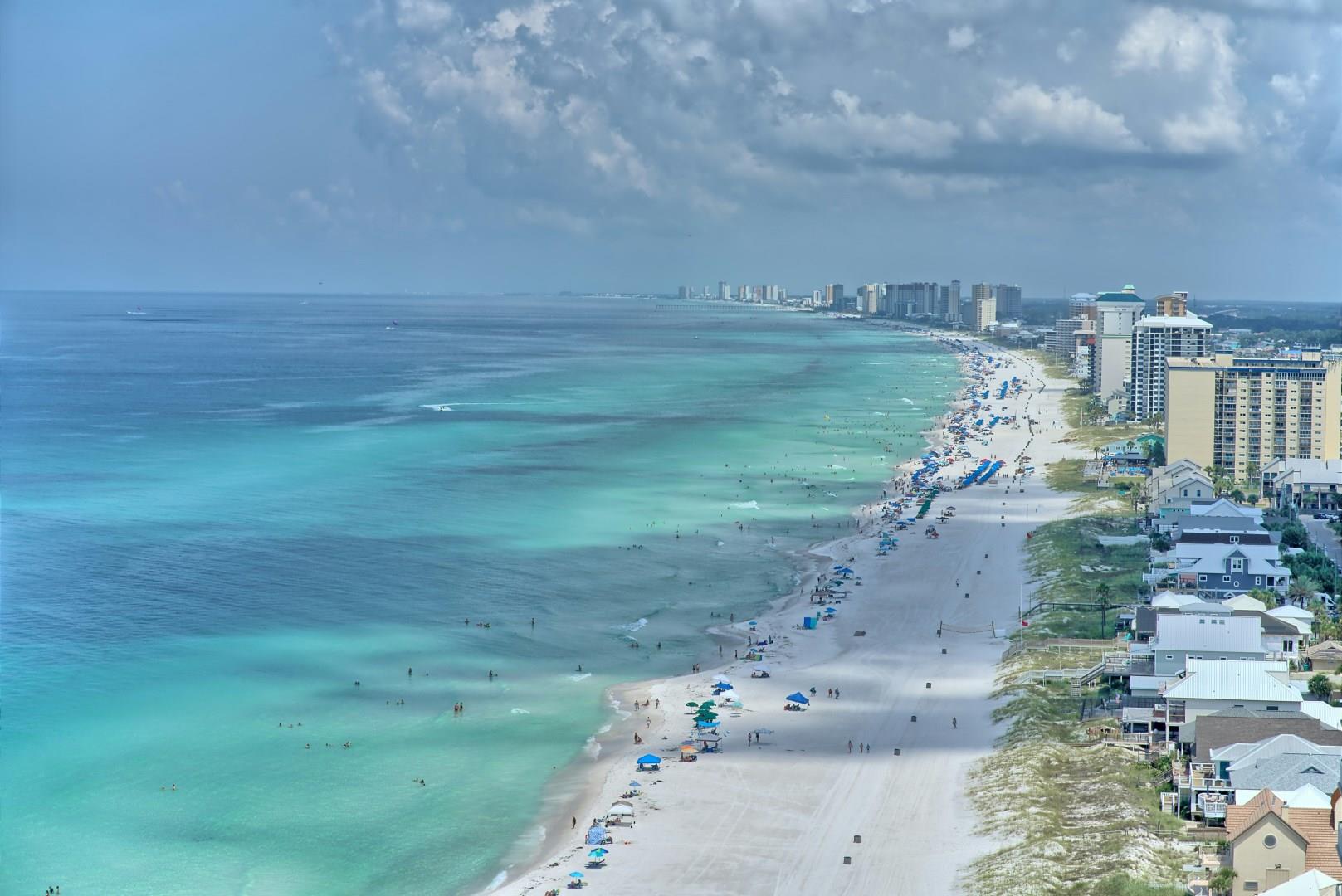
Panama City
Panama City, Florida, sits along the Gulf Coast where maritime history and modern beach culture intersect. Originally tied to shipbuilding and fishing, the city developed around St. Andrews Bay, which still anchors local identity through working marinas and long-established neighborhoods.

Svalbard
This mountainous archipelago offers magnificent views of stark white glaciers and snowfields, which cover a vast stretch of the region. Arctic flora and fauna fascinate; catch a glimpse of polar bears, reindeer, arctic foxes, and walruses amongst the mossy tundra and icy coasts. In the summer, visitors will witness the rare splendor of Svalbard’s midnight sun.
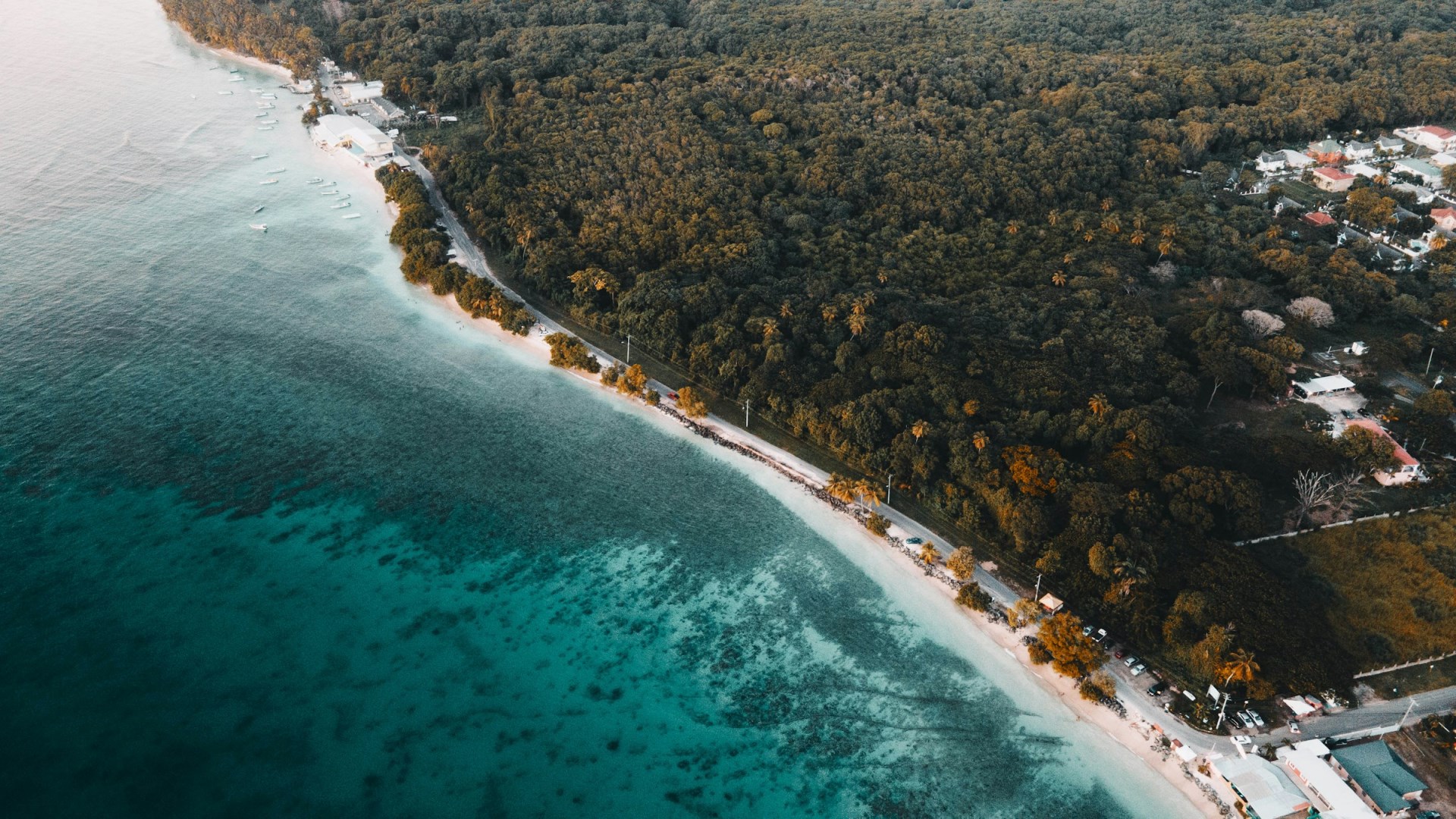
Crown Point
Crown Point is a coastal area at the southwestern tip of Tobago, known for sandy beaches, shallow Caribbean waters, and its proximity to the island’s main airport. The area sits between Store Bay and the shoreline around Pigeon Point, with low hills and tropical vegetation extending inland. Crown Point forms part of Tobago’s main visitor district, with hotels, guesthouses, restaurants, shops, and small businesses spread through the surrounding communities.
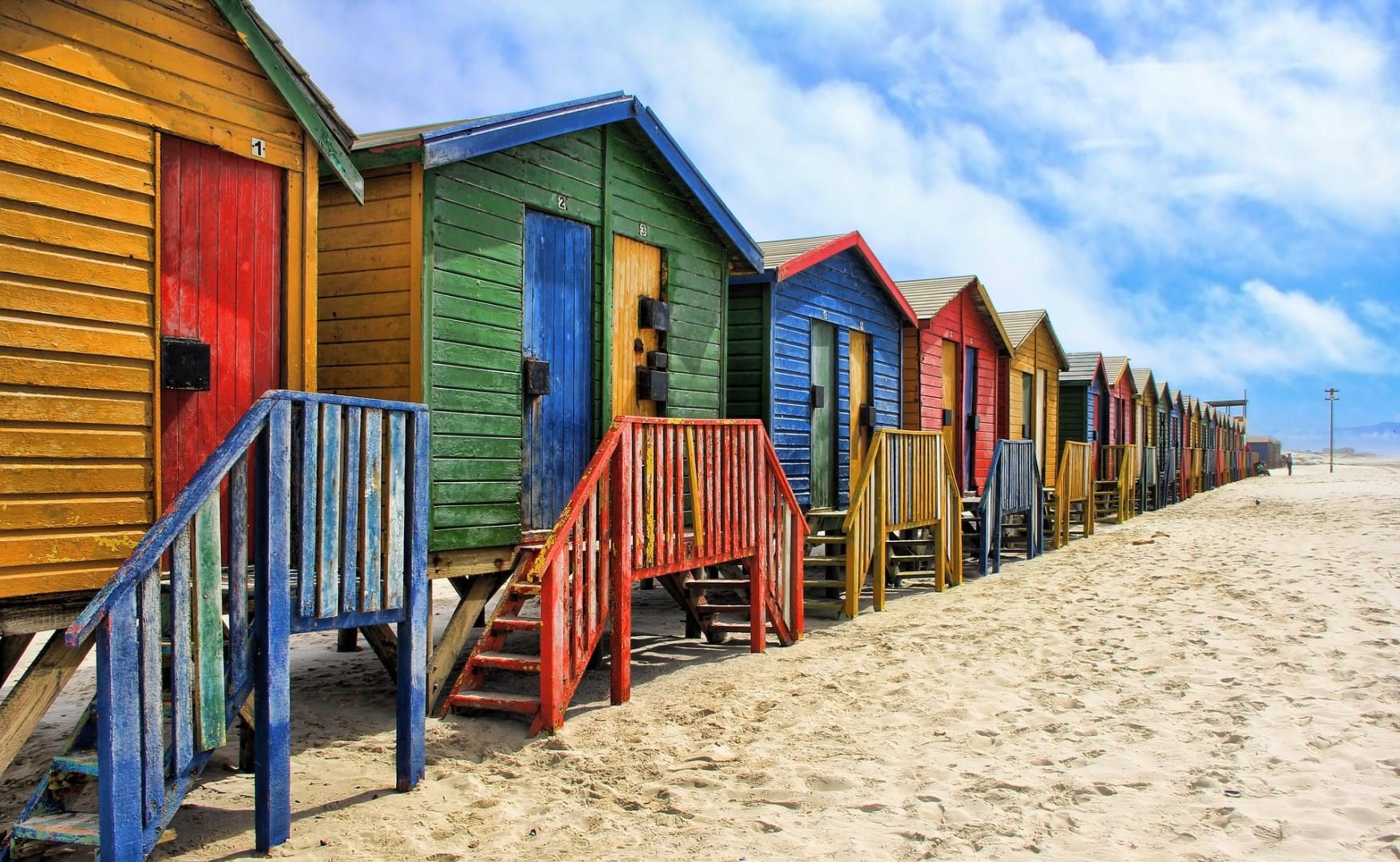
Muizenberg
Muizenberg, a picturesque suburb of Cape Town, South Africa, is renowned for its stunning coastline and vibrant atmosphere. Located along the False Bay, Muizenberg is celebrated for its expansive sandy beach and crystal-clear waters, making it a haven for surfers and sun-seekers alike. The beach is not only popular for its surf but also for its colorful Victorian-style beach huts, which have become iconic symbols of the area. These charming structures, with their bright hues and retro charm, pro
