
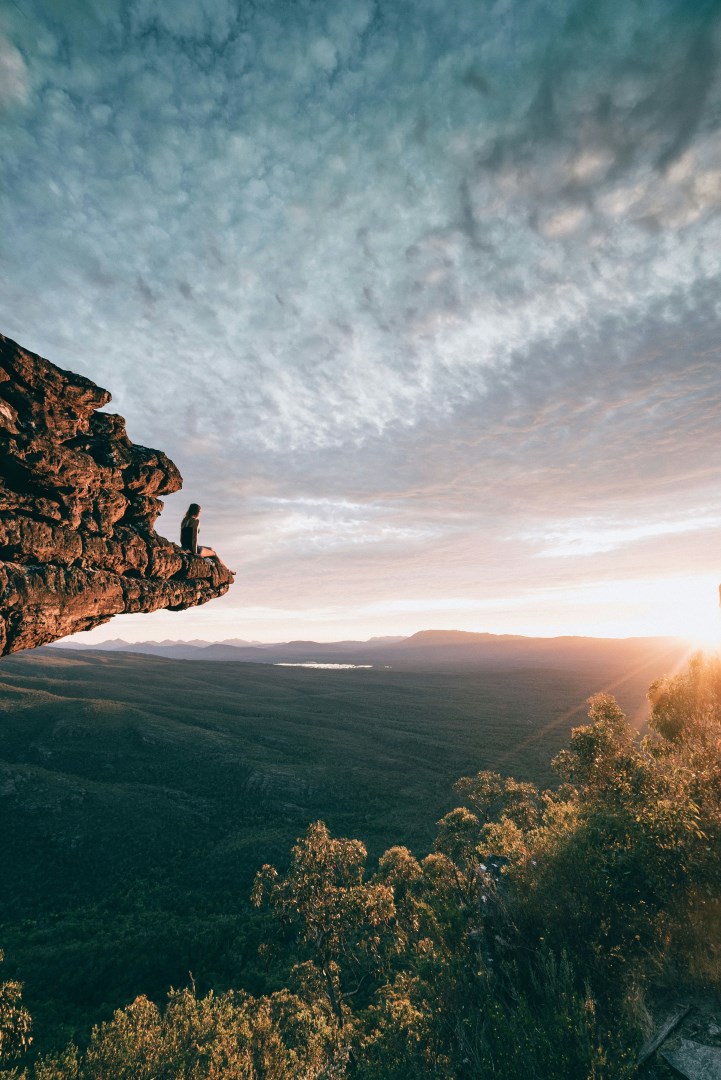
Grampians National Park
Grampians National Park, known as Gariwerd by the Traditional Owners, is a mountainous landscape in western Victoria defined by sandstone ranges, rocky escarpments, forests, waterfalls, and broad valleys. The park forms part of the Grampians-Gariwerd region and contains some of Victoria’s most extensive areas of protected native habitat.

France
France offers far more than its capital city. While Paris draws millions each year, the country’s true richness lies in its variety, from Alpine villages to Atlantic coastlines, medieval towns to Mediterranean markets. In Normandy, visitors can walk along the D-Day beaches or explore the towering abbey of Mont-Saint-Michel, which becomes an island at high tide. Further inland, the Loire Valley is dotted with over 300 castles, many of which are open for tours and even overnight stays.
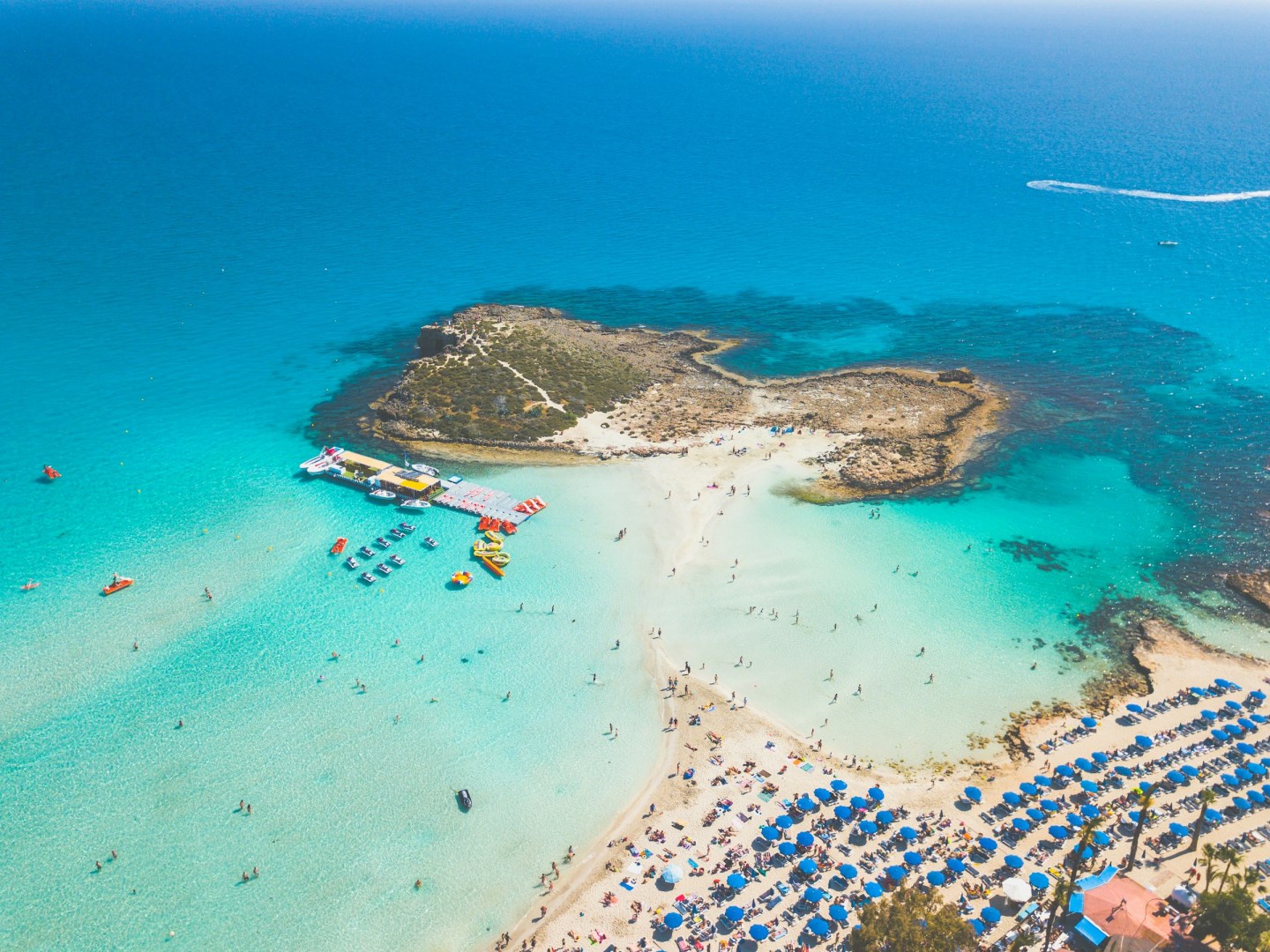
Ayia Napa
Ayia Napa is a coastal town in southeastern Cyprus, known for its sandy beaches, clear coastal waters, fishing harbor, and extensive tourism infrastructure. Once a small fishing village, it has developed into one of Cyprus's best-known seaside resorts while retaining several historic and cultural landmarks.
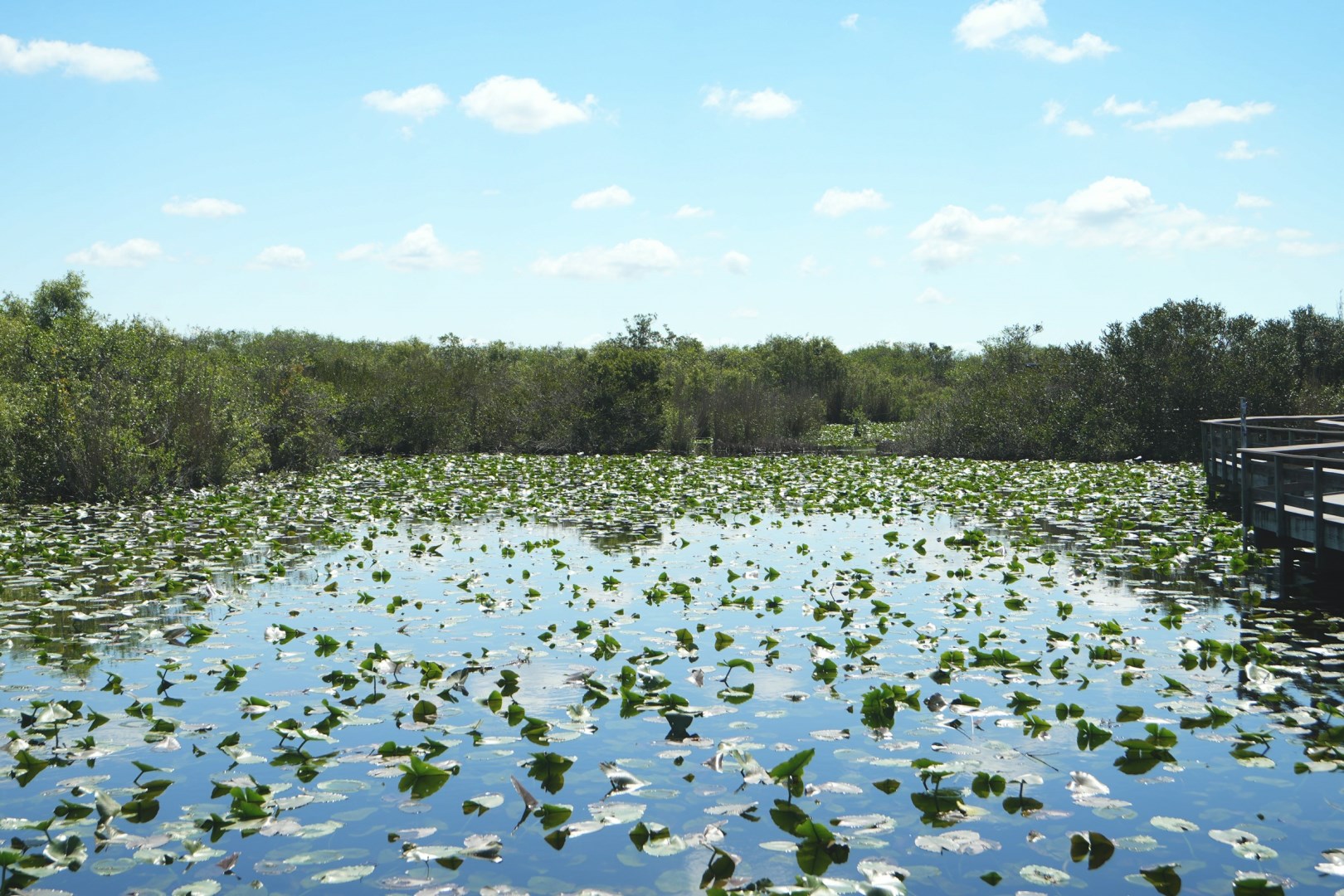
Everglades National Park
Everglades National Park protects a vast subtropical wetland at the southern tip of Florida, where freshwater moves slowly through sawgrass marshes, mangrove forests, hardwood hammocks, and coastal lagoons toward Florida Bay. Covering more than 1.5 million acres, it is the largest subtropical wilderness in the United States. The park is part of a much larger ecosystem whose waters originate in central and southern Florida and eventually reach the Gulf of Mexico and Florida Bay
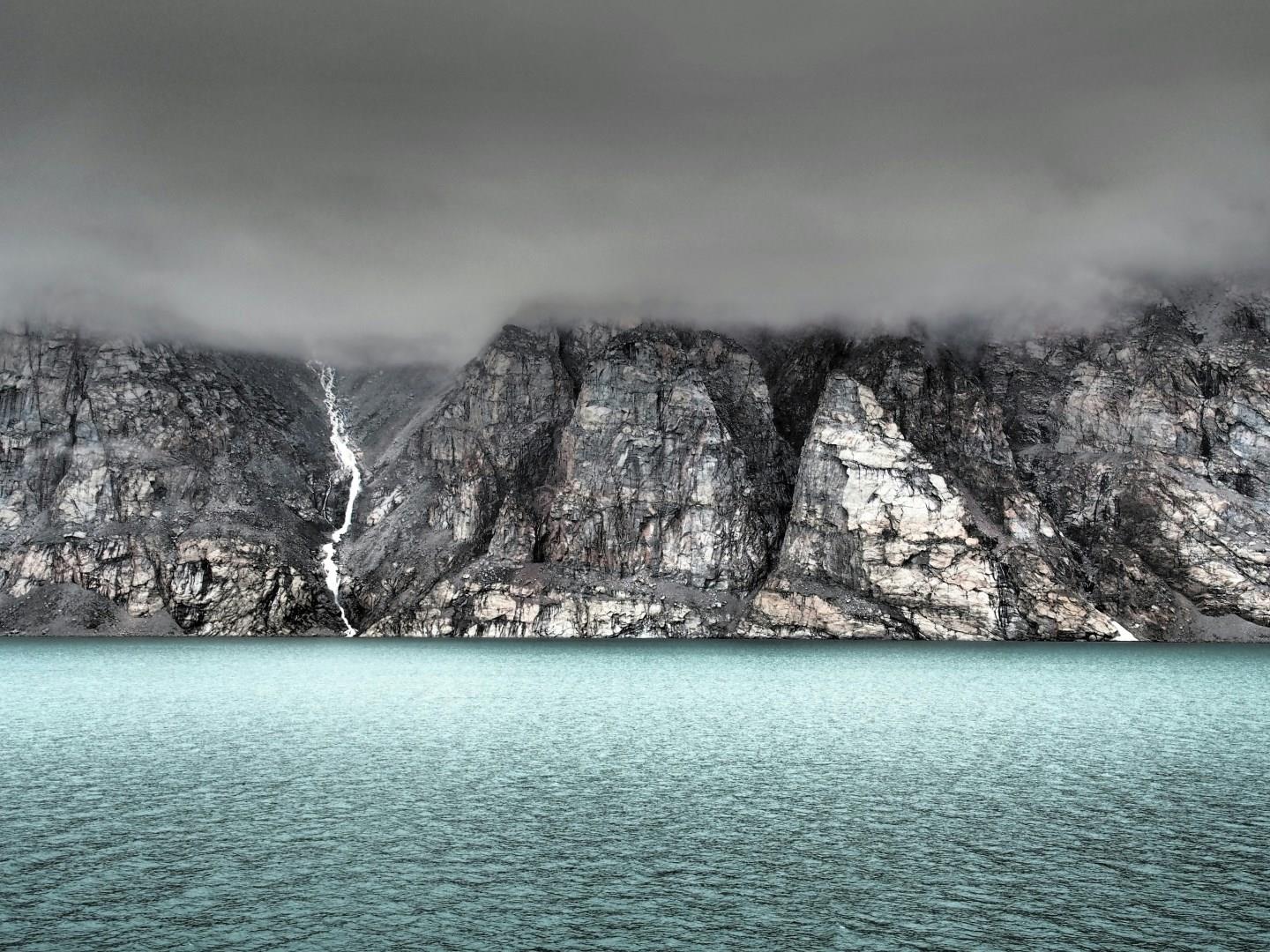
Baffin Island
Baffin Island is Canada’s largest island and one of the Arctic’s most imposing landscapes, shaped by ice, migration, and long human presence. Inuit communities have lived here for thousands of years, developing deep connections to sea ice, wildlife, and seasonal movement.
