
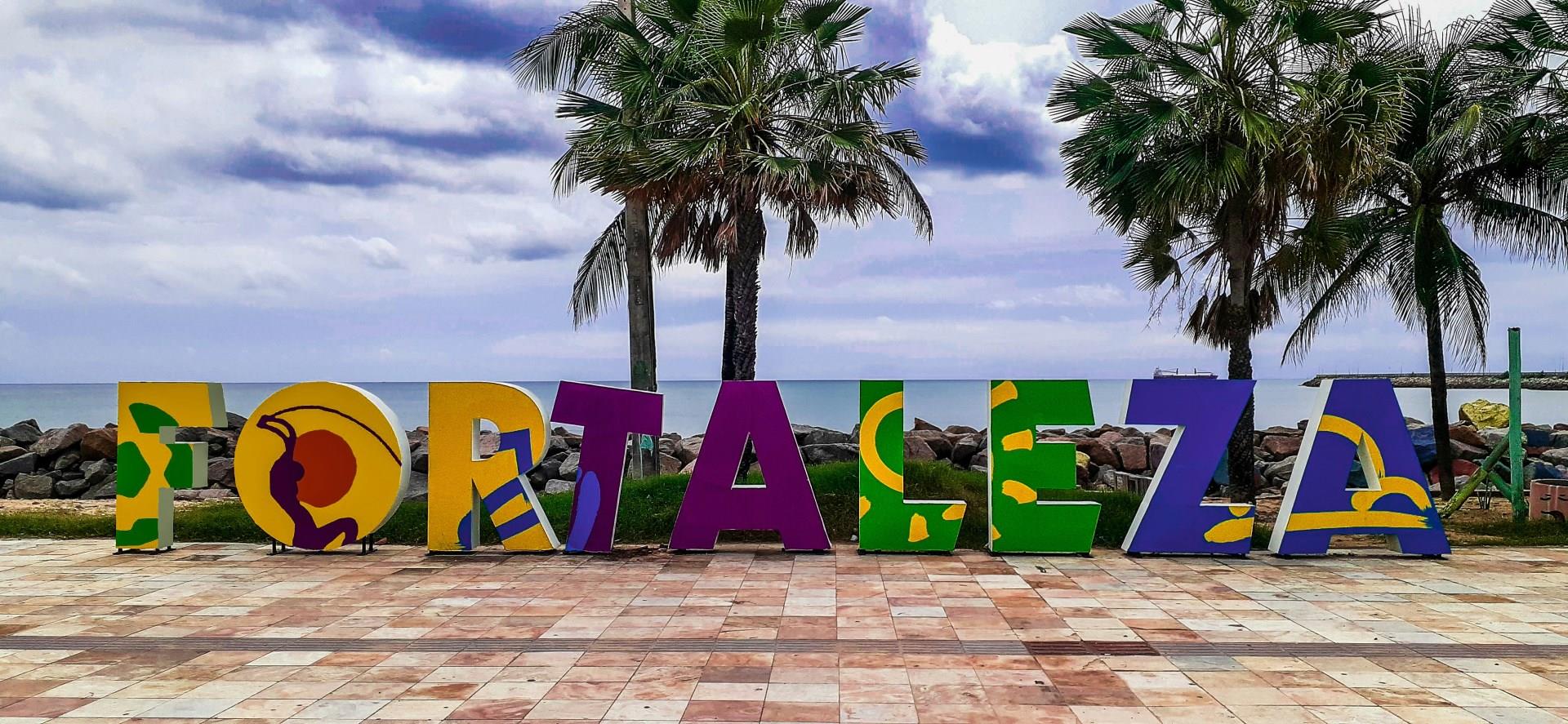
Fortaleza
Fortaleza, on Brazil’s northeastern Atlantic coast, greets visitors with wide sandy beaches that stretch for miles along warm, blue water. Beyond the city’s shoreline, dramatic dunes and inviting waters make Fortaleza an ideal base for exploring nearby beach towns like Cumbuco and Canoa Quebrada, each with its own rhythms and landscapes.

Nova Scotia
Nova Scotia covers an area of 21,425 sq. miles, and Halifax is the capital. This is an area rich in history — Gaelic is still spoken here in some areas by descendants of the early settlers. The coast is peppered with fishing villages, and inland the climate boasts sprawling valleys and rocky headlands.
Zacatecas
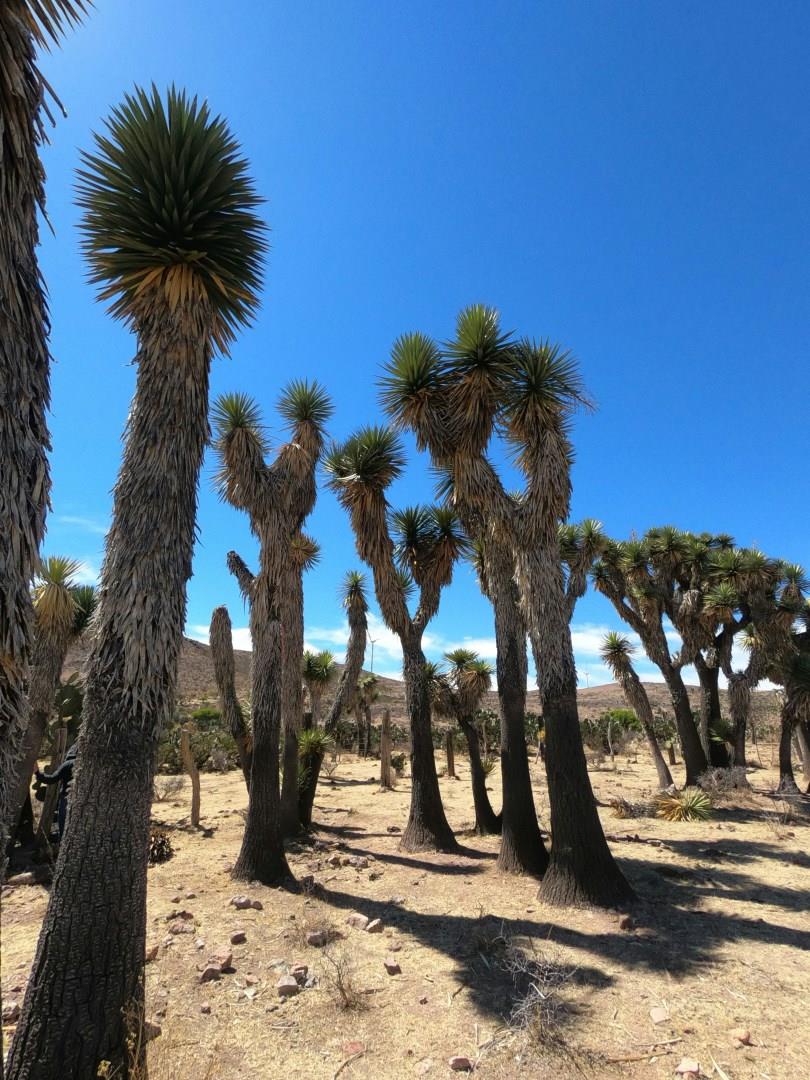
Zacatecas, built into the slopes of a narrow ravine in north-central Mexico, is a city with a deep mining past and a striking skyline. The historic center, a UNESCO World Heritage Site, is known for its pink cantera stone buildings, narrow alleys, and impressive baroque facades. The Cathedral Basilica of Zacatecas, completed in 1752, stands as one of the most detailed examples of Mexican baroque architecture, with hundreds of carved figures covering its sandstone exterior.
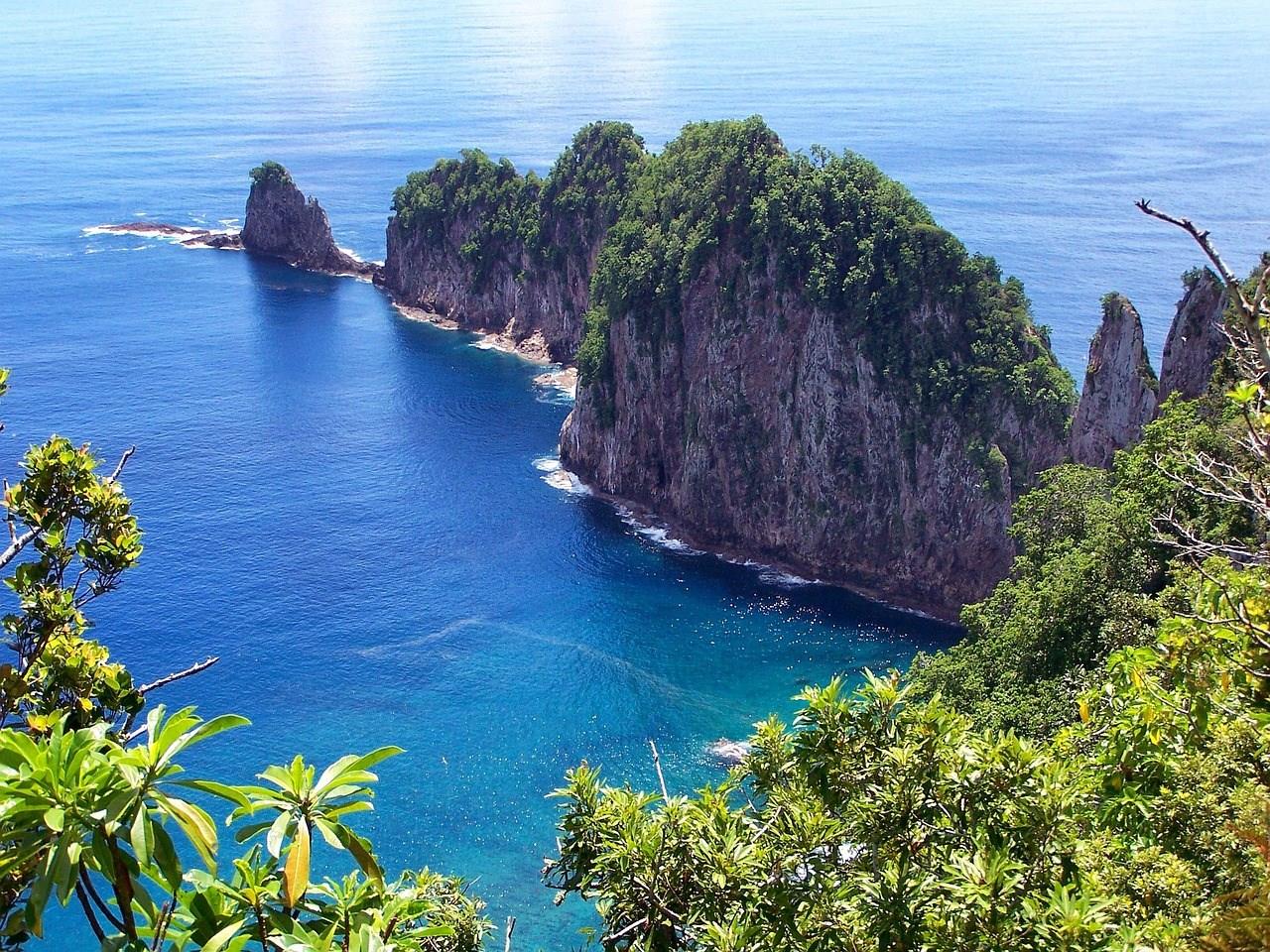
National Park of American Samoa
The National Park of American Samoa invites visitors to step into a world shaped by towering volcanic ridges, tangled rainforests, and clear coral-sand bays. Spread across Tutuila, Ta‘ū, and Ofu islands, the park protects nearly 13,500 acres of land and 4,000 acres of ocean, an unusual patchwork where ancient ecosystems like paleotropical rainforests meet hip-deep coral reefs. Only U.S. national park in the Southern Hemisphere, it’s a place where you can hike through cloud-shrouded forests and t

Mexico
Mexico offers the best beaches, scuba diving, nightlife, cultural attractions and cuisine in the world. Millions of people flock to this country every year for a well-needed vacation. Archaeological ruins, inexpensive shopping, and festive music are its foremost attractions.
