
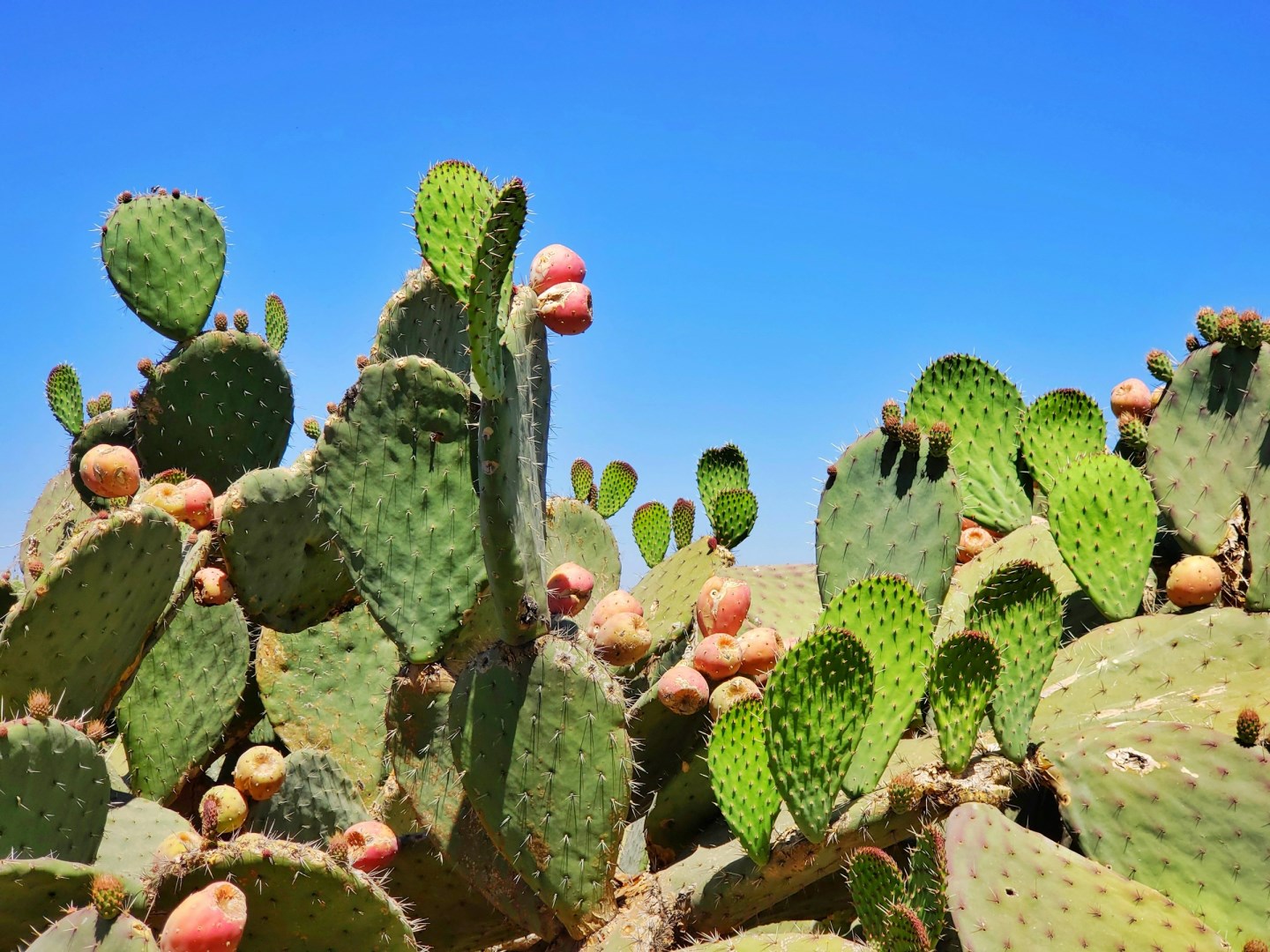
San Juan Teotihuacán
Mexico can be so much more than beautiful beaches. Discover the rich history, culture, and heart of Mexico in Teotihuacan.

London
London, Ontario, nestled along the Thames River, is a city brimming with charm and diverse experiences. Known as the "Forest City," it boasts an impressive array of green spaces, including the expansive Springbank Park, which offers picturesque trails, gardens, and the renowned Storybook Gardens—a whimsical spot for families and children.
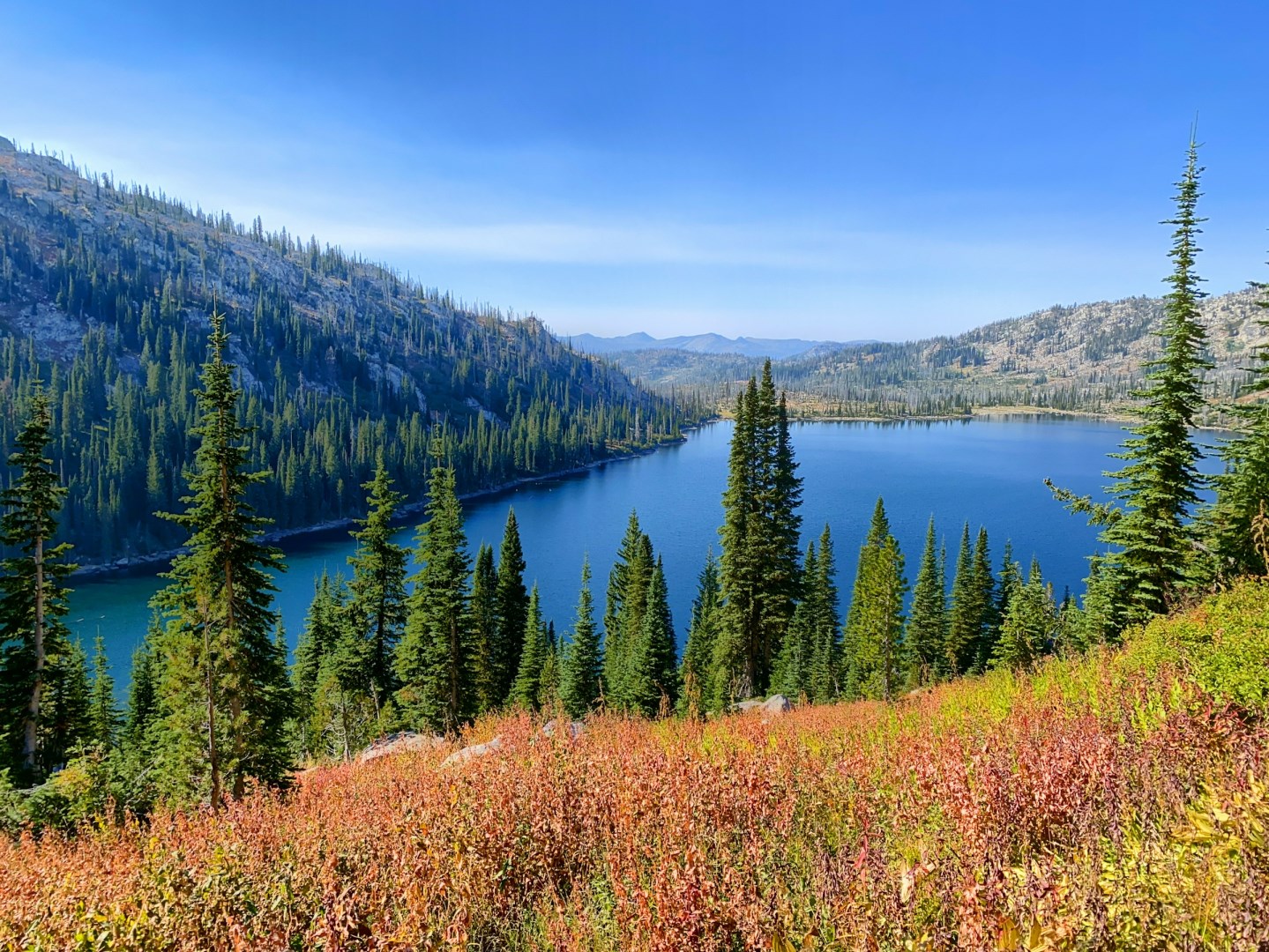
Payette National Forest
Payette National Forest covers a large area of west-central Idaho, extending across the rugged Salmon River Mountains and the western side of the state’s central mountain country. The forest includes alpine ridges, deep river valleys, conifer forests, meadows, and high mountain lakes.
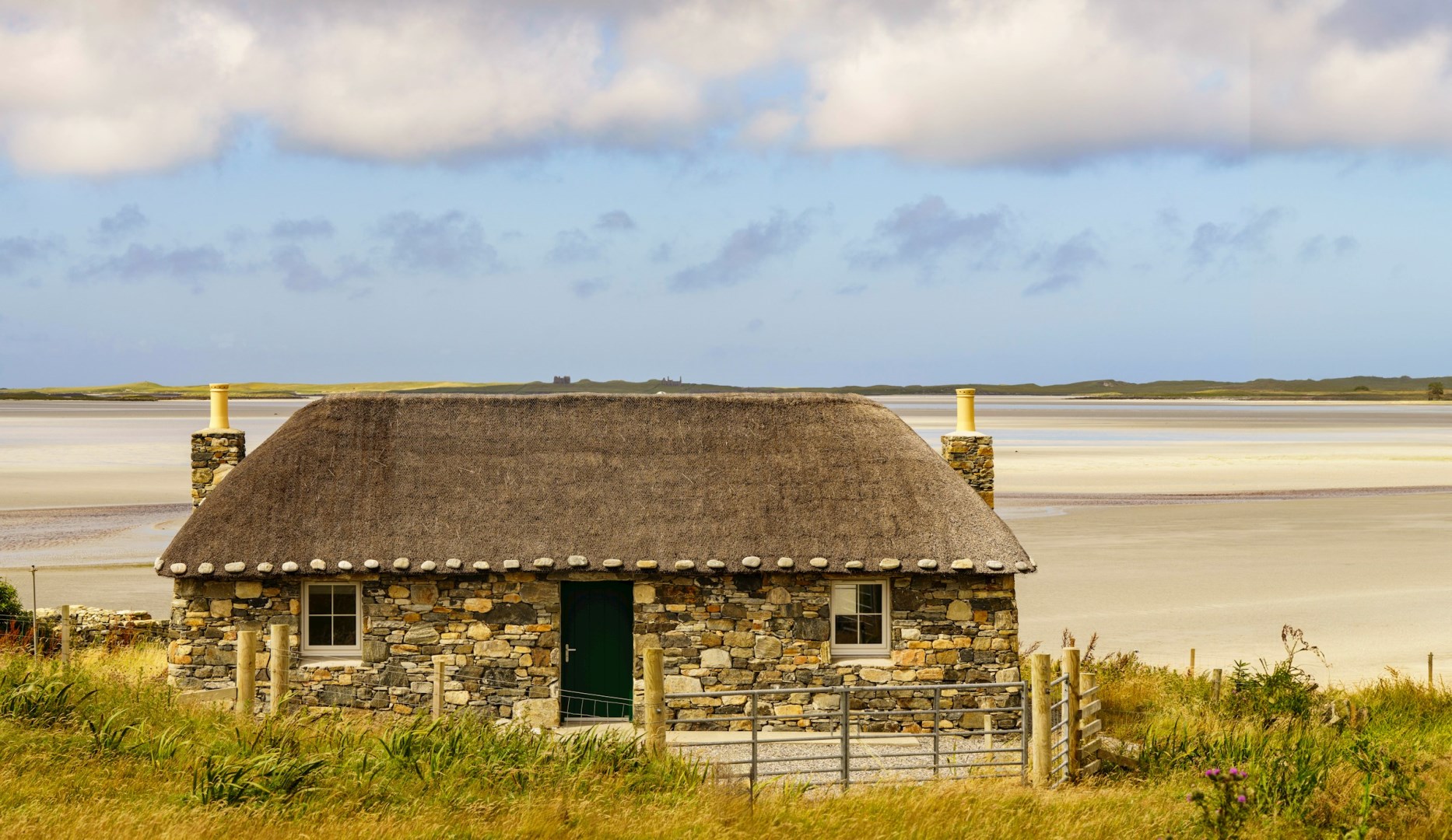
Outer Hebrides
The Outer Hebrides form a long chain of more than 70 islands off Scotland’s northwest coast, stretching from Lewis and Harris through the Uists to Barra and Vatersay. The islands are linked by ferries, bridges, and causeways, but each has a distinct landscape and community character. Stornoway on Lewis is the principal town and a center for local administration, arts, and commerce.
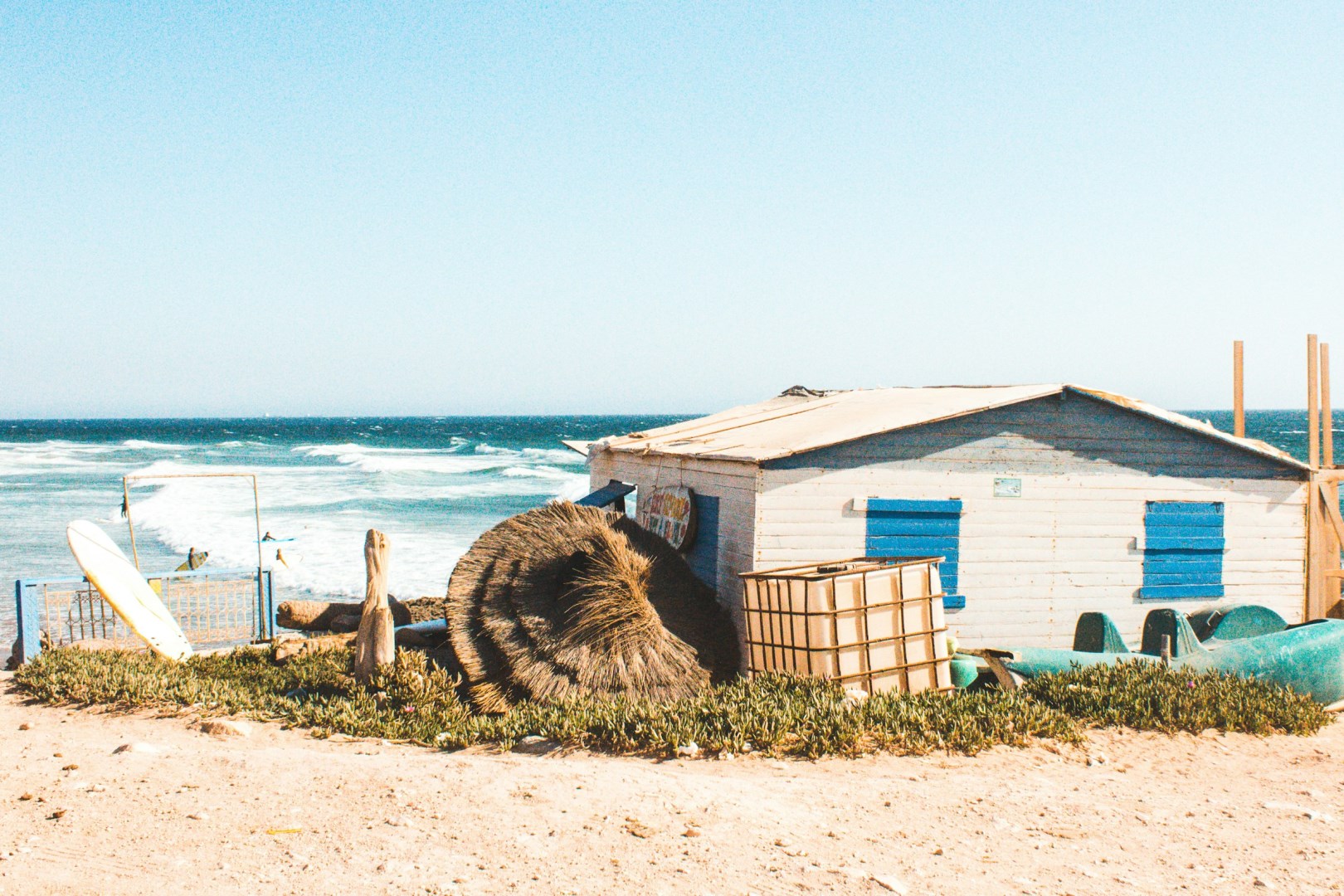
Tamraght
Tamraght is a small coastal village in Morocco’s Souss-Massa region, located between Agadir and Taghazout above the Atlantic Ocean. The village sits on a hillside overlooking a coastline known for sandy beaches, rocky headlands, and reliable surf. Its setting also includes green banana plantations and argan trees around the nearby valleys, creating a noticeable contrast with the dry hills farther inland.
