
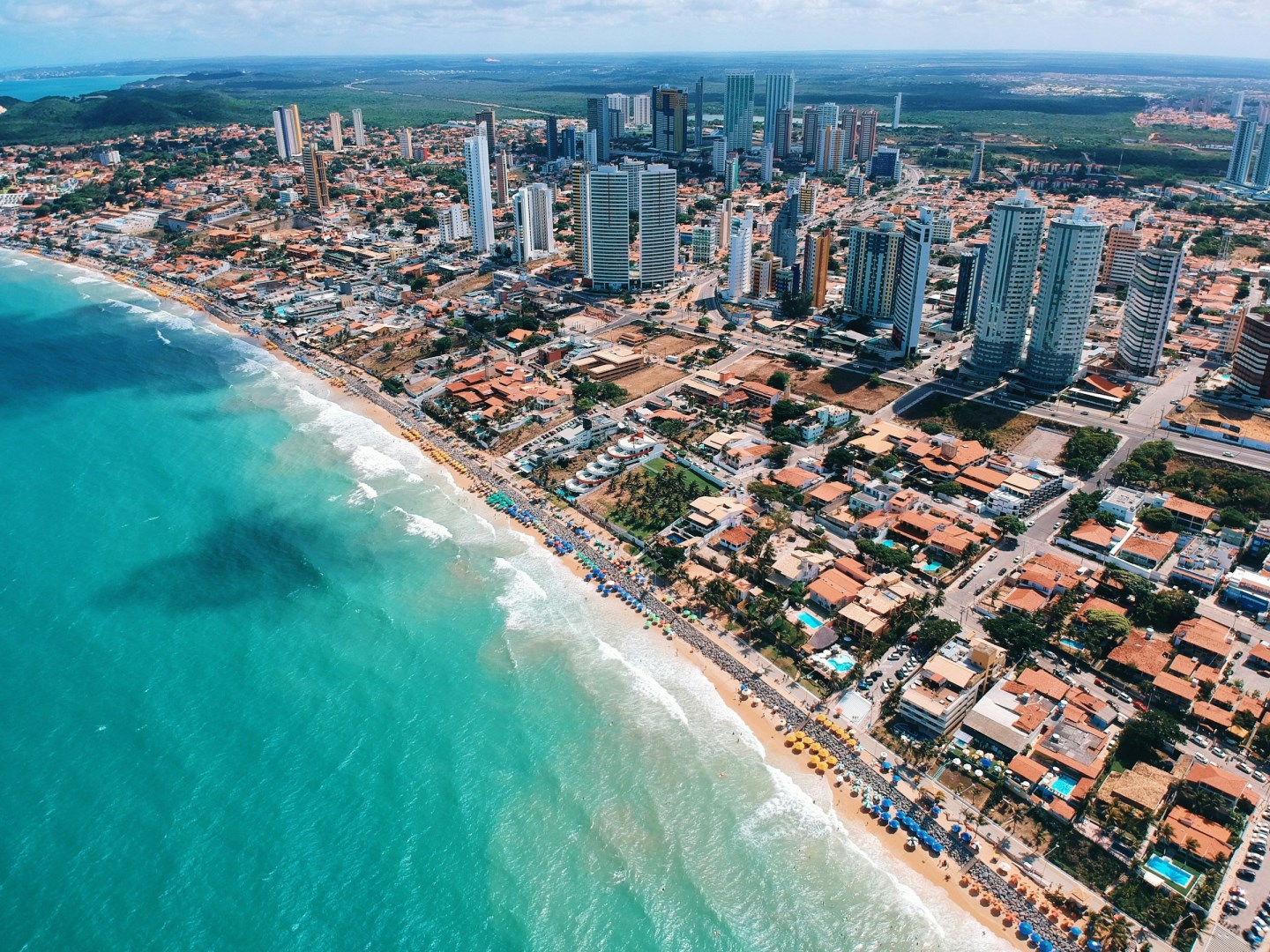
Natal
Thanks to the implementation of a coastal highway in the 1980s and the government's subsequent infrastructure investments, Natal is now the largest city in Brazil's Rio Grande do Norte. Visitors are drawn to its beautiful beaches, white sand dunes and a diverse cultural experience. The city also lays claim to having some of the cleanest air on the continent as well as the world's largest cashew tree, the Cajueiro de Pirangi, which produces roughly 70,000 nuts annually.
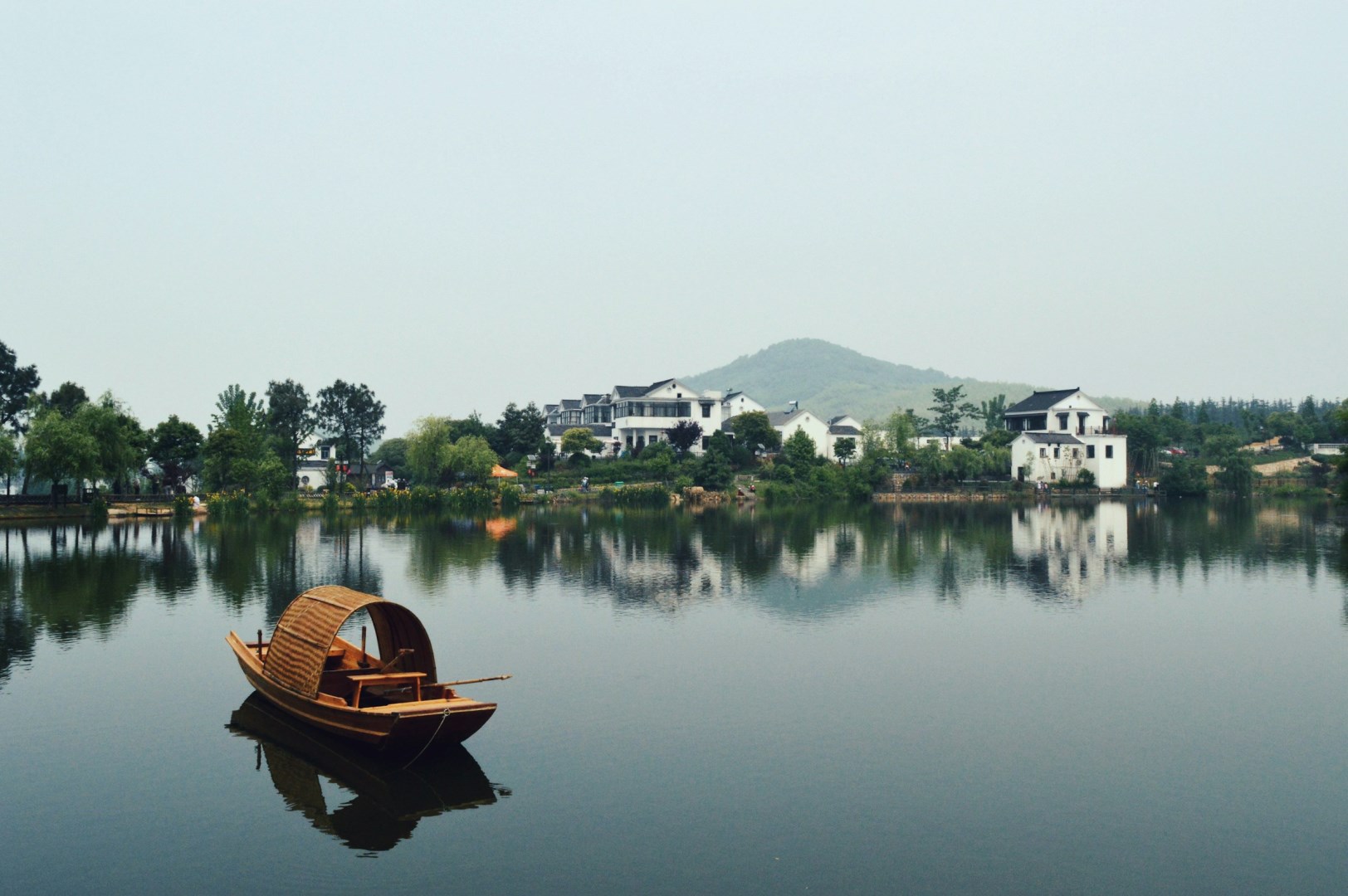
Nanjing
This is a city one could get lost in for days, exploring the old Ming Dynasty walls and wandering through its superb museum. If time permits, you should also take a walk through Linggu Park, home of the Linggu Pagoda and other items of Buddhist interest. Even just a casual walk through the streets-replete with food vendors and baskets of live geese-will help convey the unique flavor of this city.
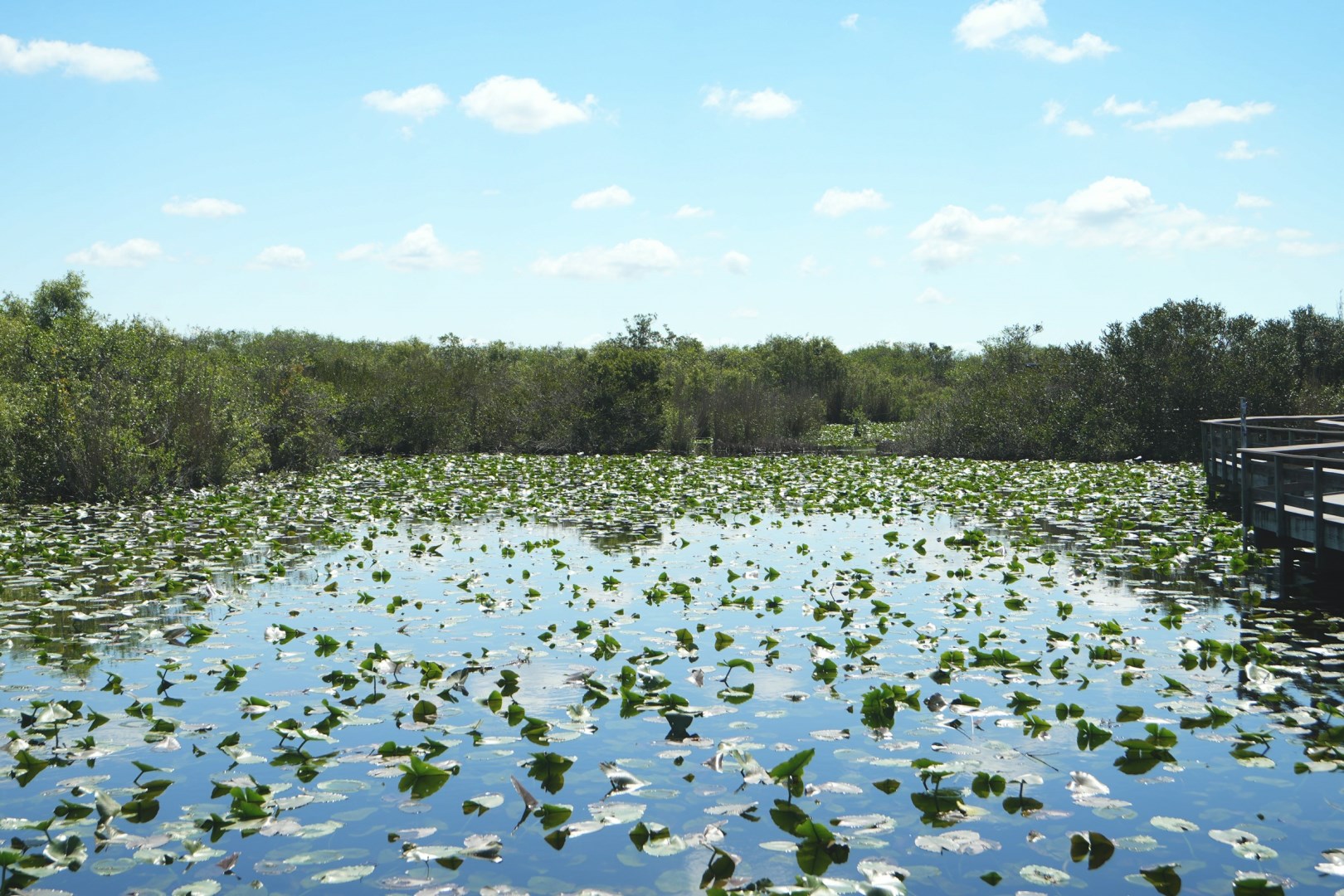
Everglades National Park
Everglades National Park protects a vast subtropical wetland at the southern tip of Florida, where freshwater moves slowly through sawgrass marshes, mangrove forests, hardwood hammocks, and coastal lagoons toward Florida Bay. Covering more than 1.5 million acres, it is the largest subtropical wilderness in the United States. The park is part of a much larger ecosystem whose waters originate in central and southern Florida and eventually reach the Gulf of Mexico and Florida Bay
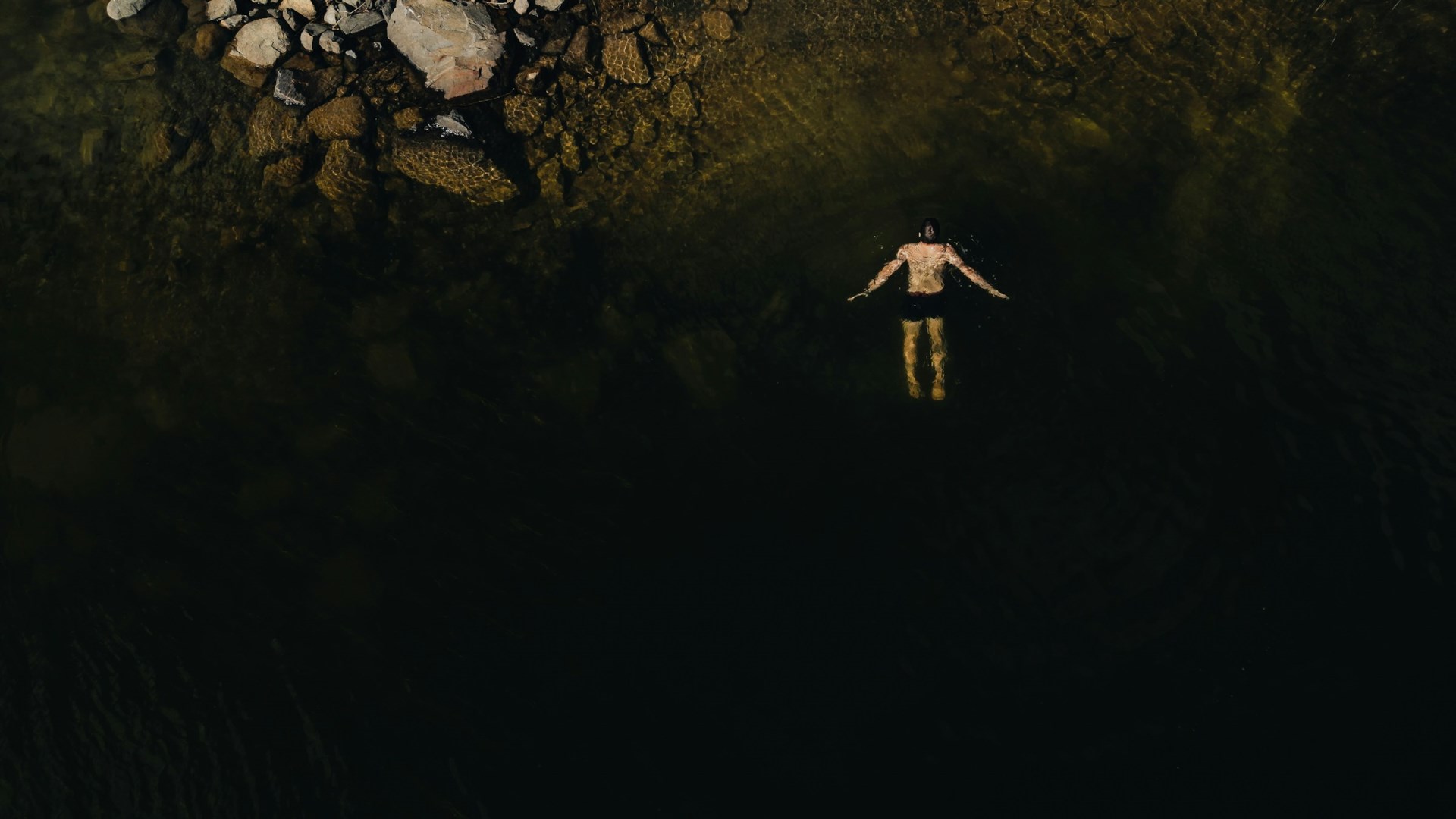
Yellowknife
Yellowknife is the capital of the Northwest Territories, set on the rocky northern shore of Great Slave Lake amid the forests and exposed Canadian Shield of the subarctic. The city developed around gold mining and later became the territorial centre for government, commerce, transportation, and northern services. Today, Yellowknife serves as a gateway to the wider Northwest Territories and the Canadian Arctic. Its location beneath the auroral oval makes the northern lights a defining feature.
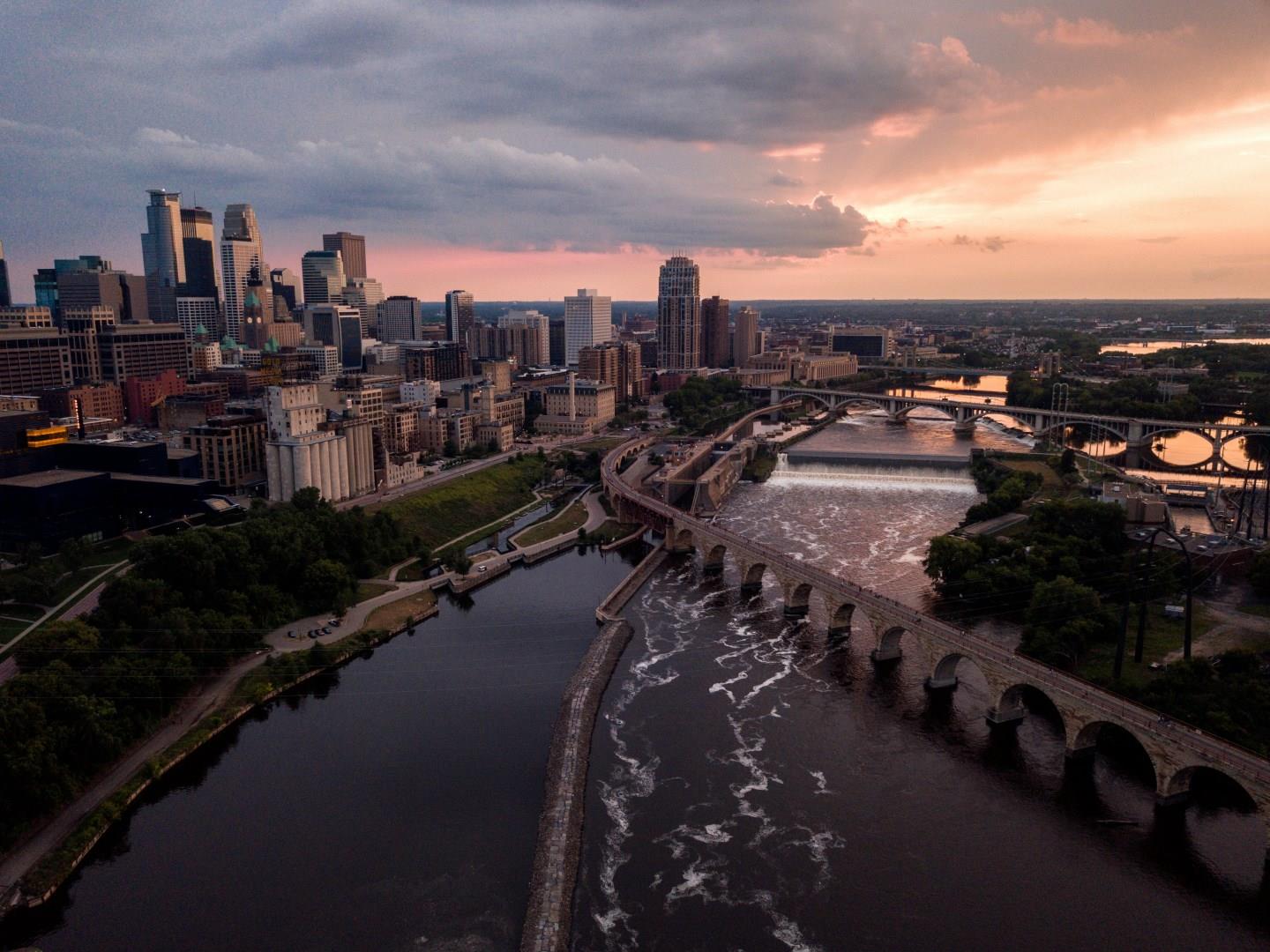
Minneapolis/St. Paul
Minneapolis stands out with its unexpected blend of urban energy and freshwater calm. Built along the banks of the Mississippi River, the city has grown from a flour-milling powerhouse into a hub of creativity, design, and culture. At the heart of downtown, the Mill City Museum, housed inside the ruins of what was once the world’s largest flour mill, offers hands-on exhibits that bring Minneapolis’s industrial past to life. Just outside, the Stone Arch Bridge spans the river with sweeping views
