
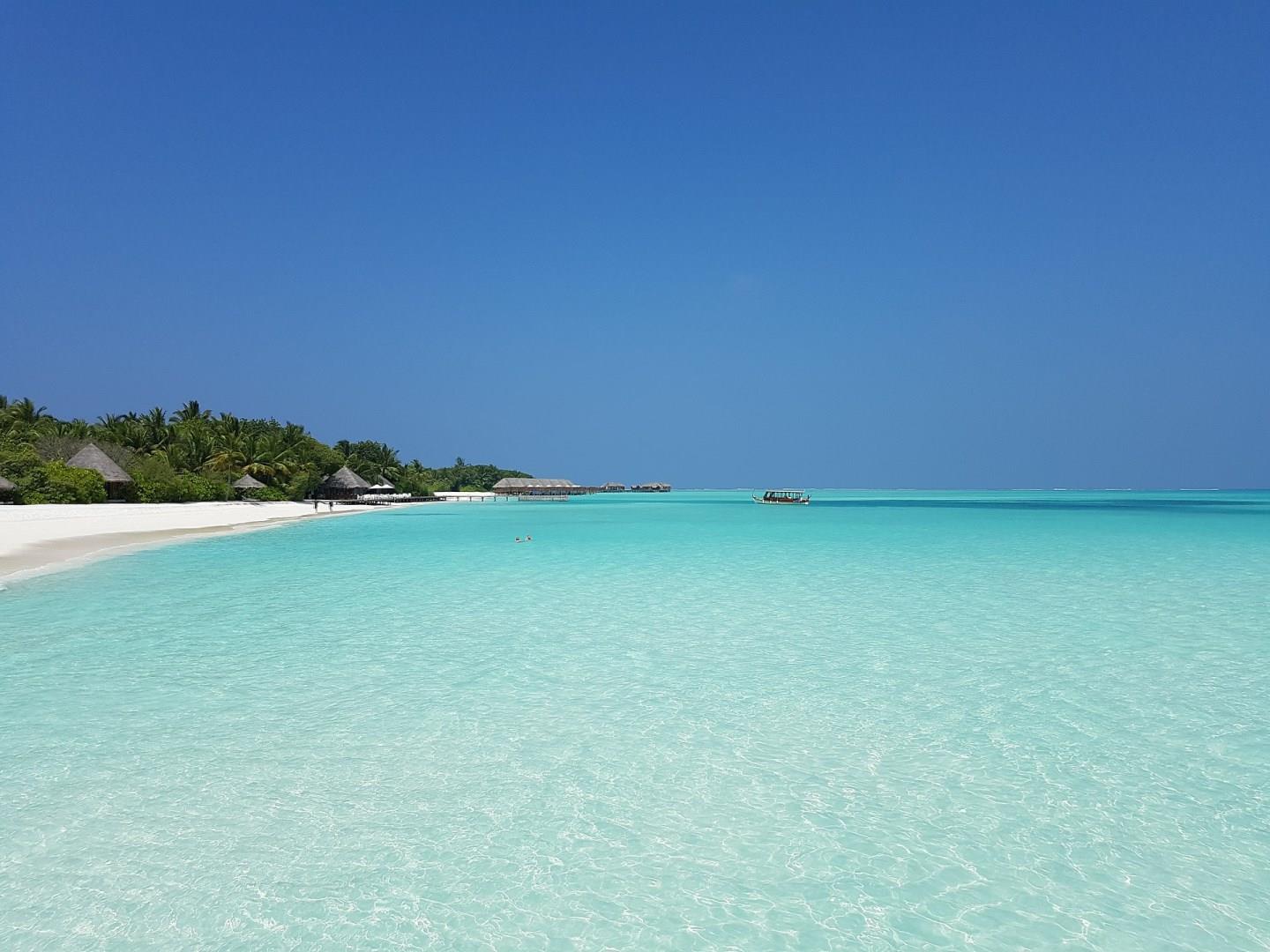
Maldives
The Maldives, a nation of islands scattered across the Indian Ocean, is known for its dazzling turquoise waters, white-sand beaches, and vibrant coral reefs. Stretching across 26 atolls, this tropical paradise is often described as one of the most beautiful places on Earth.
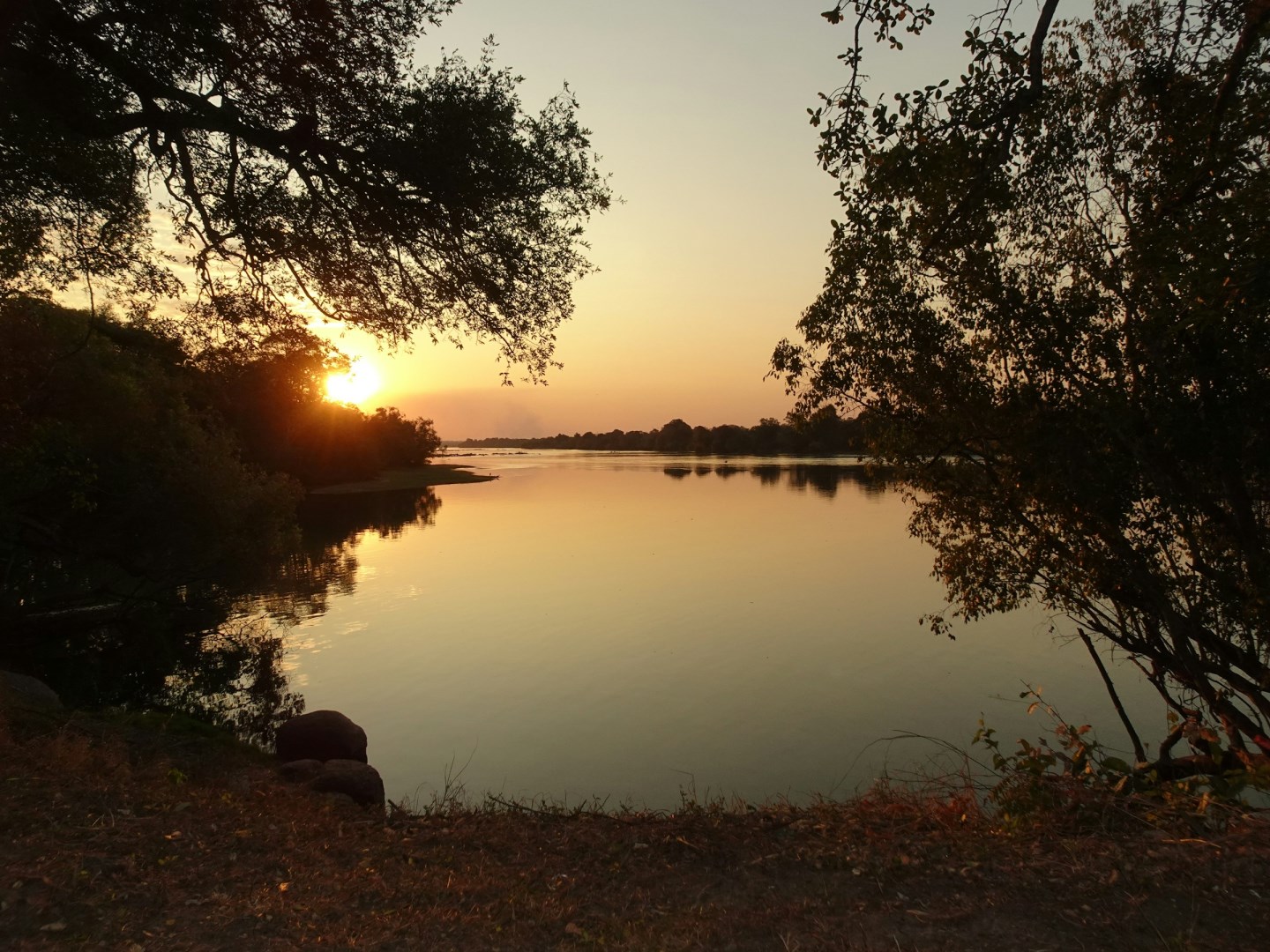
Kafue National Park
Kafue National Park is in western and central Zambia and is the country’s largest national park, covering about 22,400 square kilometers. The park takes its name from the Kafue River, which runs through the protected area and supports a wide range of wetlands, floodplains, grasslands, and woodland. Much of the park is covered by miombo woodland, while the northern Busanga Plains form extensive seasonal wetlands that become open grassland as floodwaters recede.
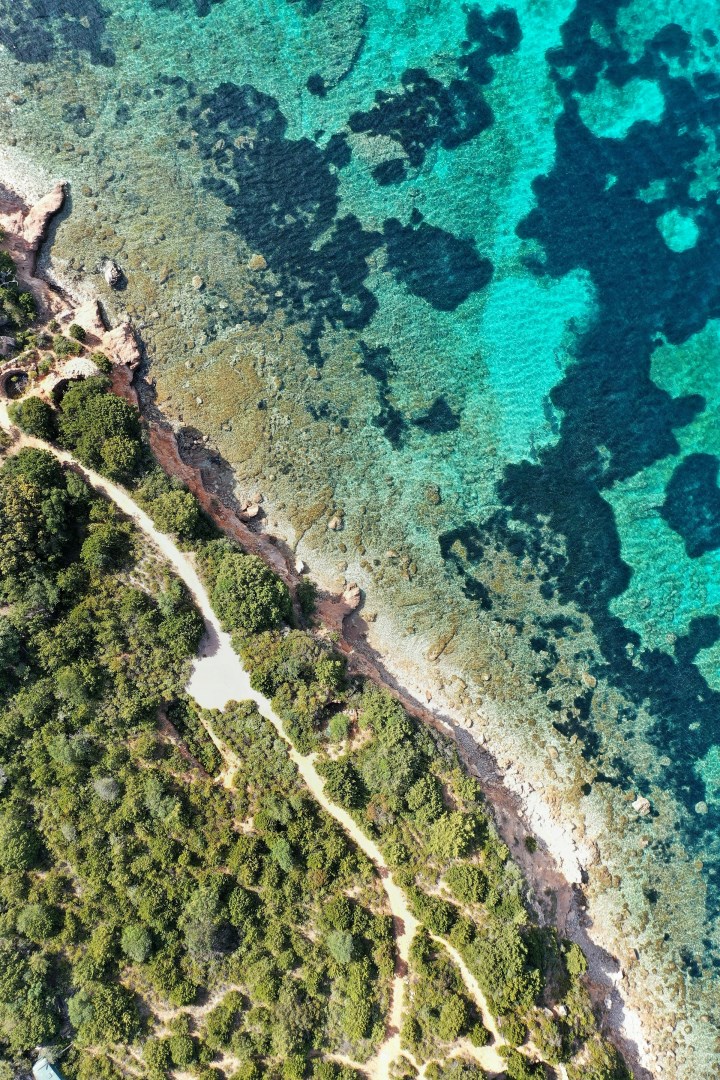
Olbia
Olbia, located on the northeast coast of Sardinia, offers a blend of history and modernity. The city is known for its well-preserved ruins and historical sites, such as the Basilica di San Simplicio, an 11th-century Romanesque church built from local granite.

Island Of Mozambique
The Island of Mozambique, a UNESCO World Heritage Site, is a historical gem nestled off the northern coast of Mozambique. This small island, which was once a pivotal trading post, boasts a rich tapestry of history and culture. The island's main attraction is the Fort São Sebastião, an imposing 16th-century fortress built by the Portuguese to protect their trading interests.
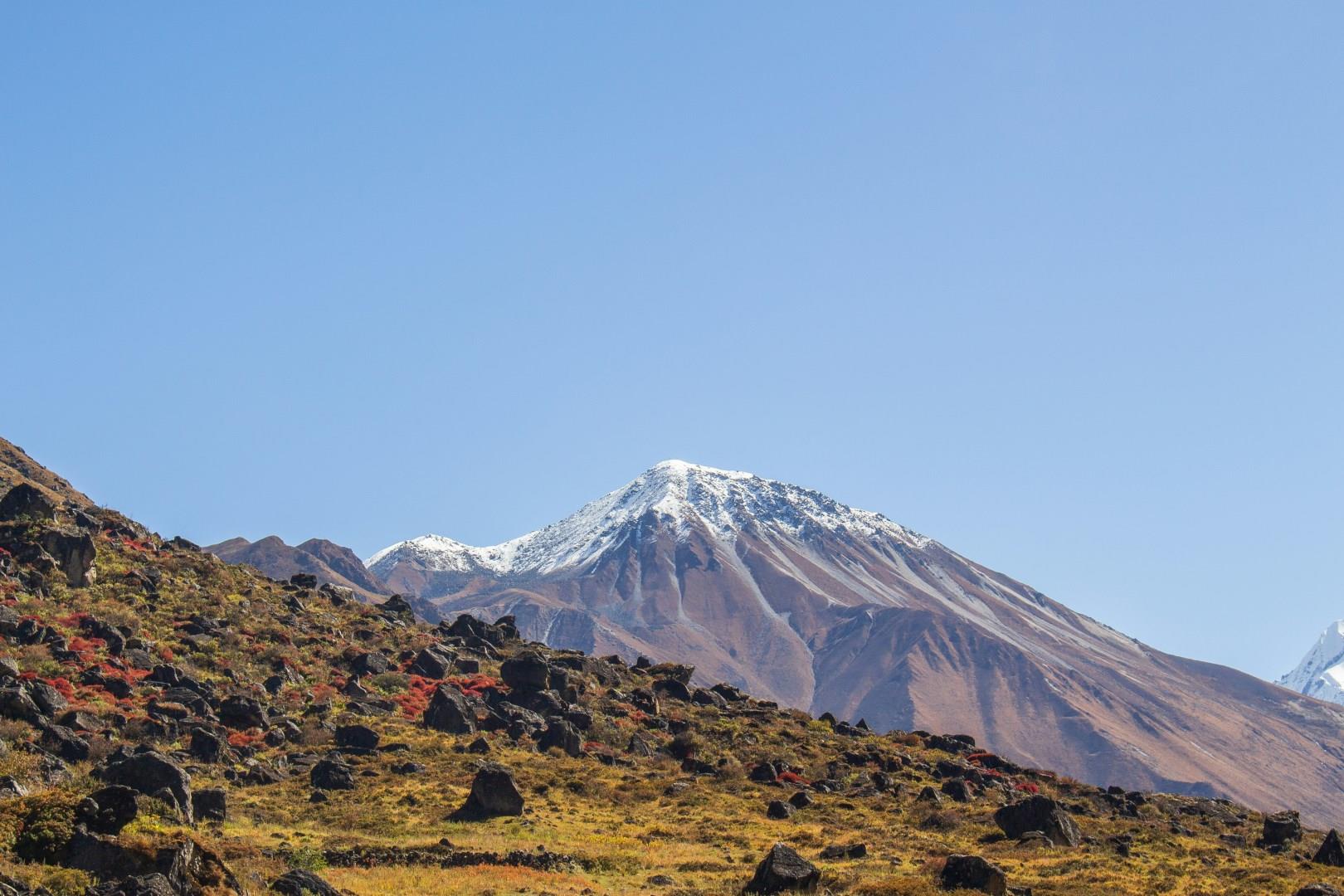
Langtang National Park
Langtang National Park lies just north of Kathmandu, yet it feels far removed from the city’s pace. As Nepal’s first Himalayan national park, it stretches from lush river valleys to high alpine ridges close to the Tibetan border. Snow-covered peaks such as Langtang Lirung rise above forests of oak, maple, and rhododendron, creating dramatic shifts in scenery over short distances.
