
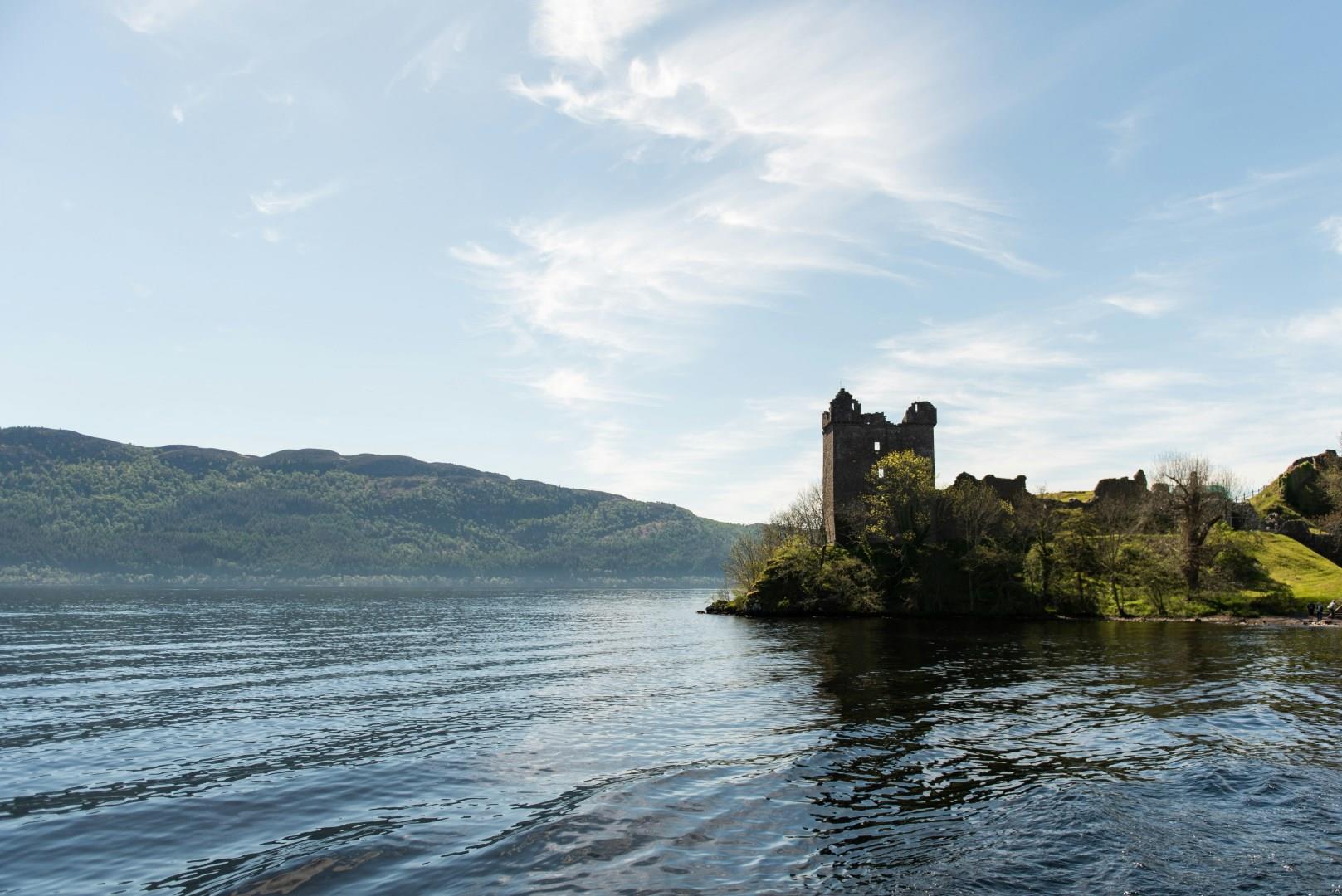
Loch Ness
Loch Ness stretches over 23 miles through the Scottish Highlands, holding more freshwater than all the lakes in England and Wales combined. Best known for its elusive resident, the so-called Loch Ness Monster, the loch has sparked international curiosity since the first modern "sighting" in 1933. While Nessie remains elusive, the surrounding landscape offers clear reasons to visit with steep hillsides, forested trails, and ancient ruins framing one of Scotland’s most iconic bodies of water.
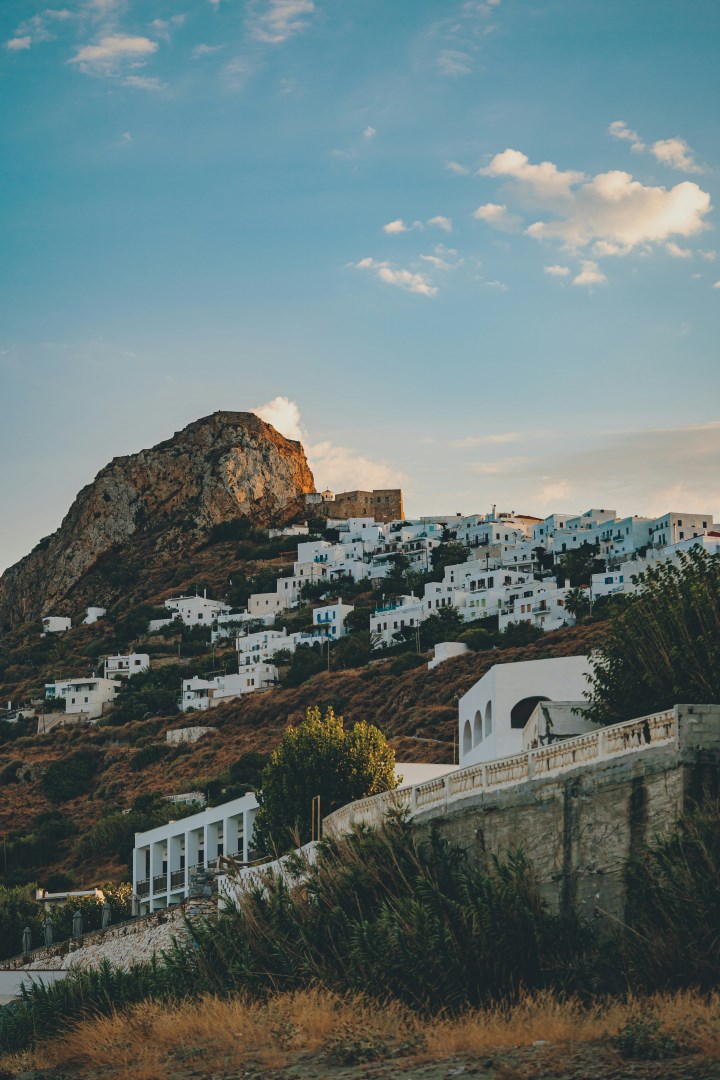
Skiros
Set in the heart of the Aegean Sea, Skyros, Greek island, stands apart from its neighboring islands with a character shaped by both rugged landscapes and quiet coastal life. As part of the Sporades group, it offers a mix of pine-covered hills in the north and drier, open terrain in the south. The main town, Skyros Town, rises along a hillside crowned by a whitewashed monastery and a medieval-style castle, creating a striking view from the harbor below.
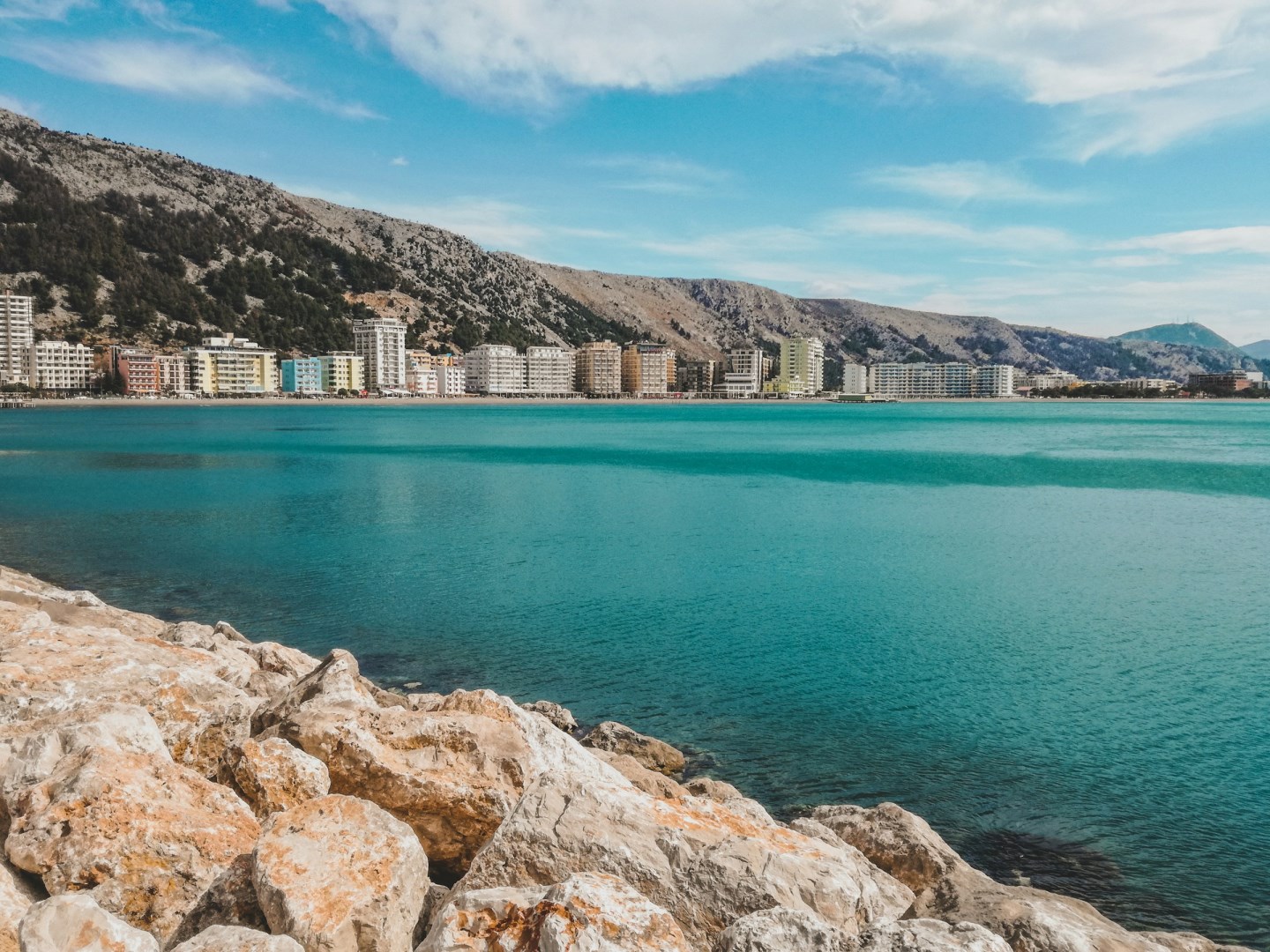
Durrës
Founded in the 7th century BC, the city of Durres has been conquered by many invading armies. Although most of these left a few traces in the old town of Durres, the main attraction is the excellent beach near the town. Perhaps the most famous of Albanian beaches, it offers shallow waters close to the shore, which makes it very suitable for families and children.
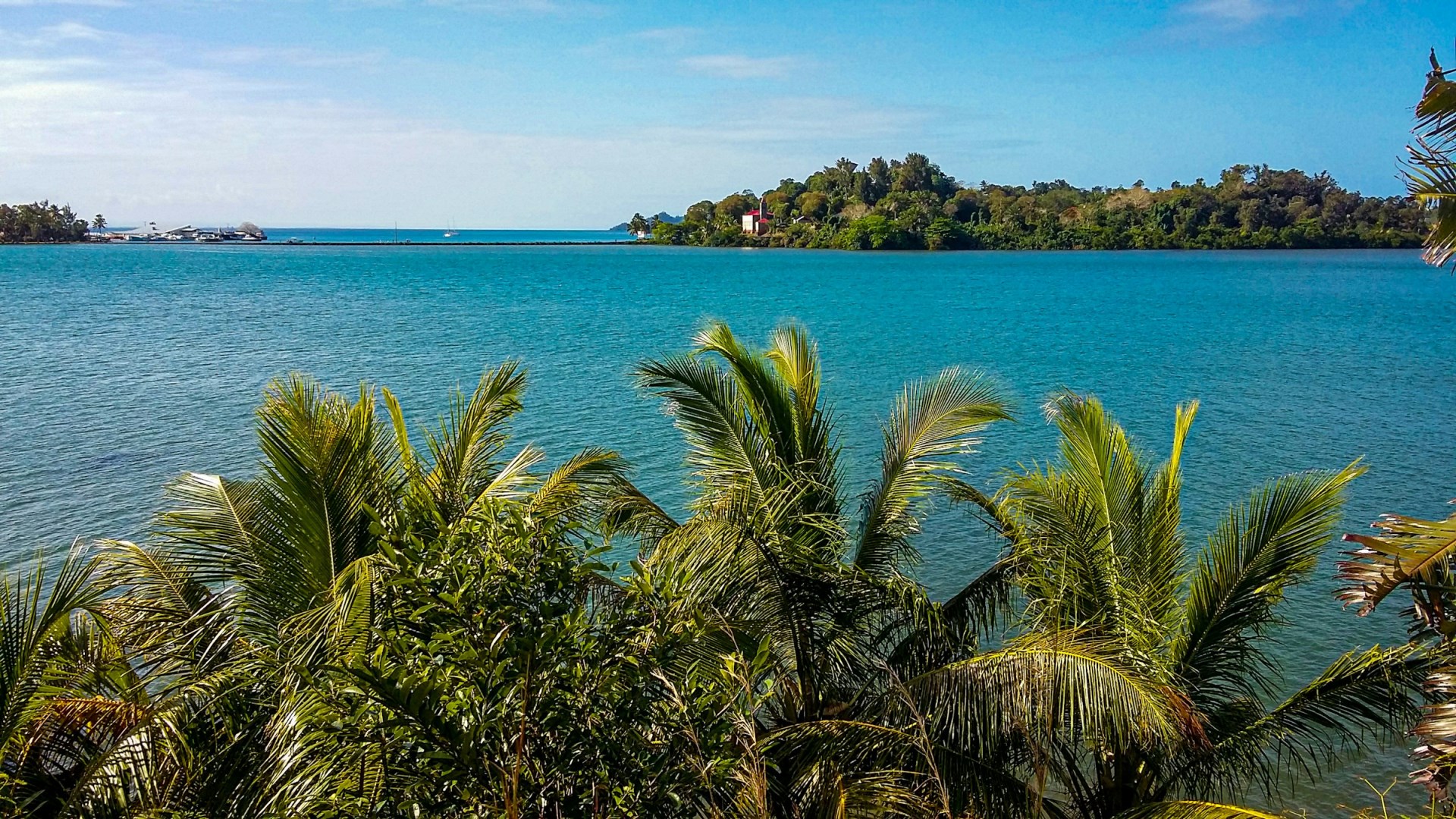
Nosy Boraha
Nosy Boraha, also known as Île Sainte-Marie, is a long, narrow island off Madagascar’s northeastern coast. Its sheltered position in the Indian Ocean gives it a landscape of sandy beaches, coconut palms, lagoons, small bays, and inland forests. The island is separated from mainland Madagascar by a channel that creates relatively calm coastal waters in many areas
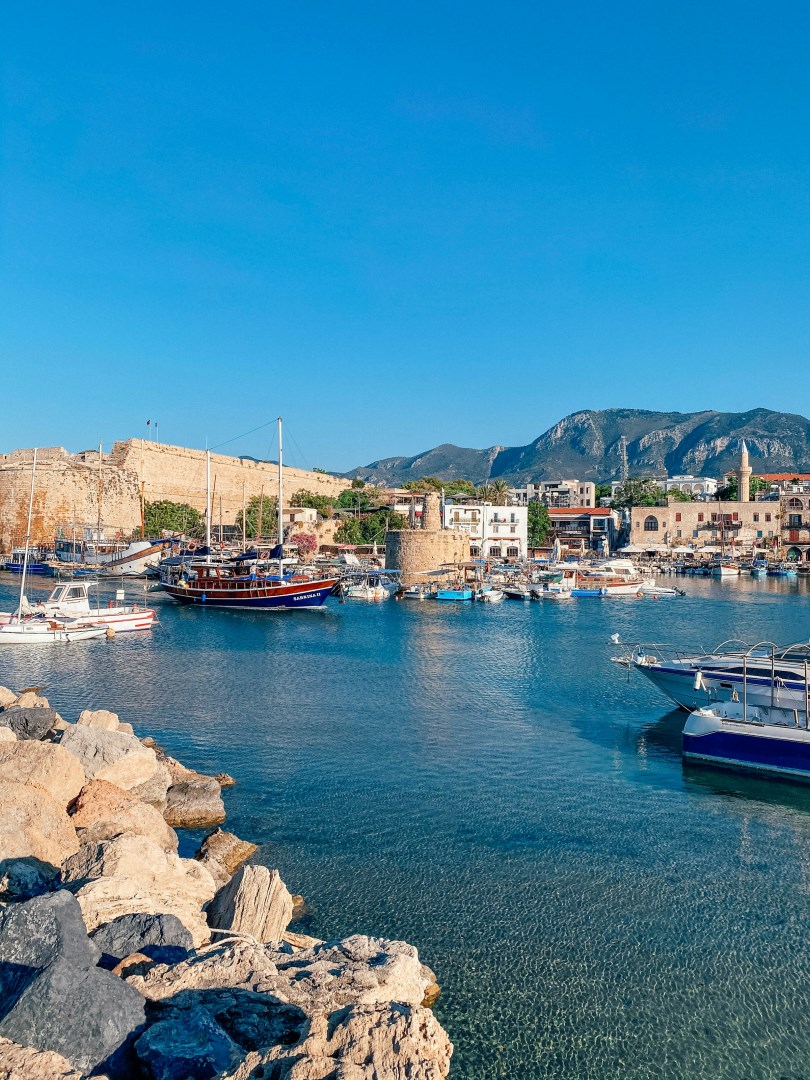
Kyrenia
Kyrenia is a coastal city on the northern shore of Cyprus, set between the Mediterranean Sea and the foothills of the Kyrenia mountain range. Its historic harbor, waterfront promenade, and distinctive medieval castle form the center of the city, while the surrounding coastline includes beaches, rocky coves, and small fishing areas.
