
Grand Anse Beach
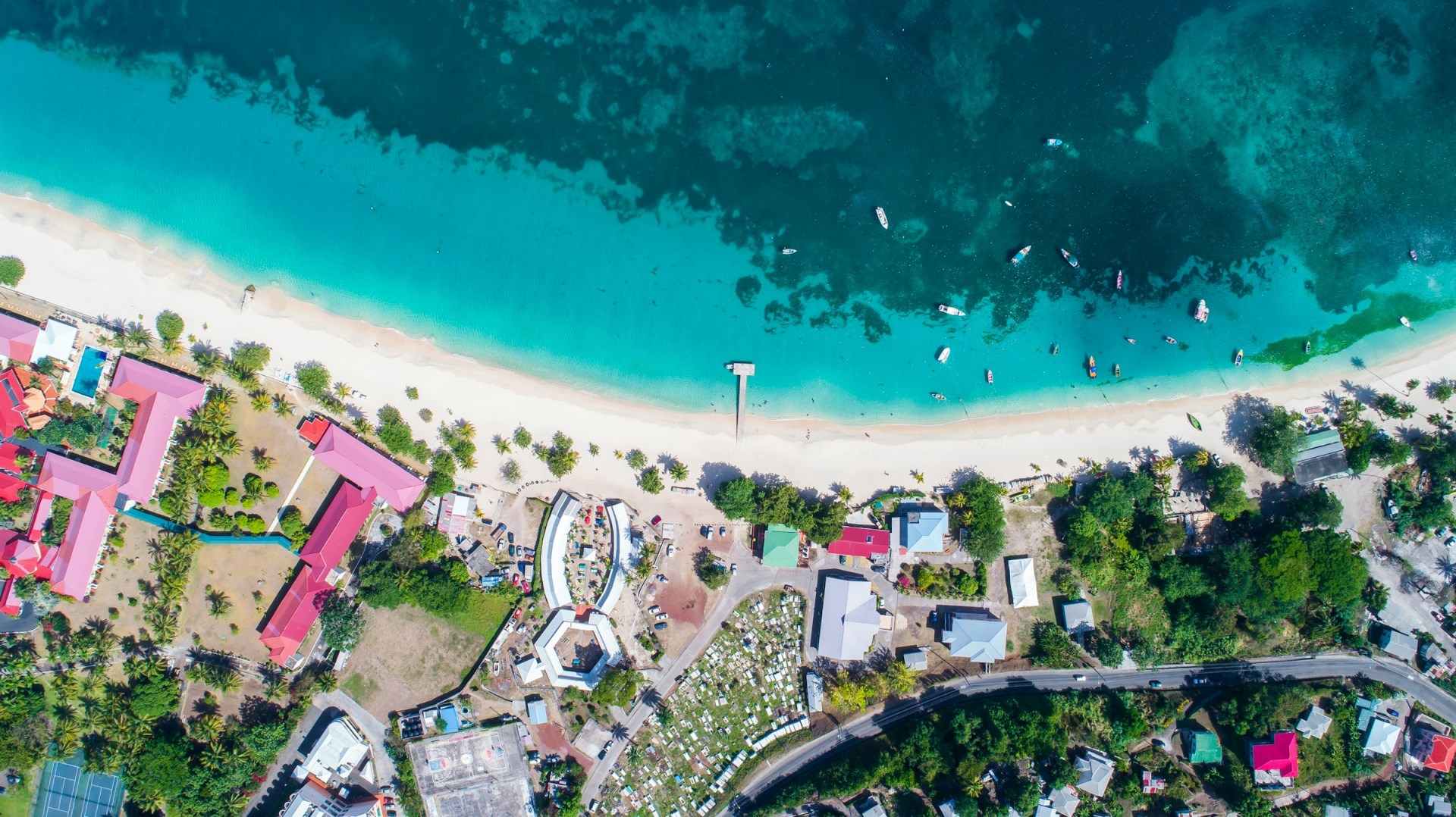
Grand Anse Beach is a long crescent of pale sand on the southwestern coast of Grenada, overlooking the Caribbean Sea. The beach stretches for roughly three kilometres and is backed by hotels, guesthouses, restaurants, shops, and residential areas, while much of the shoreline remains open for public use. Its sheltered position creates generally calm, clear water that is suitable for swimming and other water activities.
Evora
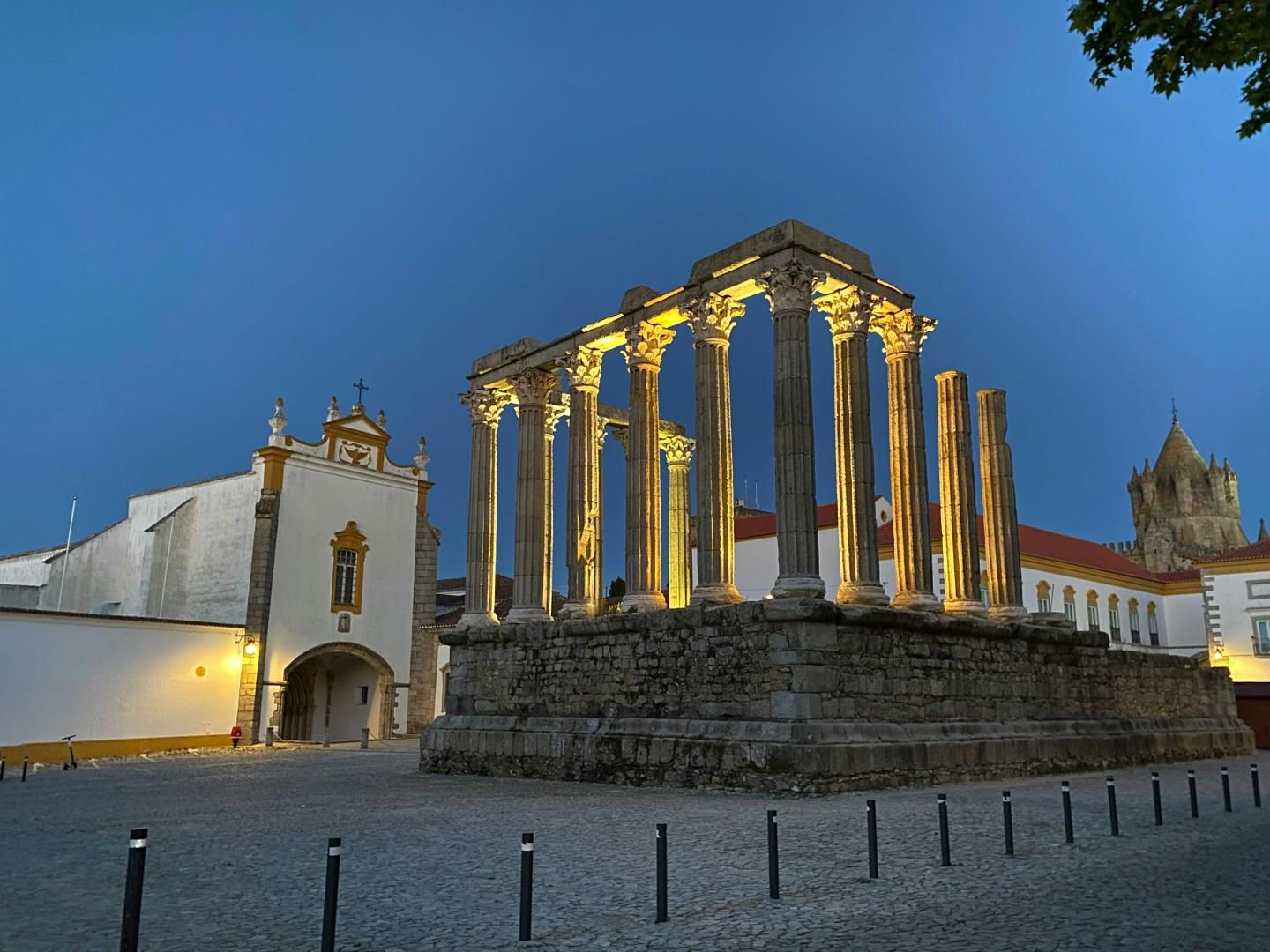
Évora, in Portugal’s Alentejo region, feels like stepping into a story that spans more than two thousand years. Its Historic Centre was named a UNESCO World Heritage Site for good reason with its ancient walls, homes with wrought-iron balconies, and narrow streets quietly preserve traces of Roman, Moorish, and medieval life. Beyond architecture and monuments, Évora reveals lesser-known treasures that reward exploration.
Montenegro
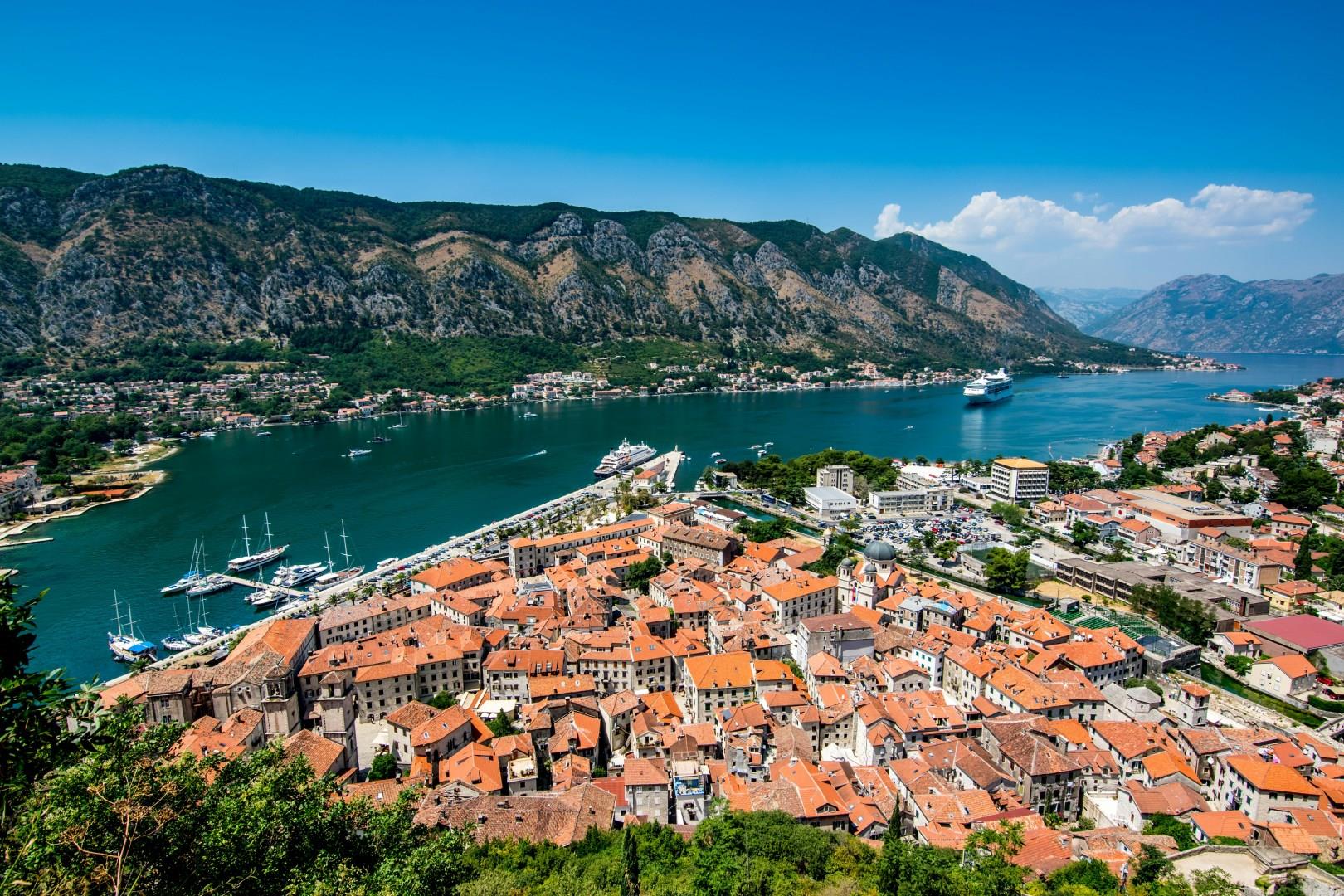
Montenegro, set along the Adriatic Sea, draws travelers with its dramatic landscapes and layered history. The Bay of Kotor, often mistaken for a fjord, is actually a submerged river canyon surrounded by steep cliffs and medieval towns. Kotor itself, a UNESCO World Heritage site, is enclosed by ancient fortifications that visitors can climb for panoramic views stretching from terracotta rooftops to the sea.
Bright
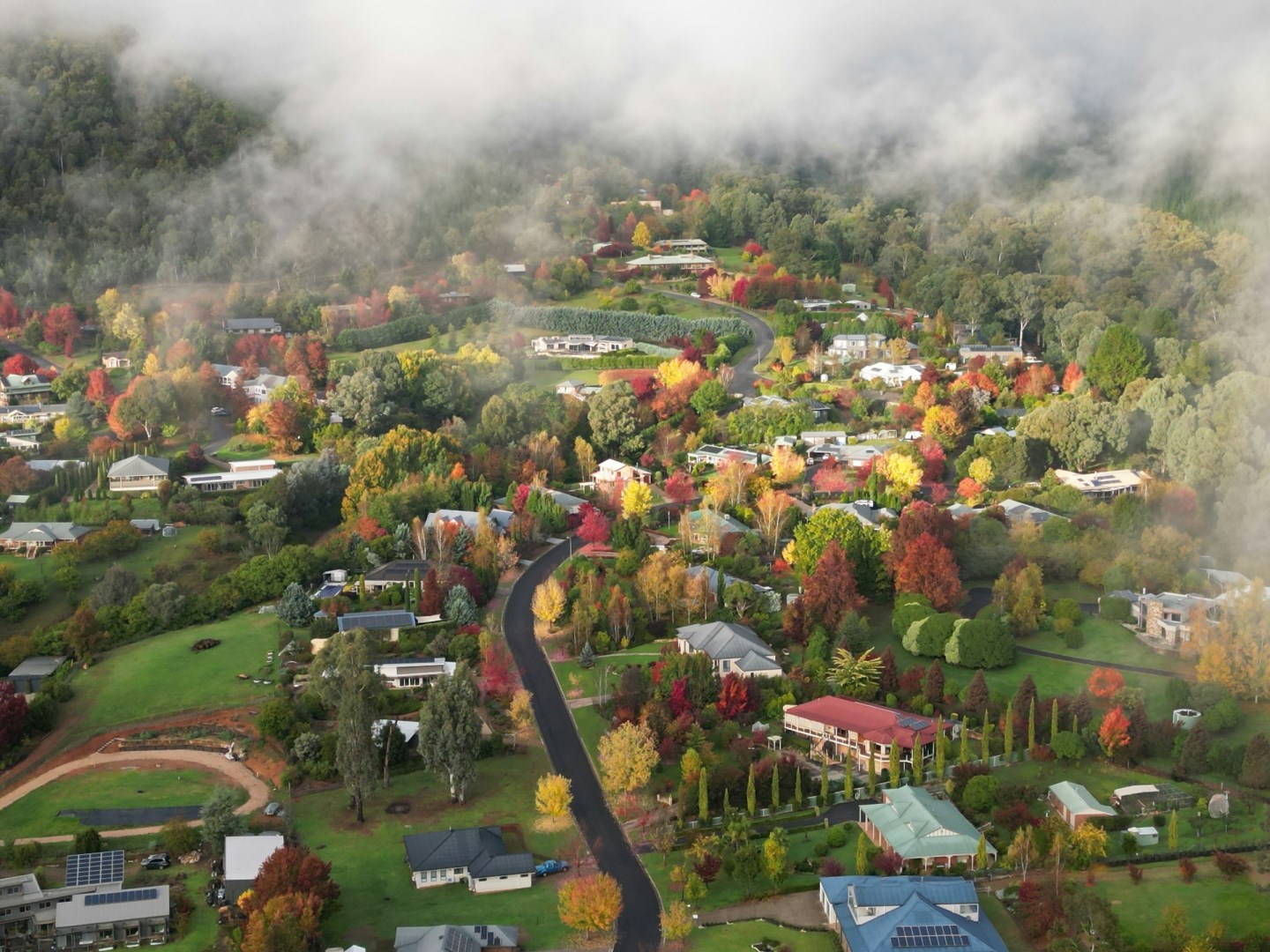
Bright is situated in the Ovens Valley and offers beautiful scenery and landscape. There are many ski resorts surround Bright, with Mt Buffalo National Park being the closest. This is obviously one attraction to the area, although Bright offers various activities all year around
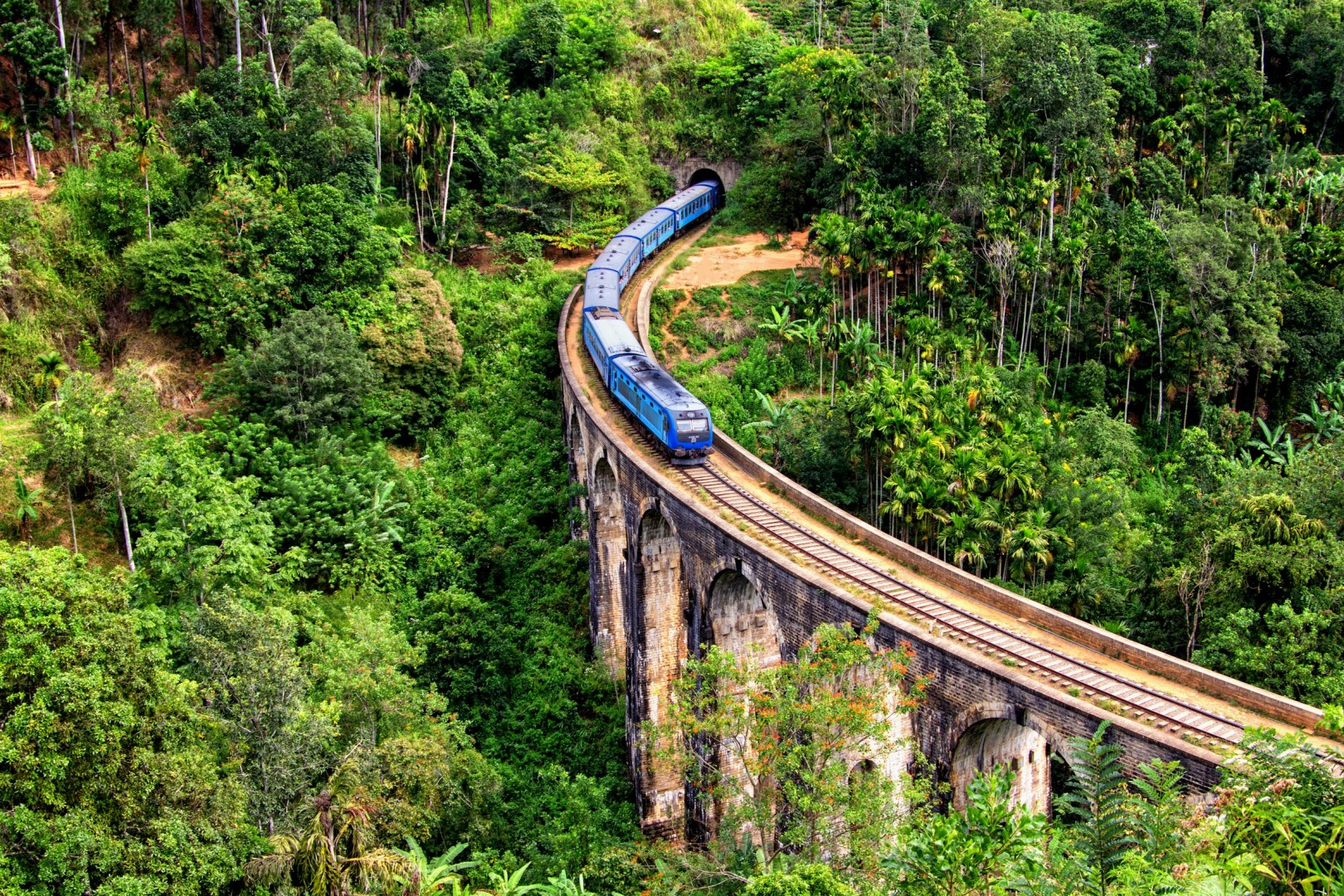
Ella
Ella is a small hill-country town in Sri Lanka’s Badulla District, surrounded by tea plantations, cloud-covered mountains, forests, and deep valleys. Its elevated setting gives the area a cooler climate than the lowlands, while the Ella Gap opens dramatic views toward the southern plains. The town itself is compact and serves as a base for exploring the surrounding countryside by foot, road, and the railway that winds through Sri Lanka’s central highlands.
