
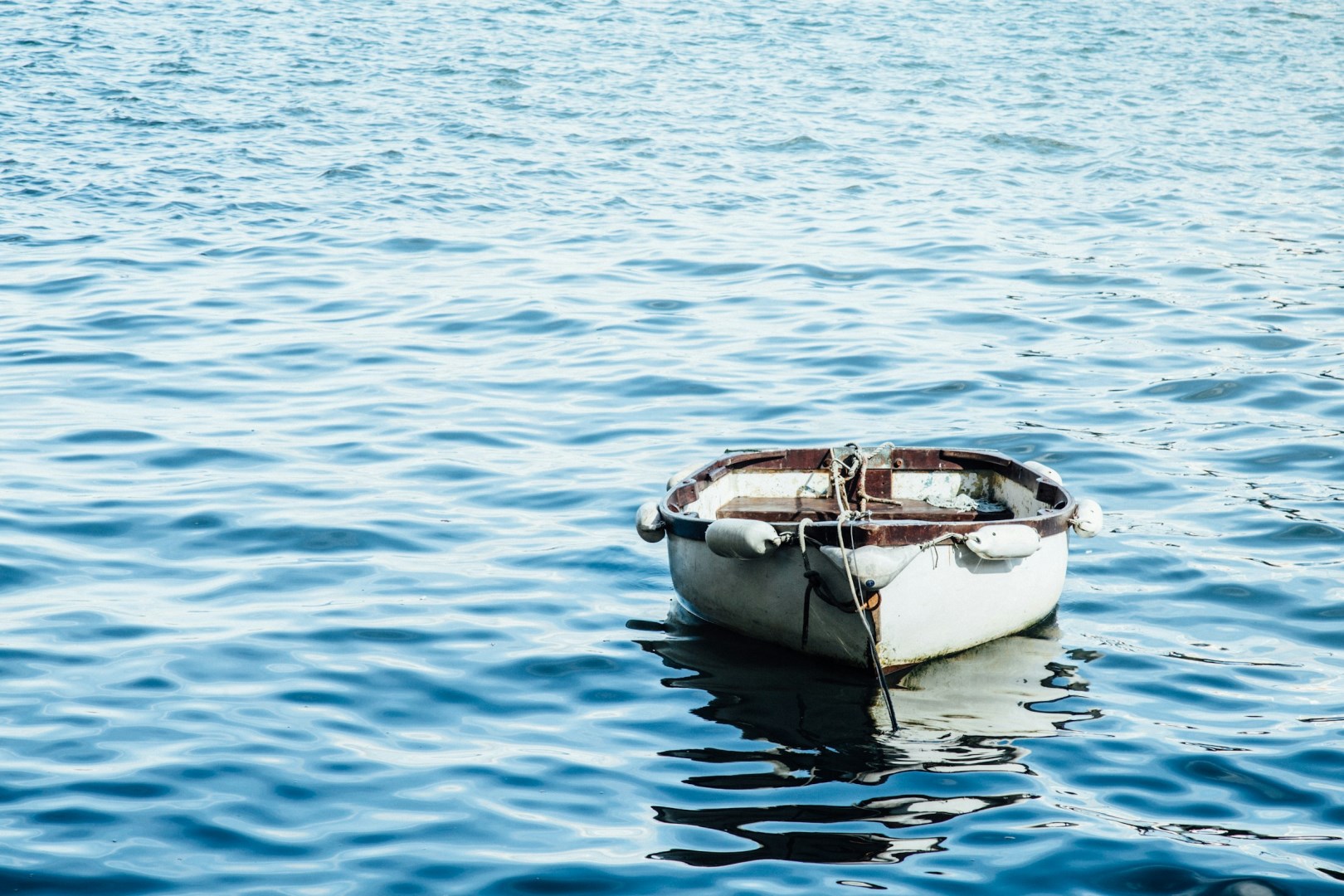
Falmouth
Falmouth, on Cornwall’s south coast, grew around one of the world’s largest natural harbors, a feature that has shaped its maritime identity for centuries. The town expanded during the age of sail, serving as a key port for packet ships, and landmarks like Pendennis Castle still anchor Falmouth firmly in its naval past.
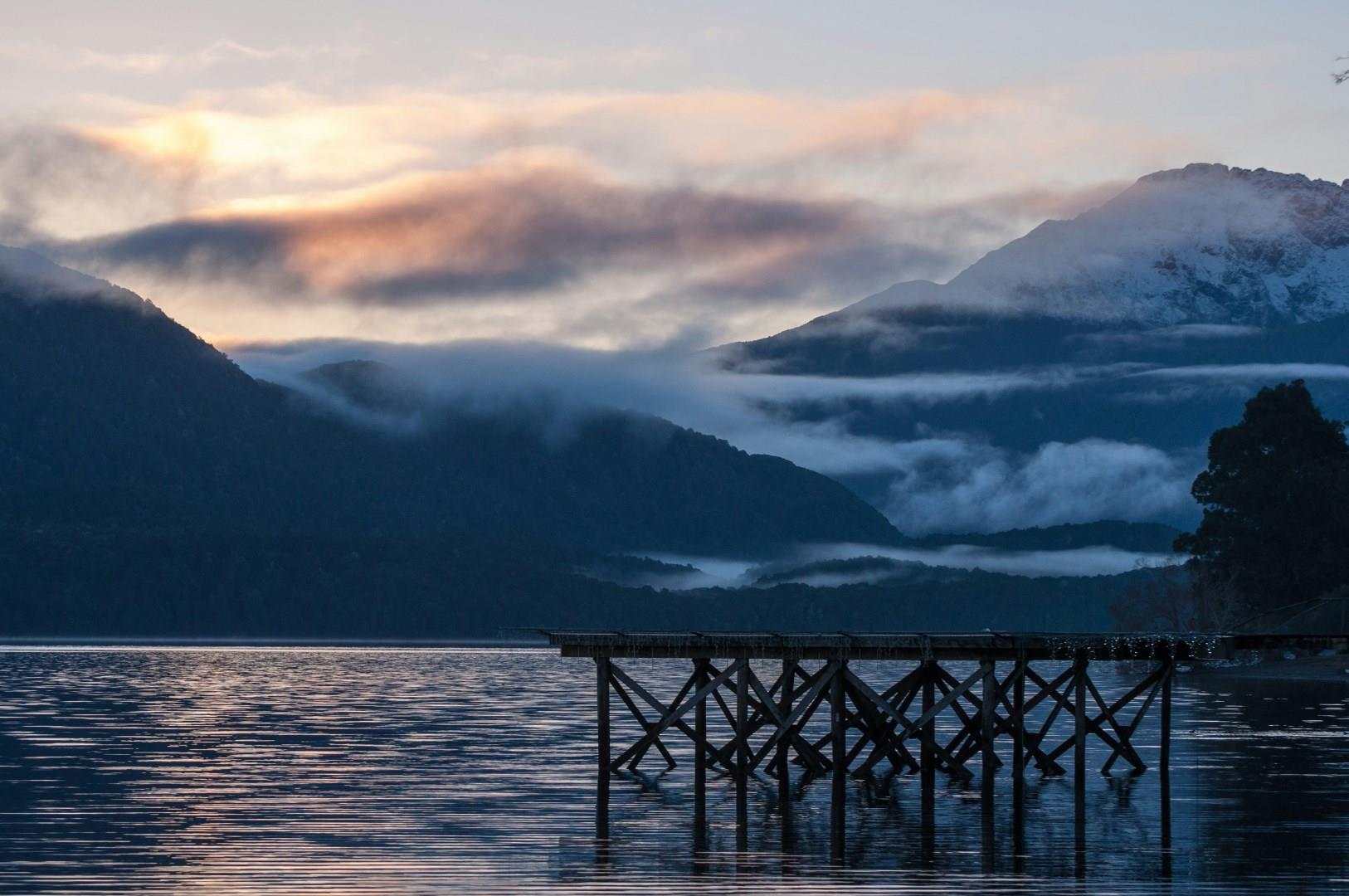
Te Anau
Te Anau sits on the edge of New Zealand’s second-largest lake, acting as the unofficial gateway to Fiordland National Park. While it’s often viewed as a starting point for trips to Milford Sound, the town itself offers a slower, more scenic way to experience the South Island’s dramatic landscapes. Te Anau’s lakefront is a mix of walking paths, local birdlife, and wide-open views across snow-dusted peaks.
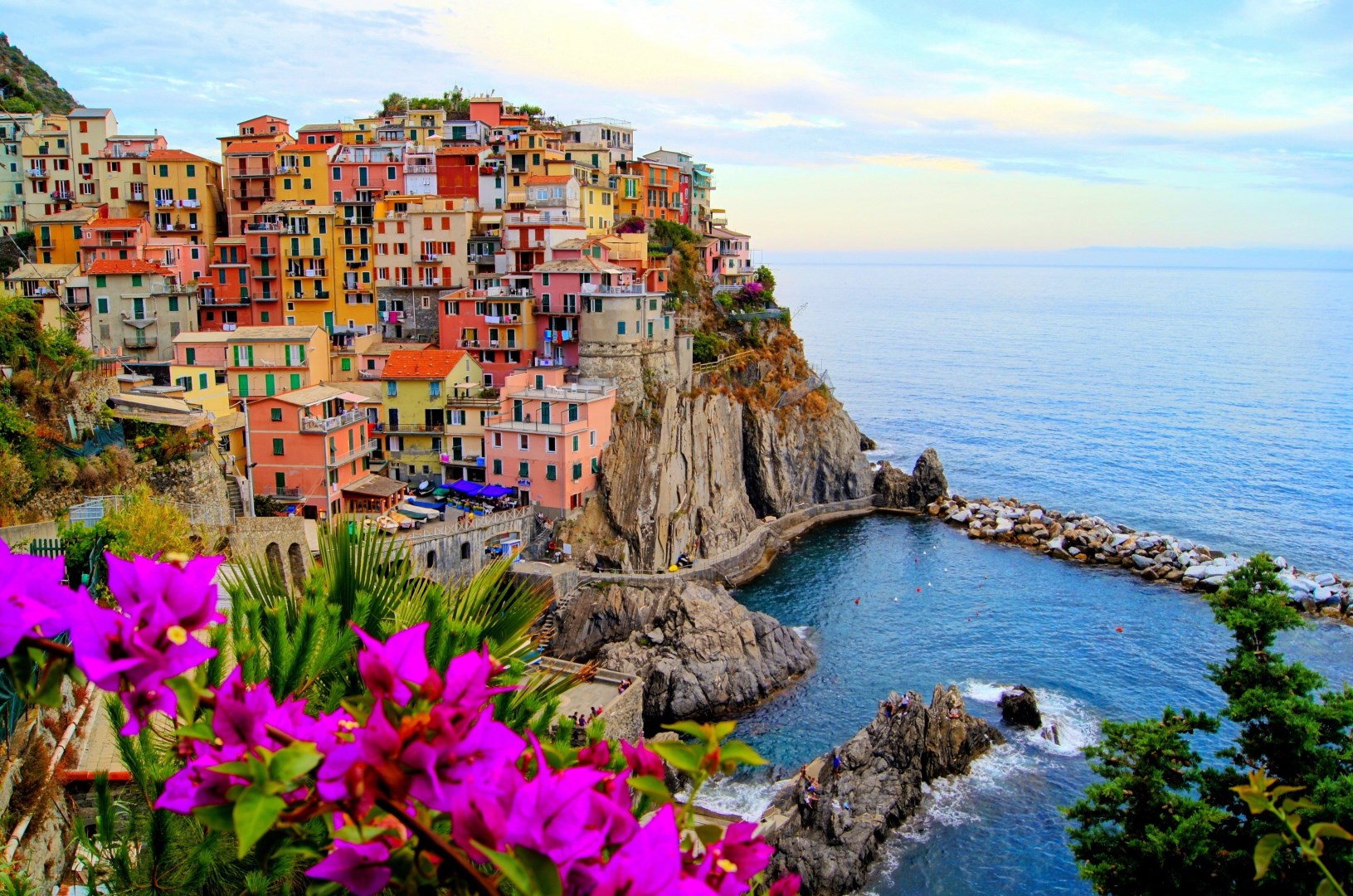
Italy
Italy is a destination that seamlessly blends history, art, and natural beauty, making it a dream for travelers from around the globe. From the ancient ruins of Rome, where you can walk in the footsteps of emperors and gladiators at the Colosseum and Roman Forum, to the Renaissance masterpieces of Florence, Italy offers an unparalleled cultural experience

Canary Islands
The Canary Islands, a Spanish archipelago off the northwest coast of Africa, offer far more than just sunshine and beaches. Made up of eight main islands, each with its own personality, the Canaries are a place where lunar landscapes, cloud forests, volcanic peaks, and historic towns coexist within short travel distances. On Tenerife, Mount Teide looms over a landscape of solidified lava and craters that look like a science fiction set.
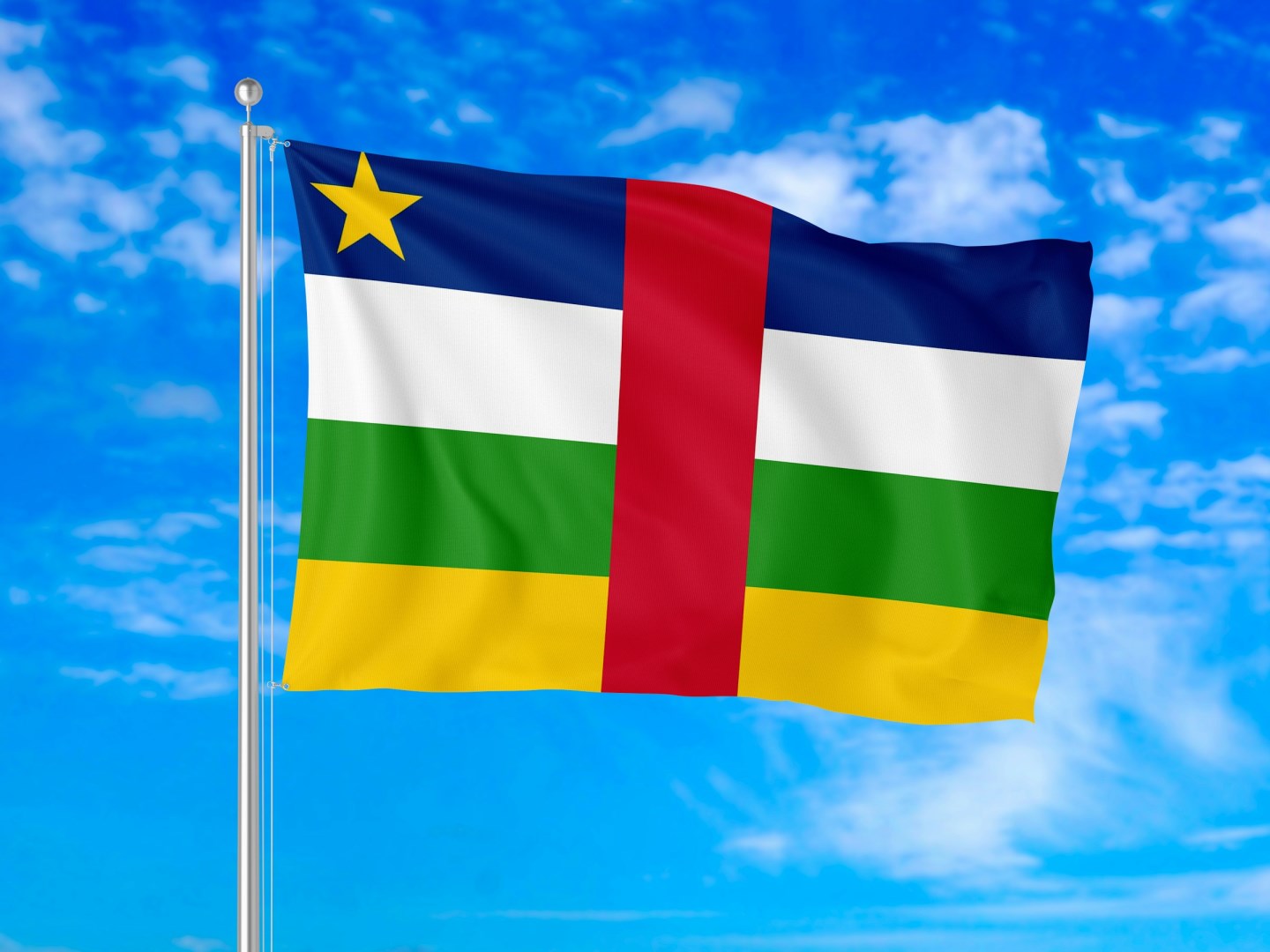
Central African Republic
Central African Republic, republic in central Africa, bordered on the north by Chad, on the east by Sudan, on the south by Zaire and the Republic of the Congo, and on the west by Cameroon. The landlocked nation has an area of 622,436 sq. km (about 240,323 sq. mi). Bangui is the capital and largest city.
