

Uluru
Located in Australia's Northern Territory, Uluru is an iconic sandstone formation and UNESCO World Heritage site. This red rock monolith, believed to be over 500 million years old, has been considered sacred by Australia's indigenous peoples for thousands of years and is one of the country's most well-known natural landmarks. This spiritual destination will astound you at sunrise and sunset, when the warm sunlight turns Uluru to deep hues of red and orange.
Pagat
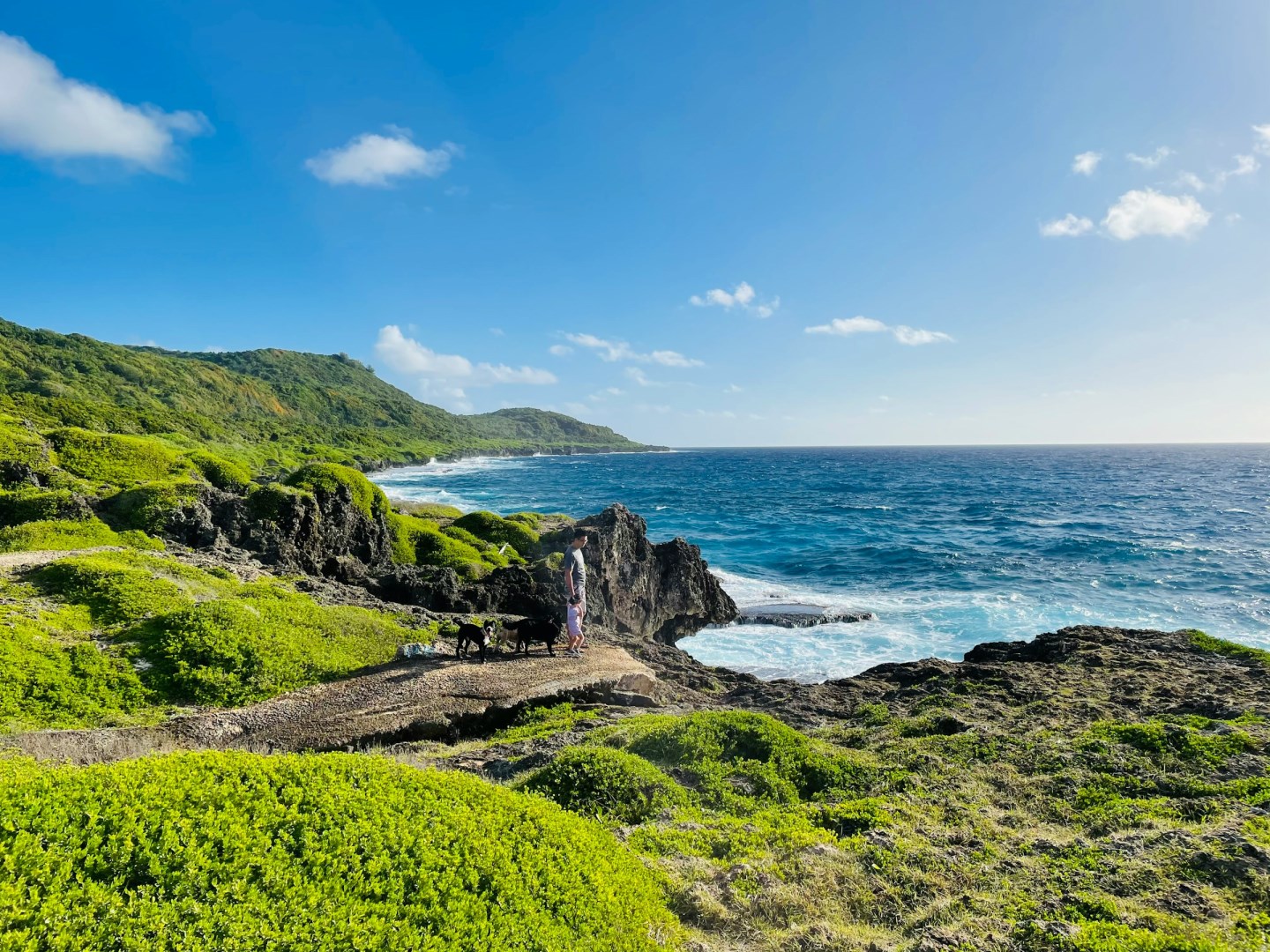
Pagat is a historic village area on Guam's northeastern coast, known for its archaeological remains, limestone cliffs, caves, and coastal trails. The area lies within Guam's rugged northern landscape, where dense vegetation covers limestone terraces above the Pacific Ocean. Pagat is particularly significant because it preserves evidence of ancient CHamoru settlement, including stone structures, pottery fragments, and remnants of traditional village life.
Payette National Forest
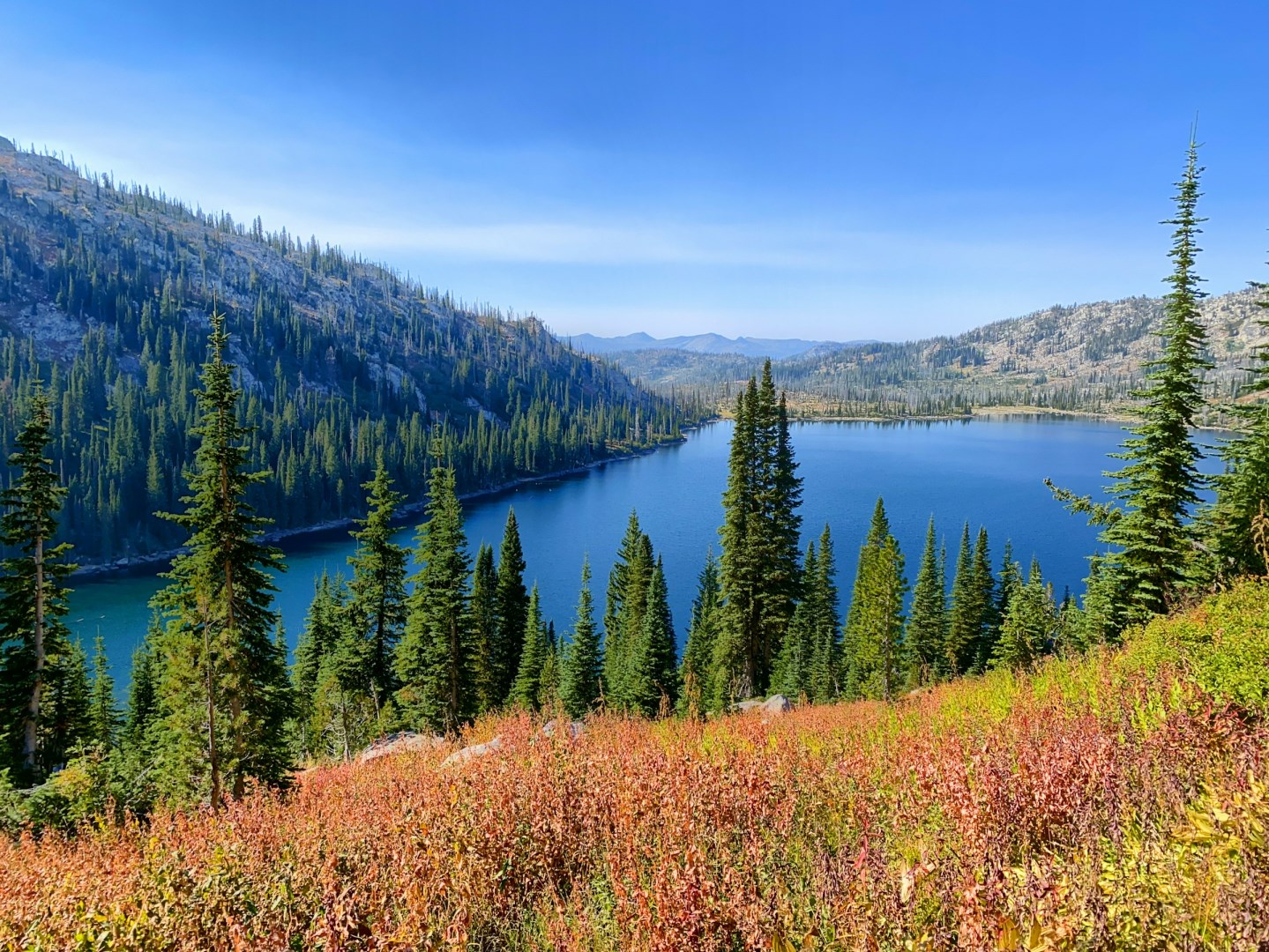
Payette National Forest covers a large area of west-central Idaho, extending across the rugged Salmon River Mountains and the western side of the state’s central mountain country. The forest includes alpine ridges, deep river valleys, conifer forests, meadows, and high mountain lakes.

Haifa
Referred to as "Israel's San Francisco" due to its beautiful setting on the slopes of Mount Carmel facing the Mediterranean Sea, there is plenty to do and see in Haifa! Don't miss Bahai Gardens, German Colony, as well as a number of top museums. It is also home to Matam, one of the oldest and largest high-tech parks in the country.
Fort James Beach
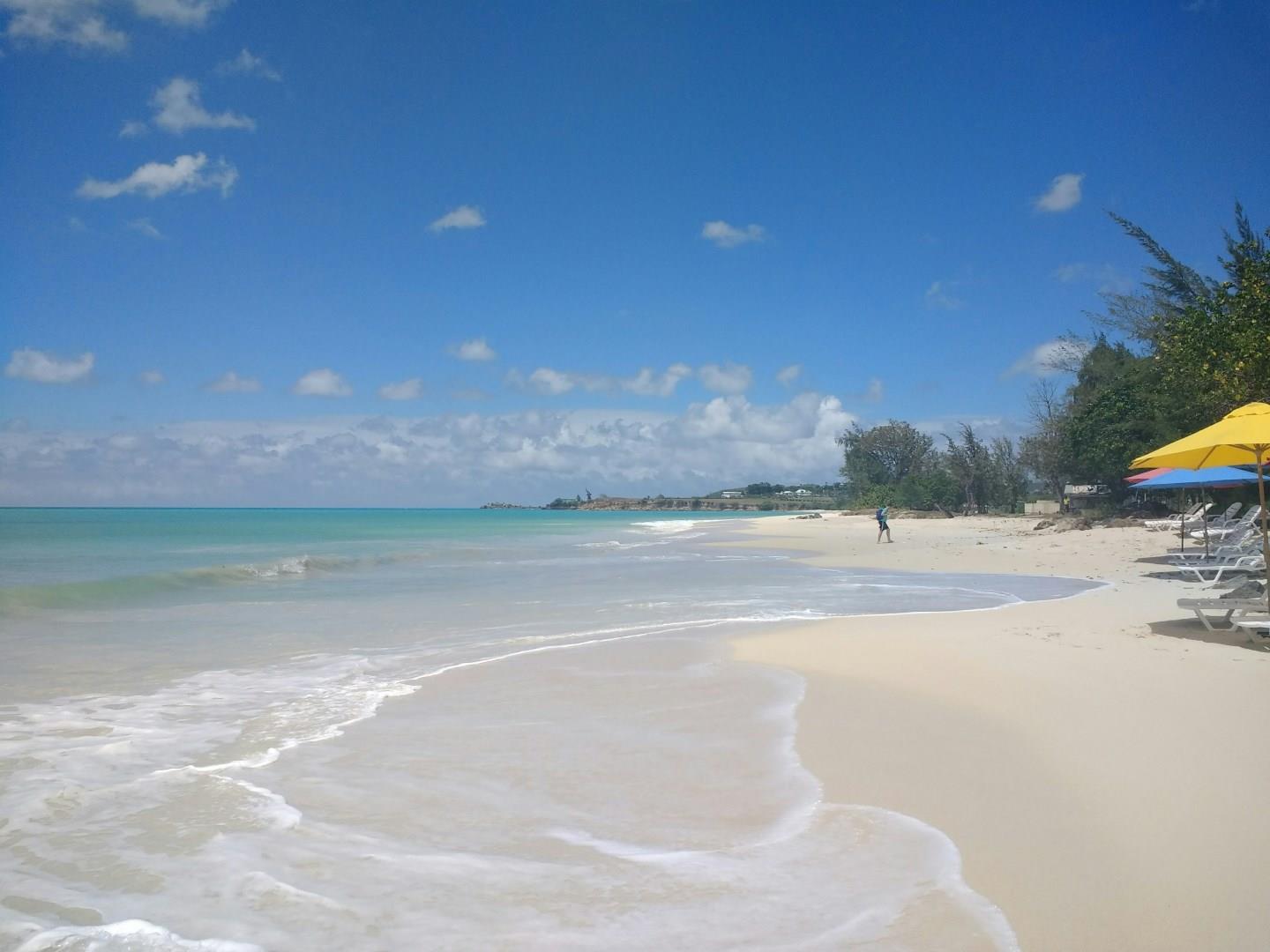
Fort James Beach, just outside St. John’s in Antigua, is a long stretch of soft white sand framed by calm, turquoise waters. The beach takes its name from nearby Fort James, a historic 18th-century British stronghold built to guard the harbor.
