
Mafia Island
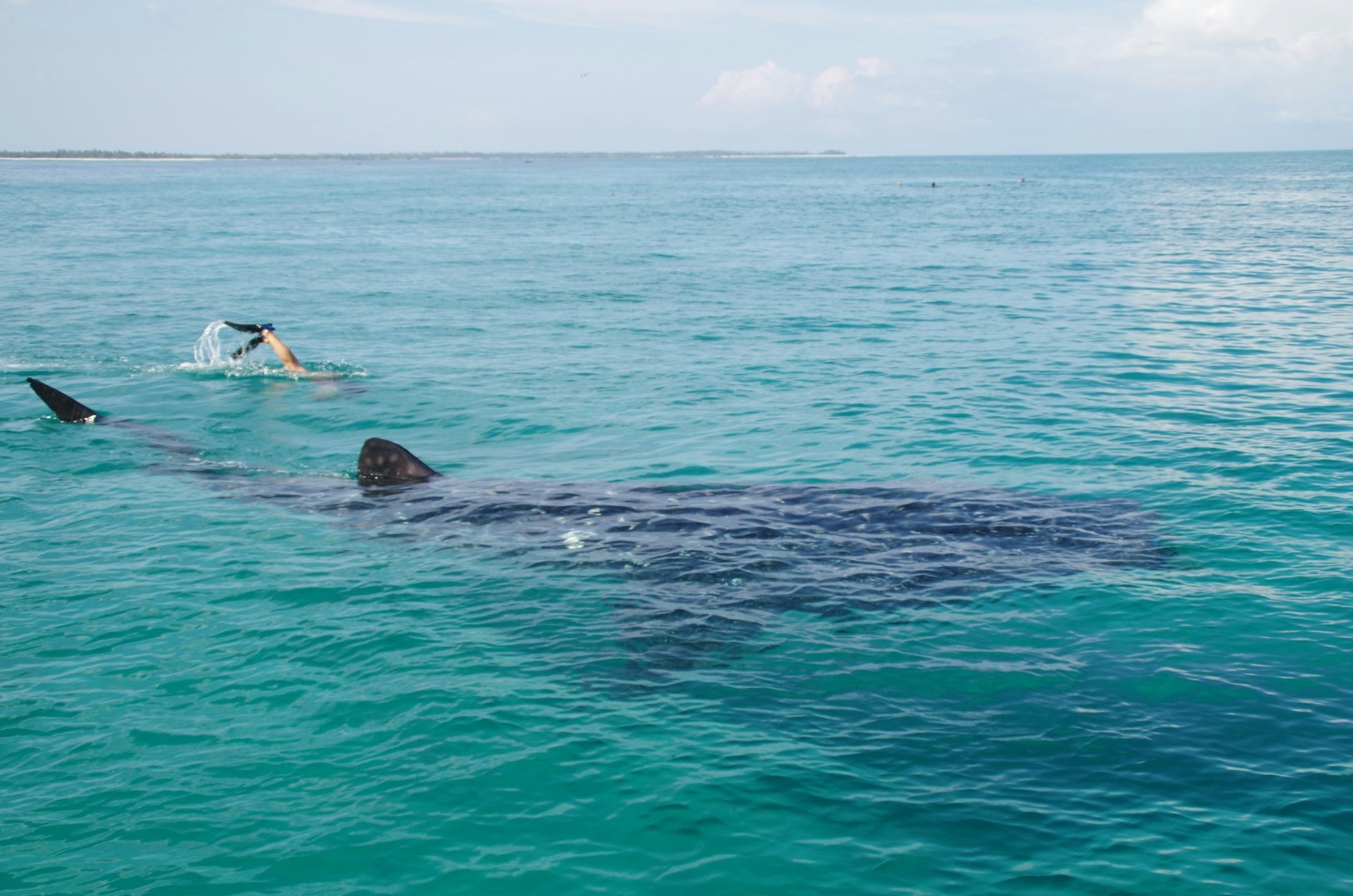
Mafia Island is a coastal island in Tanzania’s Pwani Region, lying in the Indian Ocean opposite the Rufiji River Delta. It forms part of the Mafia Archipelago, which includes smaller islands such as Chole, Juani, Jibondo, and Bwejuu. Kilindoni is the main town and port, while Utende provides access to Mafia Island Marine Park.
Türkiye
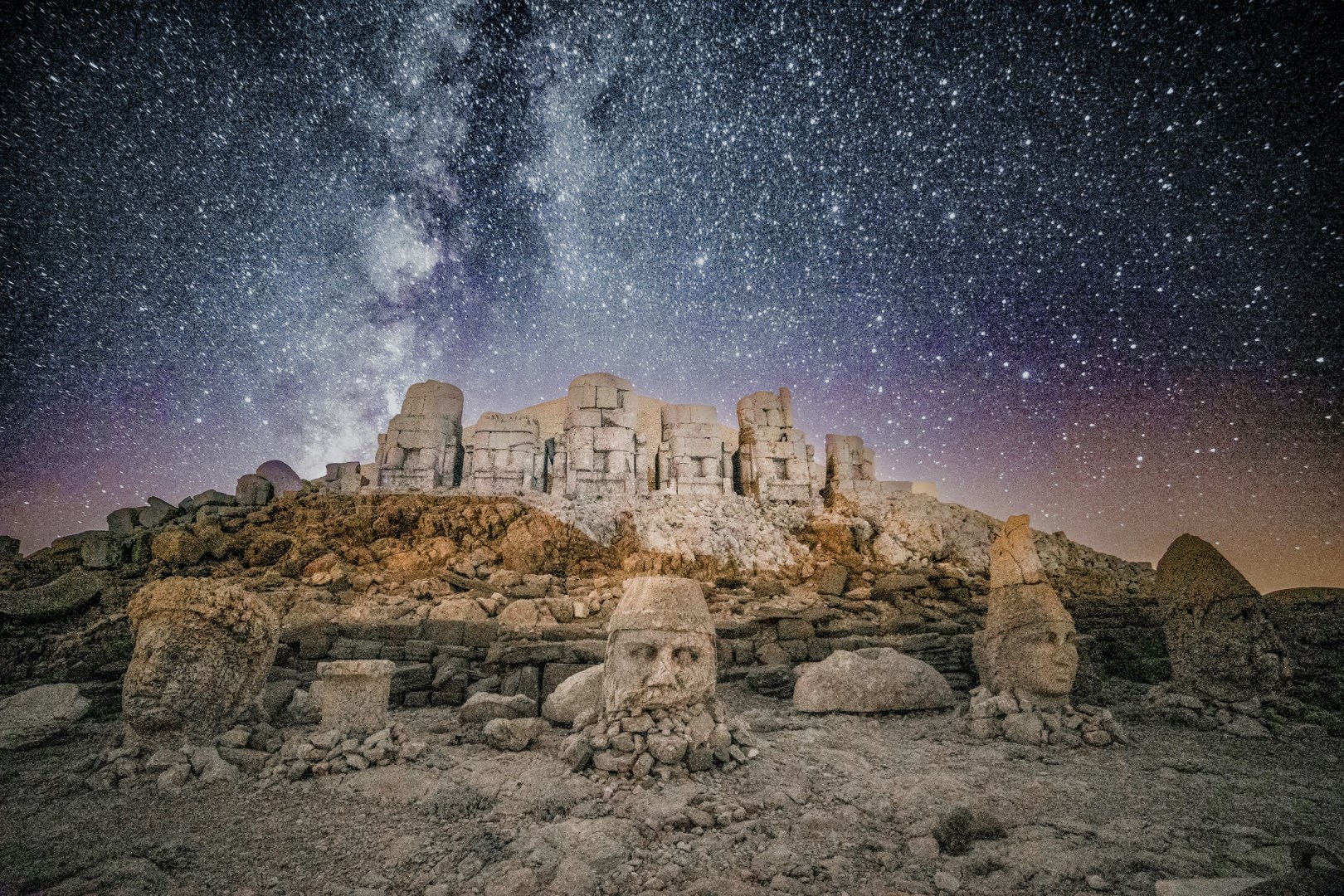
Turkey is a country that beautifully blends rich history, stunning landscapes, and vibrant culture, making it a must-visit destination for travelers. From the bustling streets of Istanbul, where East meets West, to the pristine beaches along the Mediterranean and Aegean coasts, Turkey offers something for everyone.

Tarragona
The Port of Tarragona is located in one of the most active economic areas of the Spanish Mediterranean, where the main petrochemical complex of the Spanish State is located.

Terre-de-haut
Terre-de-Haut is an island off the coast of Guadeloupe and replete with a variety of stunning viewpoints to gaze out at the sparkling waters of the Caribbean Sea.
Bella Vista
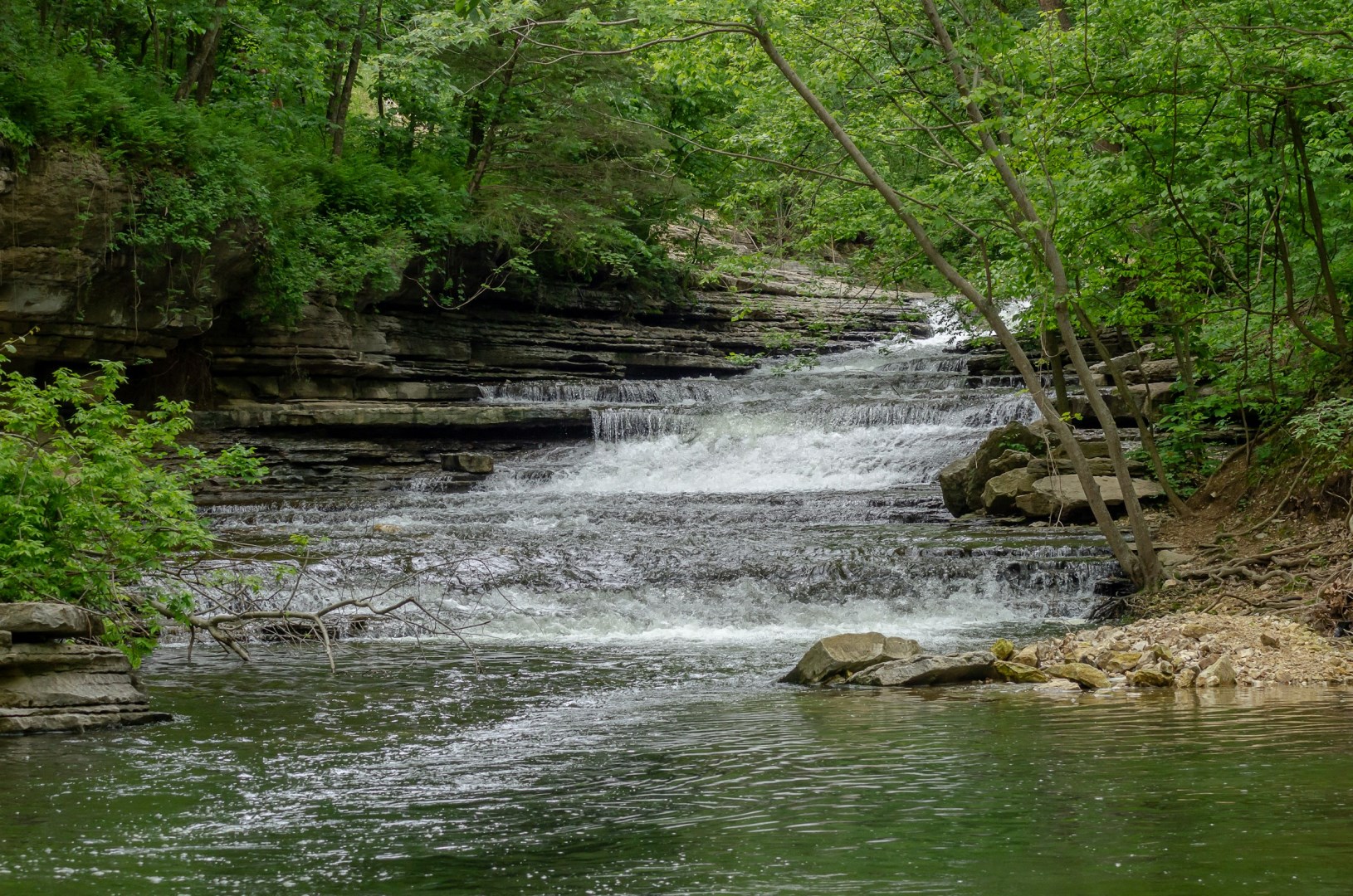
Bella Vista is a planned community in northwestern Arkansas, set among the wooded hills of the Ozark Mountains near the Missouri border. Its landscape includes steep valleys, limestone outcrops, clear lakes, and extensive forest, giving the area a distinct character within Benton County. Bella Vista began as a summer resort and later developed into a year-round residential community, with several neighborhoods spread across the hills rather than concentrated around a traditional downtown.
