
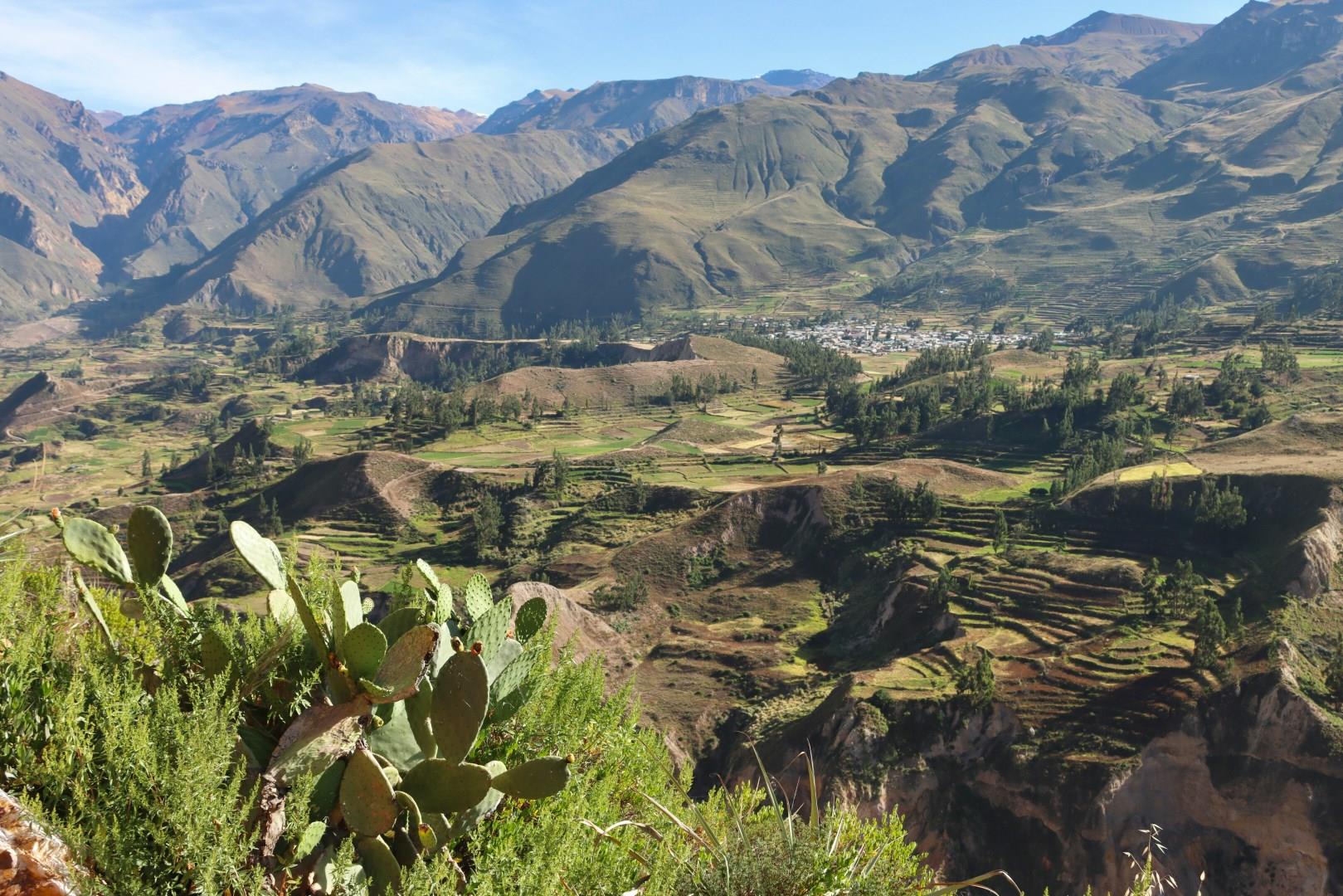
Colca Canyon
Colca Canyon, located in southern Peru’s Arequipa region, is one of the deepest canyons in the world, twice as deep as the Grand Canyon in some areas. What makes it stand out even more is how human settlements have coexisted with the landscape for centuries. Along its walls, pre-Inca agricultural terraces still hold crops like corn and quinoa. One of the main draws of the canyon is the opportunity to see Andean condors in flight.
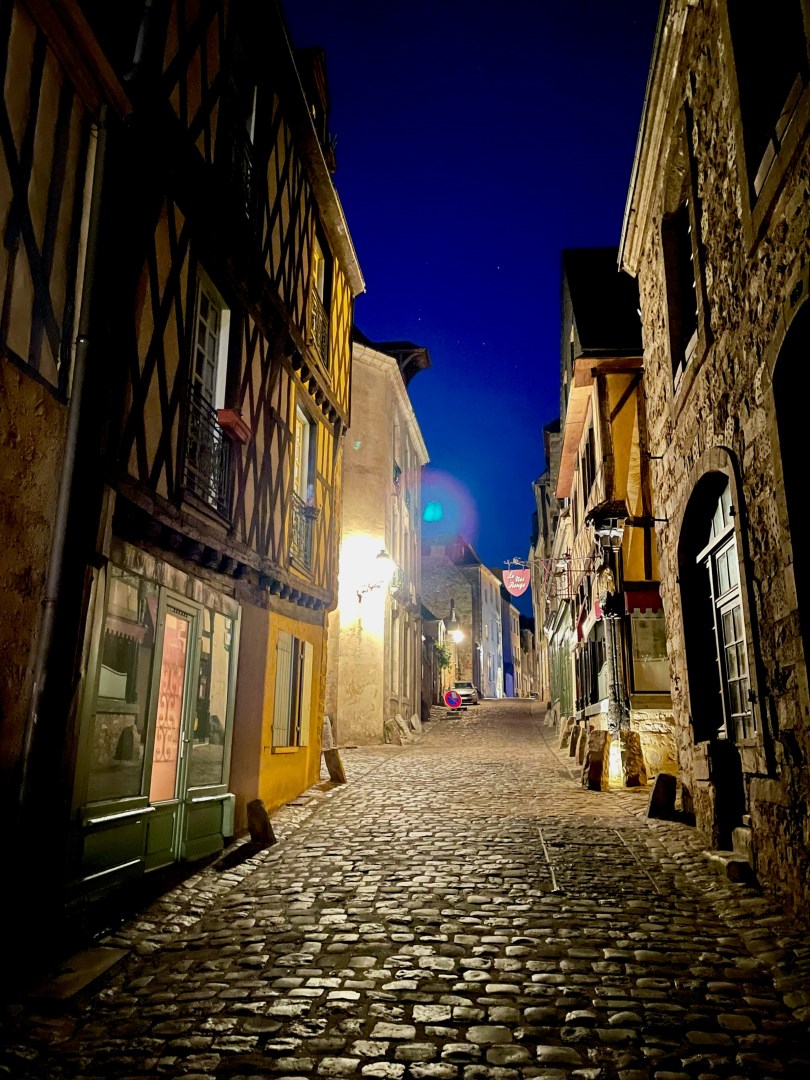
Le Mans
Located west of Paris, it is famous for its race track and the annual 24 hour Grand Pris auto race.

Sitka
Sitka is a coastal community on Baranof Island in Southeast Alaska, set between the forested slopes of the Alexander Archipelago and the waters of Sitka Sound. The city has a compact waterfront setting surrounded by temperate rainforest, islands, mountains, and productive marine waters. Sitka's location gives it a strong connection to fishing, boating, wildlife, and outdoor recreation, while its streets and historic buildings reflect both Tlingit and Russian influences.
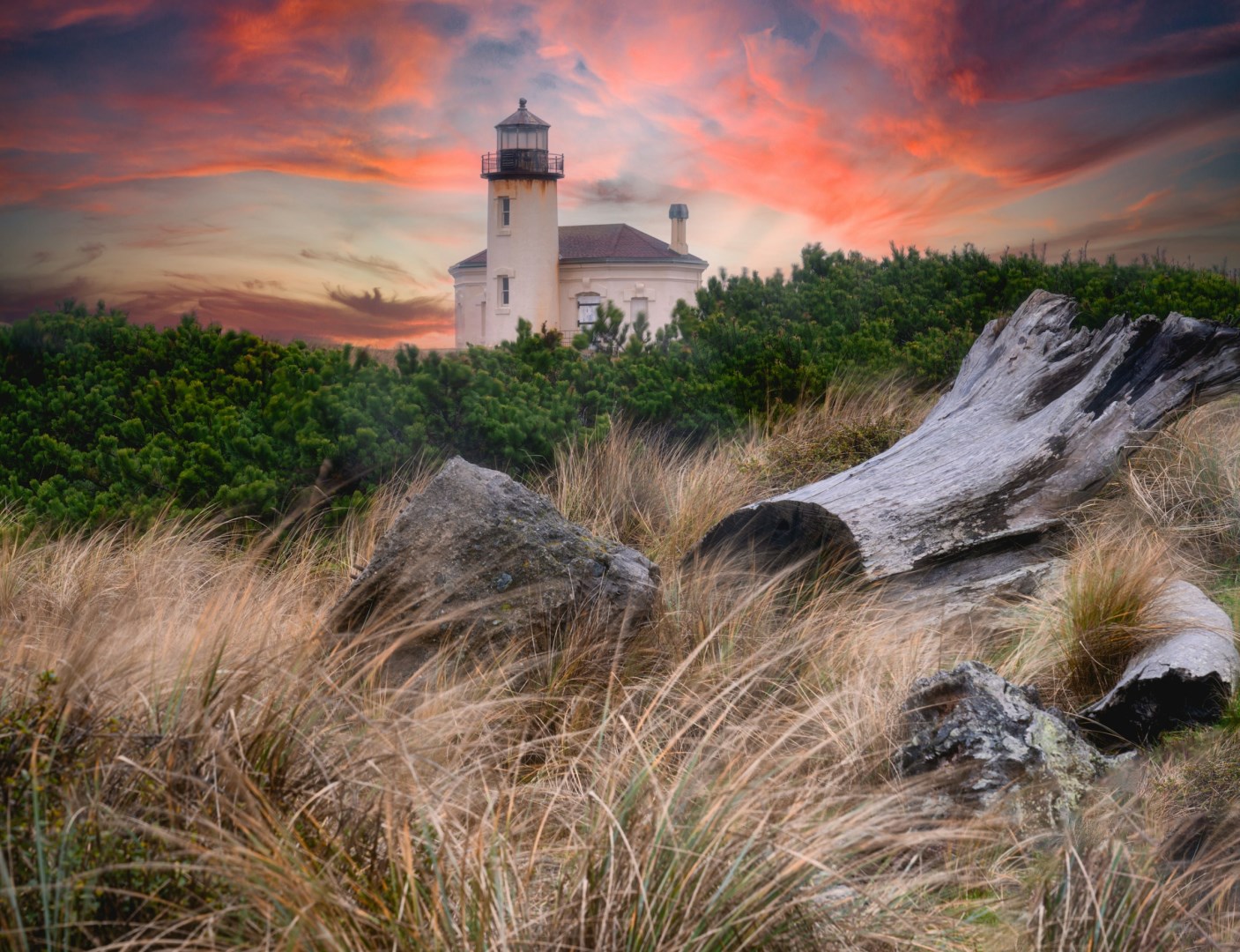
Bandon
Bandon is a coastal city on Oregon’s southern coast, positioned beside the Coquille River and the Pacific Ocean. Its setting combines a small harbor, sandy beaches, forested areas, and a rugged shoreline marked by offshore sea stacks. The city is known for its relaxed coastal character and its connection to the surrounding landscape rather than large-scale development. Bandon’s Old Town district contains shops, galleries, restaurants, and historic buildings, while the waterfront provides access
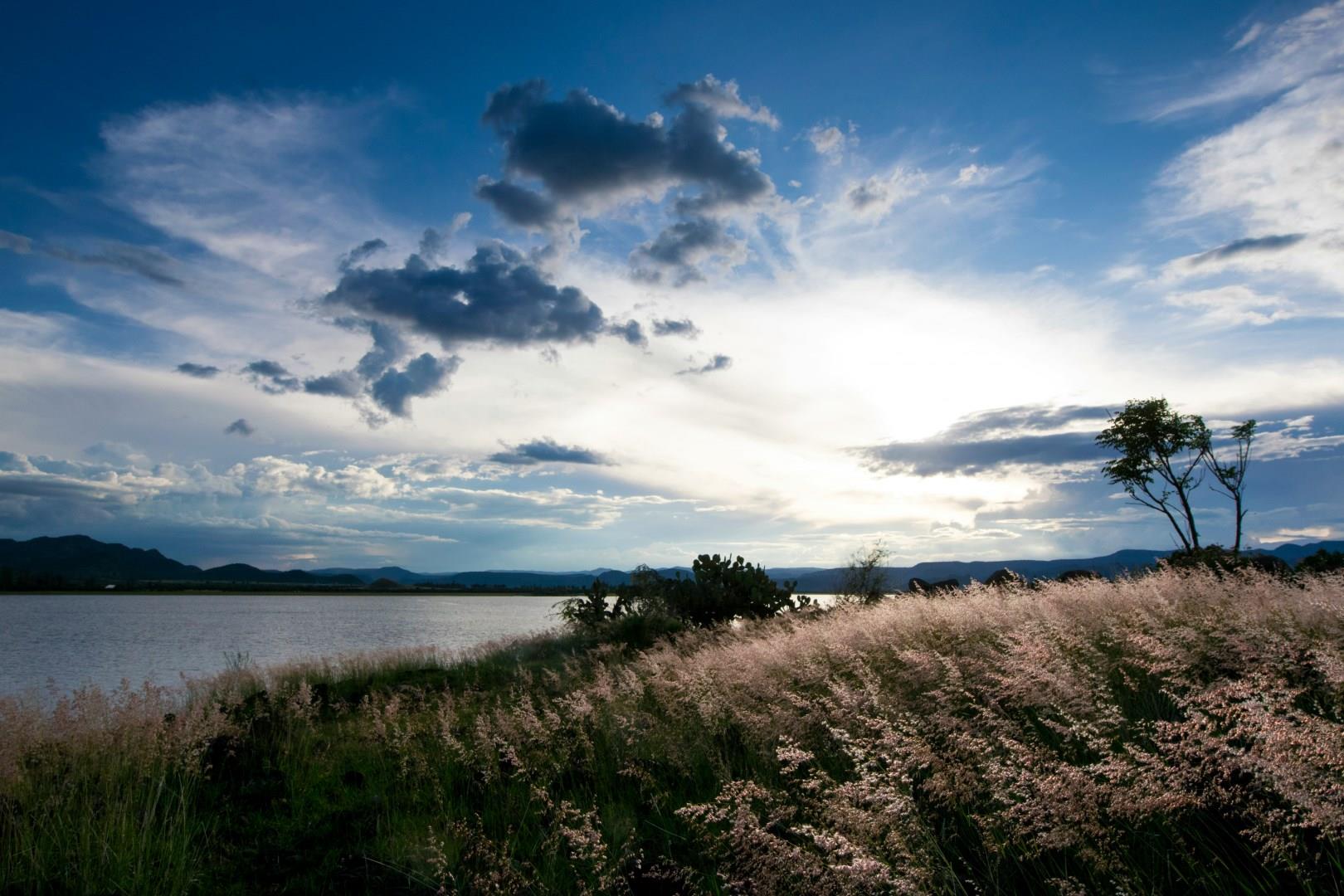
Durango
Durango, located in north-central Mexico, is a destination rich in history, dramatic landscapes, and cultural traditions that date back centuries. Once a key outpost during Spanish colonization, Durango played an important role in the development of northern Mexico. The city of Victoria de Durango, the state capital, features cobblestone streets and more than 1,000 officially registered historical structures.
