

Mikumi National Park
Mikumi National Park, located in Tanzania's southern highlands, offers a pristine and relatively undiscovered safari experience. Spanning over 3,230 square kilometers, Mikumi is part of the larger Selous Ecosystem, providing a diverse range of habitats from open grasslands to dense miombo woodlands. This park is an excellent choice for those seeking a more tranquil alternative to the more frequented Serengeti and Ngorongoro Crater.

Caudebec
Set along the Seine, Caudebec-en-Caux is notable for its dramatic Notre-Dame church and Maison des Templier (The Templars' House).
Khasab
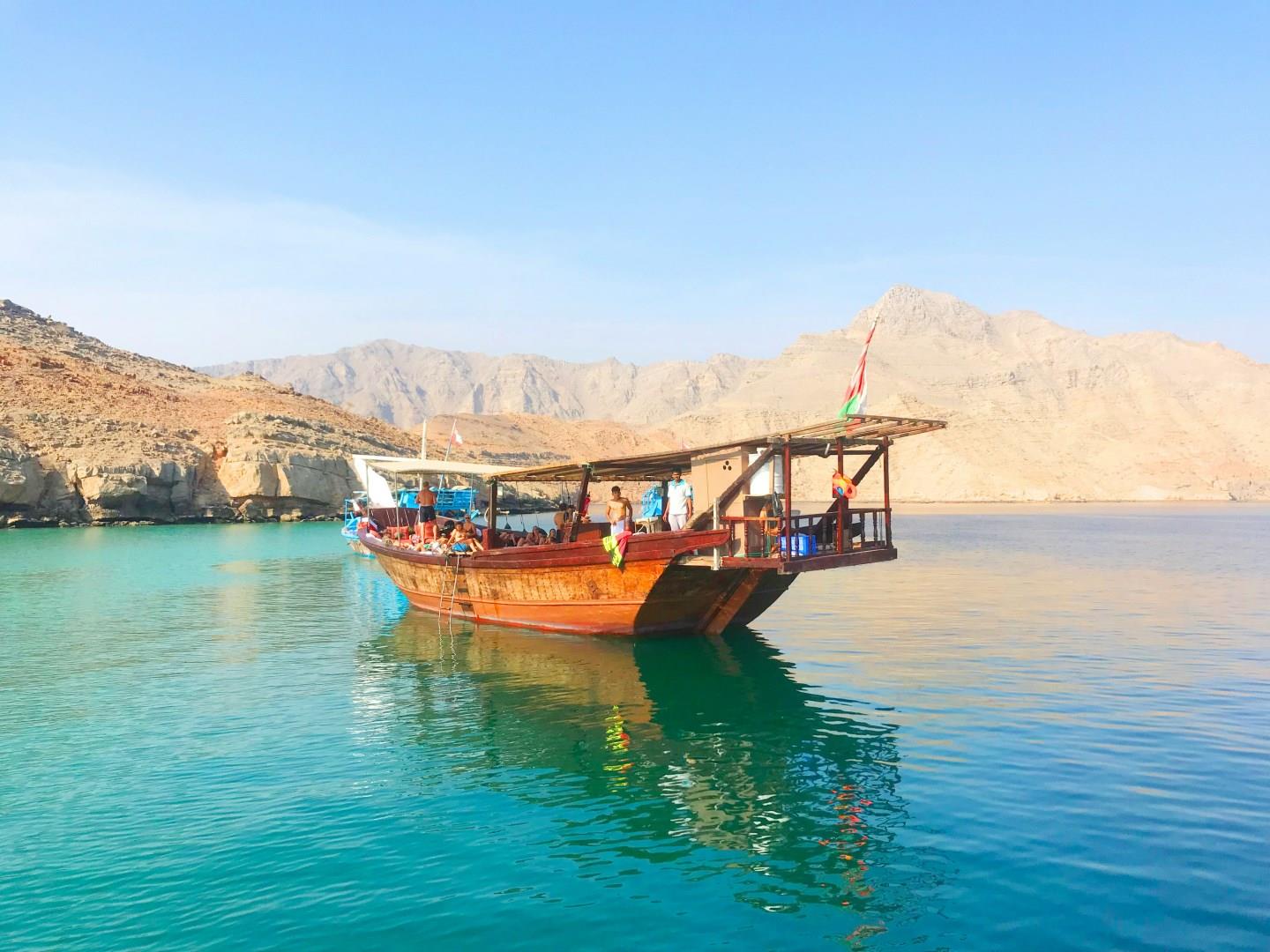
Khasab stands at the edge of Oman’s Musandam Peninsula, where rocky inlets carve into the land like desert fjords and earning it the nickname "Norway of Arabia." A short dhow ride uncovers soaring cliffs and narrow waterways, often mirrored by pods of dolphins gliding beside the wooden vessel. These traditional dhows, used for centuries by traders, now carry visitors into those coastal arms for snorkeling, swimming, and quiet reflection.

Phuket
Phuket, Thailand’s largest island, has long served as a cultural and trade crossroads in the Andaman Sea. Centuries ago, it was a stopover for merchants trading tin, spices, and textiles, with influences from Chinese, Portuguese, Indian, and Malay travelers still reflected in the island’s architecture and cuisine. Inland, the Khao Phra Thaeo Wildlife Sanctuary protects rainforest habitat home to gibbons, civets, and exotic birds.
Akita
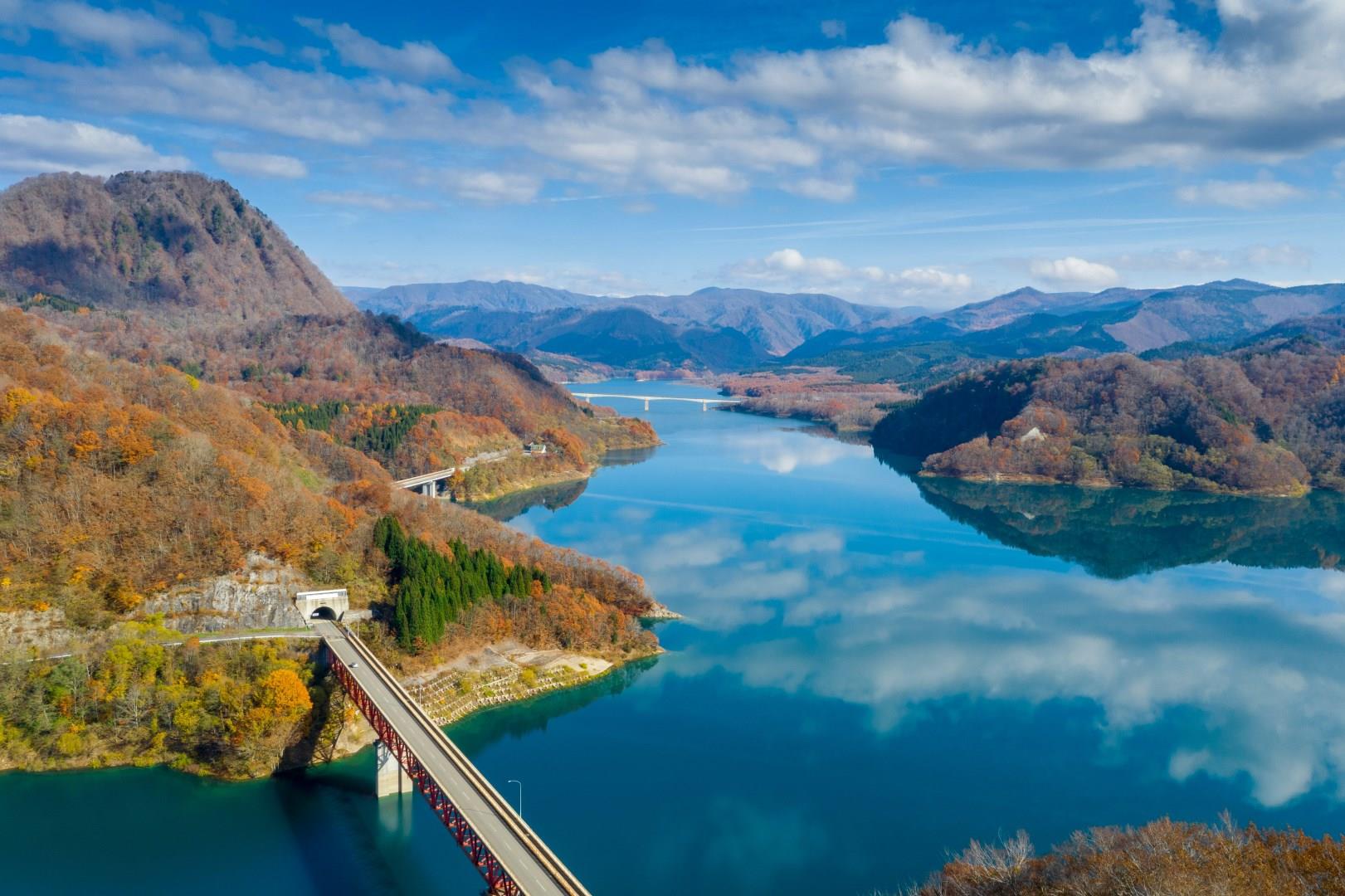
Akita sits in the northern part of Japan’s Tōhoku region and offers travelers experiences rooted in long-held traditions, lively festivals, and scenic valleys. Its capital city blends seasonal appeal with cultural offerings, from Senshu Park, once the site of Kubota Castle, where cherry blossoms and lotuses draw locals and visitors alike, to the Akita Museum of Art, a striking building designed by famed architect Tadao Ando that displays works including pieces by Tsuguharu Foujita.
