

Marmaris
Marmaris sits on the turquoise waters of Turkey’s Aegean coast and greets visitors with a lively harbor, wide beaches and a story that spans thousands of years. Its protected bay has been a safe anchorage for ships since ancient times, and today the marina, one of the largest on the Turkish Riviera, is bright with yachts and fishing boats alike.

Soufriere
Soufriere sits on the southwest coast of St. Lucia, framed by steep hills and the twin Pitons that rise sharply from the sea. Once the island’s original capital, the town carries deep historical roots tied to colonial rivalries and the development of plantation culture.
Socotra
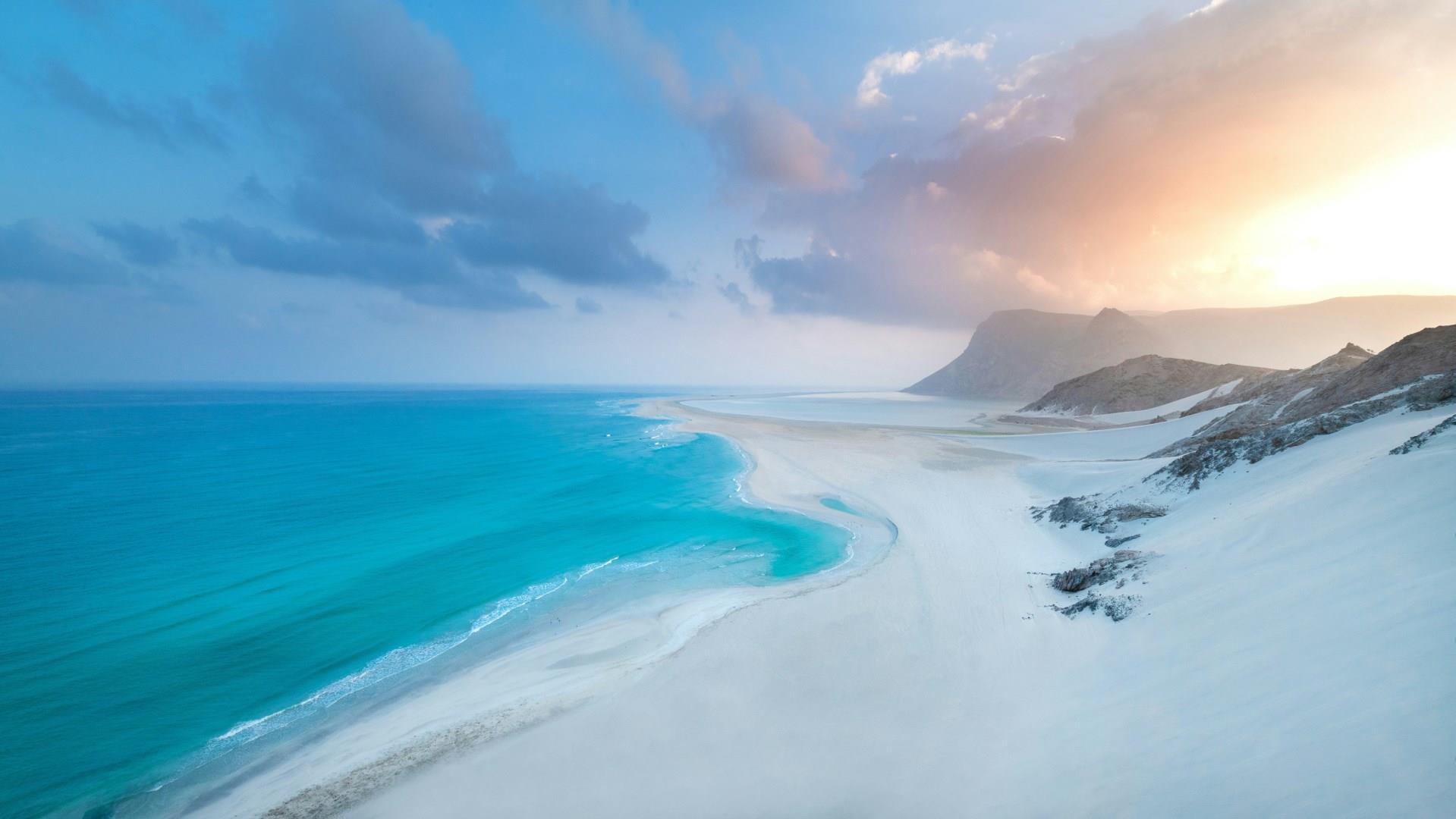
Socotra rises from the Arabian Sea like a world apart, its landscapes shaped over millennia. The Dragon’s Blood Trees, with their umbrella-shaped crowns and deep red sap, stand among the most iconic sights here. In places like Dixam Plateau and Homhil Forest, these trees gather in sparse formations, creating scenes that feel both ancient and alien. The resin remains valued for traditional dyes and remedies.

St. Malo
Saint-Malo, a captivating walled city on the coast of Brittany, France, invites visitors to step back in time while embracing the beauty of the rugged coastline. Known for its rich maritime history, this former pirate stronghold has retained its medieval charm, with narrow cobblestone streets, towering granite walls, and fortifications that echo tales of seafaring adventures.
Napali Coast State Wilderness Park
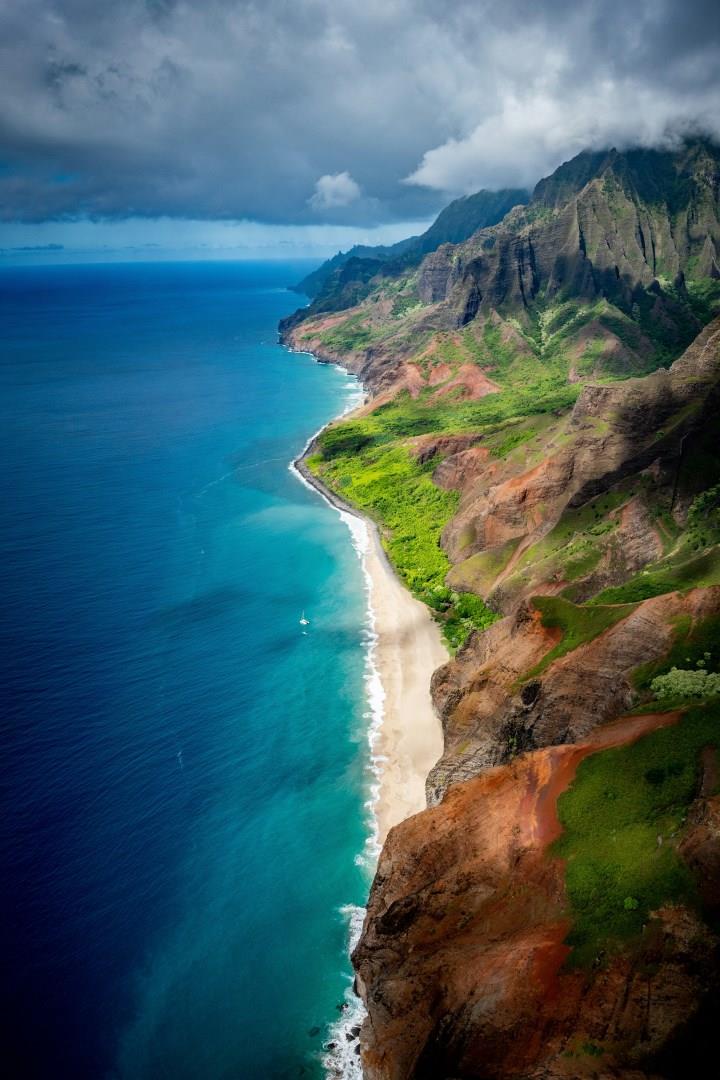
Napali Coast State Wilderness Park, located on the northwestern edge of Kauai, is one of Hawaii’s most visually dramatic landscapes. The coastline stretches for 17 miles and is defined by towering cliffs, known locally as "pali," that rise over 4,000 feet above the Pacific Ocean. These rugged ridges are carved by centuries of rainfall and volcanic activity, creating a landscape only accessible by foot, boat, or air.
