
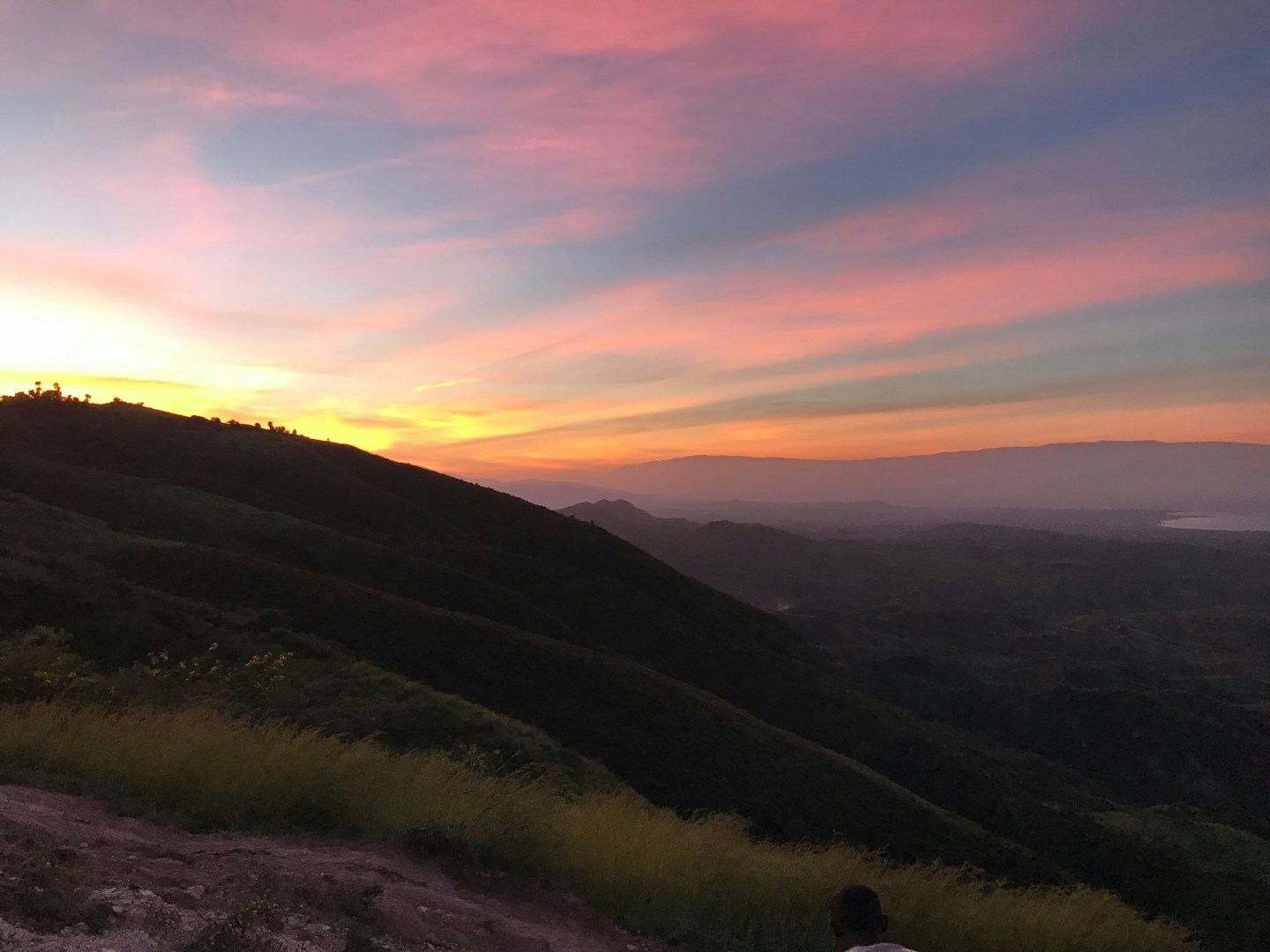
Port-au-Prince
Port-au-Prince in Southwest Haiti is the capital. The country's largest city, commercial center, and chief seaport, it is laid out like an amphitheater around a bay. Founded in 1749 by French sugar planters, it became the colonial capital in 1770, replacing Cap-Haïtien.

Dominica
Dominica, known as the “Nature Island of the Caribbean,” is a haven for eco-tourists and adventure seekers. Nestled between the French islands of Guadeloupe and Martinique, this lush island boasts a remarkable landscape of volcanic mountains, dense rainforests, and stunning waterfalls. Dominica’s most iconic natural wonder is the Boiling Lake, the second-largest hot spring in the world.
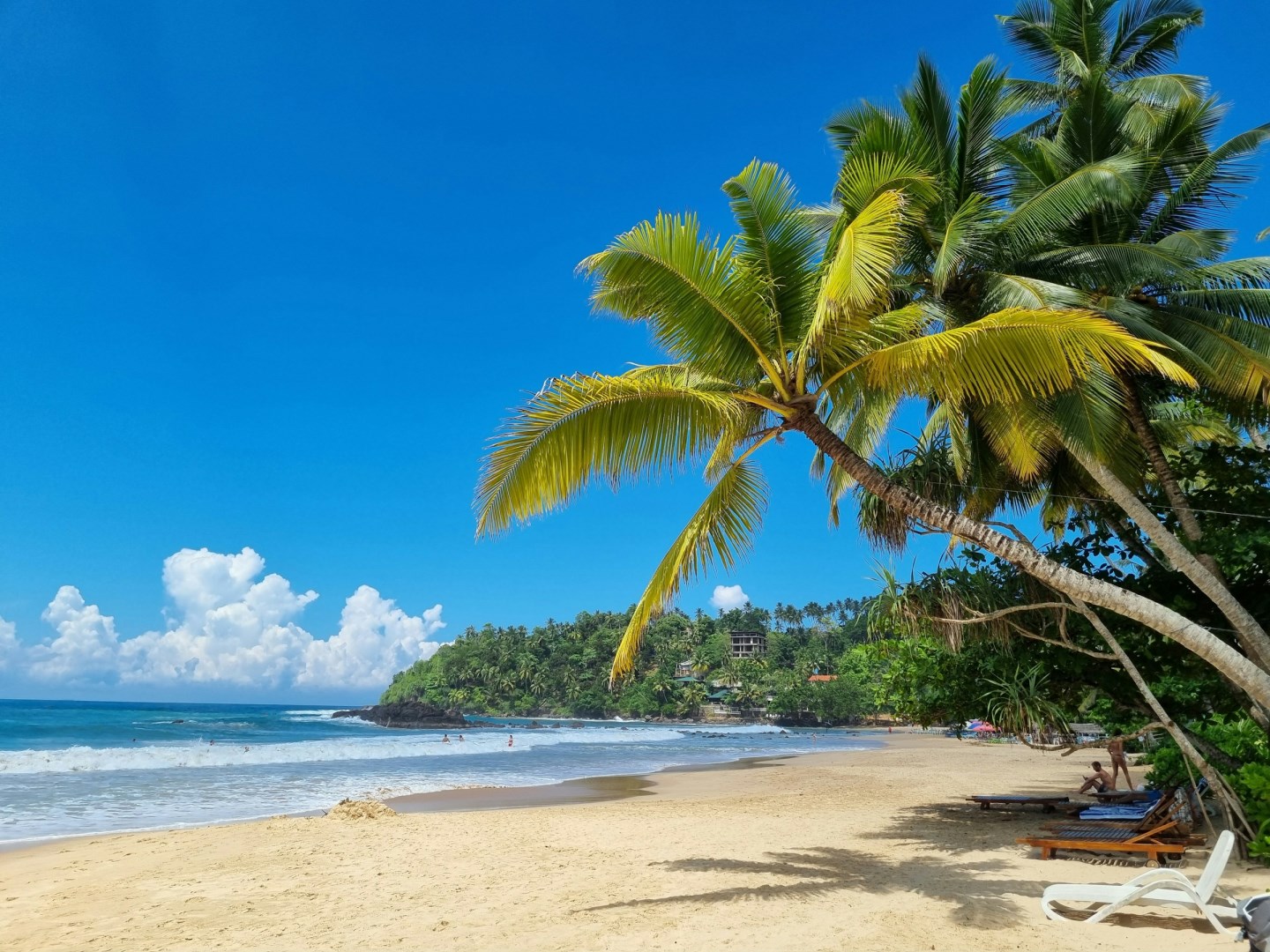
Mirissa
Mirissa, on the southern coast of Sri Lanka, is a seaside town that blends golden beaches, turquoise waters, and a laid-back atmosphere. Known for its crescent-shaped bay fringed with palm trees, it offers one of the island’s most inviting spots for swimming, surfing, and lounging by the sea.
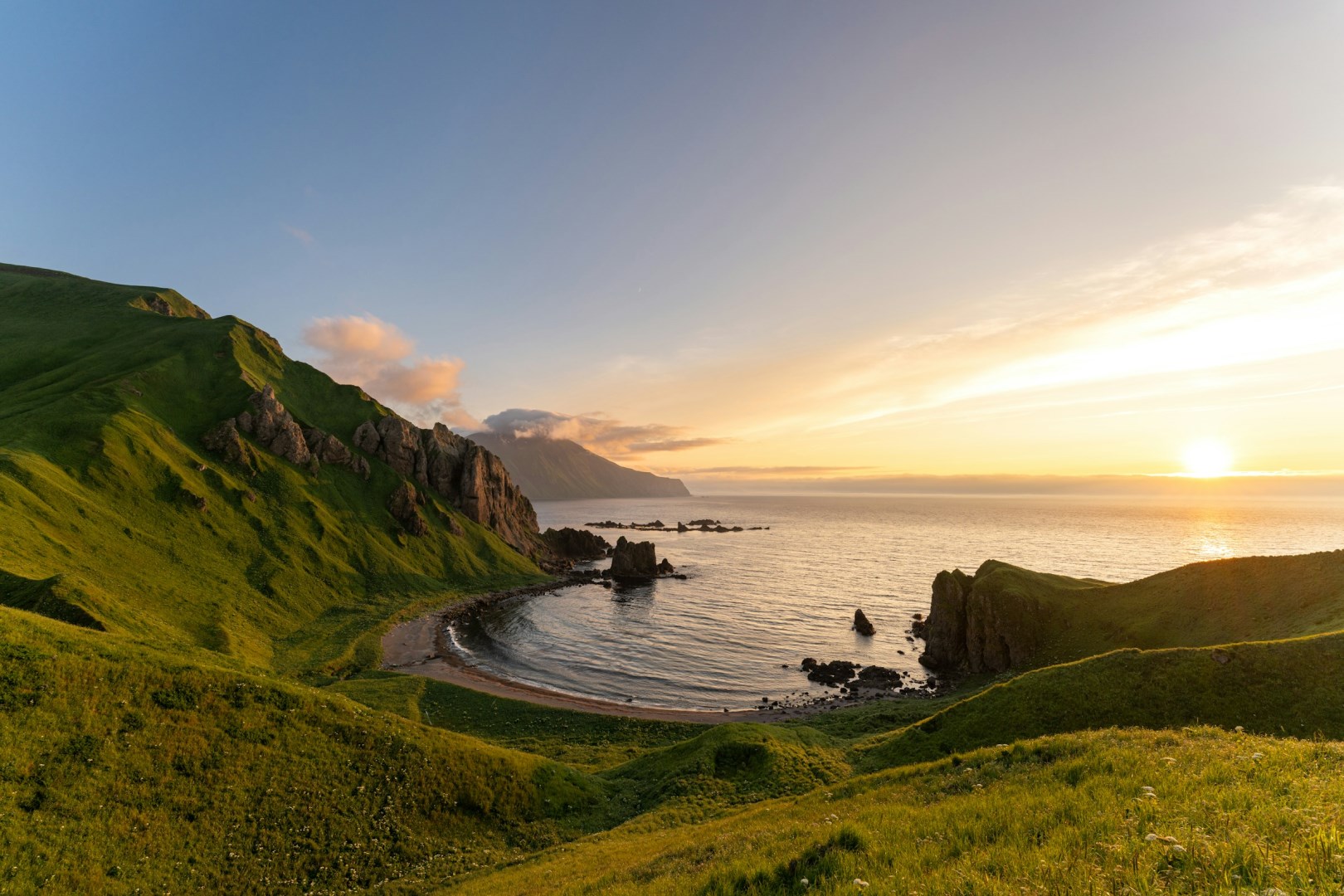
Adak Island
Adak Island lies in the central Aleutian Islands of southwest Alaska, where steep volcanic mountains meet the North Pacific. The community of Adak occupies a sheltered harbor on the island and is one of the few remote Aleutian locations accessible by commercial airline. Much of the island consists of open tundra, rugged slopes, coastal wetlands, and rocky shorelines shaped by strong winds and frequent rain.

Virgin Islands
The Virgin Islands, an archipelago in the northeastern Caribbean, are divided between the United States and the United Kingdom, each offering a distinct flavor while sharing the same breathtaking landscapes. These islands are known for their lush hillsides, crescent-shaped beaches, and some of the clearest waters in the region.
