

Las Vegas
Las Vegas, Nevada, is an electrifying city where glitz and glamour meet entertainment and excitement. Known as "The Entertainment Capital of the World," Las Vegas offers an unparalleled array of attractions, from its iconic casinos and luxurious hotels to its world-class dining and live shows. The city's entertainment scene is second to none, featuring legendary headliners, cutting-edge performances, and an array of themed attractions.

Hella
Hella is a small town in southern Iceland on the south bank of the Ytri-Rangá River, positioned along the main road between Selfoss and Hvolsvöllur. Its location on the fertile Rangárvellir plain gives the town a strong agricultural character, with farms and open fields extending toward the surrounding mountains. Hella is also a practical base for exploring southern Iceland, with the Þjórsárdalur valley,
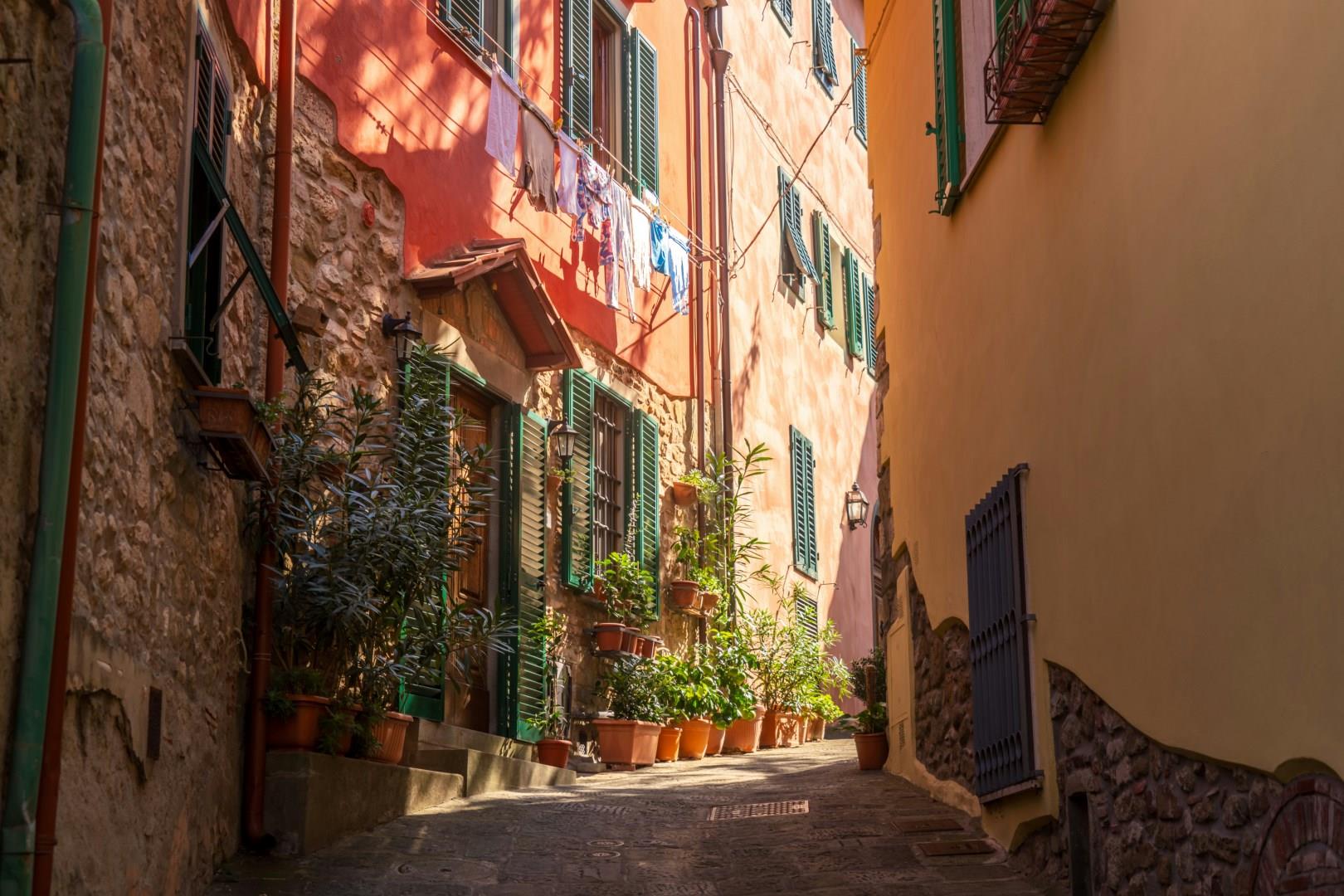
Montecatini
Montecatini Terme, in Tuscany’s Valdinievole region, is one of Italy’s most renowned spa towns, celebrated for its thermal waters and elegant Belle Époque charm.
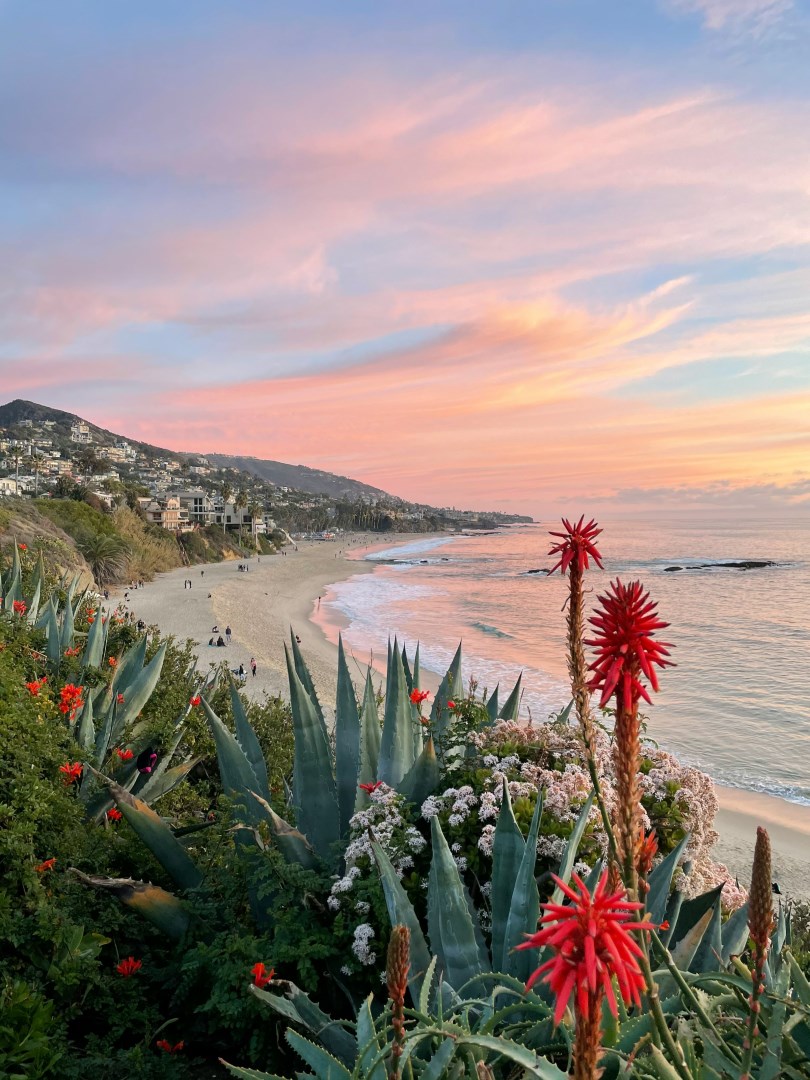
Laguna Beach
Laguna Beach is a coastal city in Southern California, set between steep hills and the Pacific Ocean in Orange County. Its shoreline is marked by sandy coves, rocky headlands, sea caves, tide pools, and coastal cliffs, while the surrounding hills contain chaparral and protected open spaces. The city has a compact downtown with galleries, restaurants, shops, and small public spaces close to the water. Unlike much of the more heavily developed Orange County coast, Laguna Beach retains numerous und

Nicaragua
Nicaragua offers travelers a look into centuries of layered history set against striking natural backdrops. Visitors can tour the baroque-style Granada Cathedral, take a boat ride through Las Isletas (a chain of small, volcanic islands in Lake Nicaragua), or climb the bell tower of Iglesia La Merced for sweeping city views.
