
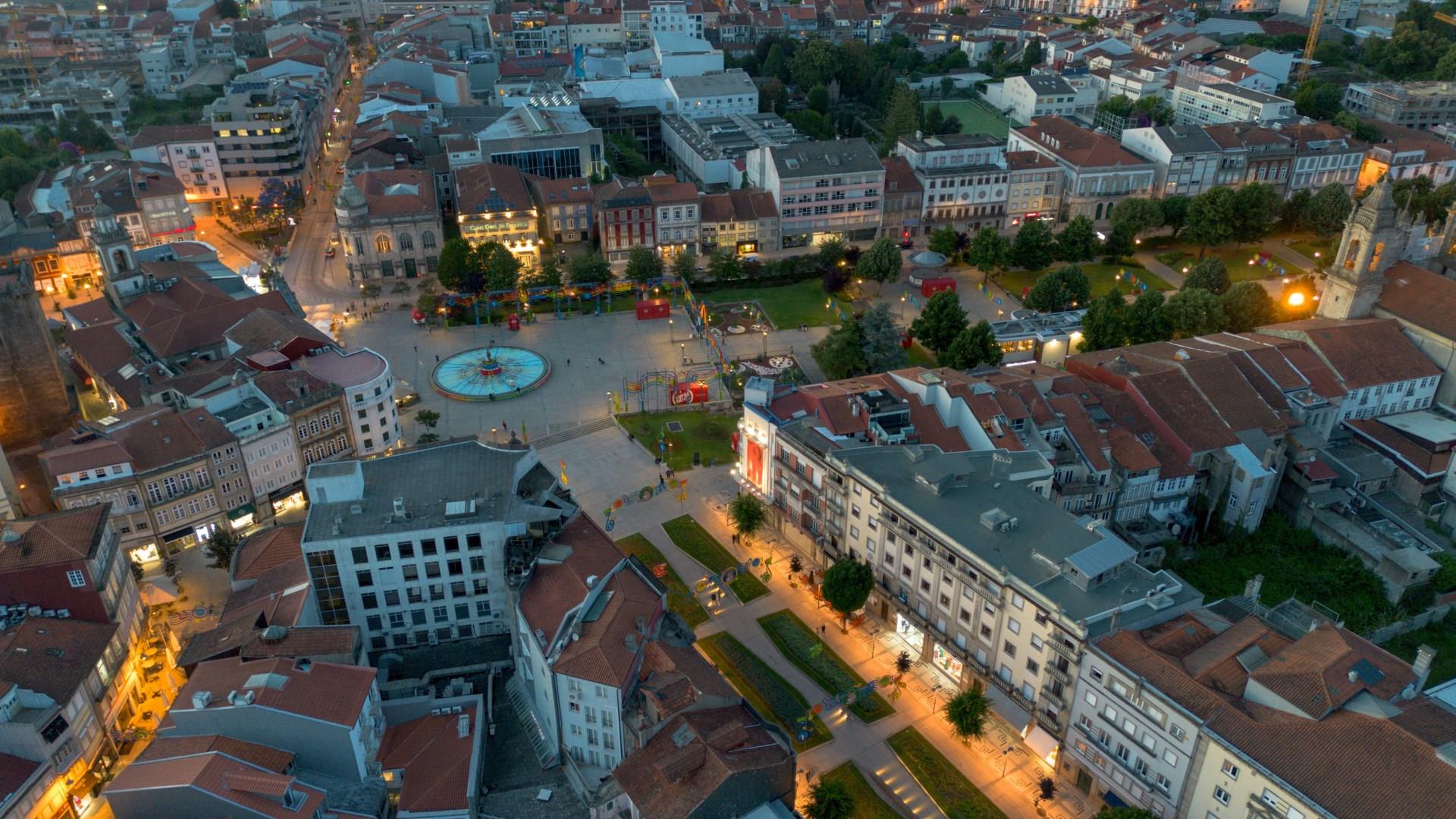
Braga
Braga, one of Portugal’s oldest and most vibrant cities, blends deep religious heritage with a youthful, energetic spirit. Founded over two millennia ago by the Romans as Bracara Augusta, the city has long been a center of faith and culture, earning it the nickname “the Rome of Portugal.”
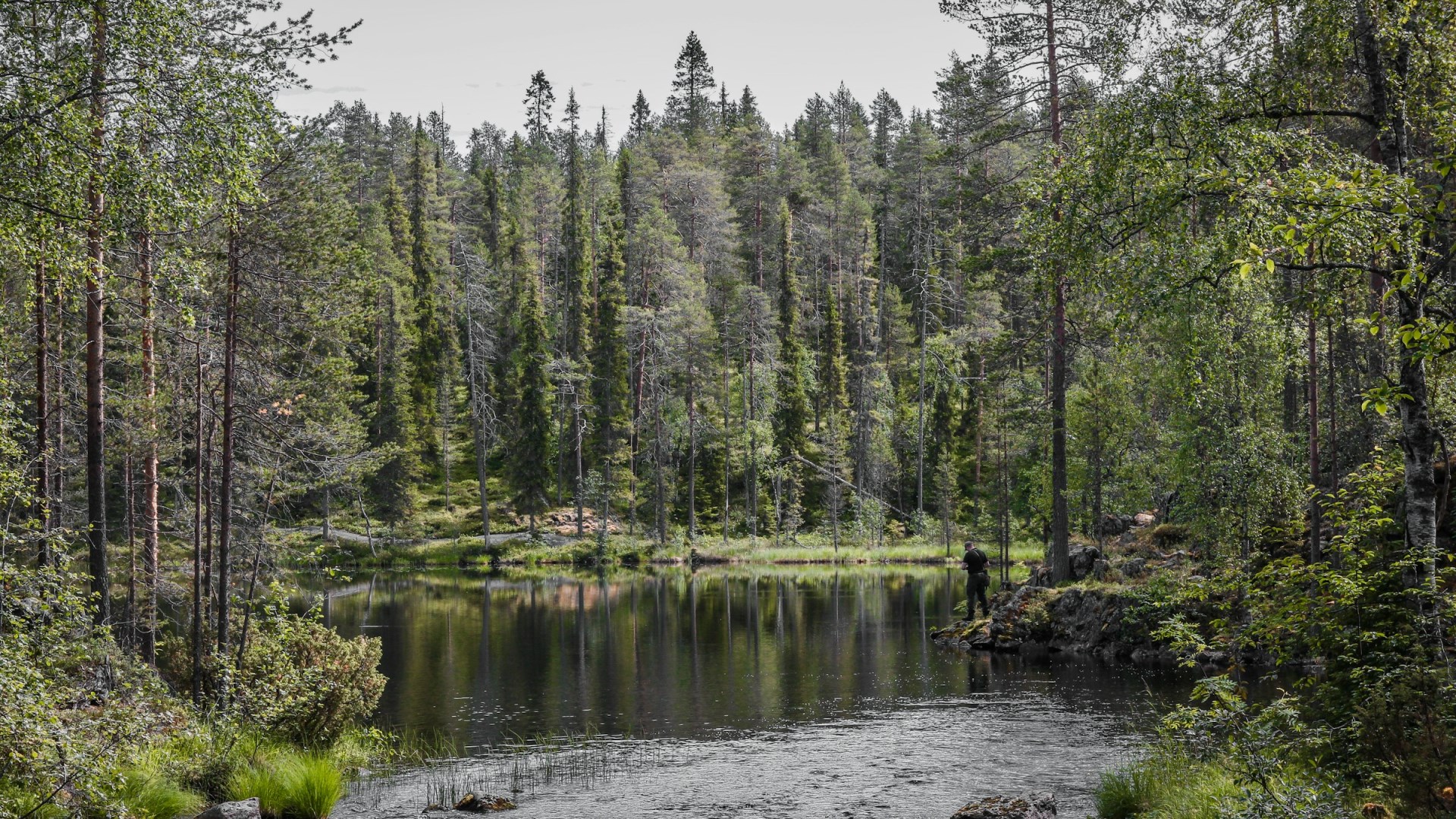
Hossa National Park
The name "Hossa" originates from the old Sami word Huossa meaning "a place far away," and this gorgeous location is definitely away from it all! This national park is one of seven hiking areas created under Finland's Outdoor Recreation Act and contains over 55 miles of trails for hiking enthusiasts to explore.

Perito Moreno Glacier
Perito Moreno Glacier is one of the most recognizable ice formations in Argentina, located within Los Glaciares National Park in Santa Cruz Province. The glacier extends into the southern arm of Lago Argentino and is notable for its broad ice front, which can be viewed from a network of walkways and observation platforms. Its proximity to El Calafate makes it one of the more accessible major glaciers in Patagonia.
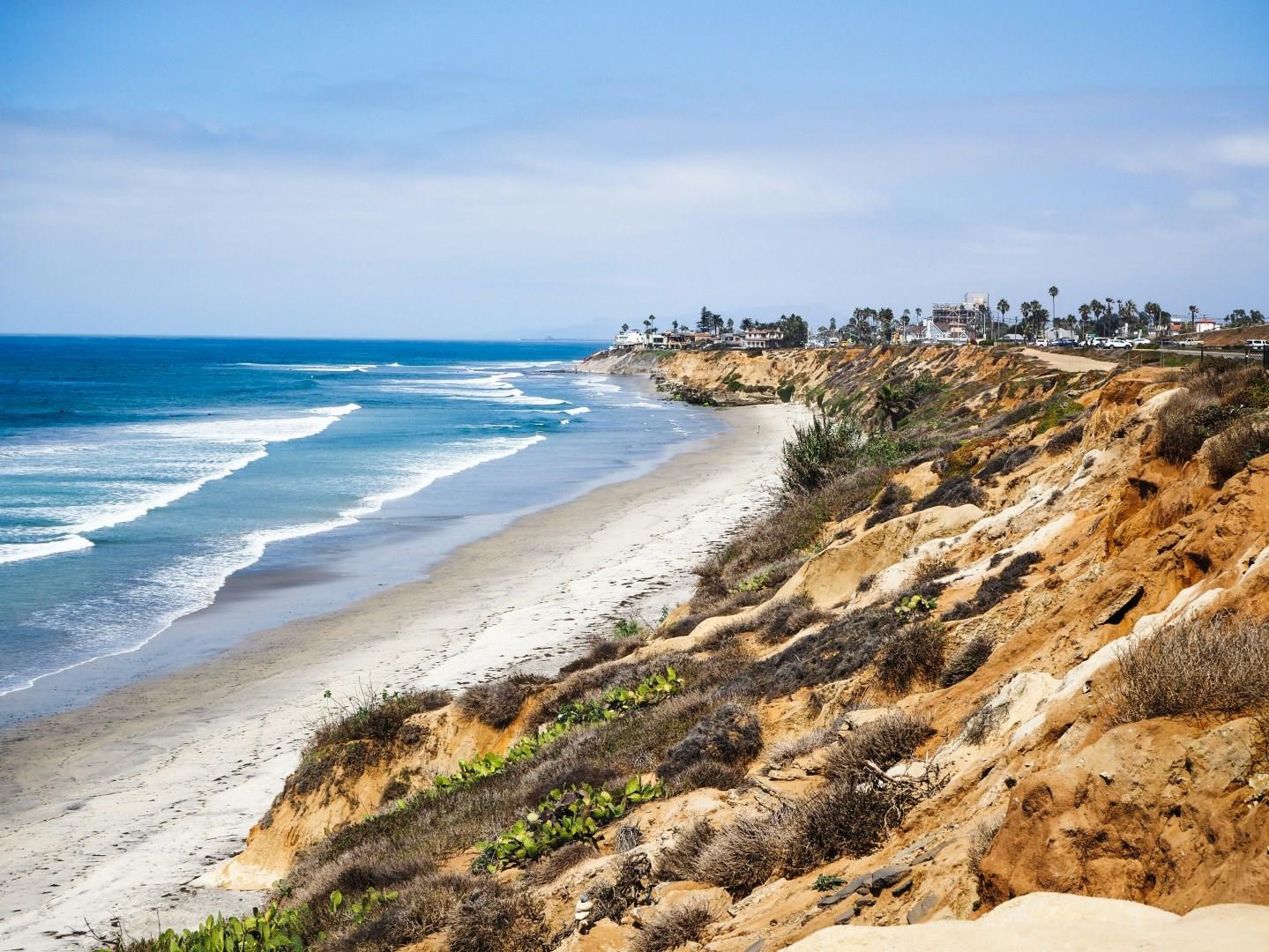
Carlsbad
Carlsbad, California, a coastal gem located between San Diego and Los Angeles, offers visitors a unique mix of stunning beaches, family-friendly attractions, and natural beauty. The city is best known for its beautiful Carlsbad State Beach, where surfers, sunbathers, and swimmers flock year-round to enjoy Southern California’s idyllic weather and shimmering Pacific waters.
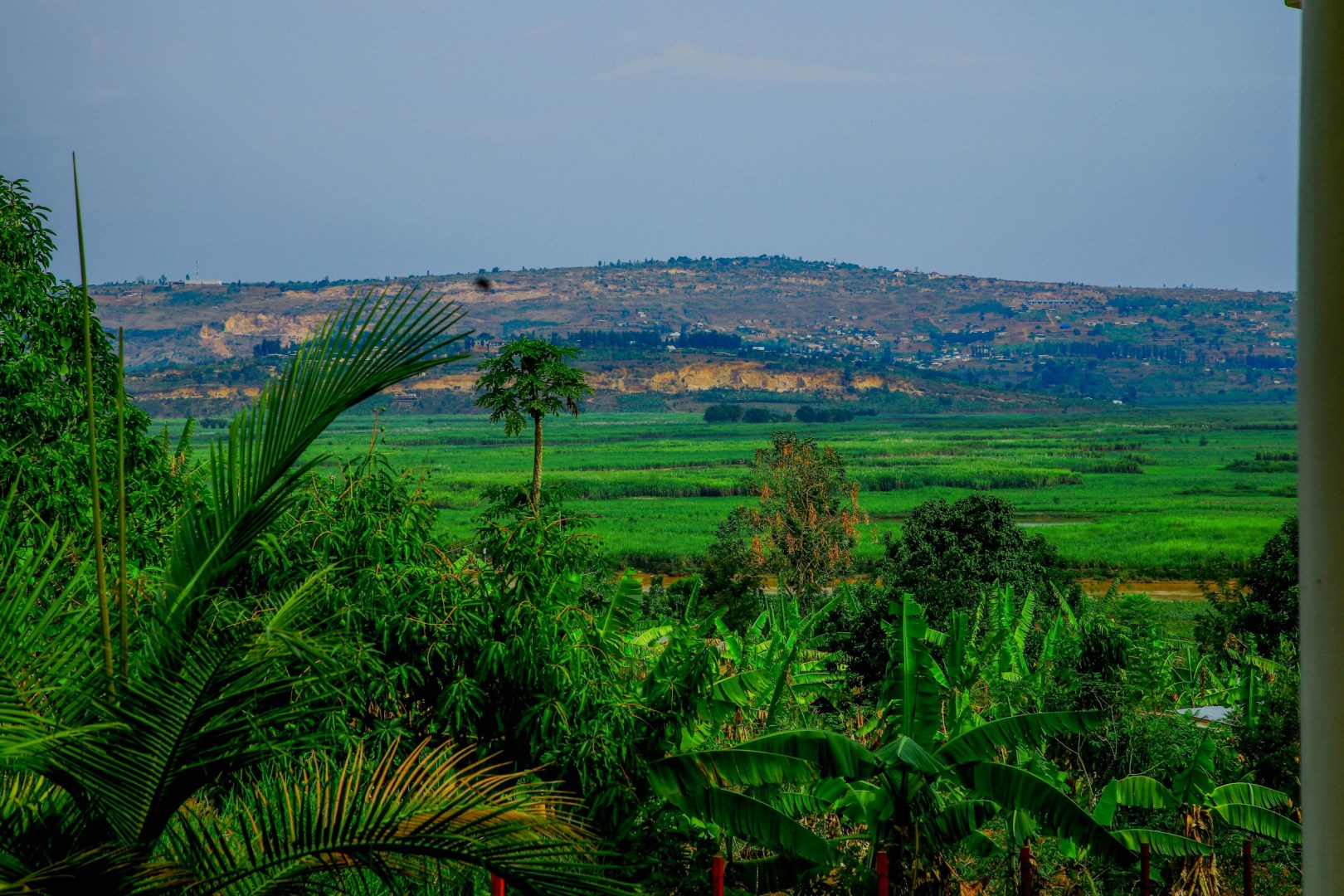
Nyabarongo
Nyabarongo is one of Rwanda’s principal rivers, flowing through the country’s central and southern landscapes and forming an important part of the Nile River basin.
