

Piraeus
Seven miles outside of historic Athens, the Greek coastal city of Piraeus lies upon the sparkling waters of the Aegean Sea and is the largest passenger port in Europe, servicing nearly 20 million passengers per year.
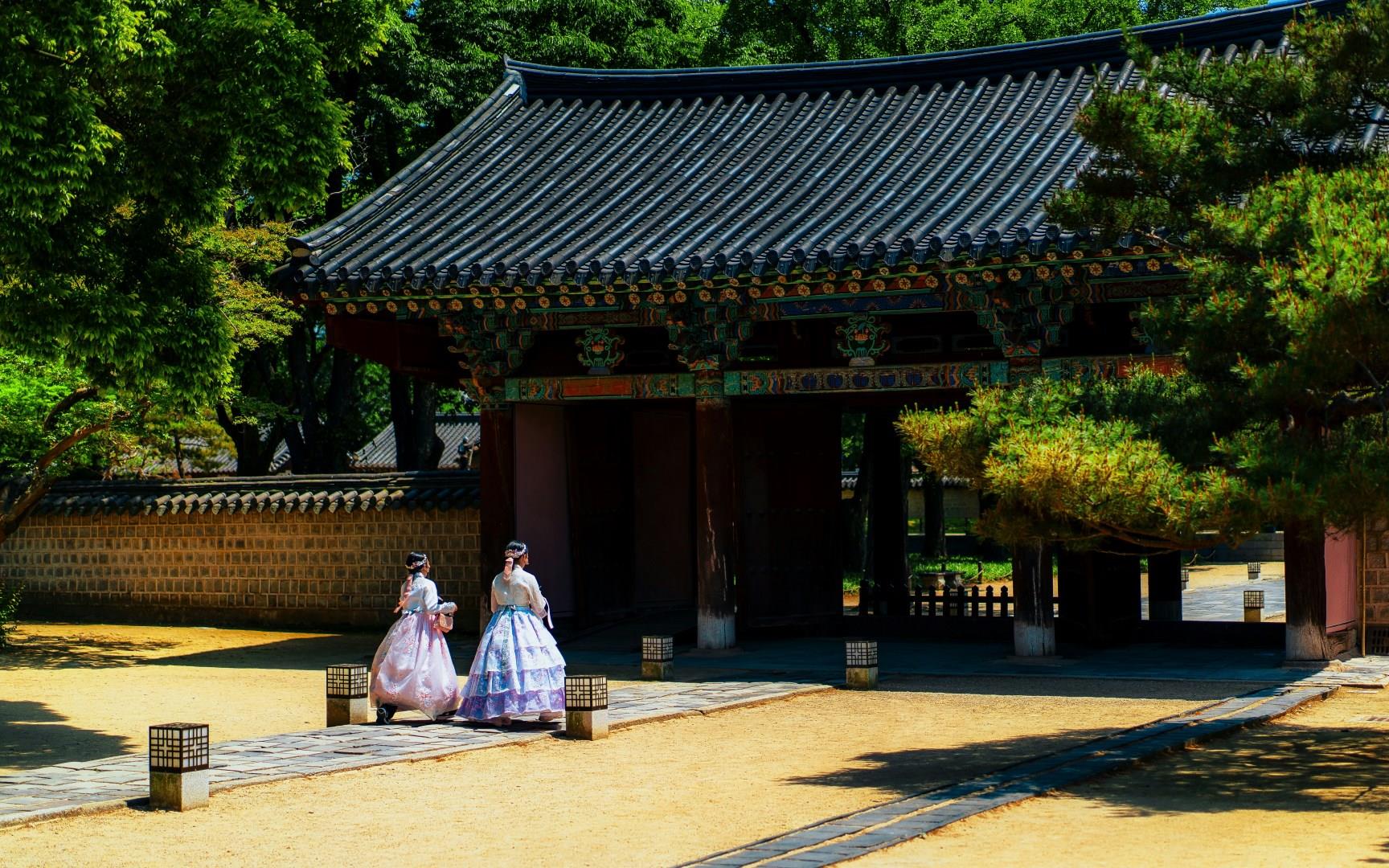
Jeonju-si
Jeonju-si, in South Korea’s North Jeolla Province, is widely associated with preservation rather than spectacle. The city’s identity is closely tied to its role as a former provincial capital during the Joseon Dynasty and as the birthplace of the royal Yi family.

Santa María Huatulco
Located in Oaxaca, Mexico, Huatulco is famous for its beaches and the sparkling blue water of surrounding bays.

Kuala Lumpur
Kuala Lumpur, the capital of Malaysia, is a city where tradition and modernity meet in striking ways. Towering over the skyline are the Petronas Twin Towers, once the tallest buildings in the world, while at street level you’ll find lively markets, ornate temples, and colonial-era architecture.
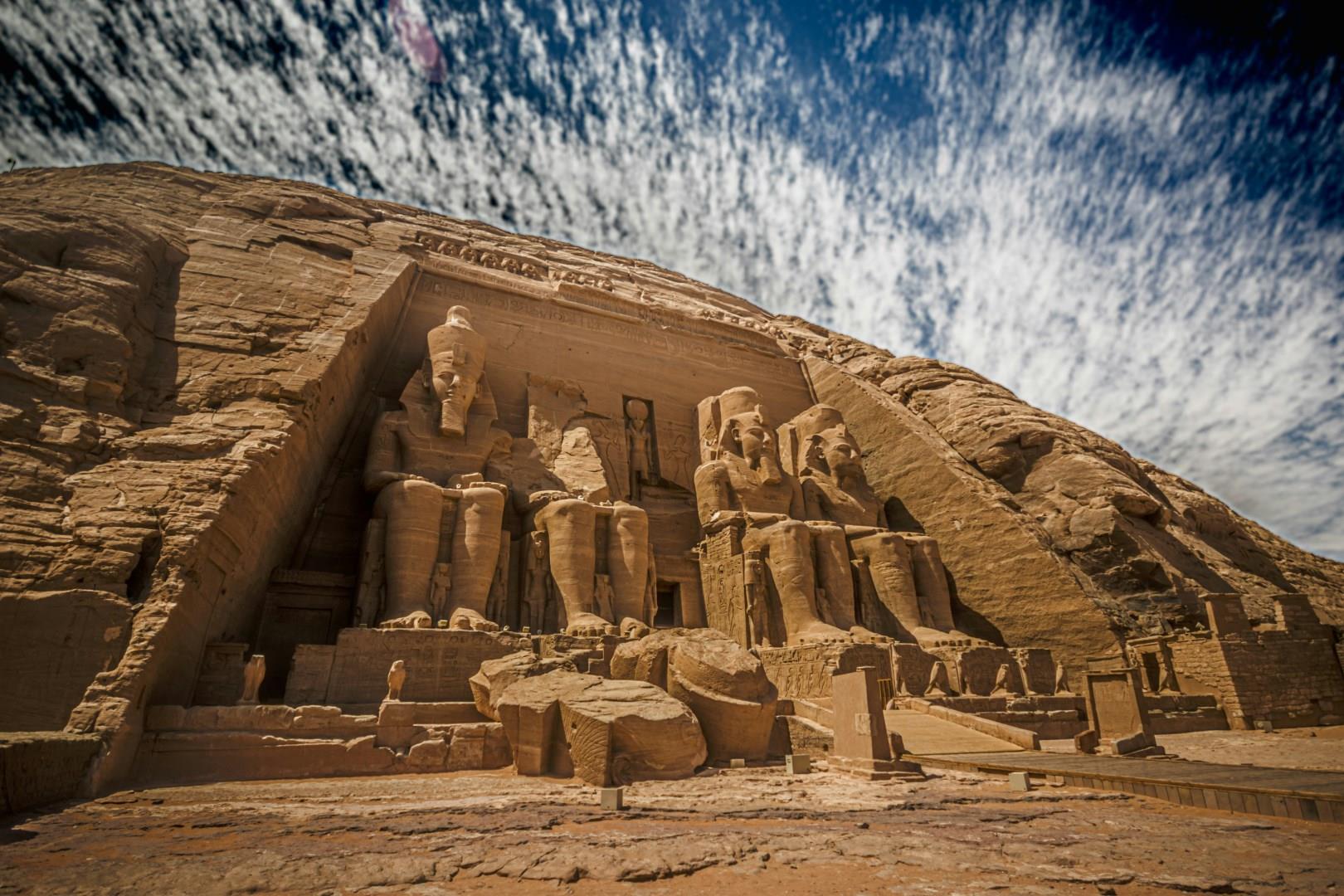
Abu Simbel
Abu Simbel, in southern Egypt near the border with Sudan, is one of the most awe-inspiring archaeological sites of the ancient world. Built during the reign of Pharaoh Ramses II in the 13th century BCE, the twin temples were carved directly into the sandstone cliffs overlooking the Nile. The Great Temple, with its four colossal statues of Ramses II seated at the entrance, was designed not only to honor the pharaoh but also to project his power to neighboring Nubia.
