
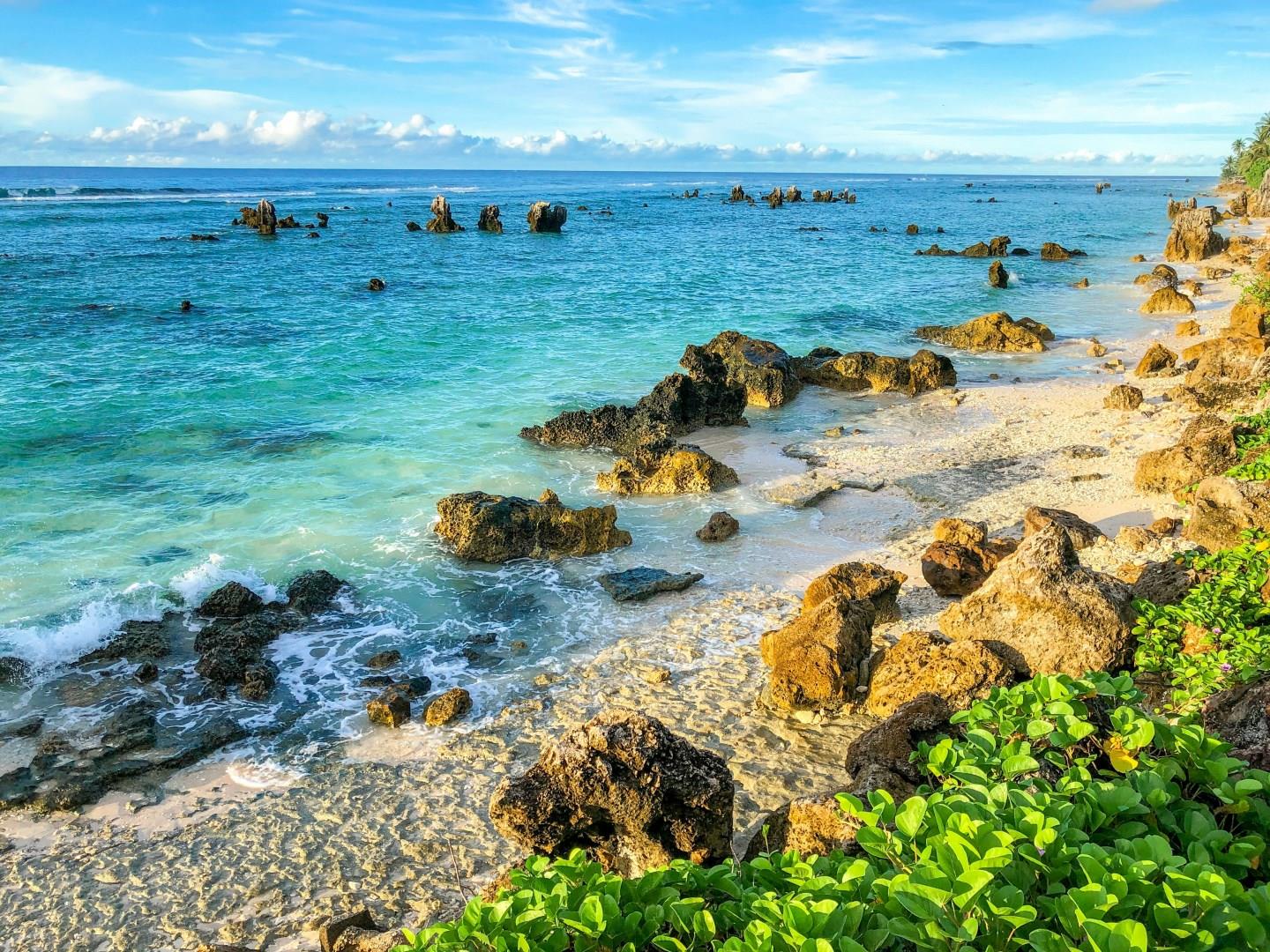
Nauru
Tucked away in the heart of the Pacific Ocean, Nauru is one of the world’s smallest and least visited countries being an island nation just 21 square kilometers in size, with a population under 10,000. But its compact size makes exploring simple and rewarding. Visitors can circle the entire island by car in under an hour, taking in stunning ocean views, remnants of World War II bunkers, and clusters of colorful homes that speak to Nauru's resilient spirit and layered past.
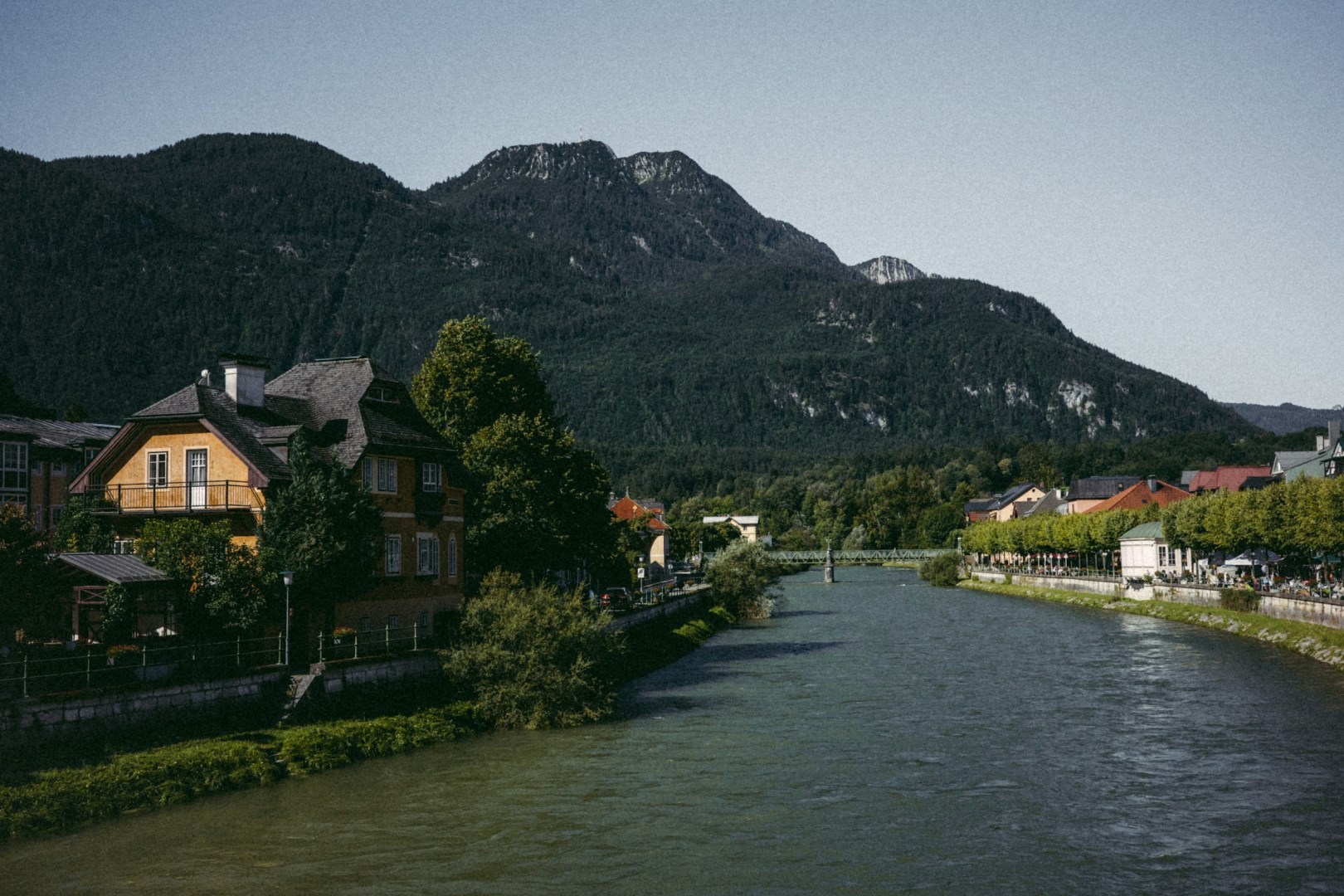
Bad Ischl
Bad Ischl is a spa town in Upper Austria's Salzkammergut region, set along the Traun River and surrounded by wooded mountains and alpine valleys. The town is known for its historic spa tradition, elegant villas, parks, and strong connections with the Habsburg imperial family.
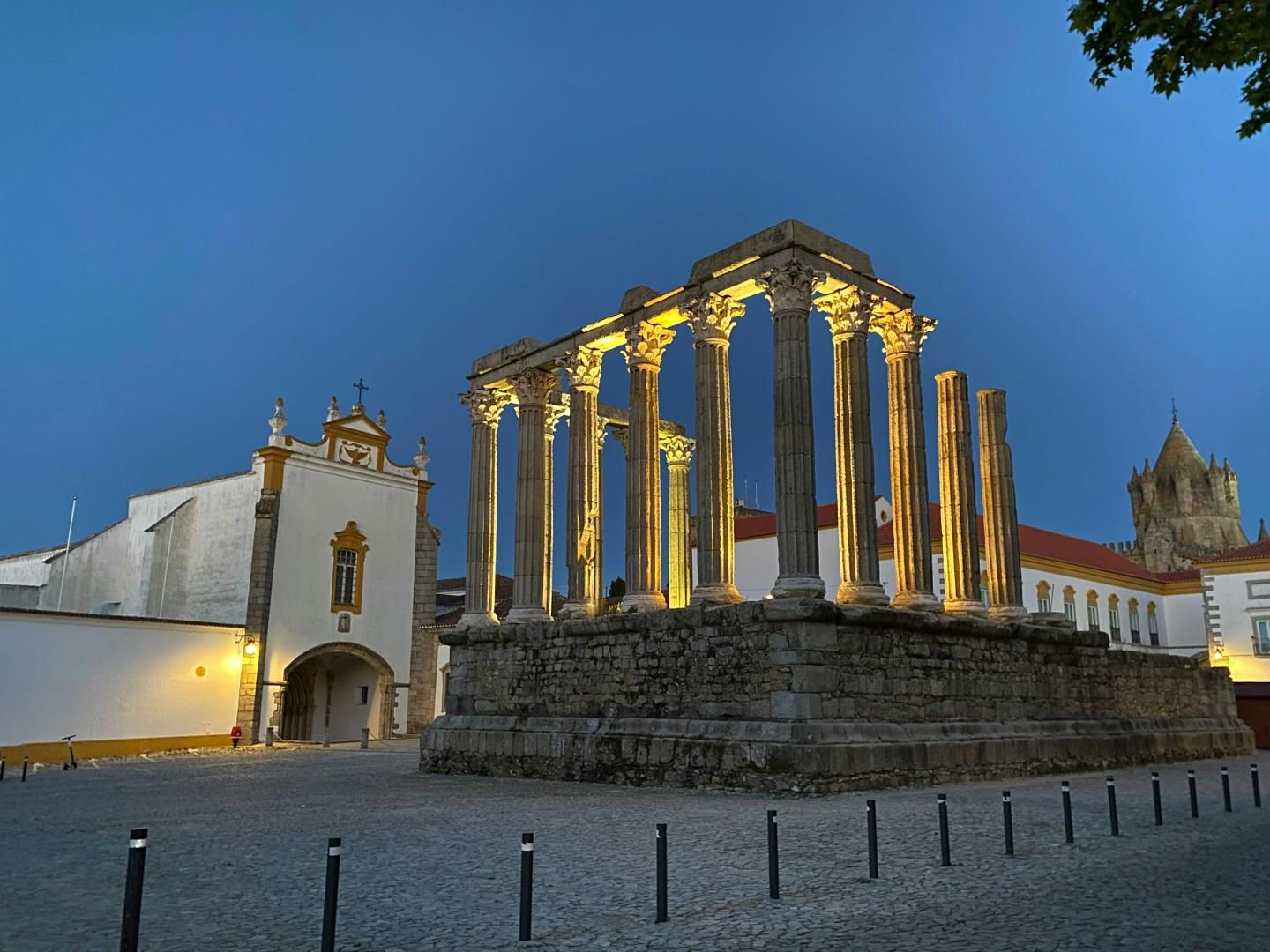
Evora
Évora, in Portugal’s Alentejo region, feels like stepping into a story that spans more than two thousand years. Its Historic Centre was named a UNESCO World Heritage Site for good reason with its ancient walls, homes with wrought-iron balconies, and narrow streets quietly preserve traces of Roman, Moorish, and medieval life. Beyond architecture and monuments, Évora reveals lesser-known treasures that reward exploration.
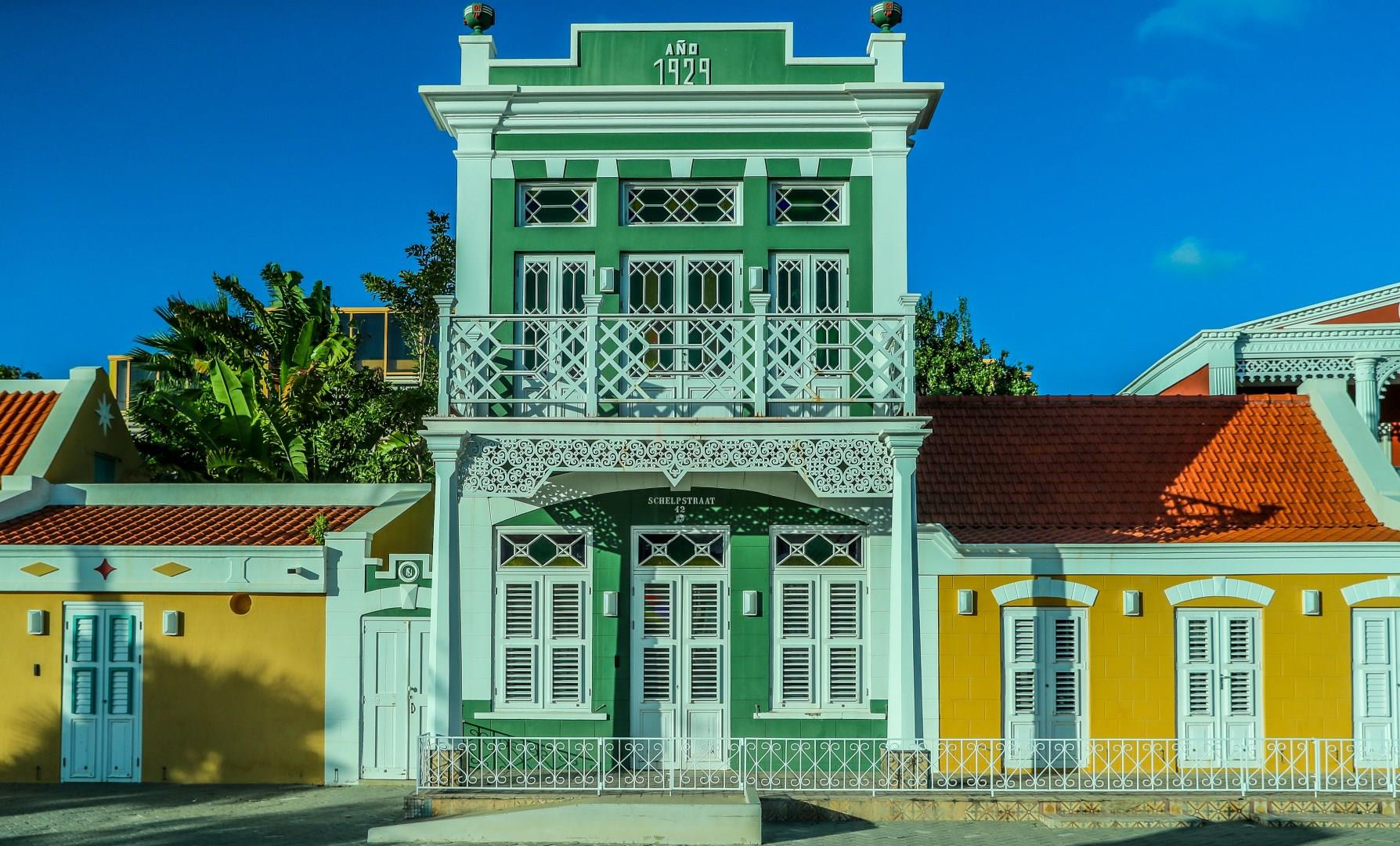
Oranjestad
Oranjestad, Aruba’s colorful capital, blends Dutch colonial charm with the island’s easygoing Caribbean character. The city’s pastel-painted buildings, adorned with gables and decorative facades, recall its Dutch heritage while housing modern boutiques, cafés, and museums.

Zion National Park
Zion National Park, located in southwestern Utah, is known for its massive sandstone cliffs, narrow slot canyons, and unique desert ecosystems. Established in 1919, it was Utah’s first national park and continues to attract visitors with its dramatic elevation shifts and striking rock formations. The park’s most iconic feature, Zion Canyon, stretches for 15 miles and reaches depths of up to 2,640 feet, carved over time by the Virgin River.
