

South Korea
South Korea is a land where ancient traditions live alongside futuristic cities. From Seoul’s grand palaces and vibrant arts scene to the volcanic landscapes of Jeju Island and the tranquil reflection of rice paddies in rural valleys, the country balances its rich heritage with constant reinvention.
Bloemfontein
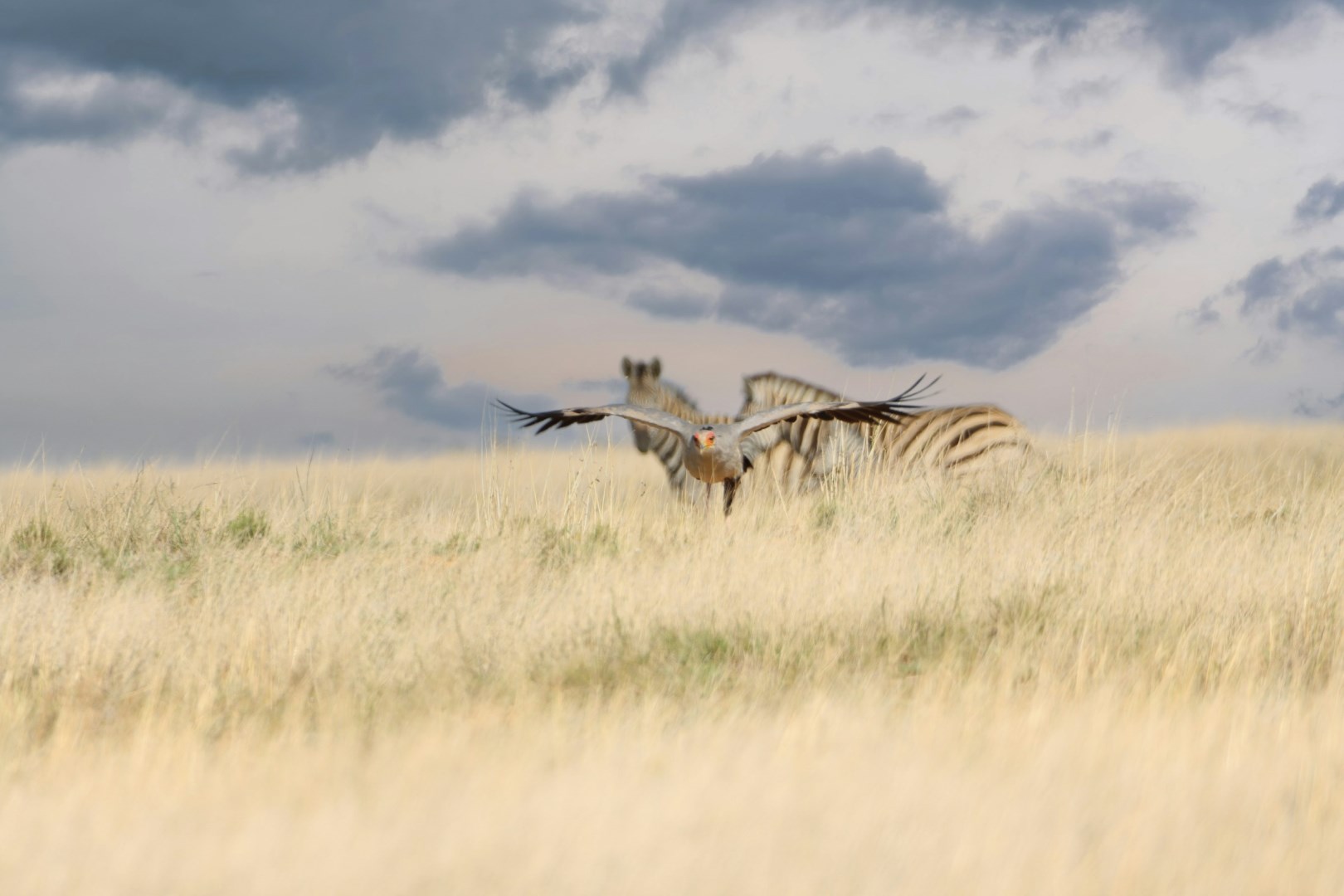
Bloemfontein is the capital of the Free State province and South Africa’s judicial capital, located near the geographic centre of the country. Known locally as Bloem, the city is often called the “City of Roses,” a reference to the many rose gardens found around its streets and parks. Its character comes from a combination of government institutions, historic sandstone buildings, museums, universities, and open spaces.
Yeghegnadzor
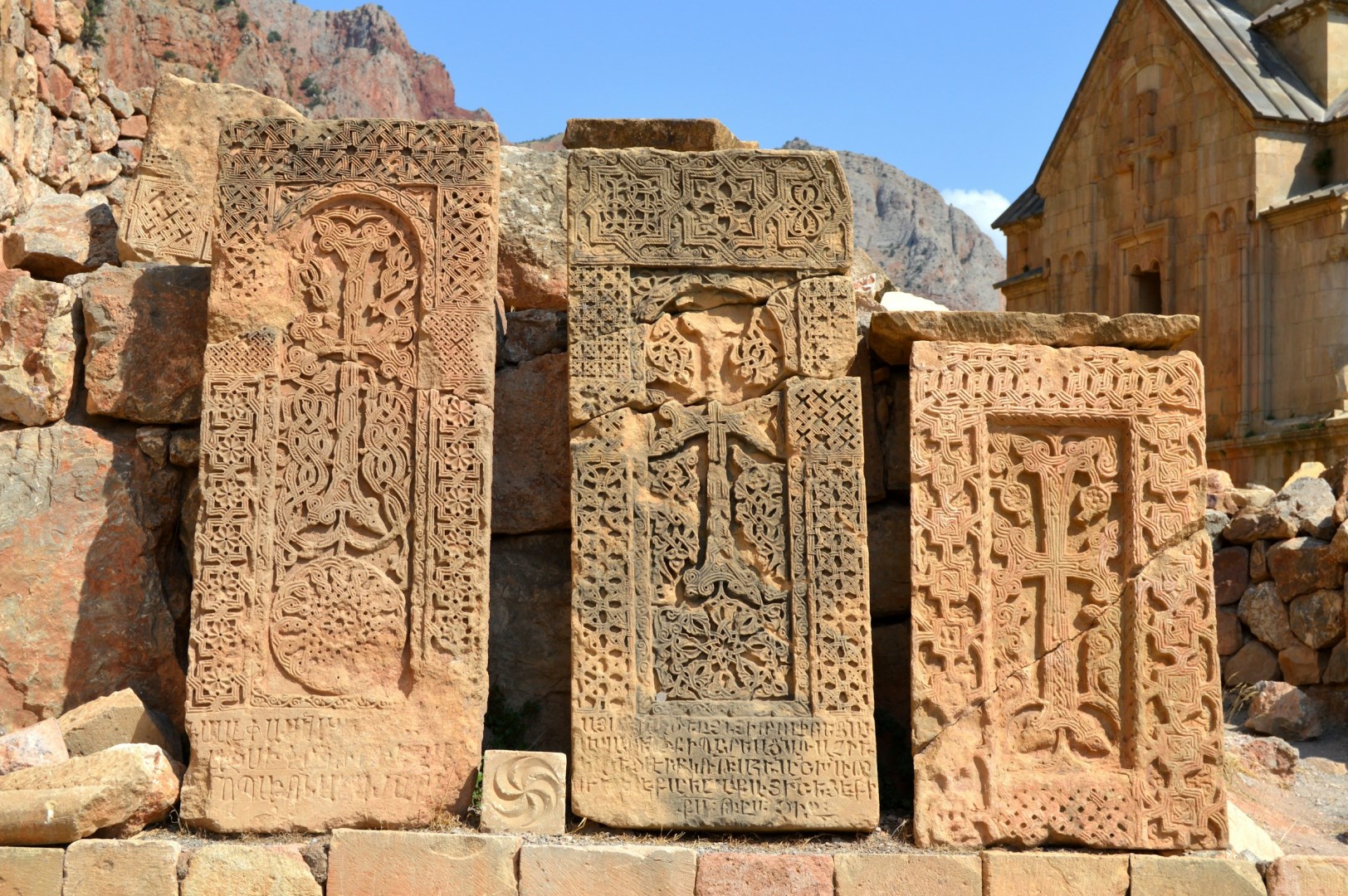
Yeghegnadzor is a town in Armenia's Vayots Dzor Province, situated in the Arpa River valley among the mountains of southeastern Armenia. The town is surrounded by dry hills, vineyards, orchards, and rocky slopes, with the Arpa River providing water for agriculture. Its position makes it a useful base for exploring the wider Vayots Dzor region, which is known for wine production, historic monasteries, mountain landscapes, and archaeological sites.
Fox Glacier
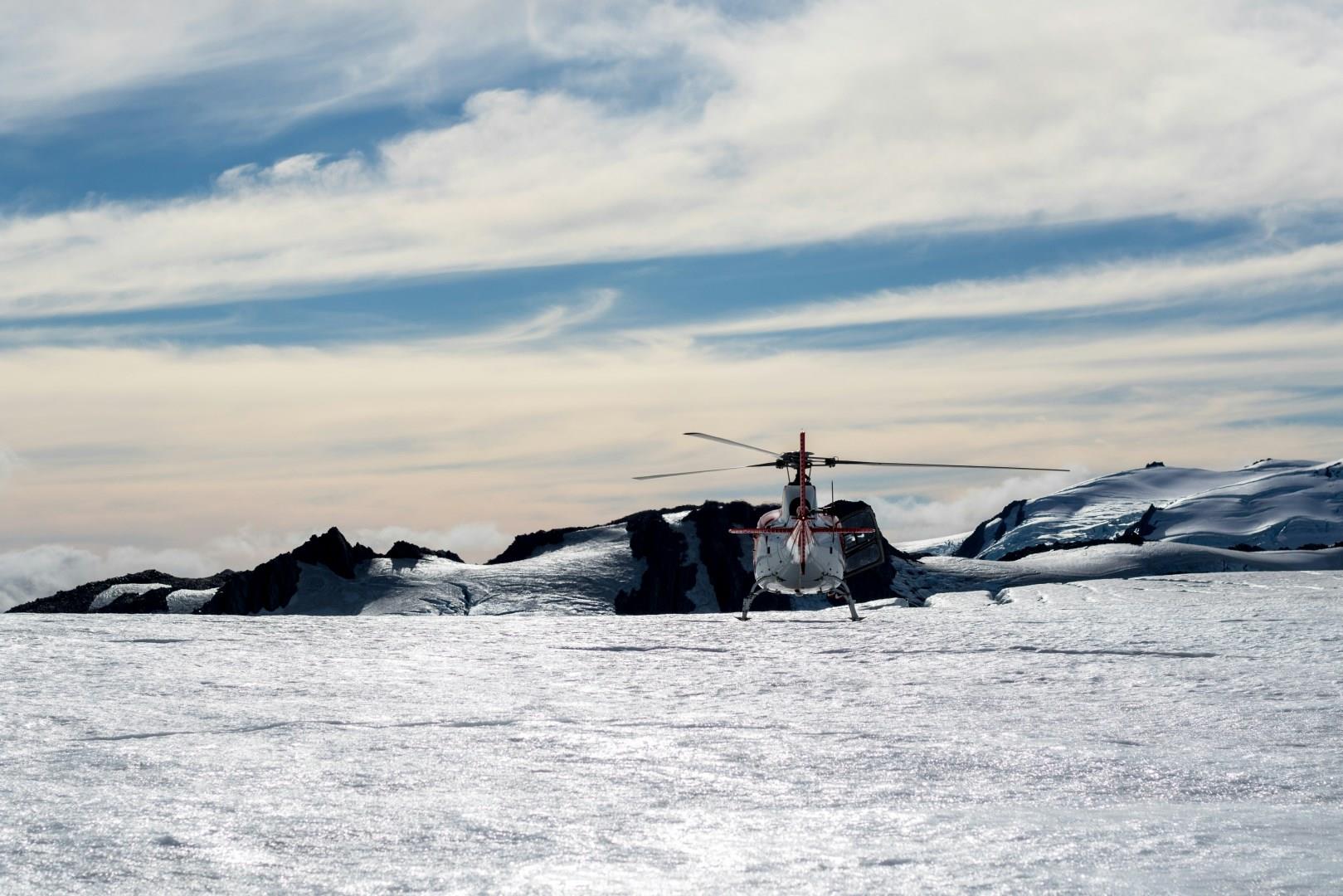
Fox Glacier, on New Zealand’s South Island, is one of the country’s most remarkable natural wonders, where icy landscapes meet lush rainforest. Named after Sir William Fox, a 19th-century Prime Minister of New Zealand, the glacier stretches from the high peaks of the Southern Alps down into temperate rainforest.

Andasibe-Mantadia National Park
Andasibe-Mantadia National Park, located in the eastern highlands of Madagascar, offers a captivating journey into one of the world’s most unique rainforests. Famous for its rich biodiversity, this national park is home to the largest species of lemur, the indri, whose haunting calls echo through the dense canopy. Visitors to the park can explore lush tropical landscapes filled with rare plants, birds, and other endemic wildlife, making it a must-visit for nature lovers and adventurers alike.
