

Dominica
Dominica, known as the “Nature Island of the Caribbean,” is a haven for eco-tourists and adventure seekers. Nestled between the French islands of Guadeloupe and Martinique, this lush island boasts a remarkable landscape of volcanic mountains, dense rainforests, and stunning waterfalls. Dominica’s most iconic natural wonder is the Boiling Lake, the second-largest hot spring in the world.
Moraine Lake
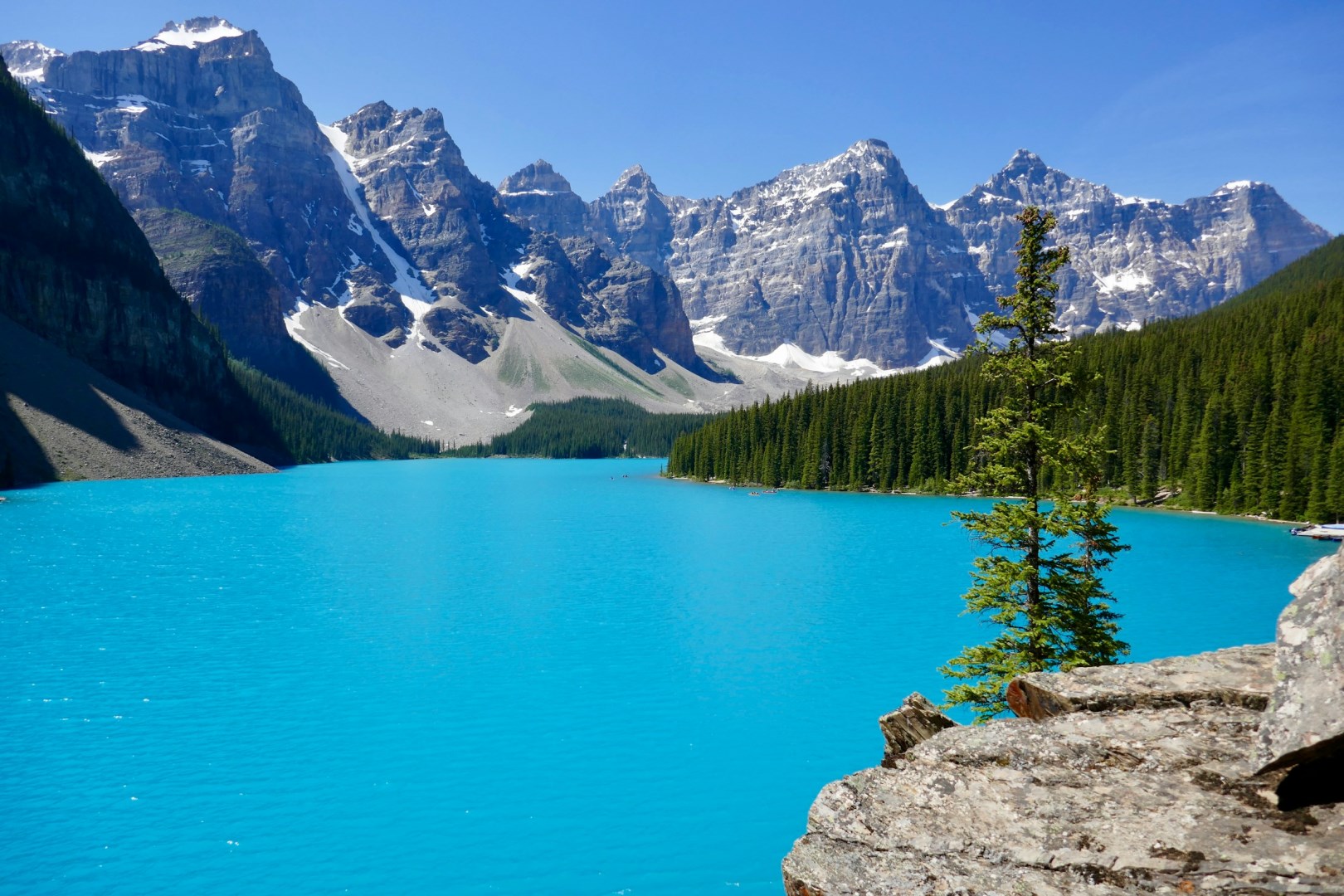
Moraine Lake is a glacial lake in Banff National Park, Alberta, surrounded by the peaks of the Valley of the Ten Peaks. Its turquoise water is fed by glacial meltwater, while dense coniferous forest covers the lower slopes around the shoreline. The lake sits in a high mountain basin reached by a winding road from the Lake Louise area. Its setting within the Canadian Rockies places it among alpine landscapes of steep peaks, glaciers, rock faces, and mountain valleys.
Jasper National Park
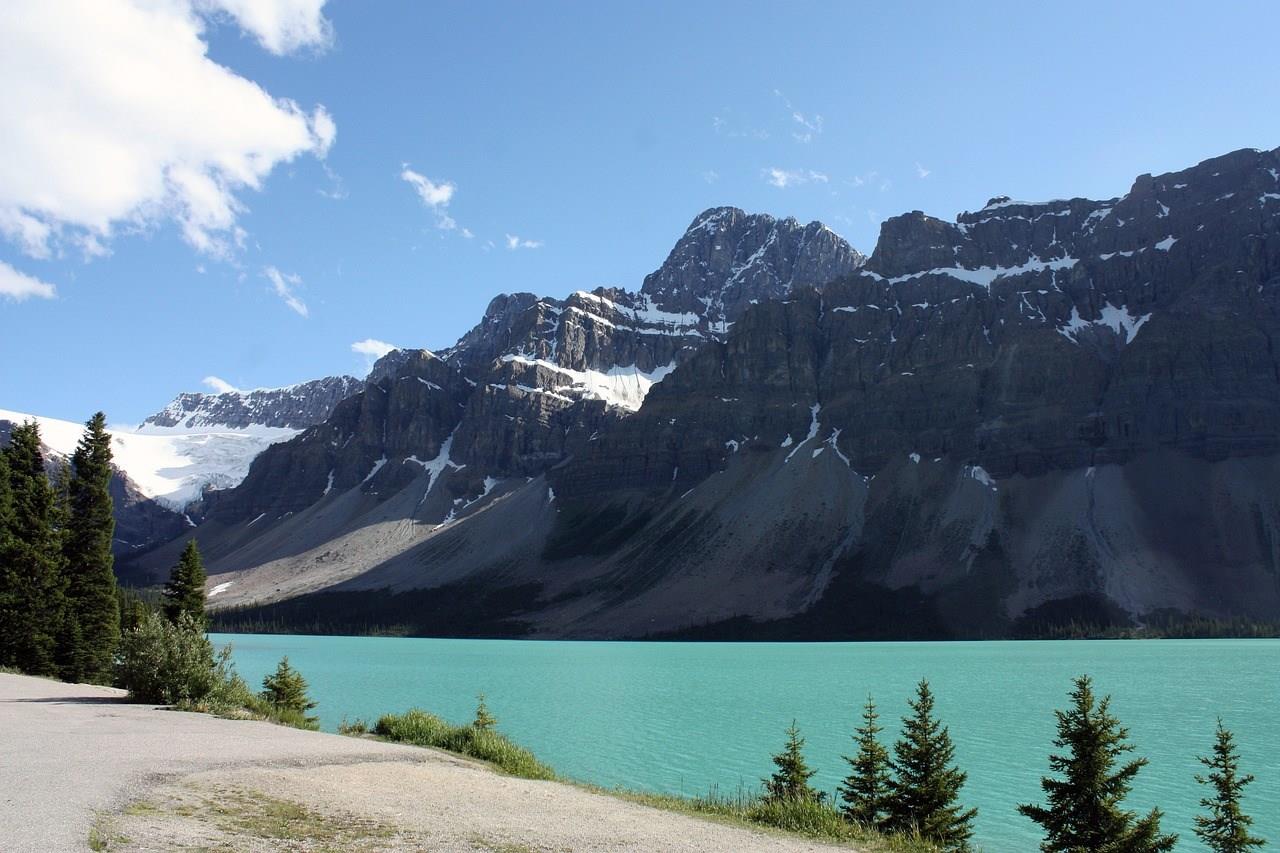
Jasper National Park, located in the heart of the Canadian Rockies in Alberta, is a breathtaking destination known for its stunning natural beauty and diverse wildlife. Spanning over 11,000 square kilometers, it is the largest national park in the Canadian Rockies and offers a wide range of outdoor activities such as hiking, camping, and wildlife viewing.
Durango
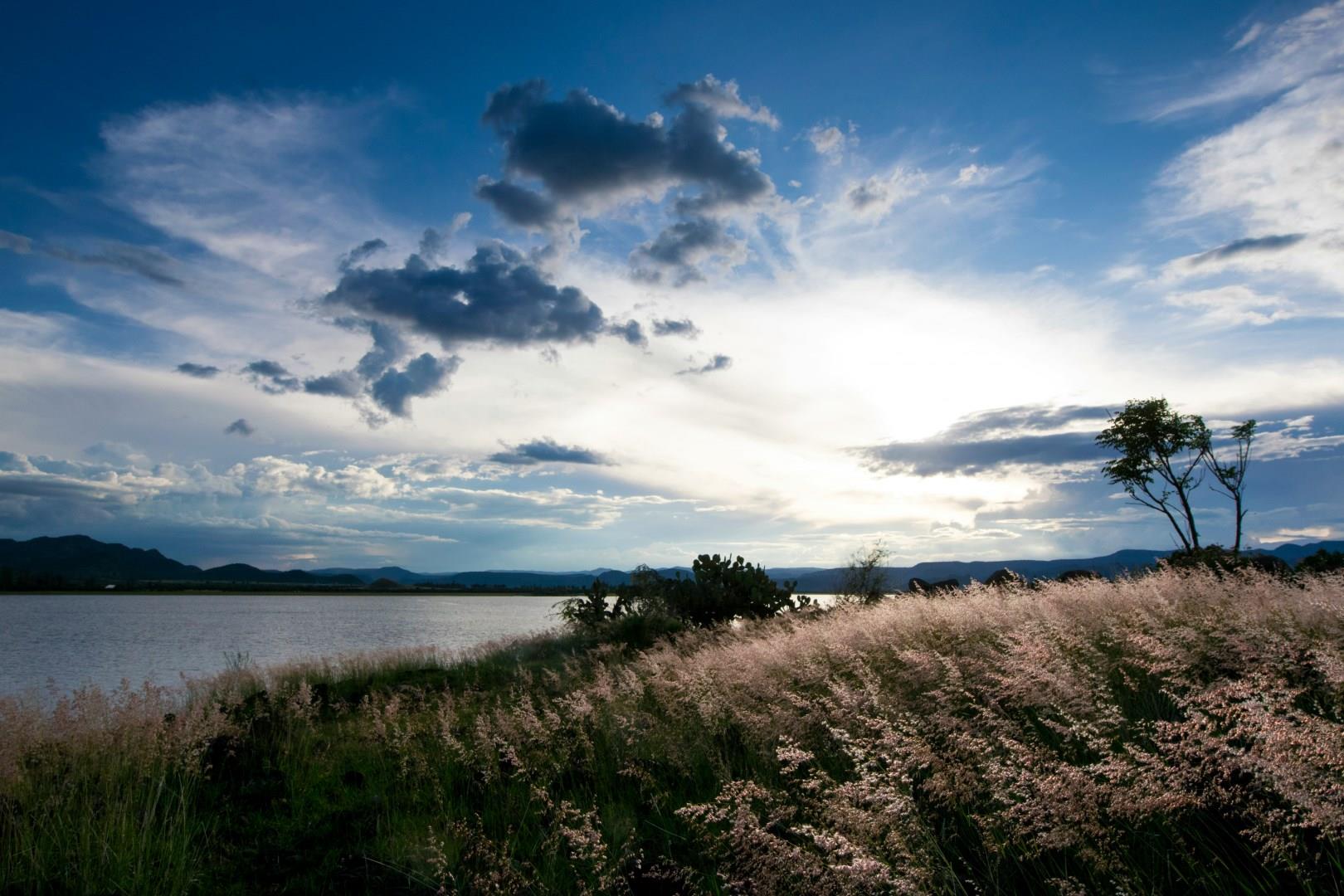
Durango, located in north-central Mexico, is a destination rich in history, dramatic landscapes, and cultural traditions that date back centuries. Once a key outpost during Spanish colonization, Durango played an important role in the development of northern Mexico. The city of Victoria de Durango, the state capital, features cobblestone streets and more than 1,000 officially registered historical structures.
Baja California Sur
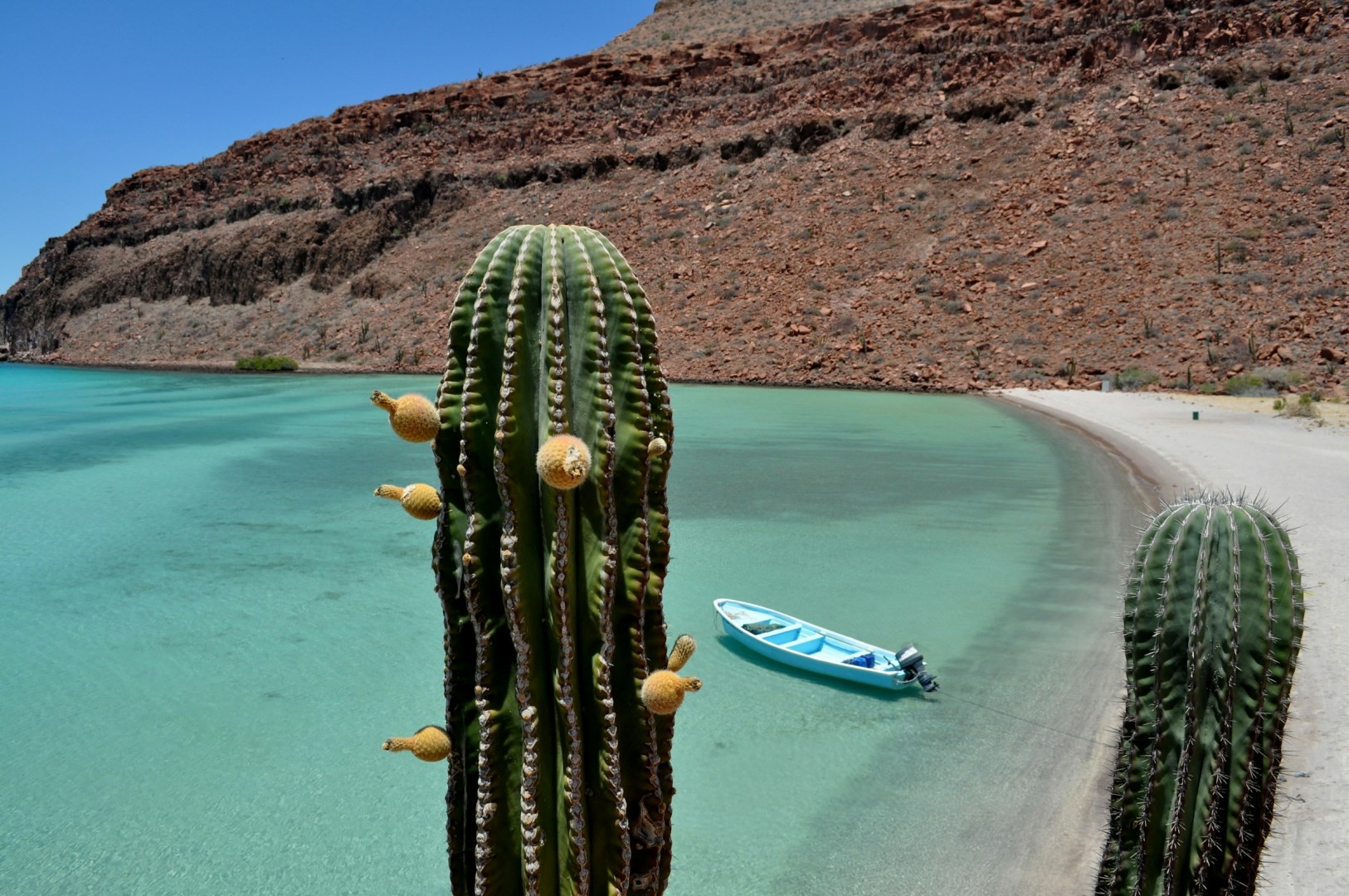
Baja California Sur is state located in Northwestern Mexico, on the Baja California peninsula. The capital is La Paz. The area is lightly populated. Tourism is the economic mainstay of this region, centered around the beach resort area, Los Cabos. Sport fishing is a major attraction, as well as having some of the best beaches Baja has to offer.
