
Thar Desert
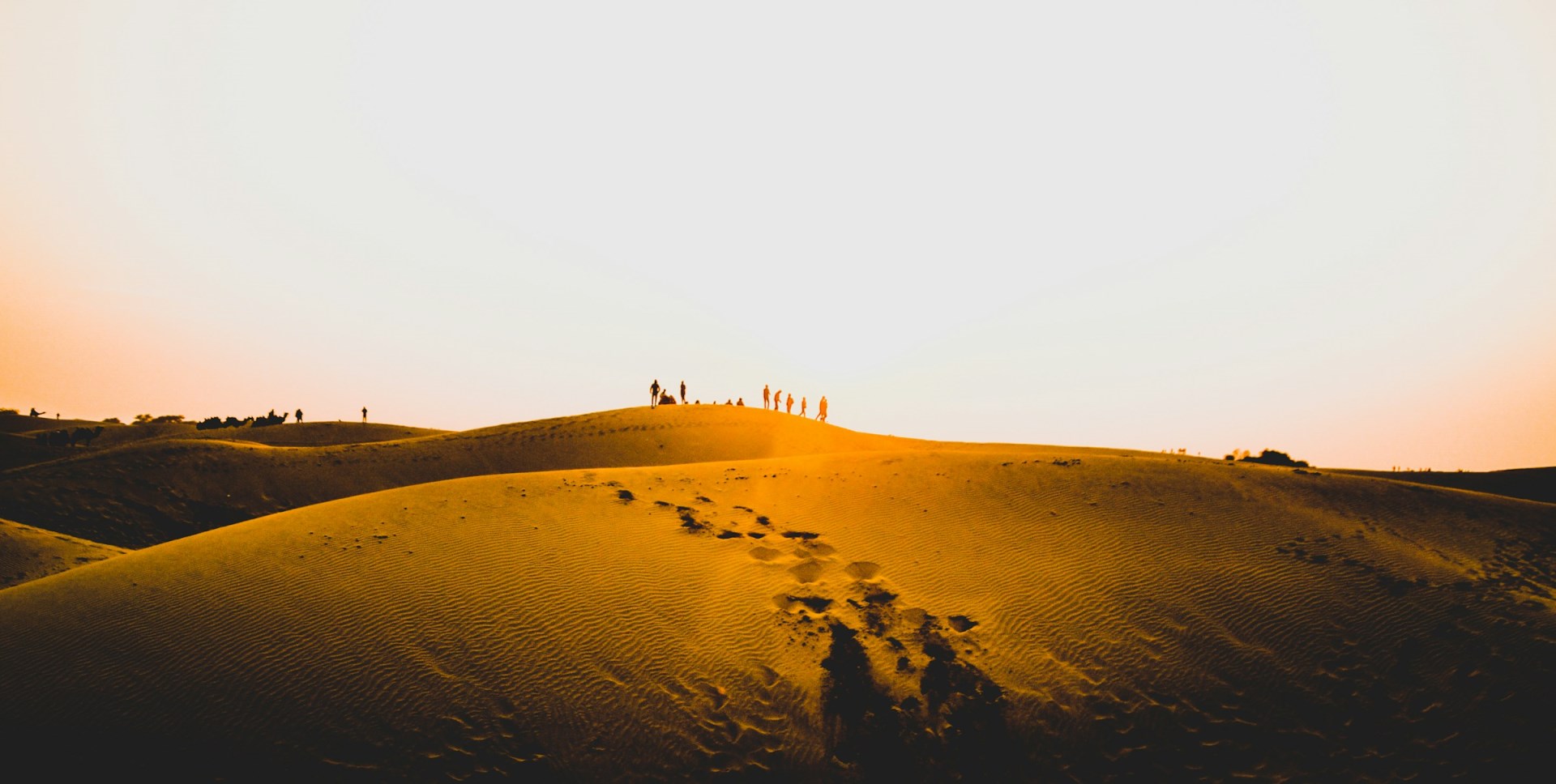
The Thar Desert stretches across northwestern India, with its largest Indian expanse lying in Rajasthan and extending toward the borders of Gujarat, Punjab, and Haryana. It is a dry landscape of sand dunes, gravel plains, rocky ground, thorn scrub, and scattered grasslands rather than an entirely sandy wilderness. Jaisalmer, Jodhpur, and Bikaner are among the best-known gateways to the desert, while smaller settlements reveal how people have adapted to scarce water and extreme temperatures. The
Yogyakarta Java
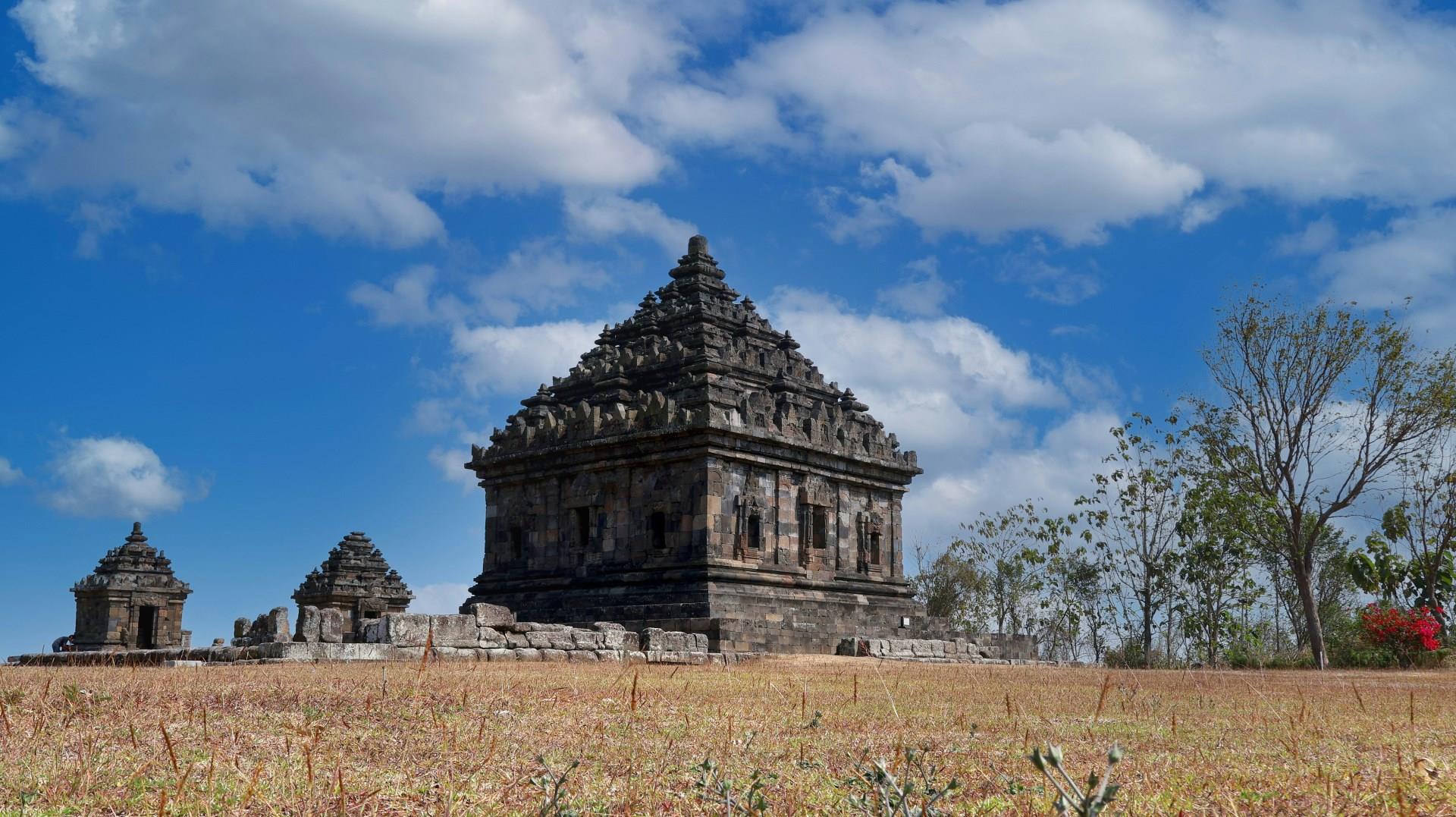
Yogyakarta, on the island of Java, is often described as Indonesia’s cultural capital, a reputation grounded in living tradition rather than nostalgia. It remains the seat of a functioning sultanate, and the royal palace, or kraton, anchors the city’s identity through ceremonies, crafts, and court arts that continue to shape everyday life. The city also played a key role in Indonesia’s struggle for independence, giving it a strong sense of civic pride and historical awareness.
Sudan
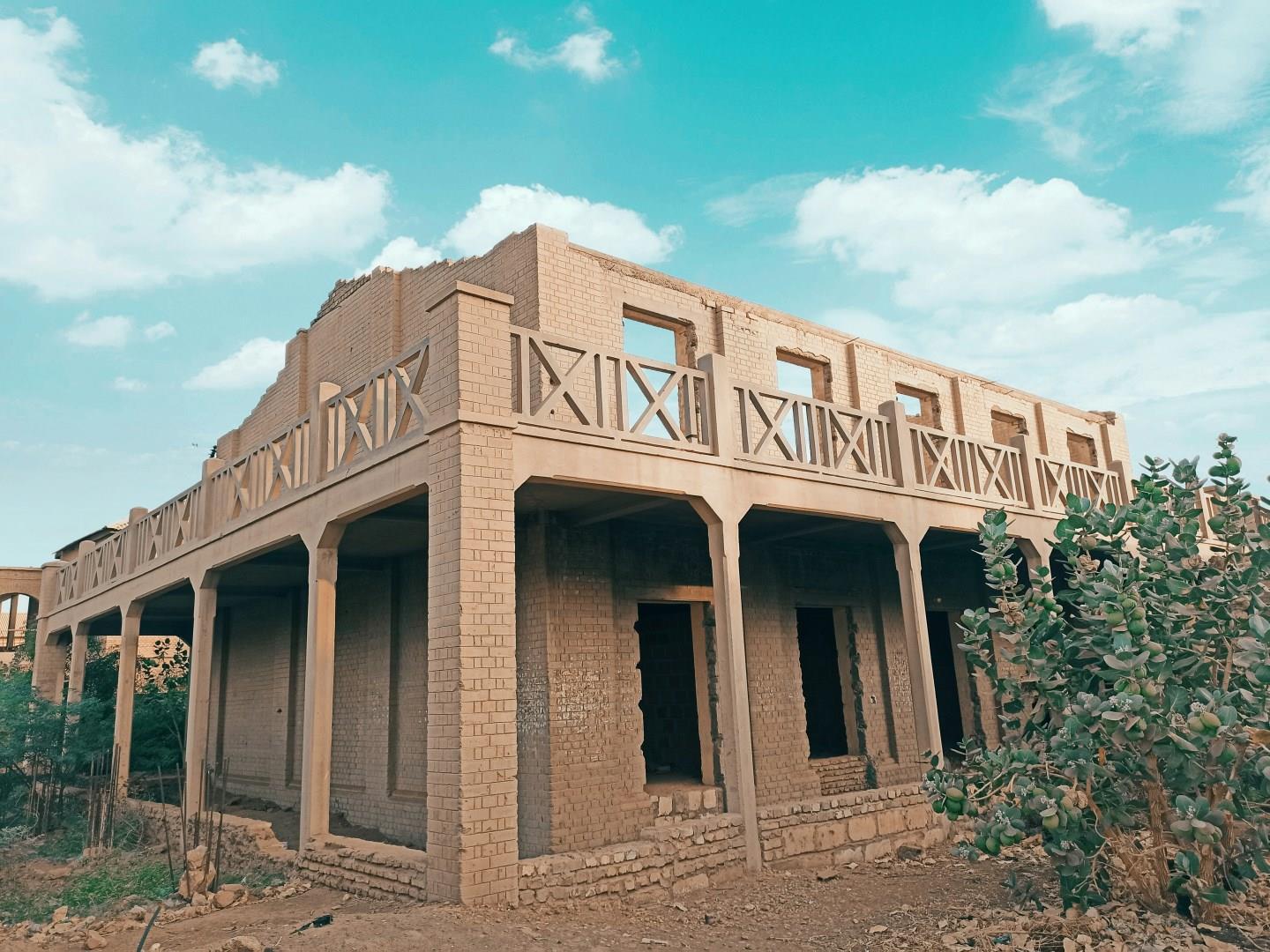
Sudan, located in northeastern Africa, is a country of diverse landscapes, from the vast Sahara Desert in the north to the fertile Nile Valley in the center. The Nile River, one of the world’s longest, runs through the country, shaping both its agriculture and history.
Zamora
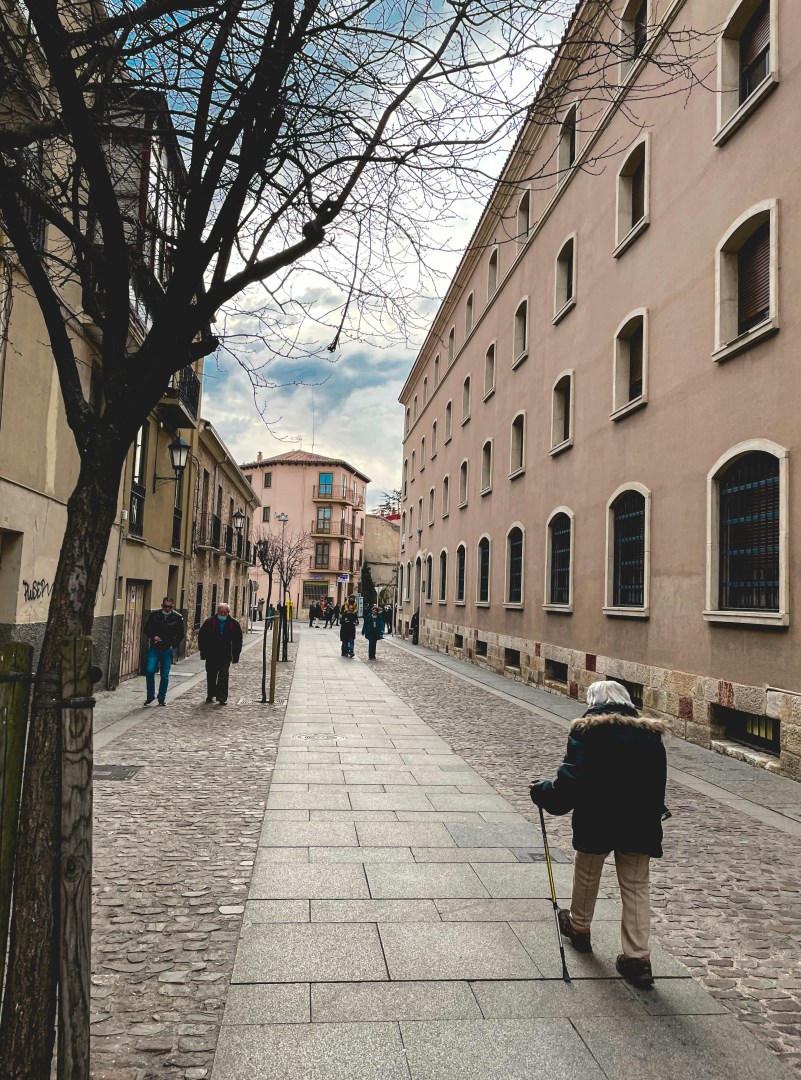
Zamora is a compact city in northwestern Spain, set along the Duero River and known for its remarkable concentration of Romanesque architecture.

Kos
Kos, an enchanting island in Greece’s Dodecanese archipelago, is a gem steeped in both history and natural beauty. Known as the birthplace of Hippocrates, the father of modern medicine, Kos is home to the ancient Asclepeion, a healing temple where Hippocrates taught his students. Visitors can wander through the well-preserved ruins and enjoy sweeping views over the island and the Aegean Sea.
