
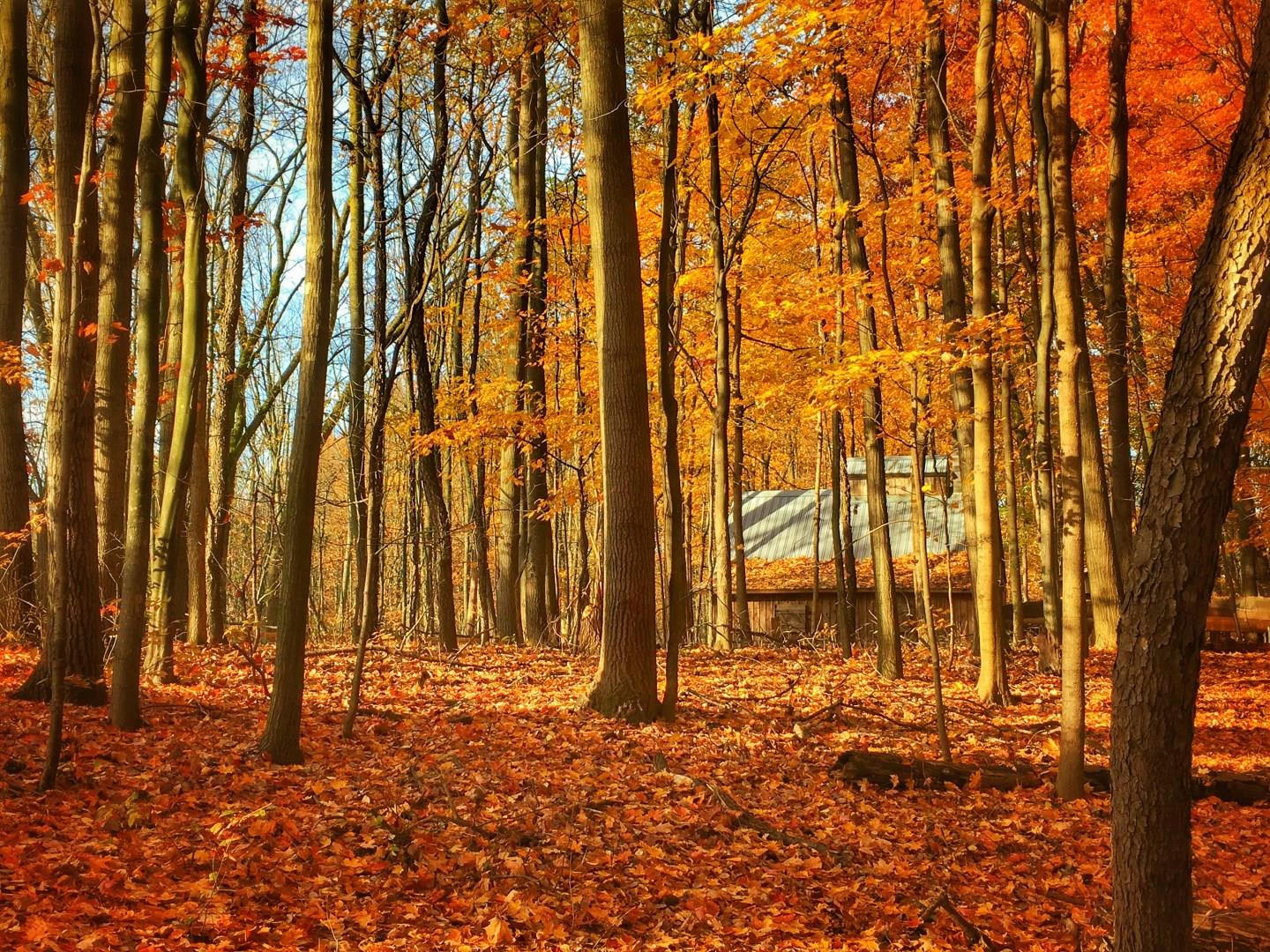
Grand Rapids
Grand Rapids sits along the Grand River in western Michigan, shaped by industry, reform, and a strong civic culture.
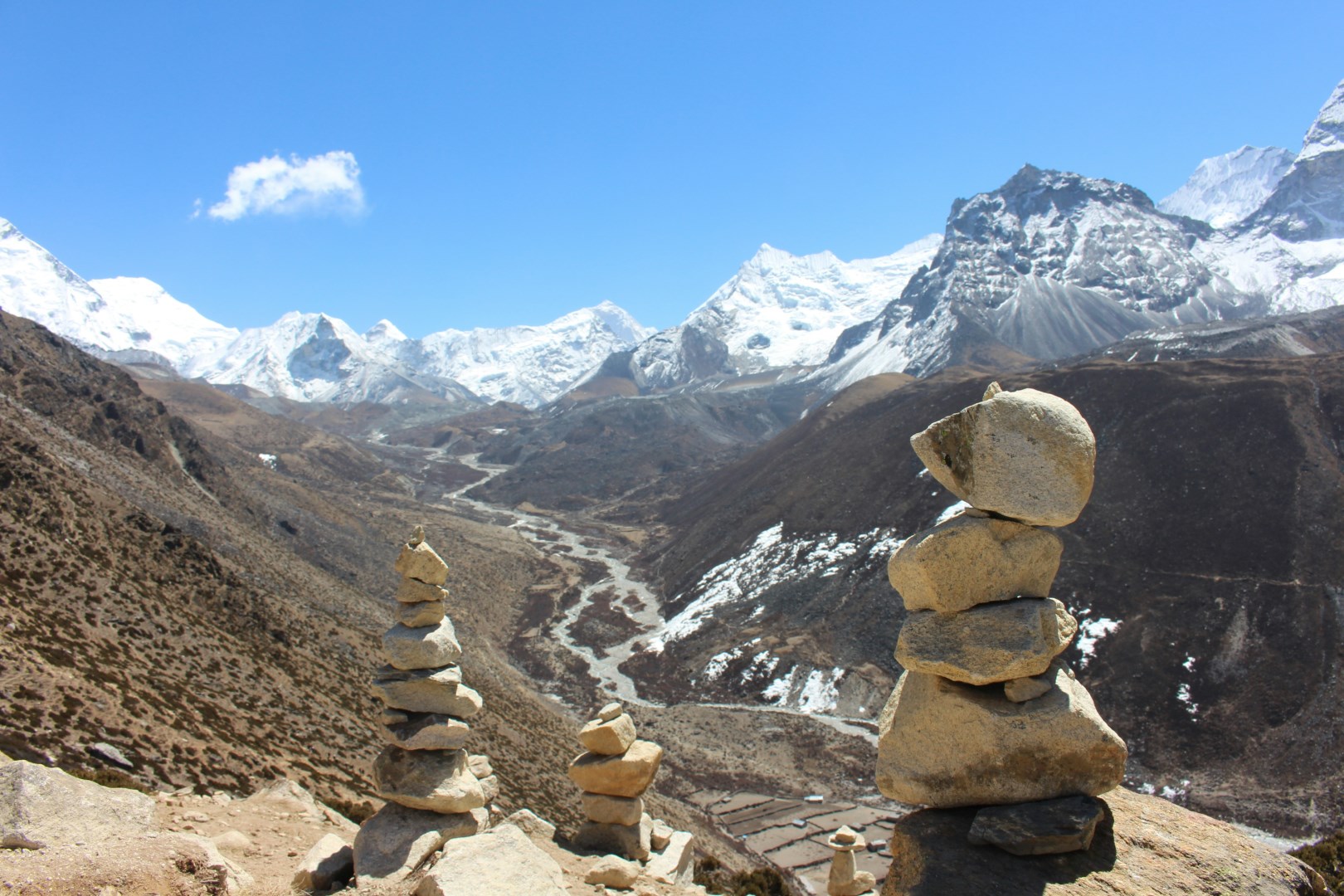
Dingboche
Set in a wide valley beneath towering Himalayan peaks, Dingboche offers a striking pause along the route toward Mount Everest. Unlike the narrower trails below, Dingboche opens into a broad landscape framed by snow-covered giants such as Ama Dablam and Lhotse. The village sits high above the tree line, where the air feels thin and clear, and the surrounding terrain shifts from forested slopes to open alpine ground.
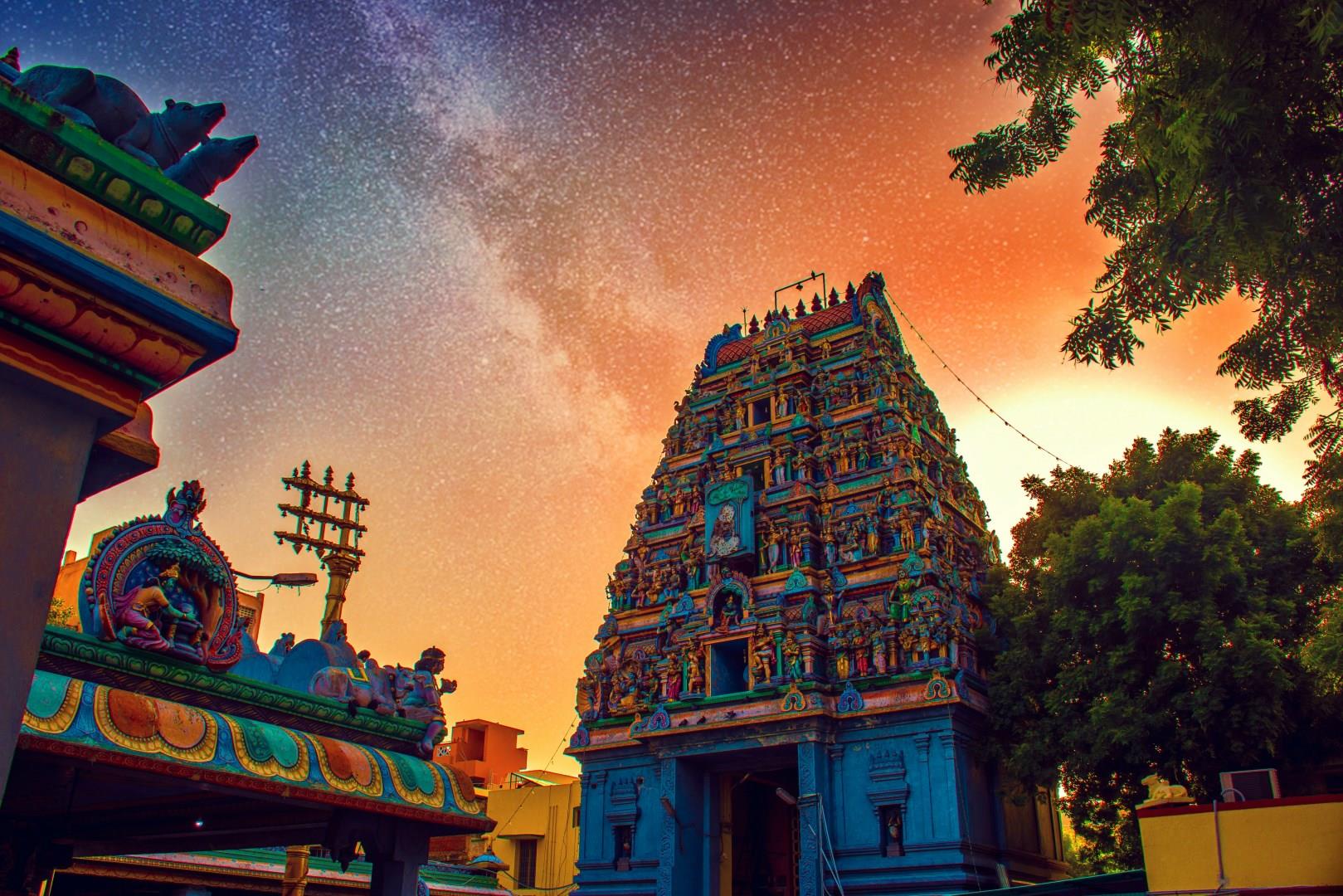
Chennai
Chennai, the capital of Tamil Nadu, is one of India’s oldest continuously inhabited cities, where ancient temples stand alongside colonial-era architecture and modern skyscrapers. Originally known as Madras, the city grew around Fort St. George, built by the British East India Company in 1644. One of Chennai’s most well-known features is Marina Beach, which stretches for over 13 kilometers and is among the longest urban beaches in the world.
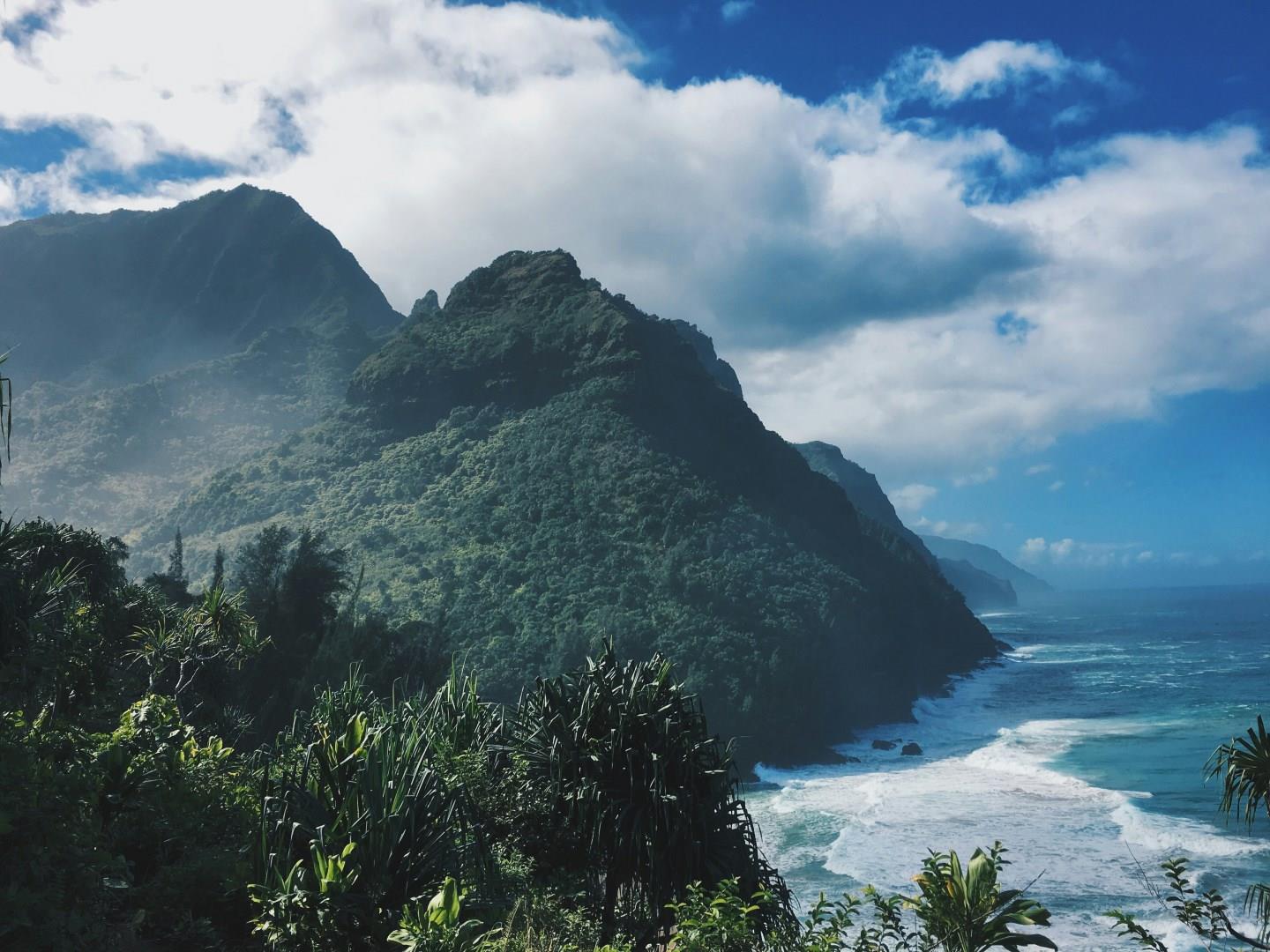
Kapaa, Kauai
Kapaa, a coastal town on the east side of Kauai, offers a laid-back alternative to Hawaii’s more developed resort areas. Despite its small size, Kapaa is one of the most populated towns on the island, making it a central hub for exploring the Coconut Coast, a stretch of shoreline dotted with towering palms and scenic overlooks.
Aguas Calientes
Aguas Calientes, officially called Machupicchu Pueblo, sits in a narrow valley below the ruins of Machu Picchu, shaped almost entirely by geography and access. The town grew around the railway and hot springs that give it its name, becoming a necessary stopping point rather than a destination planned in advance. Its identity is closely tied to movement, with most people arriving on foot or by train and staying briefly before heading uphill.
