
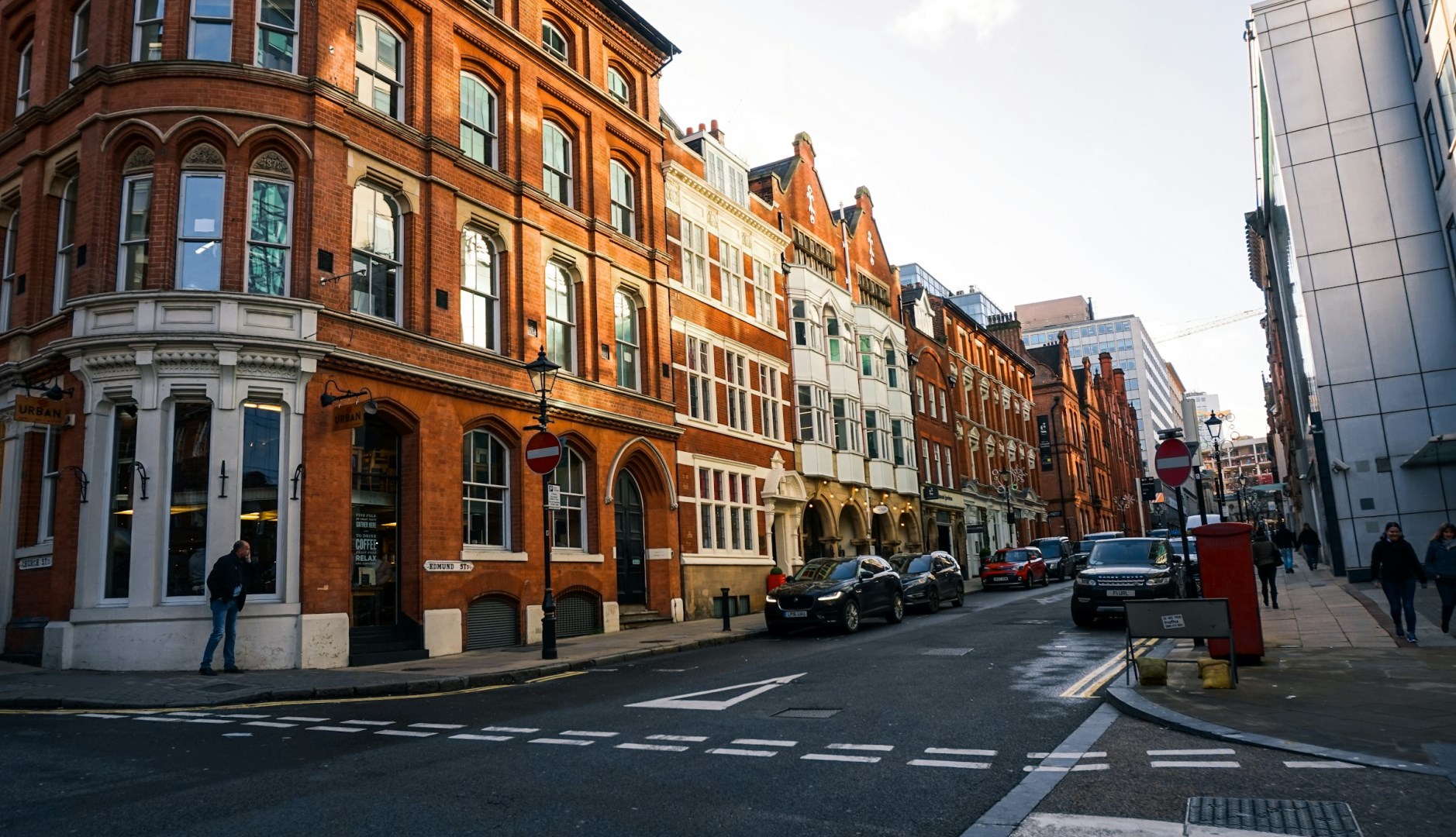
Birmingham
Located in northwest England, Birmingham has a tremendous history as an industrial city. Close to coal and iron ore supplies, it was here that Bouton and Watt harnessed steam power to run machinery. The Museum of Science and Industry resides here and provides an excellent look at England's history.

Guayaquil
Guayaquil, Ecuador, is a vibrant port city and a frequent starting point for cruises to the Galapagos Islands.
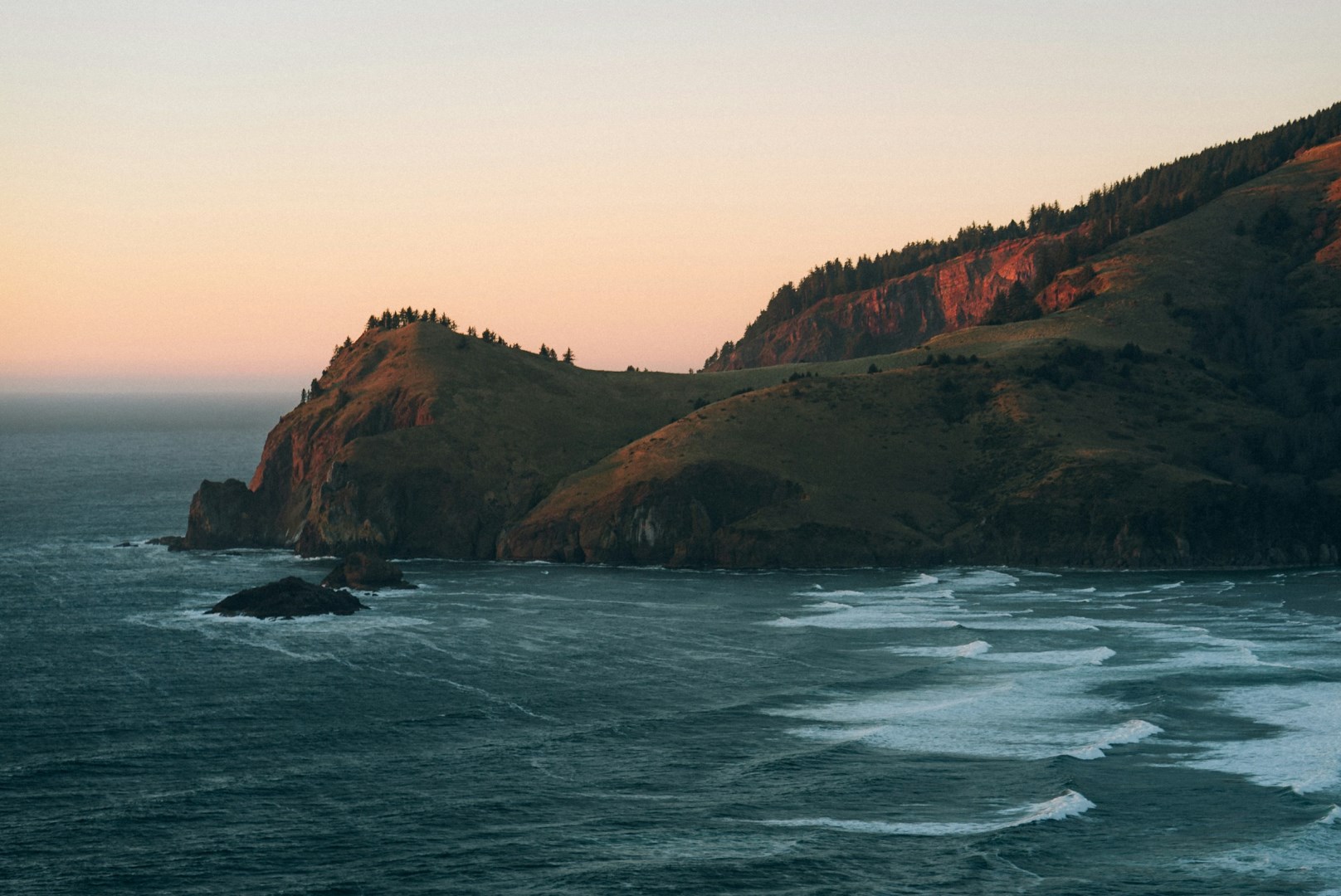
Lincoln City
On the Oregon Coast, Lincoln City is more a collection of beach towns strung along 7.5 miles of ocean, than a city....Fans of sports or nature walks find pieces of heaven. River, lake or ocean, fishers can take their pick. The boutiques, shops, galleries and national brand factory outlets say that you've found a place where shopping really is a day at the beach.
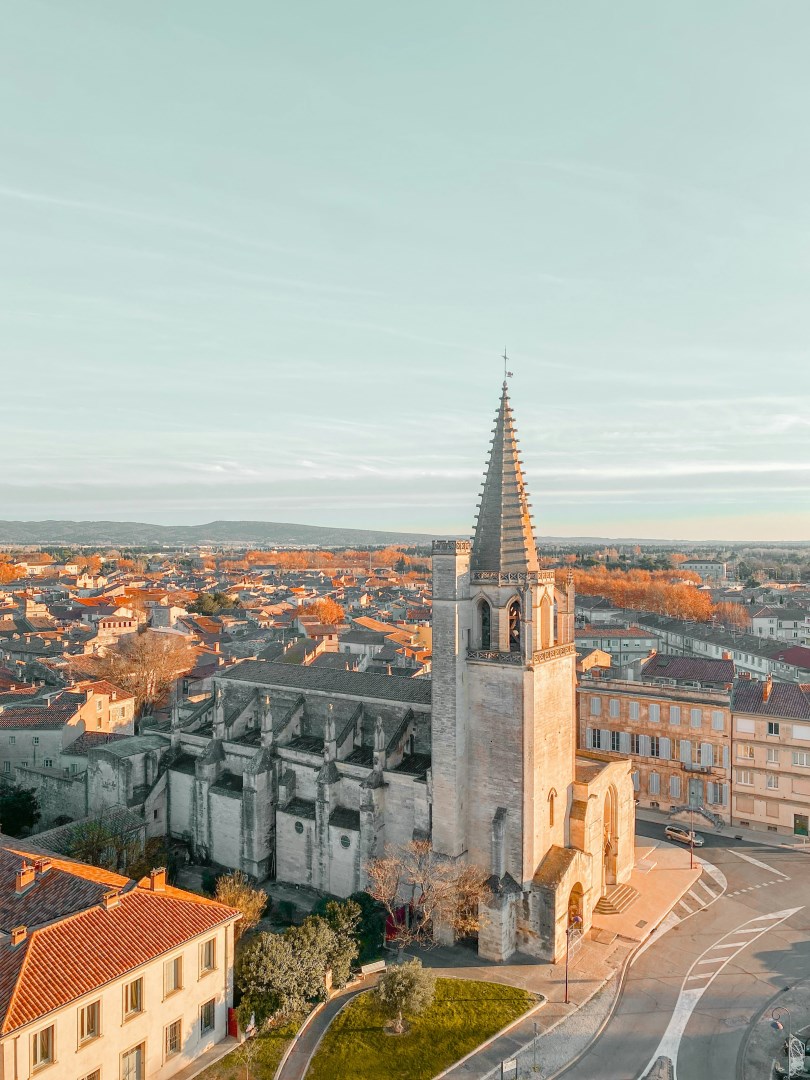
Tarascon
Tarascon, on the east bank of the Rhone River, is best known for its medieval appearance and historical edifices. Collegiate Sainte-Marthe (St Martha's Collegiate Church) was built in the 12th century in honor of the city's patron saint, St. Martha. Nearby, the castle of King René stands right on the banks of the Rhône.

Noumea
Nouméa, the vibrant capital of New Caledonia, offers a captivating mix of French sophistication and Pacific charm. This bustling city is renowned for its beautiful beaches, such as Anse Vata, where turquoise waters and white sand invite relaxation and water sports.
