
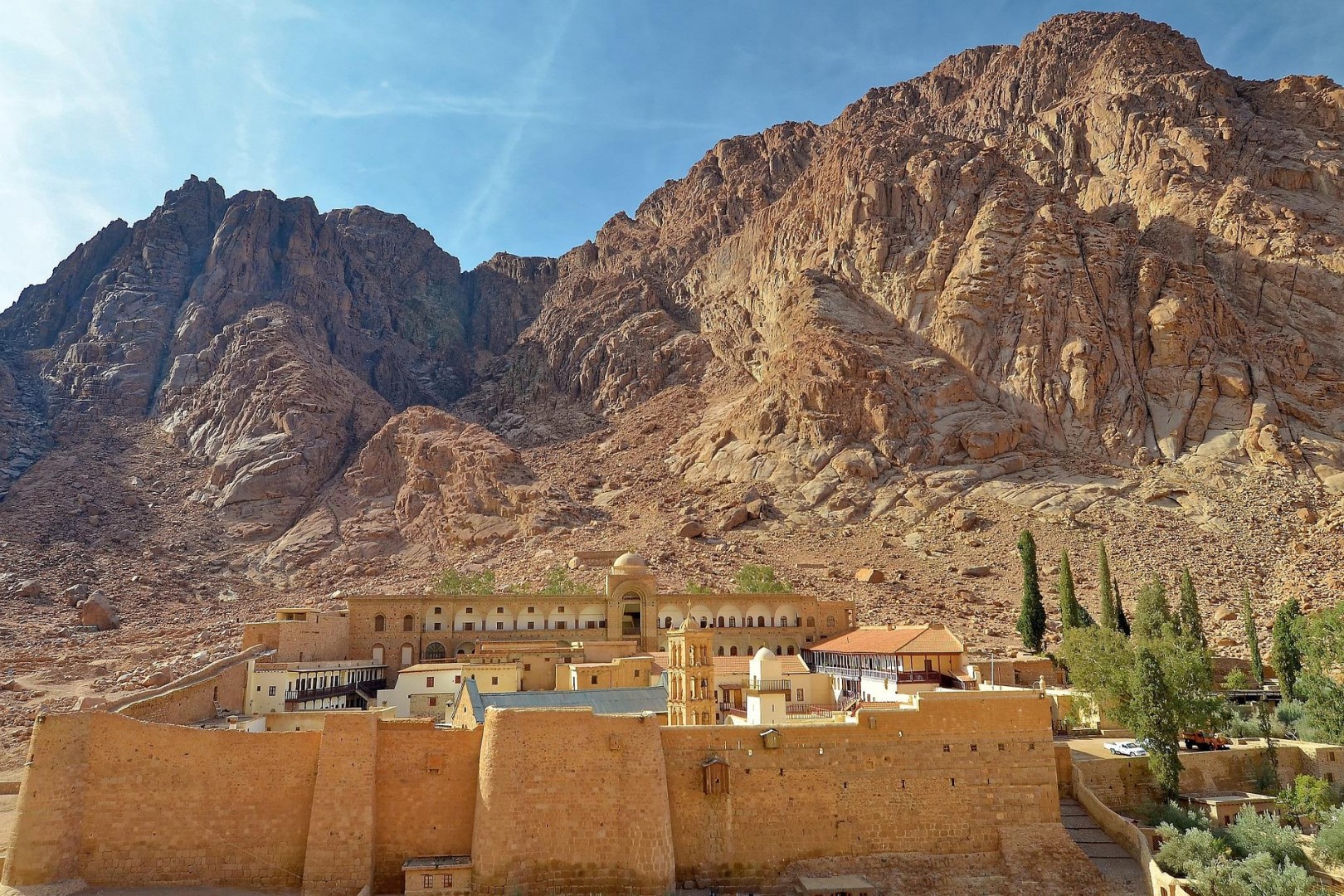
St. Catherine's Monastery
St. Catherine's Monastery, nestled at the foot of Mount Sinai in Egypt, is a beacon of historical and spiritual significance. Founded in the 6th century by Emperor Justinian, this ancient monastery is one of the world's oldest continuously operating Christian monasteries and is a UNESCO World Heritage Site.
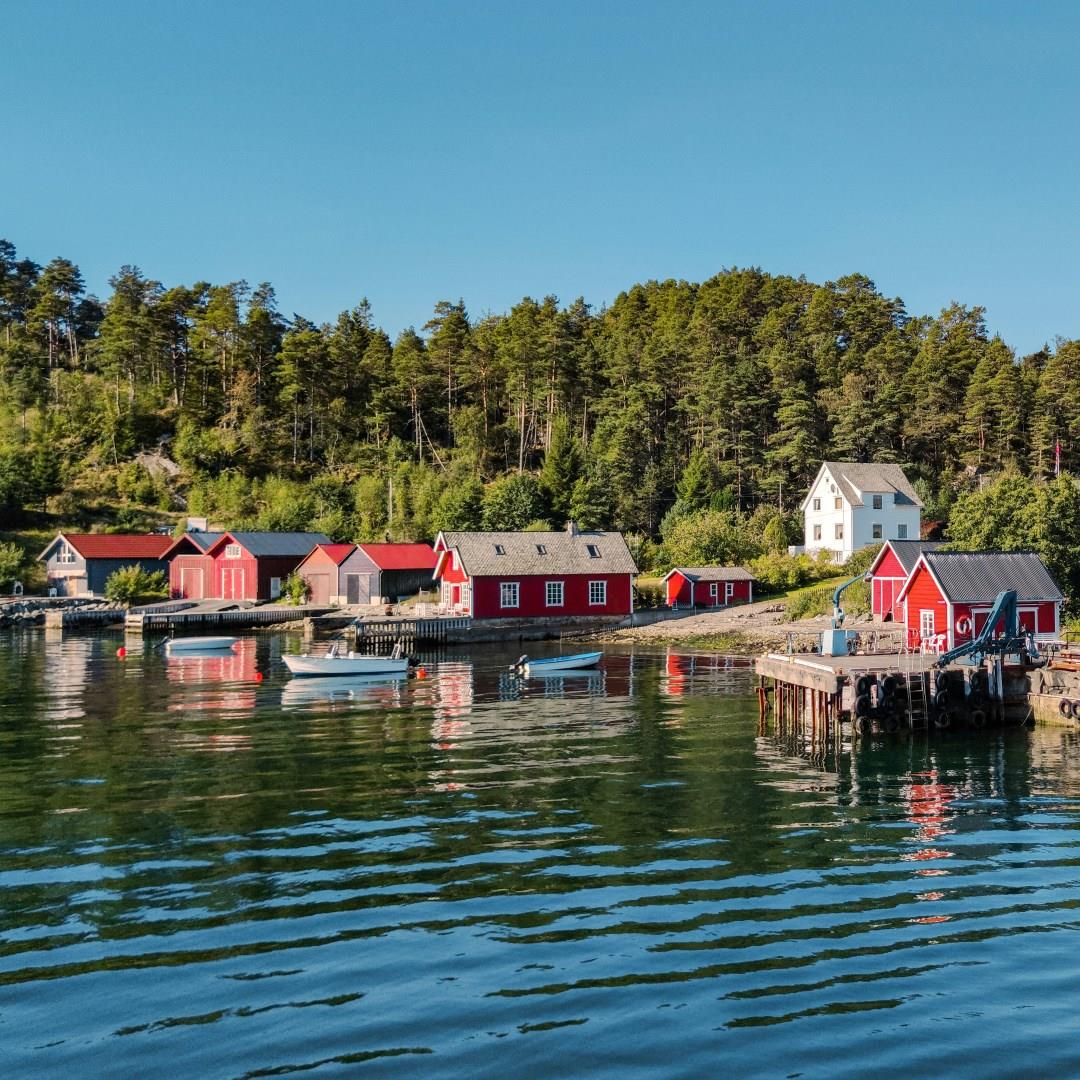
Hardangerfjord
Hardangerfjord is one of Norway’s most iconic fjords, stretching over 170 kilometers through western Norway and surrounded by steep mountains, waterfalls, and orchards. Historically, the fjord has been central to regional life, providing a transportation route for fishing, trade, and fruit cultivation. Its combination of natural grandeur and human activity has shaped a landscape that is both dramatic and lived-in.

Český Krumlov
Český Krumlov, a picturesque city in the Czech Republic, is a treasure trove of medieval charm and architectural splendor. Nestled in the South Bohemian Region, this UNESCO World Heritage Site is renowned for its stunning Český Krumlov Castle, which towers over the city and offers panoramic views of the winding Vltava River and the old town's red-tiled rooftops.

Speyer
Speyer, located in the Rhineland-Palatinate region of Germany, is a city rich in history and culture. One of its most notable landmarks is the Speyer Cathedral, a UNESCO World Heritage Site and one of the largest Romanesque churches in the world.
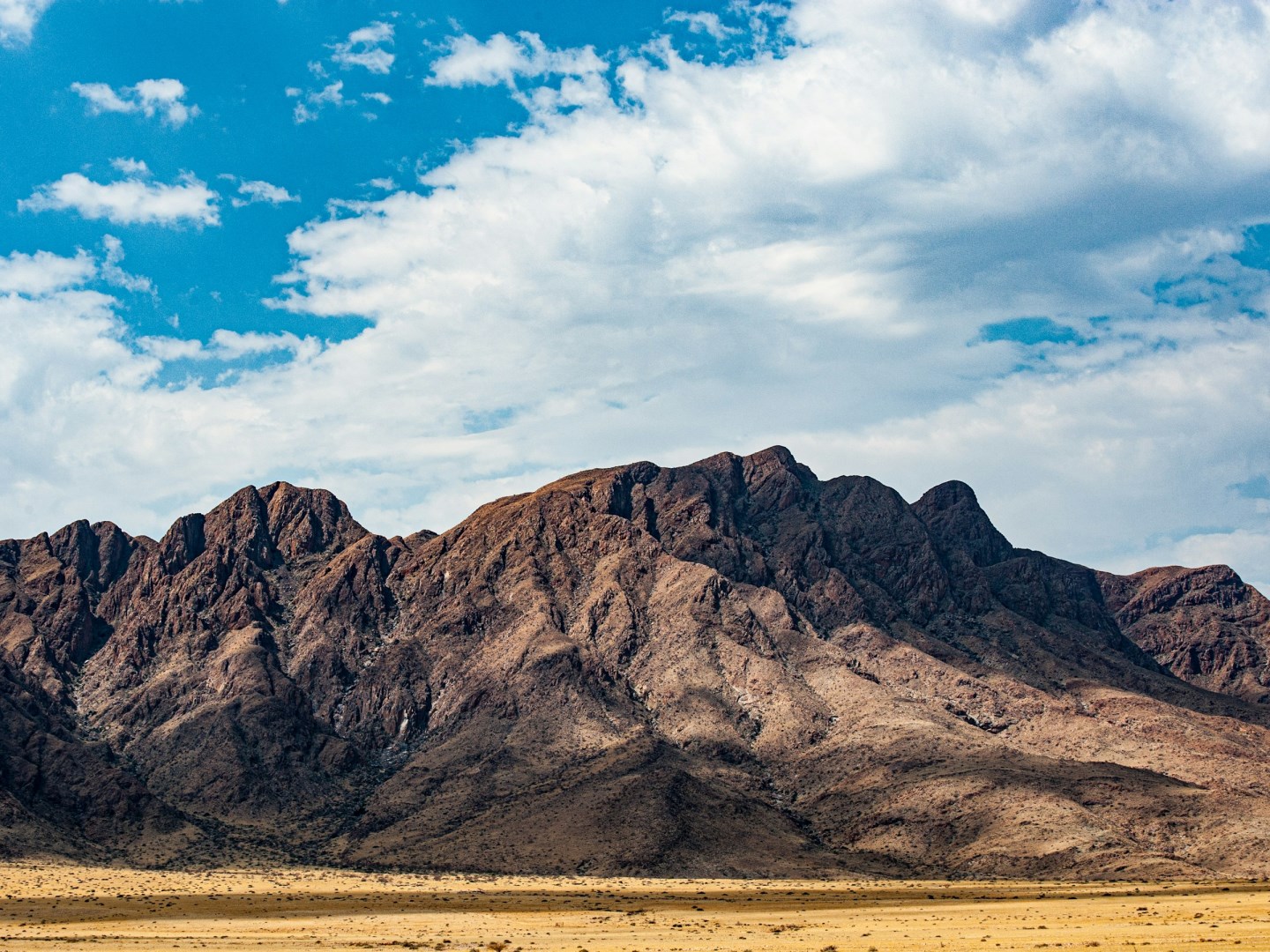
Namib-Naukluft National Park
Namib-Naukluft National Park is Namibia’s largest protected area, covering a vast stretch of desert from the central plateau toward the Atlantic coast. Its landscape includes rolling gravel plains, isolated rocky mountains, dry river valleys, and some of the country’s most recognizable sand dunes. The park contains the Namib Sand Sea, a UNESCO World Heritage property known for extensive dune fields shaped by wind and coastal fog.
