

New Caledonia
New Caledonia is an archipelago located in the south western part of the Pacific Ocean, and belongs to what is known as Melanesia. The mainland known as the "Grande Terre" is the principal island of New Caledonia and covers an area of 400 kms north to south and 50 kms west to east, with a total surface of 19 000 square meters. It is the third largest island in the South Pacific after New Guinea and New Zealand.
Illinois
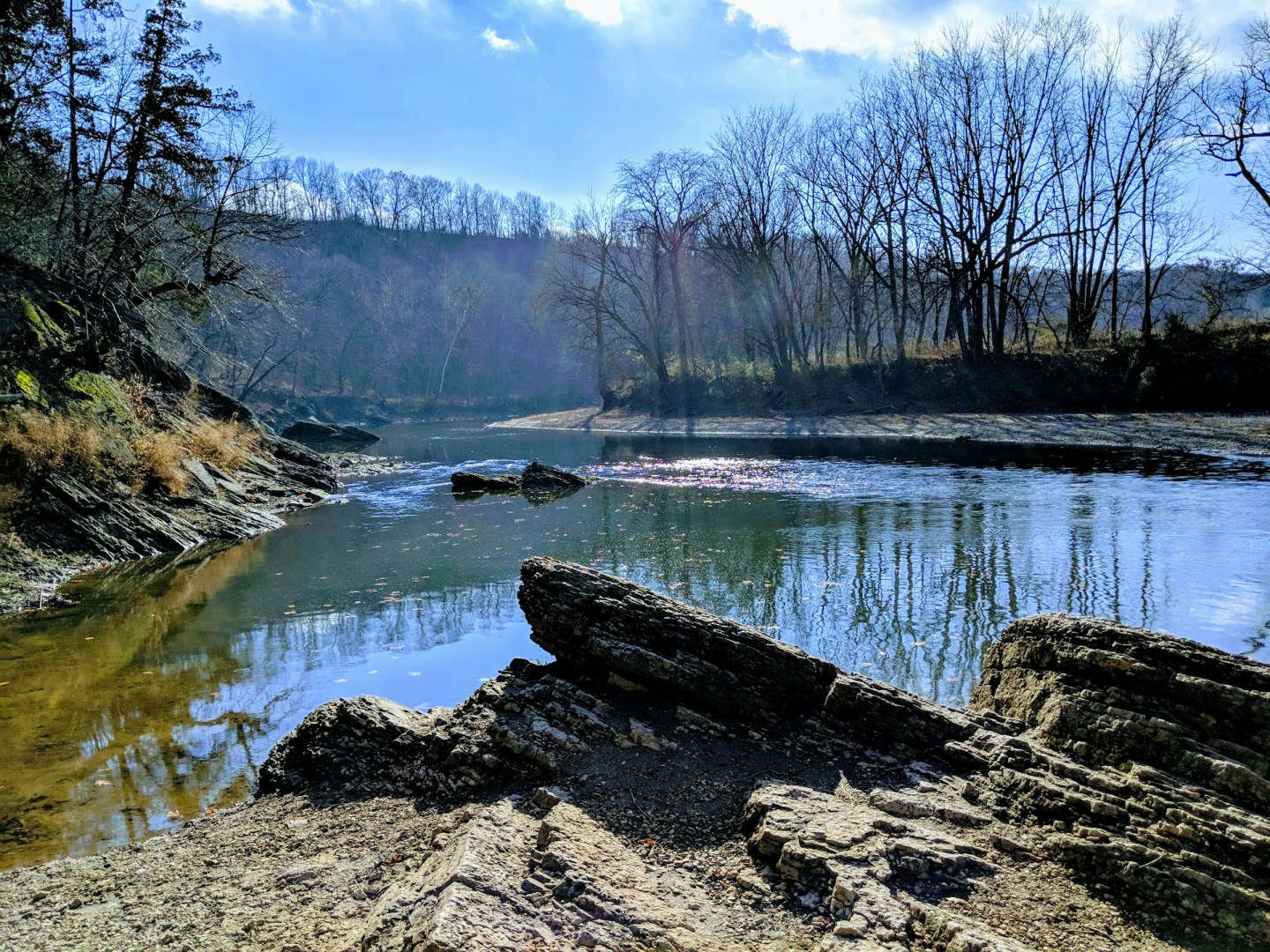
Illinois, a state known for its rich history and diverse attractions, offers a wealth of experiences for visitors. Chicago, its largest city, is a dynamic hub of culture and innovation. The iconic Millennium Park features the striking Cloud Gate sculpture, affectionately known as "The Bean," which reflects the city skyline in a captivating way. Just a short walk away, the Art Institute of Chicago houses an impressive collection of artworks, including Grant Wood’s famous “American Gothic”.
Brindisi
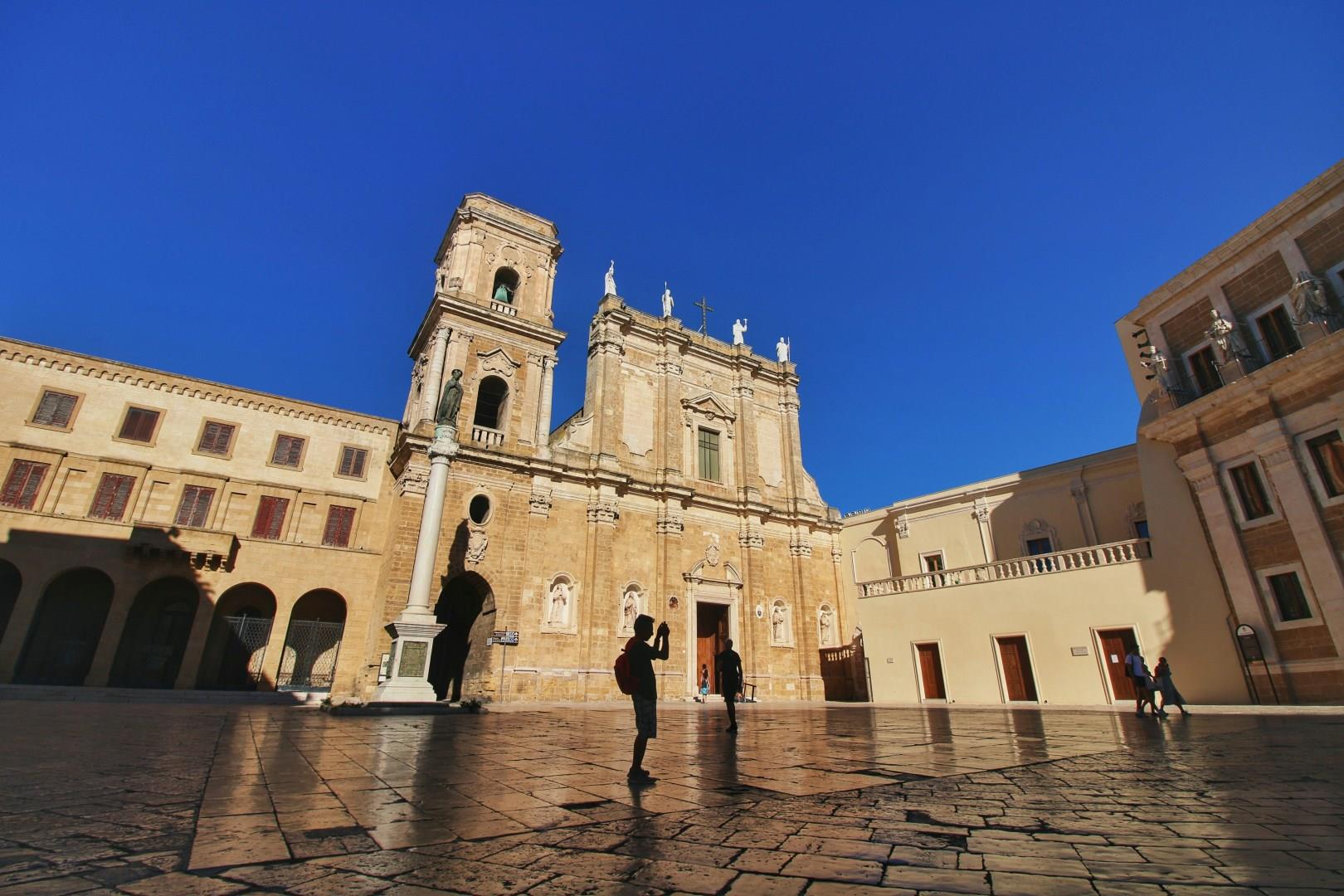
Italy’s port city of Brindisi, tucked along the Adriatic coast in the Puglia region, has been a gateway to the East for over two thousand years. Once the Roman Empire’s main departure point for the Via Appia, the road to Greece and beyond, Brindisi still bears traces of its ancient past, from Roman columns to remnants of old harbors that once welcomed traders, pilgrims, and soldiers.
Charlotte Bay
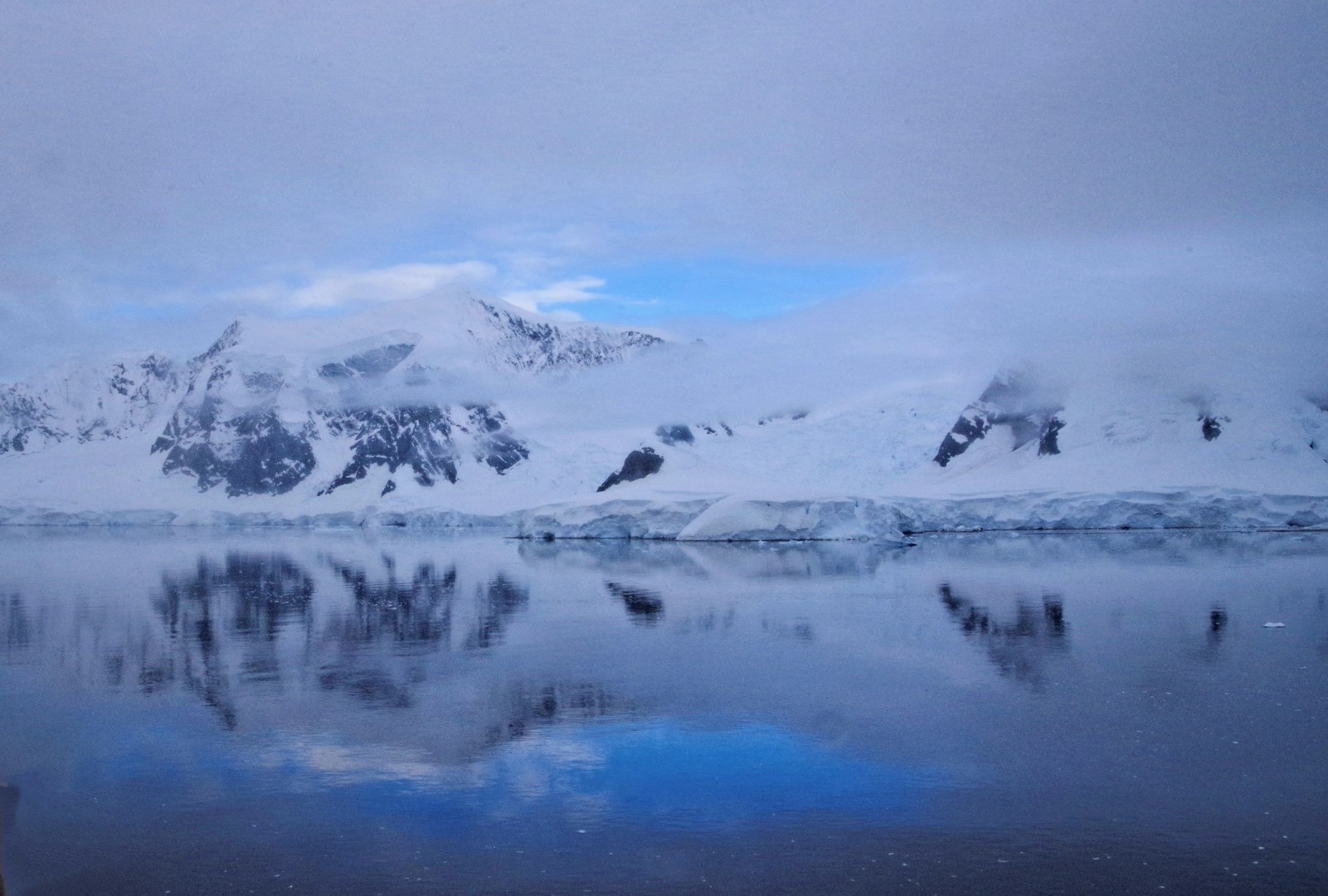
Charlotte Bay is best known for its combination of glacial scenery and marine wildlife. The surrounding mountains descend toward heavily glaciated coastlines, while the bay itself can contain floating sea ice and icebergs of varying sizes. Whales are regularly encountered in the waters of the Antarctic Peninsula, and seals may also be seen around ice and along the shoreline.
Gyumri
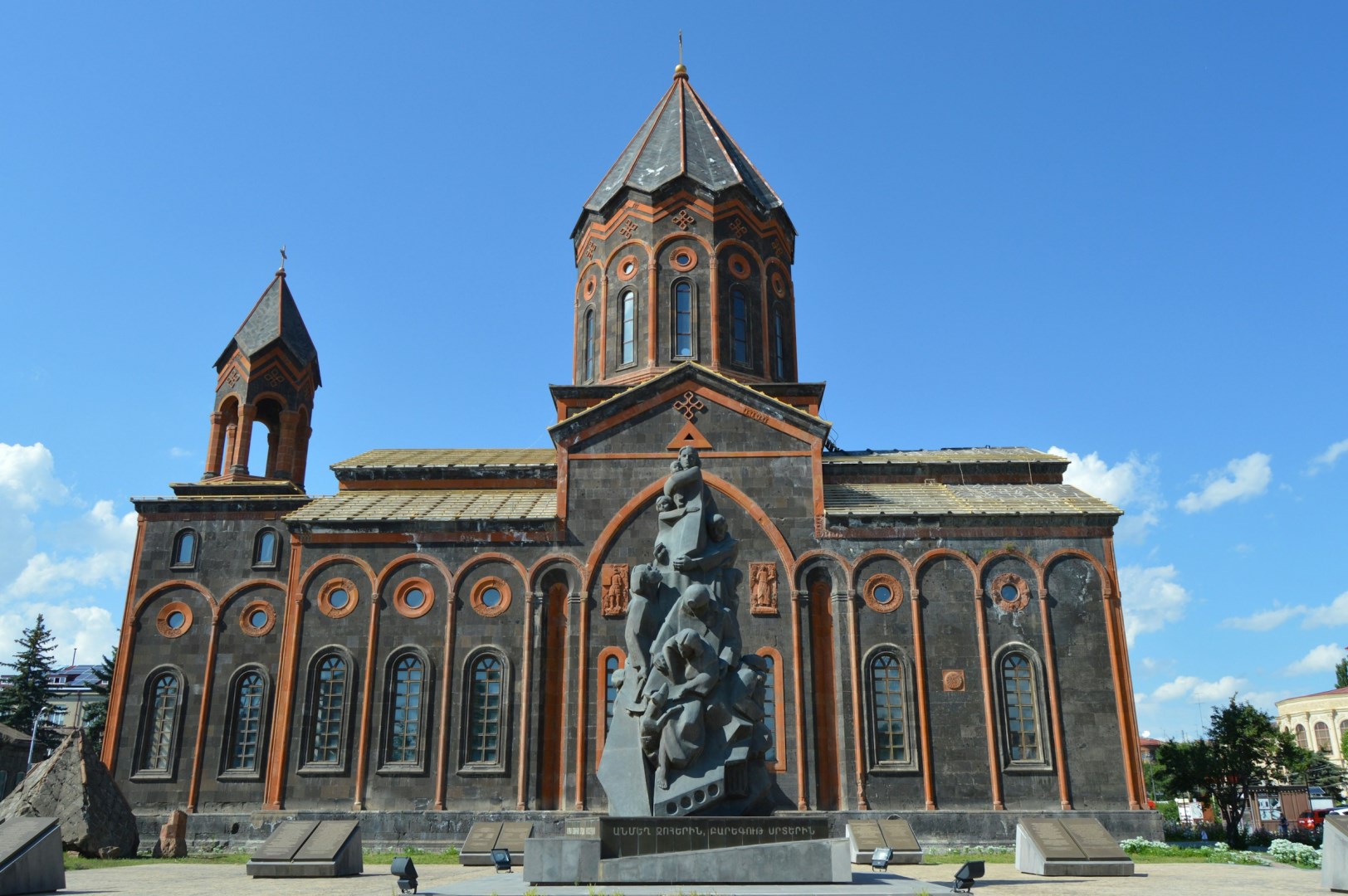
Gyumri is Armenia's second-largest city and the capital of Shirak Province, located on a high plateau in the country's northwestern region. The city is known for its distinctive black and red volcanic-stone architecture, broad streets, historic districts, and strong artistic traditions. Its setting near the Turkish border places it among open plains and volcanic landscapes, with Mount Aragats visible from parts of the surrounding region.
