
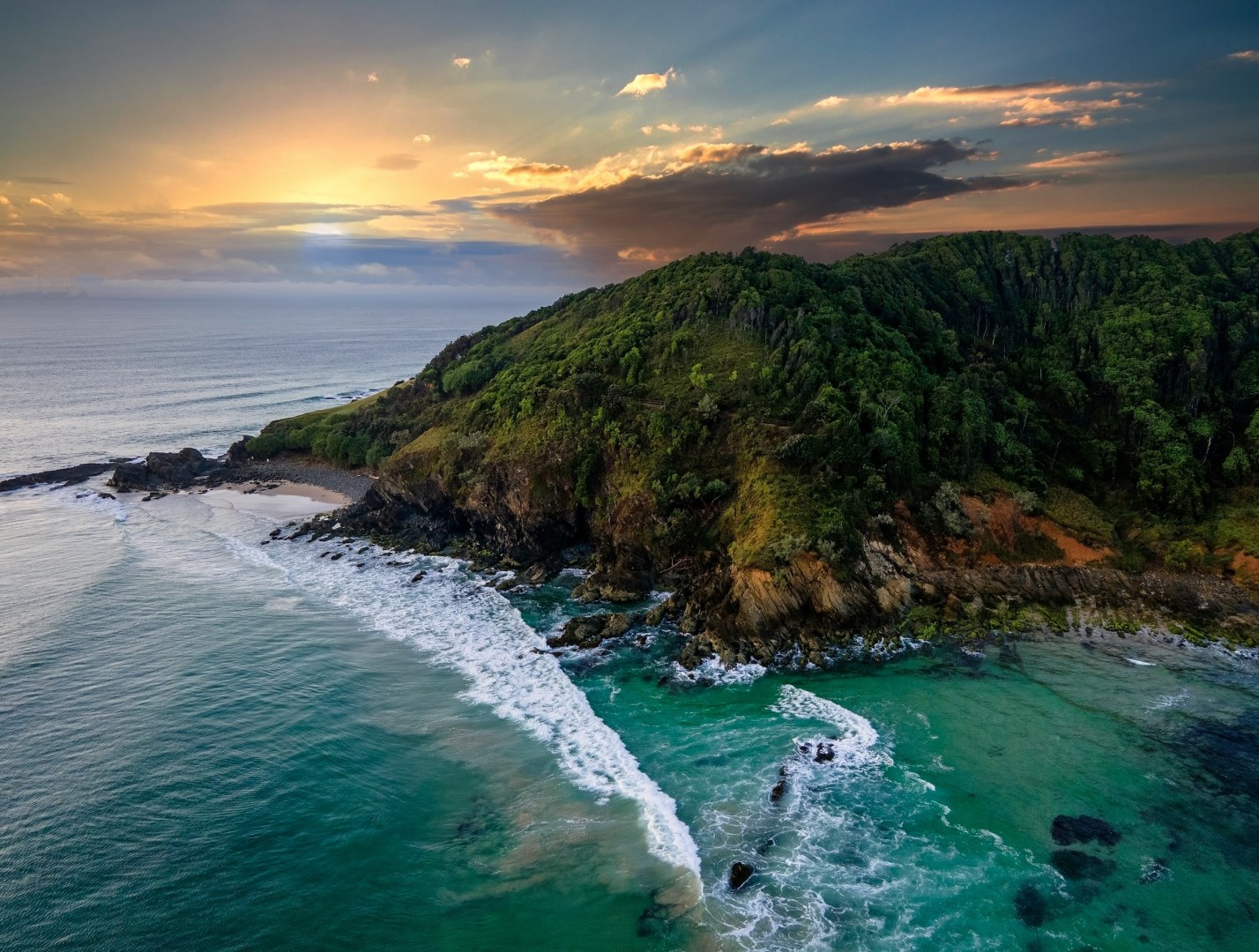
Byron Bay
Byron Bay lies on the far north coast of New South Wales, Australia, where wide beaches meet the deep blue Pacific and the point of land known as Cape Byron marks the easternmost tip of the mainland. Standing tall above the coastline, the Cape Byron Lighthouse has guided ships since 1901 and now greets walkers and sightseers who take the scenic cliff-top path for views stretching toward whales during their migration season.

Guatemala
Guatemala is a country where ancient history and living tradition meet in unexpected ways. The ruins of Tikal, once a major center of the Maya civilization, rise from the dense Petén jungle. Visitors can climb stone temples that pierce the forest canopy and listen for howler monkeys echoing through the trees. Tikal National Park, a UNESCO World Heritage Site, contains over 3,000 structures and still holds secrets under layers of earth and vegetation.

Malé
Located southwest of India and Sri Lanka, this small yet dense island capital is the cultural center of the Maldives.
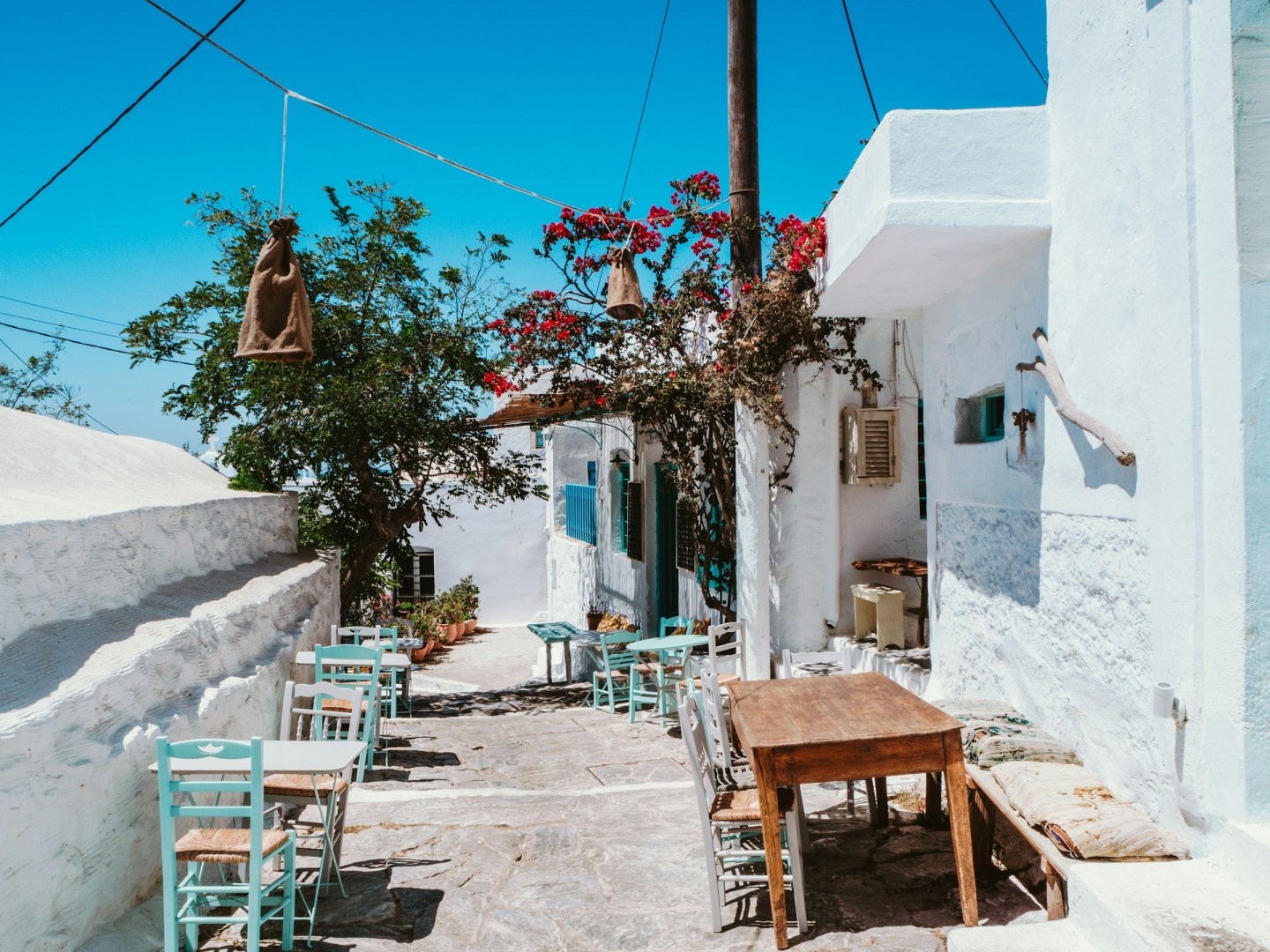
Amorgos
Amorgos is an island in the eastern Cyclades, known for its steep rocky coastline, whitewashed villages, stone paths, and broad views across the Aegean Sea. Unlike flatter Cycladic islands, much of Amorgos is mountainous, with Mount Krikelos reaching 821 metres and deep valleys separating its settlements. The main ports are Katapola and Aegiali, while Chora, the island’s inland capital, is built around narrow lanes, small squares, windmills, and traditional Cycladic houses.
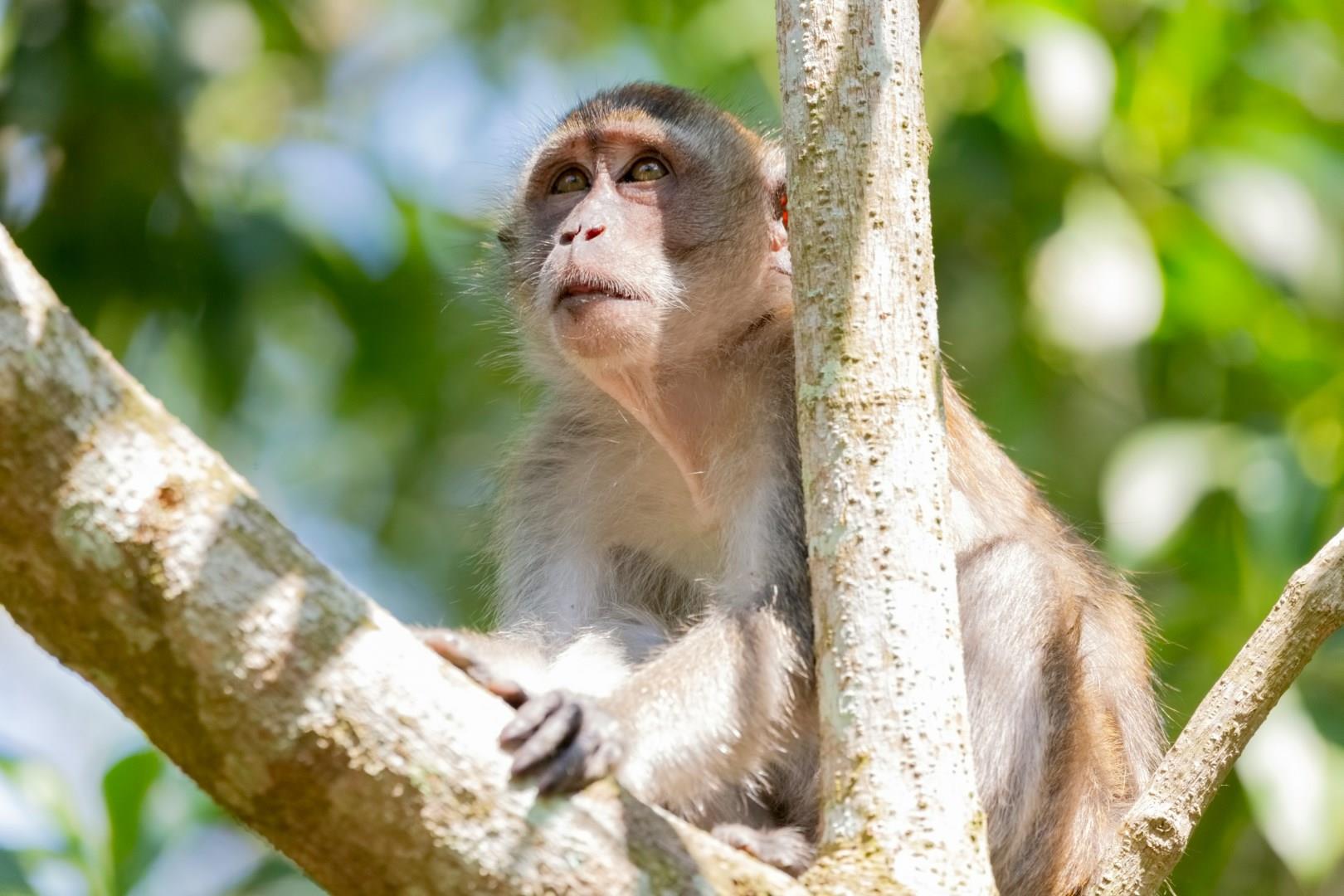
Pulau Ubin
Pulau Ubin, an island northeast of mainland Singapore, offers a glimpse into the country’s past with its preserved kampong (village) atmosphere and rustic landscapes. Unlike the modern cityscape of Singapore, Pulau Ubin retains its traditional charm, with wooden houses, coconut palms, and unpaved roads where bicycles are the main mode of transport.
