

Riga
Riga, the vibrant capital of Latvia, offers a captivating blend of medieval charm and contemporary energy. Founded in 1201, Riga’s Old Town, a UNESCO World Heritage Site, is a treasure trove of stunning architecture and historical landmarks. Wander through its cobblestone streets to admire the intricately carved facades of buildings like the House of the Blackheads, a striking 14th-century guildhall that epitomizes Riga's rich merchant history.
Corpus Christi
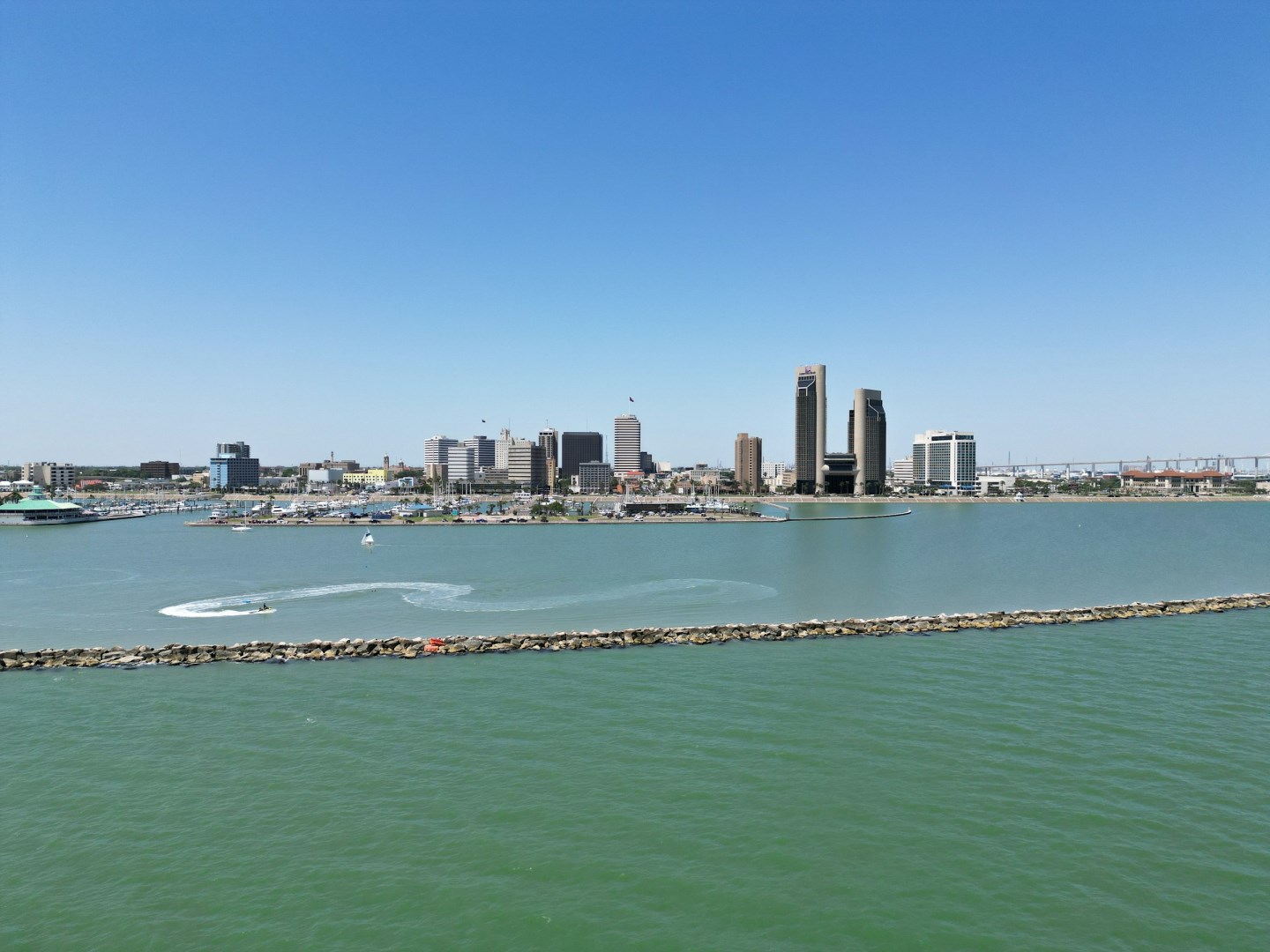
Corpus Christi is a coastal city on the Gulf of Mexico in southern Texas, set along Corpus Christi Bay and separated from the open Gulf by Padre Island and Mustang Island. Its landscape includes broad beaches, tidal flats, coastal wetlands, and shallow bays that support a wide range of marine and bird life.

Cartagena
Cartagena is a port city on Spain’s southeastern Mediterranean coast, in the Region of Murcia, where a sheltered harbor is surrounded by hills and historic neighborhoods. Its strategic position has made it an important maritime center for successive civilizations, leaving an unusually rich archaeological and architectural landscape. The modern city combines a busy waterfront with a compact historic center, where Roman remains stand alongside military buildings and modernist architecture.
Castro
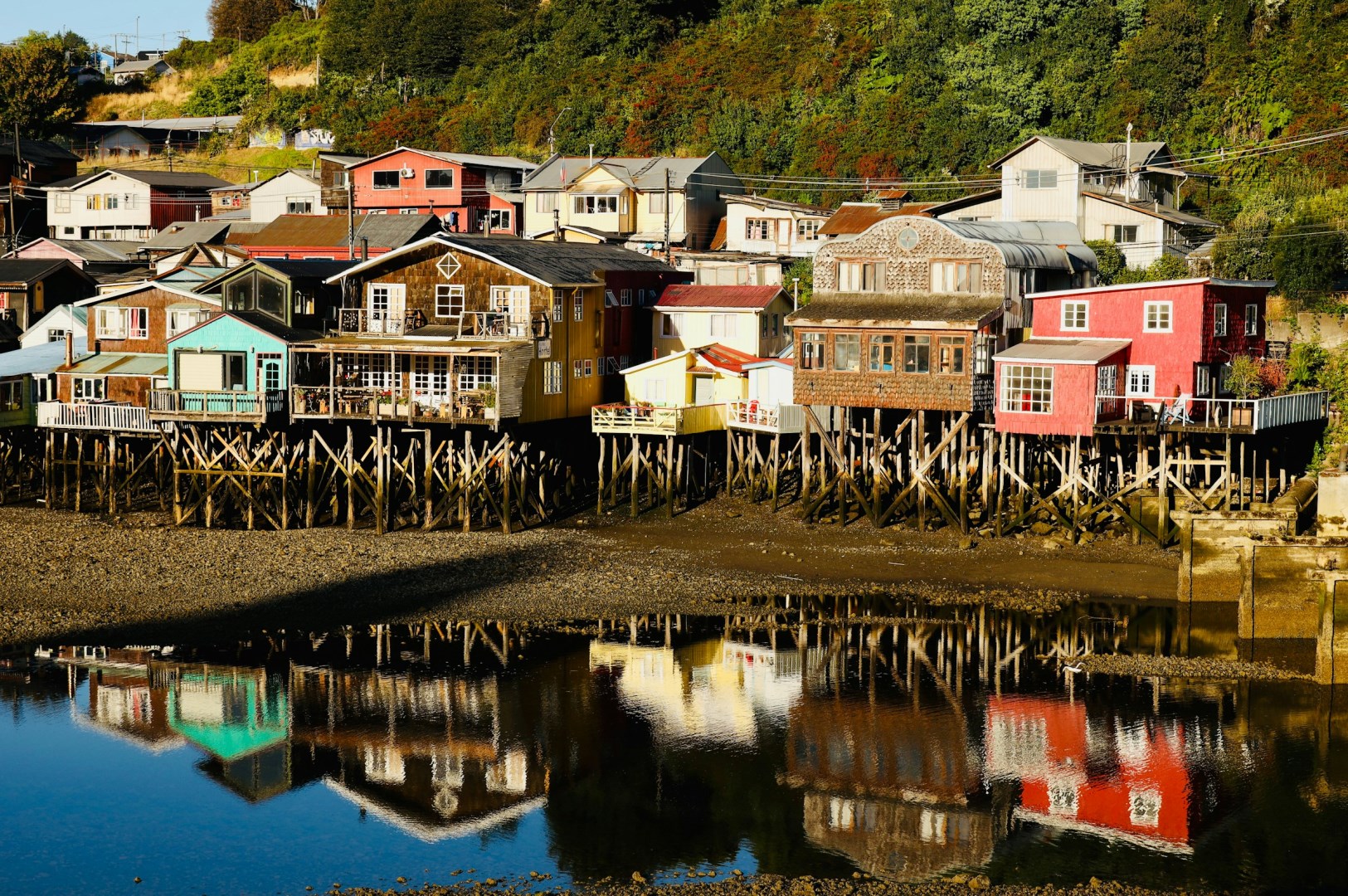
Castro is the capital of Chiloé Province on the island of Chiloé in southern Chile, set along the eastern shore of the Gulf of Corcovado. The city is recognized for its distinctive waterfront, hillside neighborhoods, and traditional wooden architecture. Its most recognizable feature is the palafitos, houses built on wooden stilts above the tidal edge, particularly around the Gamboa and Río neighborhoods.
Baton Rouge
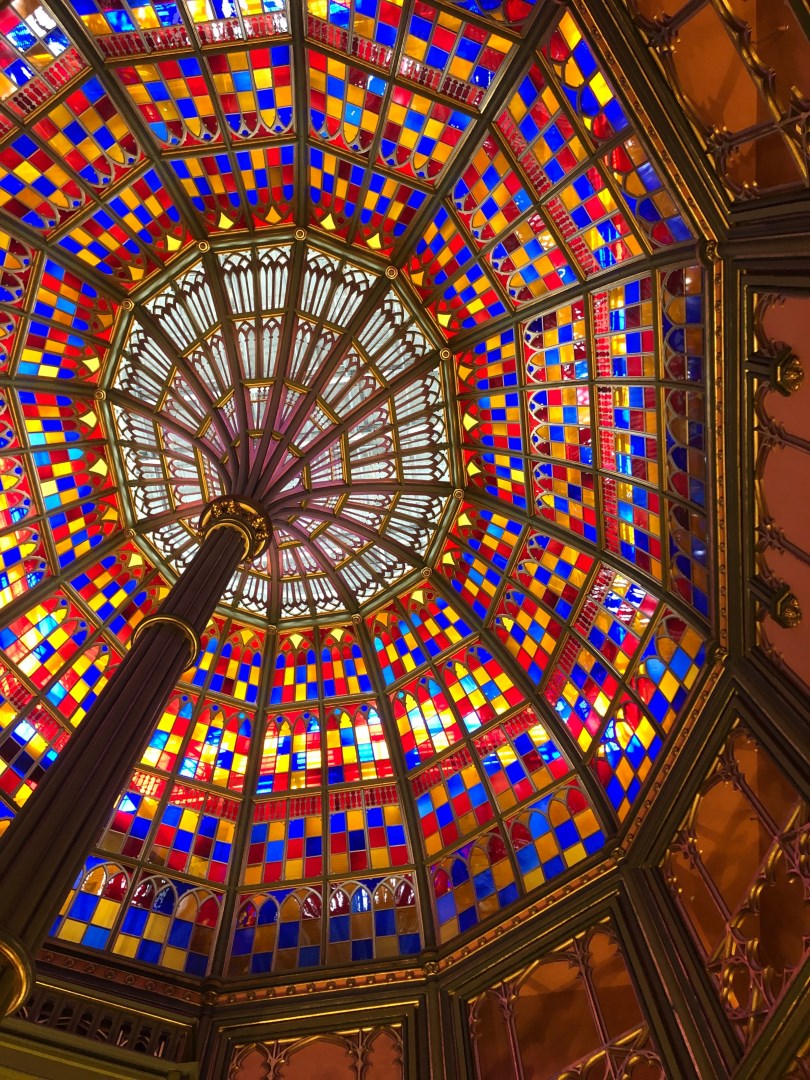
Overlooking the Mississippi River in southeast Louisiana, it is the state's capital.
