

Monkey Mia
Monkey Mia, located within the Shark Bay World Heritage Area on the western coast of Australia, is a serene paradise known for its world-famous wild dolphin encounters. This remote coastal gem, surrounded by the turquoise waters of the Indian Ocean, invites visitors to experience up-close interactions with bottlenose dolphins in their natural habitat. For over 50 years, these dolphins have made daily visits to Monkey Mia’s shores, creating a unique tradition that brings awe to travelers.
St. Helena
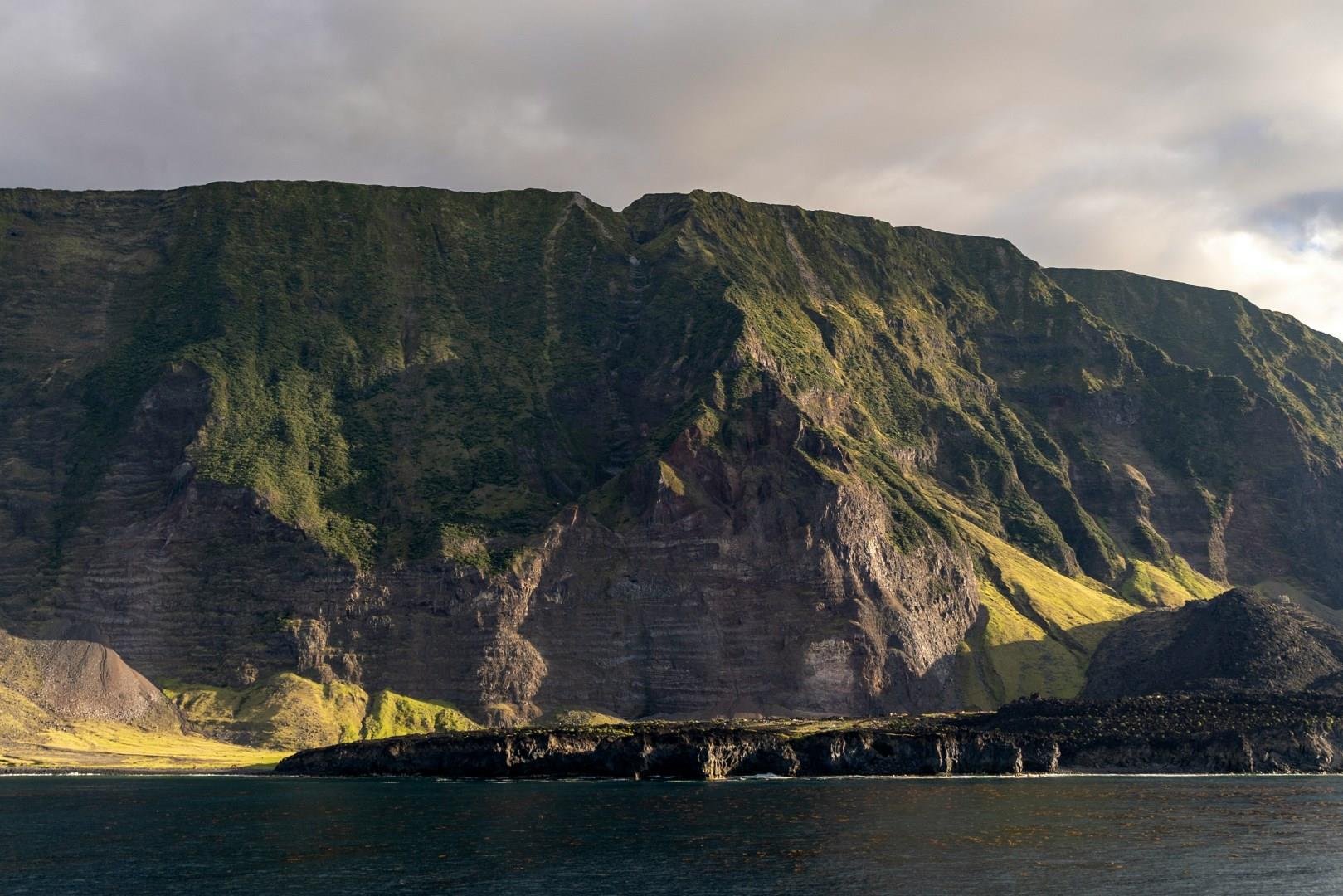
St. Helena is a remote island in the South Atlantic Ocean, known for its dramatic cliffs, volcanic landscapes, and rich history. It is most famous as the place where Napoleon Bonaparte spent his final years in exile, and visitors can explore Longwood House and other historic sites that tell the story of this period.
Lake District National Park
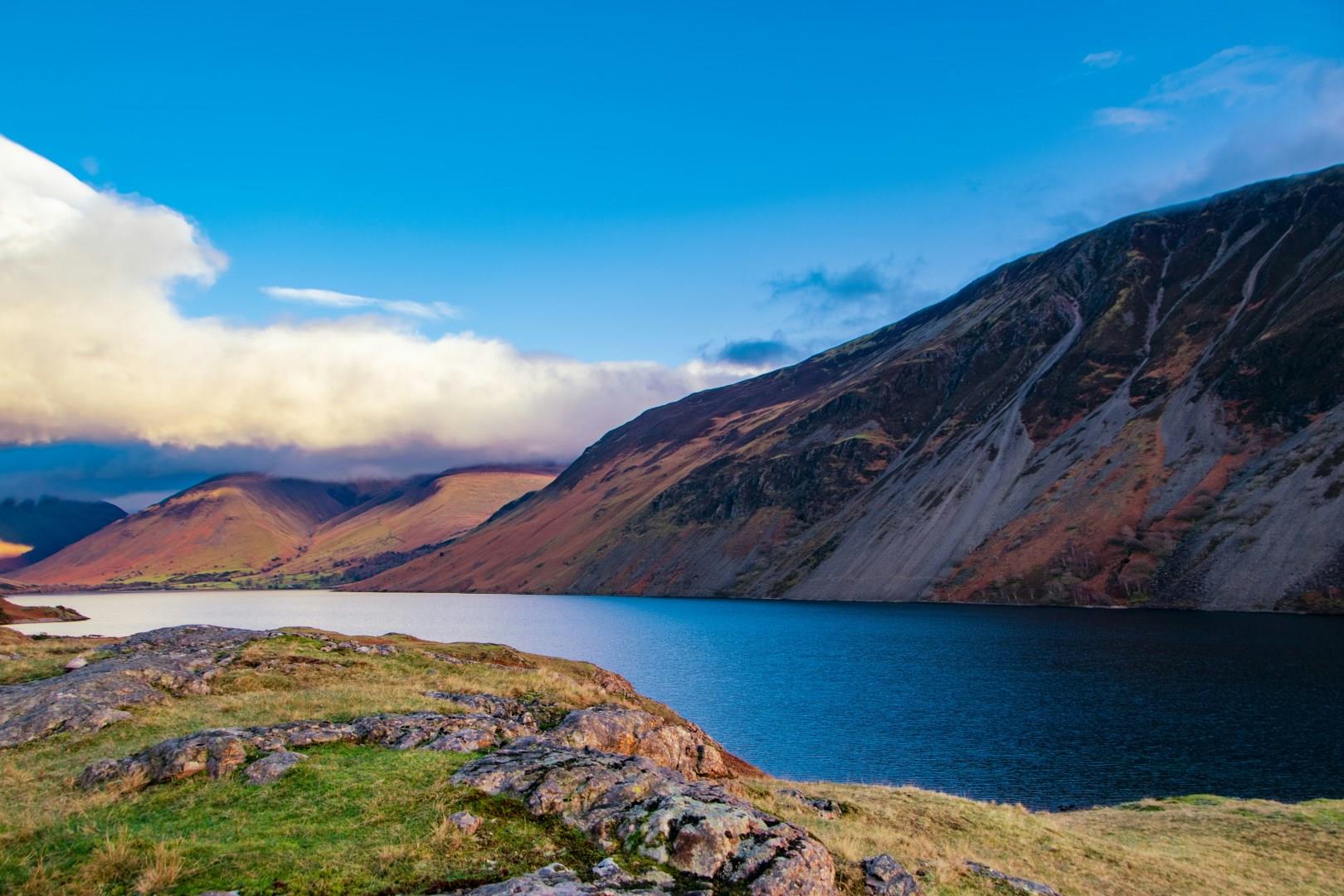
Lake District National Park, in northwest England’s Cumbria, is a landscape of lakes, fells, and valleys that has inspired poets, painters, and travelers for centuries. Designated a UNESCO World Heritage Site, the region is famed for its literary connections.

Muscat
Travelers on the Arabian Sea often find themselves in Muscat, on the Gulf of Oman. This port capital is situated between ocean and mountains, and boasts lovely beaches, great diving sites (watch for turtles!), 16th-century forts, and the impressive Sultan Qaboos Grand Mosque, which can hold 20,000 people.
Bled
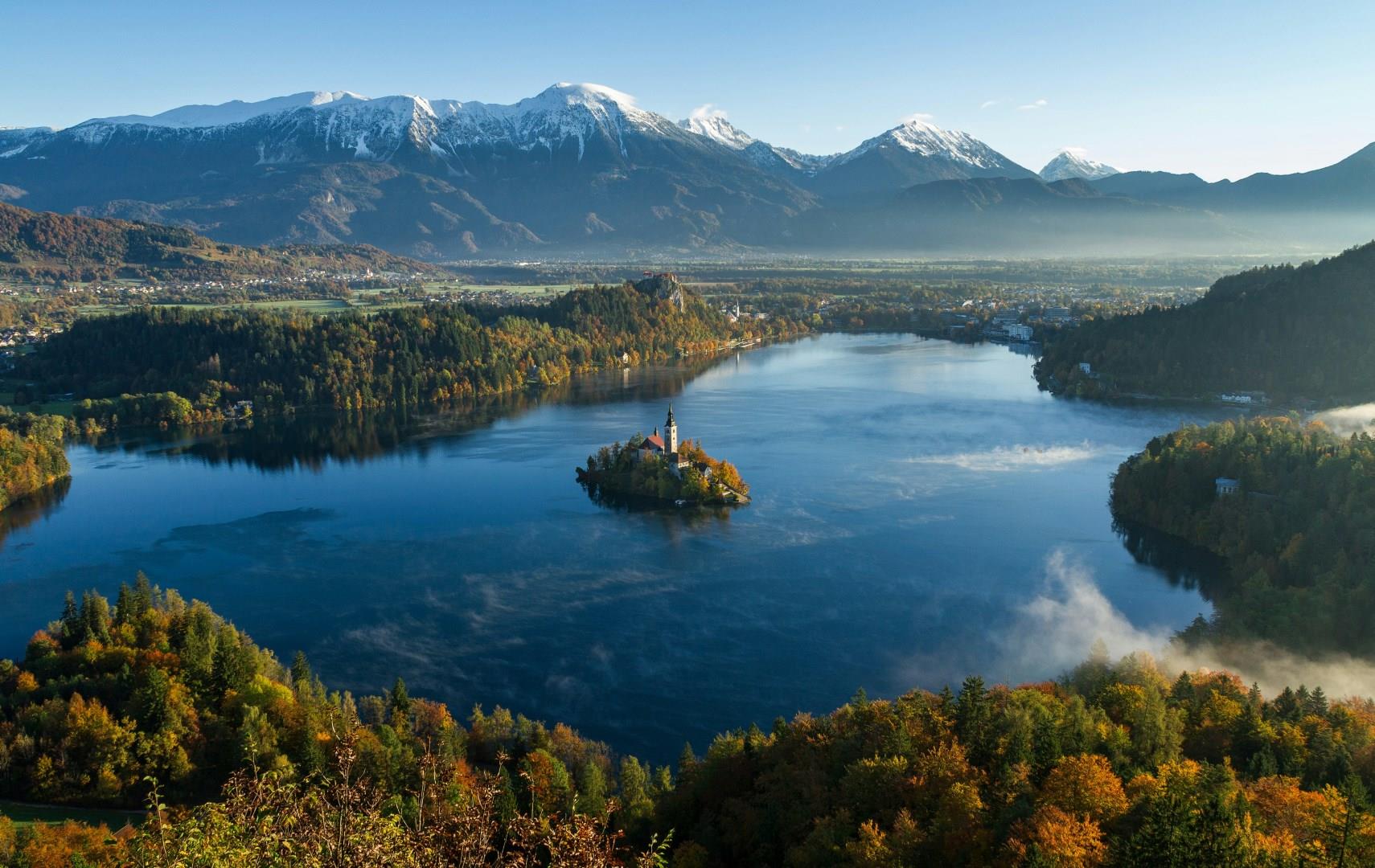
Bled, a small town in northwestern Slovenia, has gained international attention thanks to its lake, which features a lone island topped with a baroque church. Visitors often take traditional wooden boats called pletna to reach the island, where it's customary to ring the church bell and make a wish. According to local legend, the bell was originally cast in memory of a young widow’s lost husband, and today, its chime echoes across the lake as a symbol of devotion and hope.
