
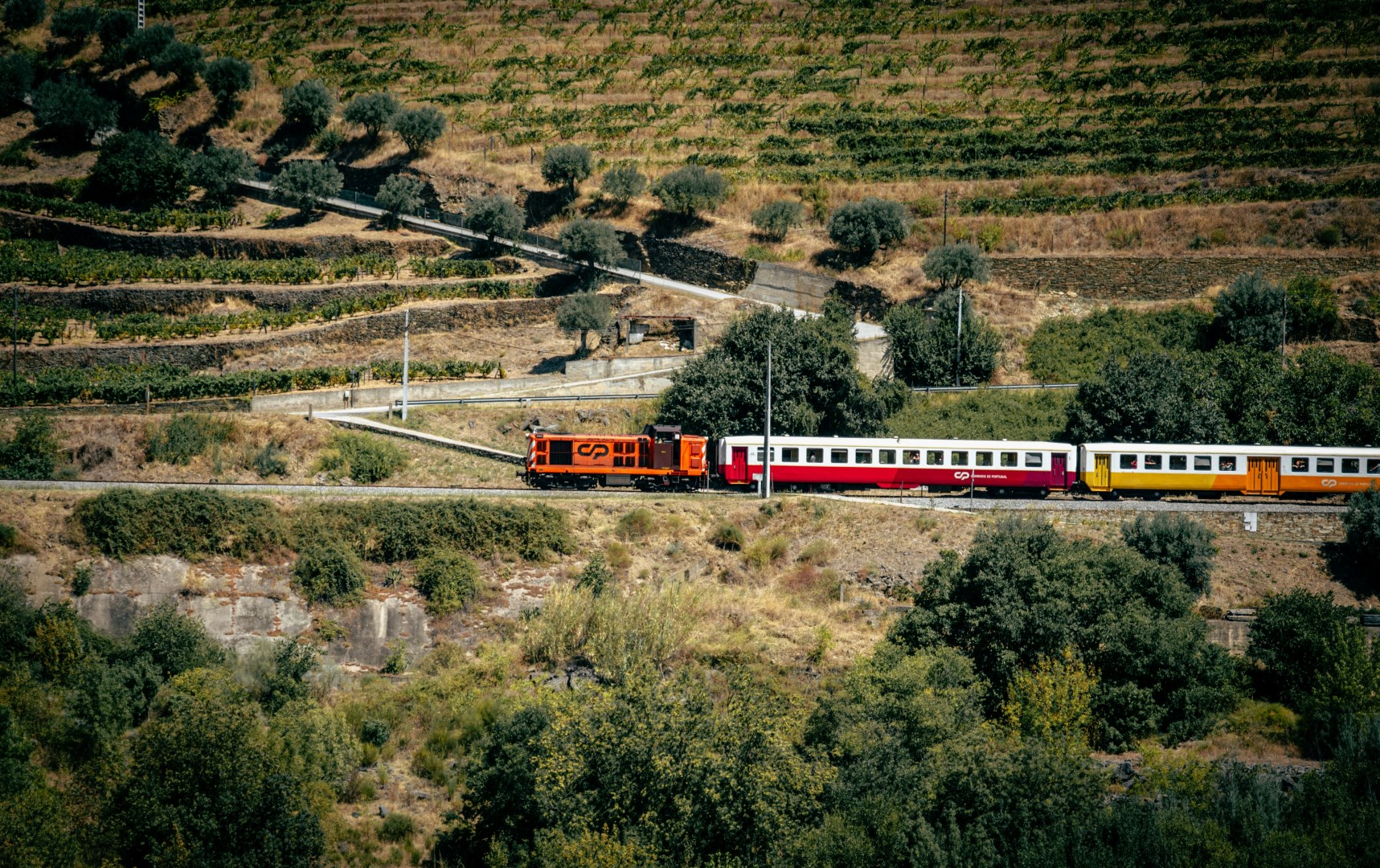
Peso da Regua
Peso da Régua, often called the gateway to Portugal's Douro Valley, sits along the banks of the Douro River and is surrounded by steep, terraced vineyards. The town has long been central to the production of the world-famous Port wine, and visitors can explore the rolling hills covered with neatly arranged grapevines that climb dramatically from the river’s edge. The town itself offers a quiet riverside charm, with narrow streets, historic buildings, and scenic viewpoints.
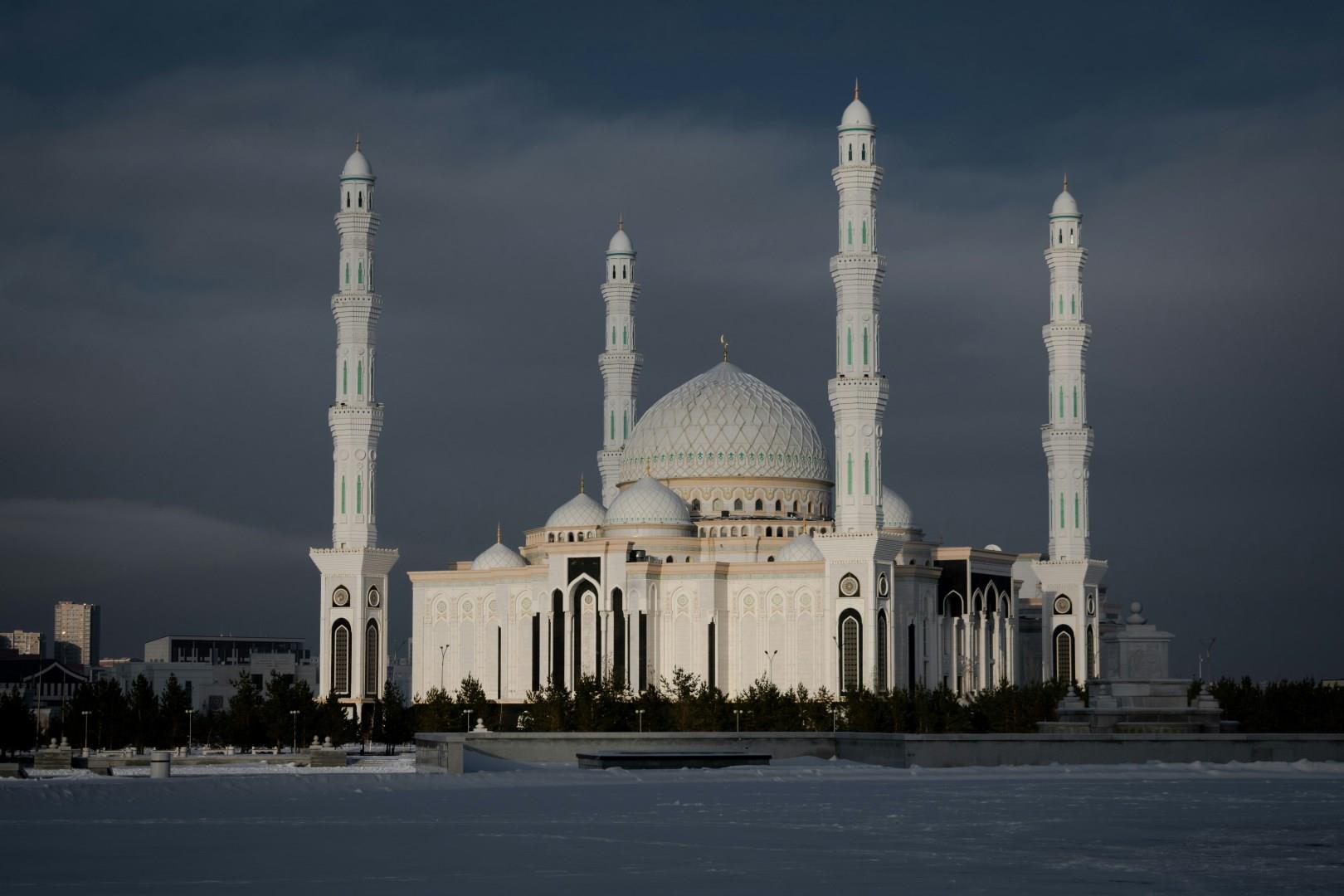
Astana
Astana, officially known as Nur-Sultan, is the modern capital of Kazakhstan and a striking example of contemporary urban design in Central Asia.

Warsaw
Warsaw stands as one of Europe’s most resilient cities, having rebuilt itself almost entirely after World War II. The Old Town, meticulously reconstructed using paintings by Italian artist Bernardo Bellotto, feels centuries old but is, in fact, less than a hundred years in its current form. Behind the medieval facades lie stories of uprisings, resistance, and quiet defiance. Visitors walking through Castle Square can enter the Royal Castle, where Poland’s Constitution of May 3, 1791 was adopted.

Brno
Brno, the vibrant heart of the Czech Republic's Moravian region, offers a captivating blend of historical charm and modern dynamism. As the second-largest city in the country, Brno is known for its striking architecture, including the Špilberk Castle, which overlooks the city from its hilltop perch. Originally a medieval fortress, Špilberk Castle has evolved into a cultural and historical museum, showcasing exhibits on the city’s rich past and providing panoramic views of Brno.

Whistler
Whistler, nestled in the Coast Mountains of British Columbia, is a year-round destination renowned for its world-class skiing and vibrant outdoor lifestyle. As home to the largest ski resort in North America, Whistler Blackcomb, this picturesque town transforms into a snowy wonderland each winter.
